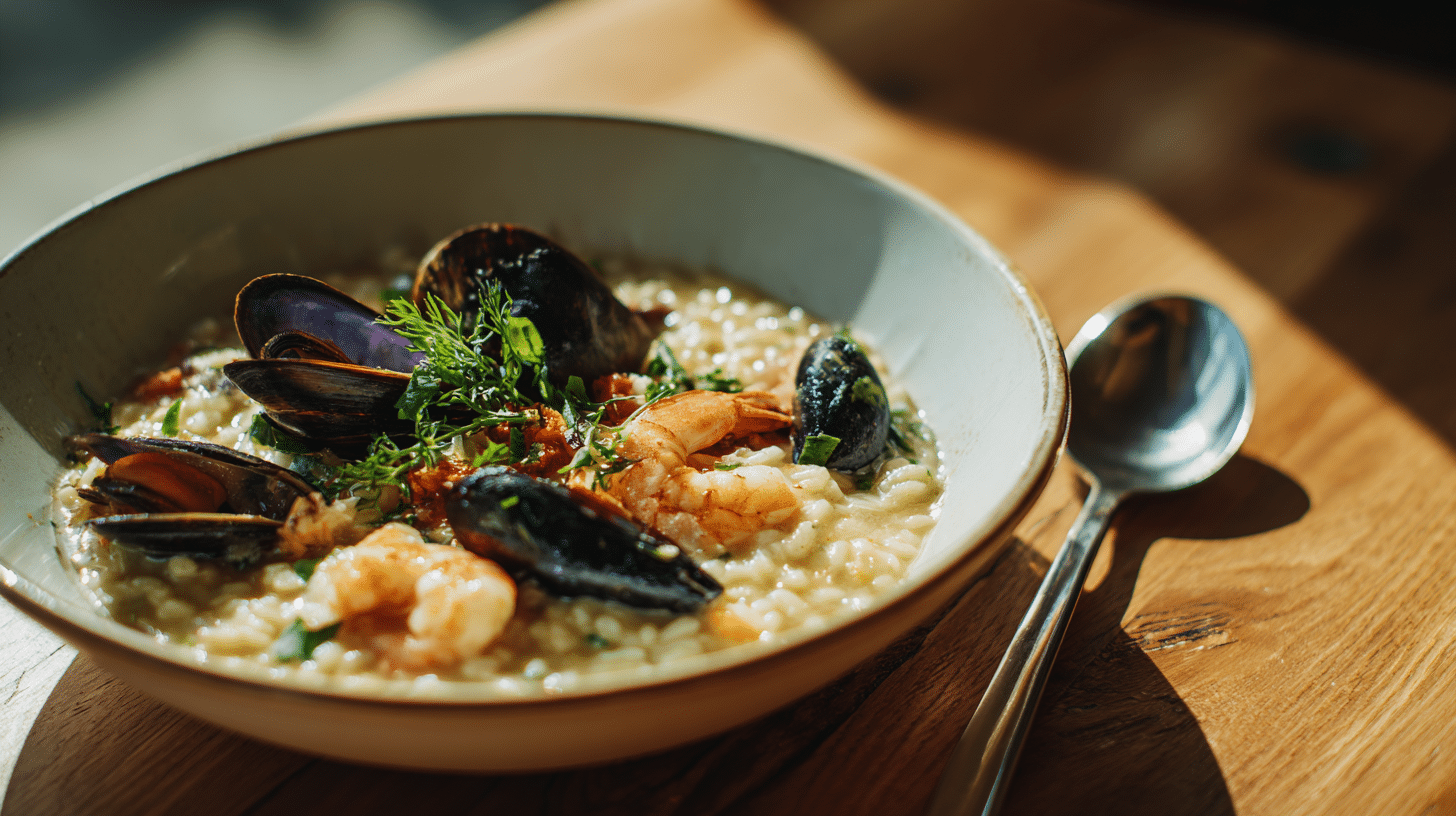



You know that rich, creamysoup restaurants charge $15 a bowl for? The one that tastes like pure comfort in cold weather? You can make it at home for a fraction of the cost.
And honestly, it’s not even that hard.
This crab and shrimp seafood bisque recipe is about to become your secret weapon for impressing dinner guests or just treating yourself on a Tuesday night.
Let’s get started.
What is Seafood Bisque?
Seafood bisque is a French-style creamy soup made with shellfish like shrimp and crab; some people also like adding lobster or crawfish to it. The key difference from regular soup? It’s pureed until completely smooth.
The base starts with a roux (butter and flour), aromatics like onions and celery, and tomato paste for color.
Everything simmers, then gets blended smooth; cream and seafood go in at the end.
It’s creamy but not heavy, with seafood flavor that shines through. Fancy but comforting.
Why Seafood Bisque Is in the News Right Now
Bisque is having a moment, and it’s not just your grandma’s soup anymore.
Gen Z diners are ordering crab and lobster bisque at restaurants more than ever. They see it as affordable luxury without the full lobster price tag.
Seafood consumption jumped 20% in 2024, with younger customers leading the charge.
The comfort food trend plays a role, too. People want meals that feel cozy but special, and home cooks love restaurant-quality recipes they can actually pull off.
A bowl of rich, creamy seafood bisque soup hits the spot – every.single.time.
Difference Between Seafood Bisque and Chowder
People mix these up all the time, but they’re actually pretty different.
| Aspect | Bisque | Chowder |
|---|---|---|
| Texture | Smooth and pureed, completely silky | Chunky with visible vegetables and seafood |
| Base | Roux (butter and flour) plus cream | Milk or cream thickened with potatoes |
| Richness | Very rich with more cream and butter | Heartier and more filling |
| Origin | French cuisine, traditionally, includes shellfish | American (New England), clams or fish |
| Feel | Fancy and indulgent | Comfort food, meal-like |
Both are delicious, but if you want something smooth and fancy, go for bisque. Want something that feels like a full meal? Chowder is your answer.
What Defines a Good Crab and Shrimp Bisque?
A truly good bisque isn’t just about throwing seafood into cream and hoping for the best. There’s a balance to strike.
The texture should coat the back of a spoon without feeling heavy.
This is called nappe consistency in professional kitchens. It’s the benchmark I always test against before adding the seafood. If it slides off too fast, it needs more time. If it barely moves, you’ve gone too far.
Smooth, silky, no lumps. The color should be a gorgeous coral or pinkish hue from tomato paste and shellfish.
Key flavor notes
- Sweet, briny taste from fresh crab and shrimp
- Touch of acidity from white wine or lemon juice
- Aromatic bases of onions, celery, and garlic
- Pinch of cayenne or Old Bay for subtle heat
- Tomato paste for sweetness and color
- Cream that ties everything together
When these elements work together, you get a bowl that’s rich but not heavy, flavorful but not overwhelming.
Step-by-Step Seafood Bisque Recipe
Making bisque at home is simpler than you think. Just build flavors in layers and bring them together at the end.
Nutritional Info
Per serving (makes 6 servings):
- Calories: 340
- Protein: 17g
- Fat: 25g
- Carbohydrates: 11g
- Fiber: 1g
- Sodium: 580mg
Ingredients Needed
For the base:
- 4 tablespoons unsalted butter
- 1 medium onion, diced
- 2 celery stalks, chopped
- 1 carrot, diced
- 4 cloves garlic, minced
- 3 tablespoons all-purpose flour
- 2 tablespoons tomato paste
- 1/2 cup dry white wine
- 4 cups seafood or chicken broth
- 1 bay leaf
For the bisque:
- 1 cup heavy cream
- 1/2 pound shrimp, peeled and deveined
- 1/2 pound lump crab meat
- 1 teaspoon Old Bay seasoning
- 1/2 teaspoon smoked paprika
- 1/4 teaspoon cayenne pepper
- Salt and pepper to taste
- Fresh parsley for garnish
Step 1: Prep Your Seafood
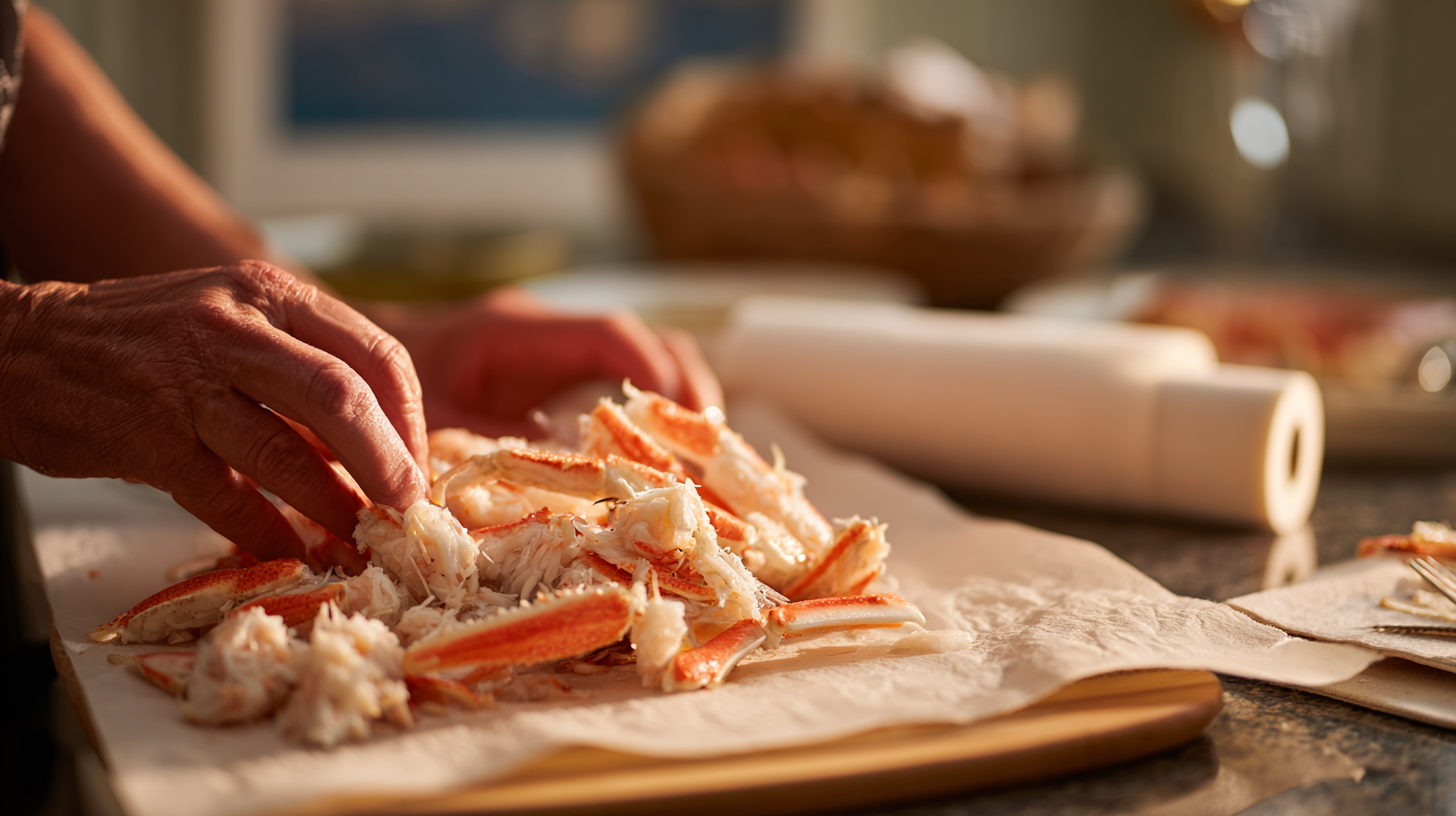
Pick through crab meat for shells. Chop half the shrimp into smaller pieces. Pat everything dry with paper towels.
Step 2: Build the Base

Melt butter in a large pot over medium heat. Add onion, celery, and carrot. Cook 5 to 7 minutes until soft. Add garlic and cook 1 minute.
Stir in tomato paste and cook 2 minutes. Sprinkle flour over everything and stir for 2 minutes.
Two minutes on the tomato paste isn’t optional – it cooks out the raw, tinny taste and deepens the color significantly.
Pour in the wine and scrape the bottom. Simmer 1 minute, then slowly add broth while whisking. Add bay leaf and simmer 15 to 20 minutes.
Tip: Use a wine you’d actually drink. Cooking wine from a bottle labeled ‘cooking wine’ is usually loaded with salt and will throw the seasoning balance off.
A basic Sauvignon Blanc costs a few dollars more and makes a noticeable difference in the final flavor.
Step 3: Blend for a Smooth Texture
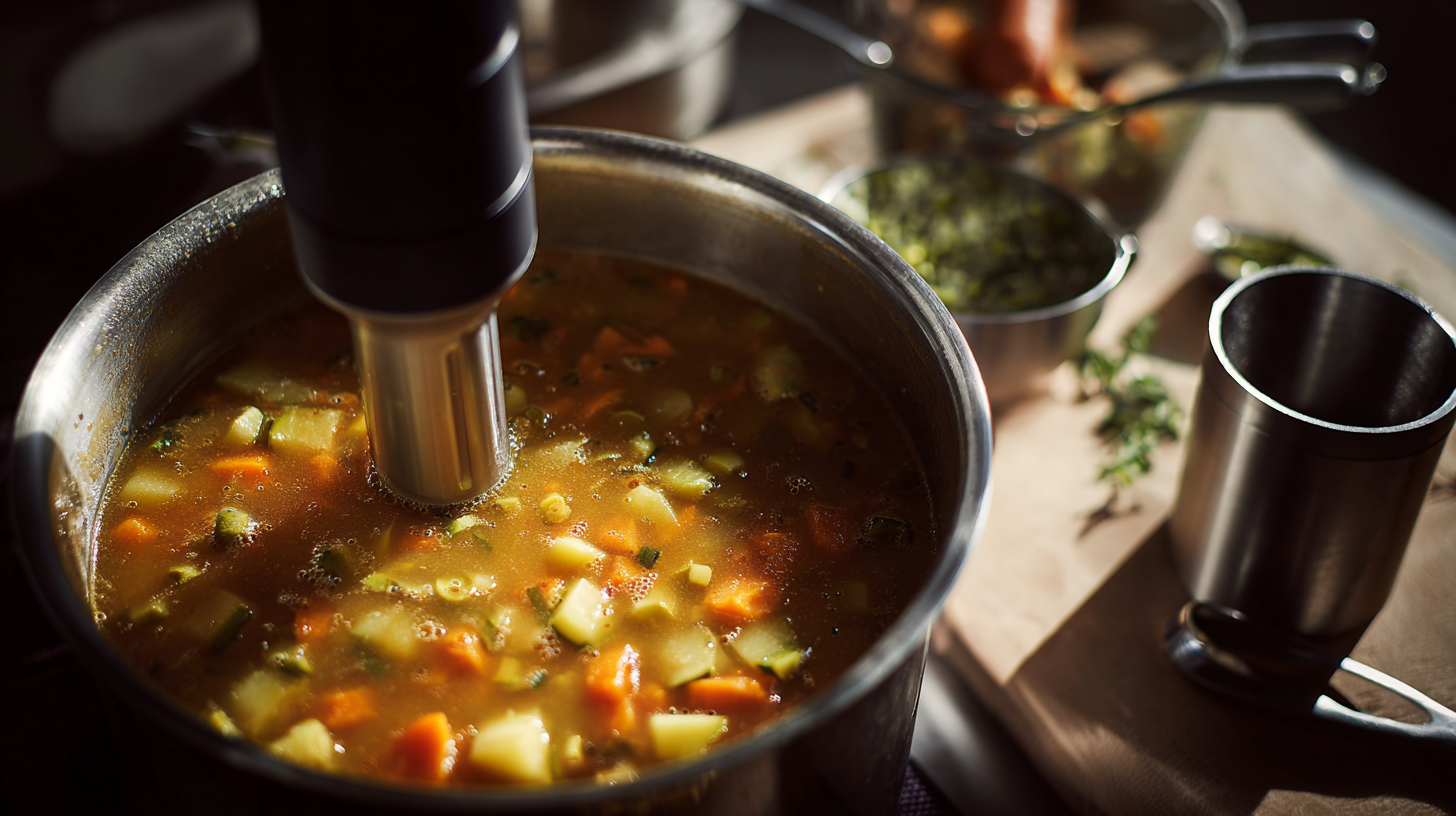
Remove bay leaf. Use an immersion blender to puree until completely smooth.
No blender? Use a regular one in batches.
If you’re using a standing blender rather than an immersion blender, fill it no more than halfway and hold the lid down with a folded kitchen towel, not your hand.
Hot liquid expands when blended and the lid can blow off.
Step 4: Add the Seafood at the Right Time
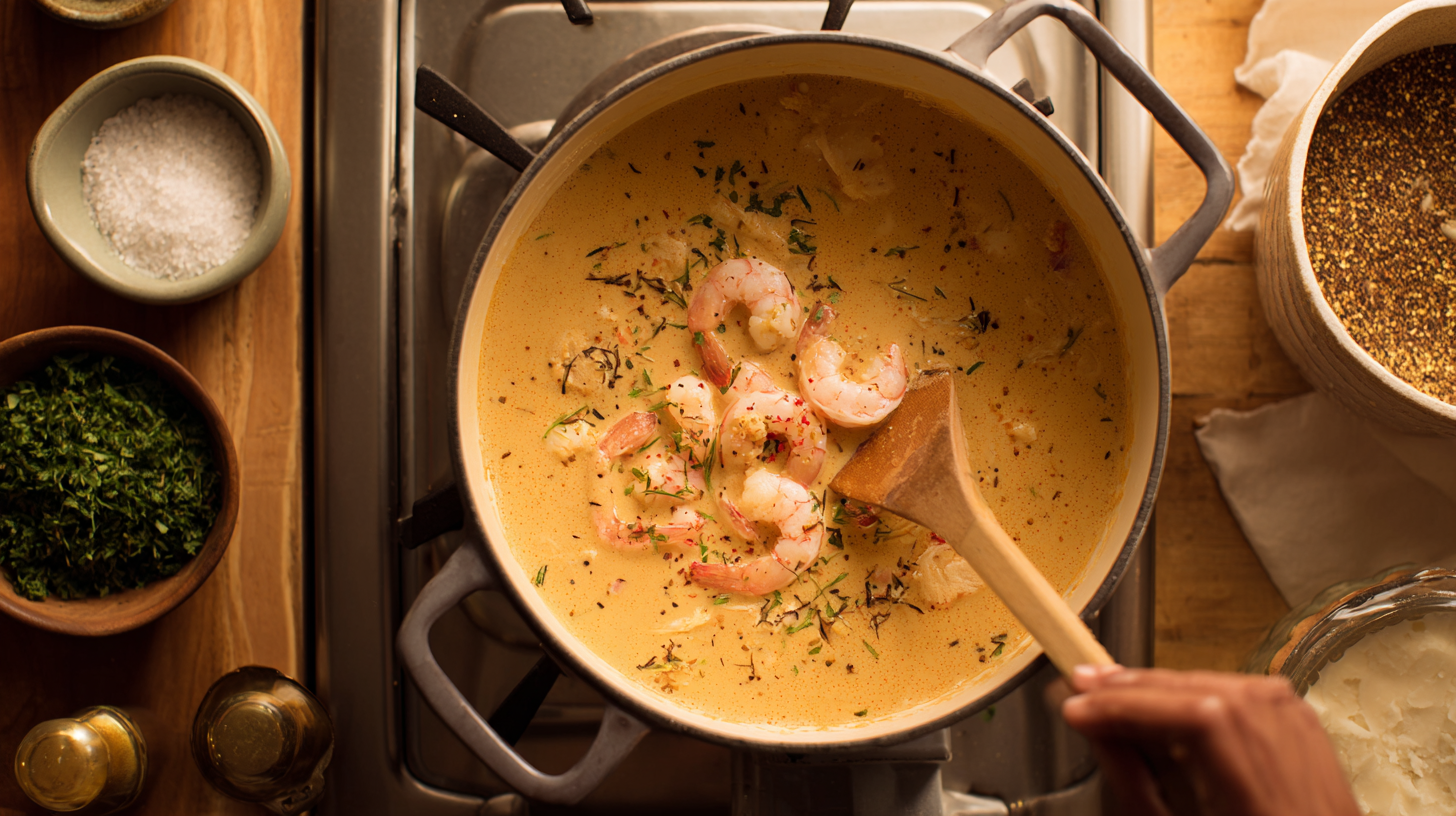
Lower the heat to medium-low. Stir in cream without boiling. Add seasonings and taste. Fold in shrimp and crab.
Cook 5 minutes until the shrimp turn pink. Serve hot with parsley on top.
Tips to Get the Best Texture Every Time
Getting that restaurant-quality texture at home comes down to a few simple tricks. Miss these, and you’ll end up with soup instead of bisque.
- Cook your butter and flour together for at least 2 minutes, stirring constantly so it doesn’t burn
- Add broth slowly while whisking to avoid lumps that are impossible to fix later
- Blend longer than you think you need to. An extra 30 seconds makes a real difference
- Keep the heat low once cream goes in. Boiling causes it to separate and leaves you with a grainy texture
- Pour through a fine-mesh strainer if you’ve got stubborn lumps even after blending
- Don’t overcook the seafood. Five minutes max once it hits the pot, or you’ll end up with rubbery shrimp
Follow these, and you’ll nail it every single time.
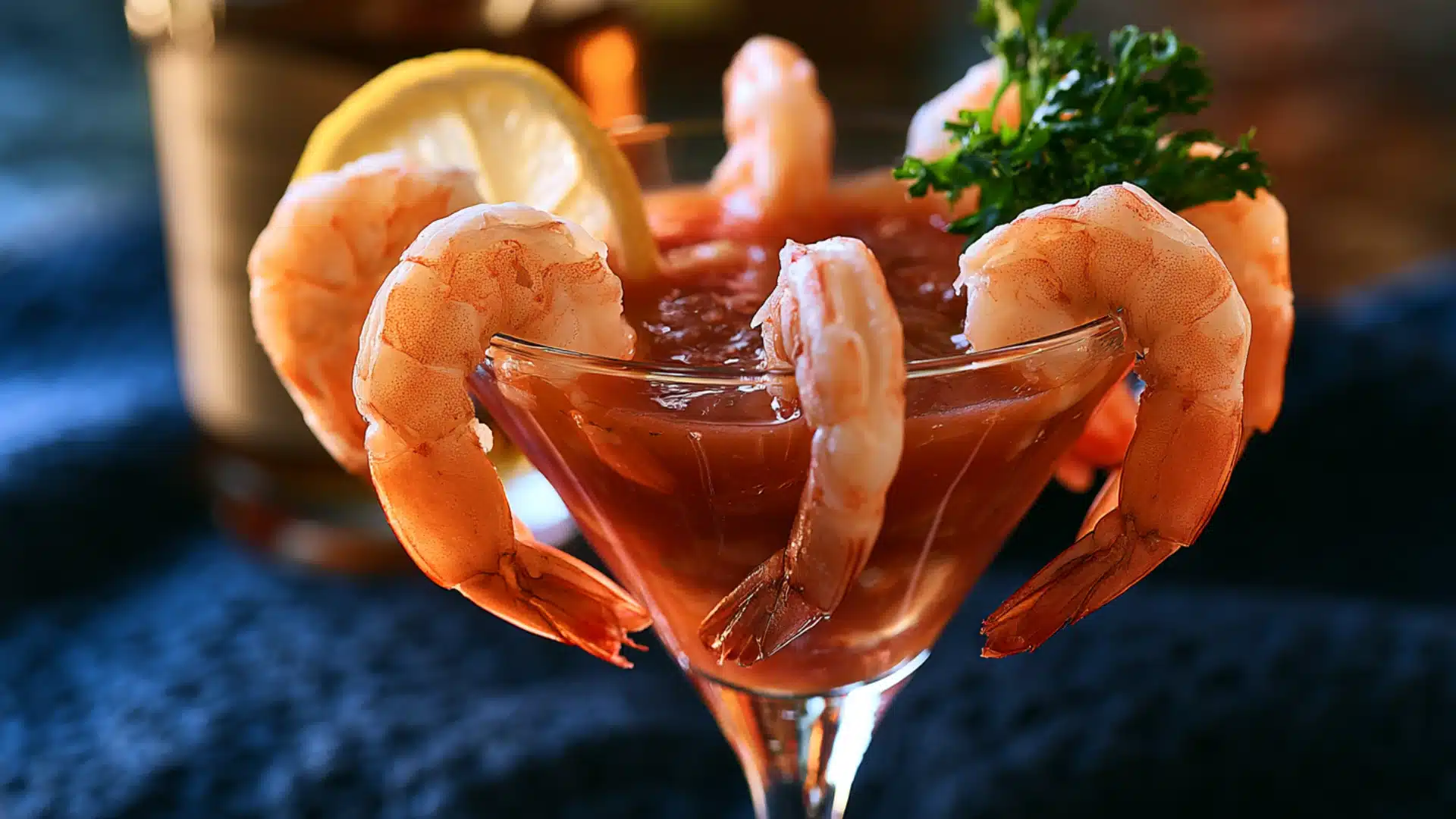
The shrimp are your visual timer here. The moment they curl into a C-shape and turn fully pink, pull the pot off the heat. If they curl tighter into an O-shape, they’re already overcooked and no amount of cream will fix the texture.
Serving Ideas for a Warm and Comforting Bowl
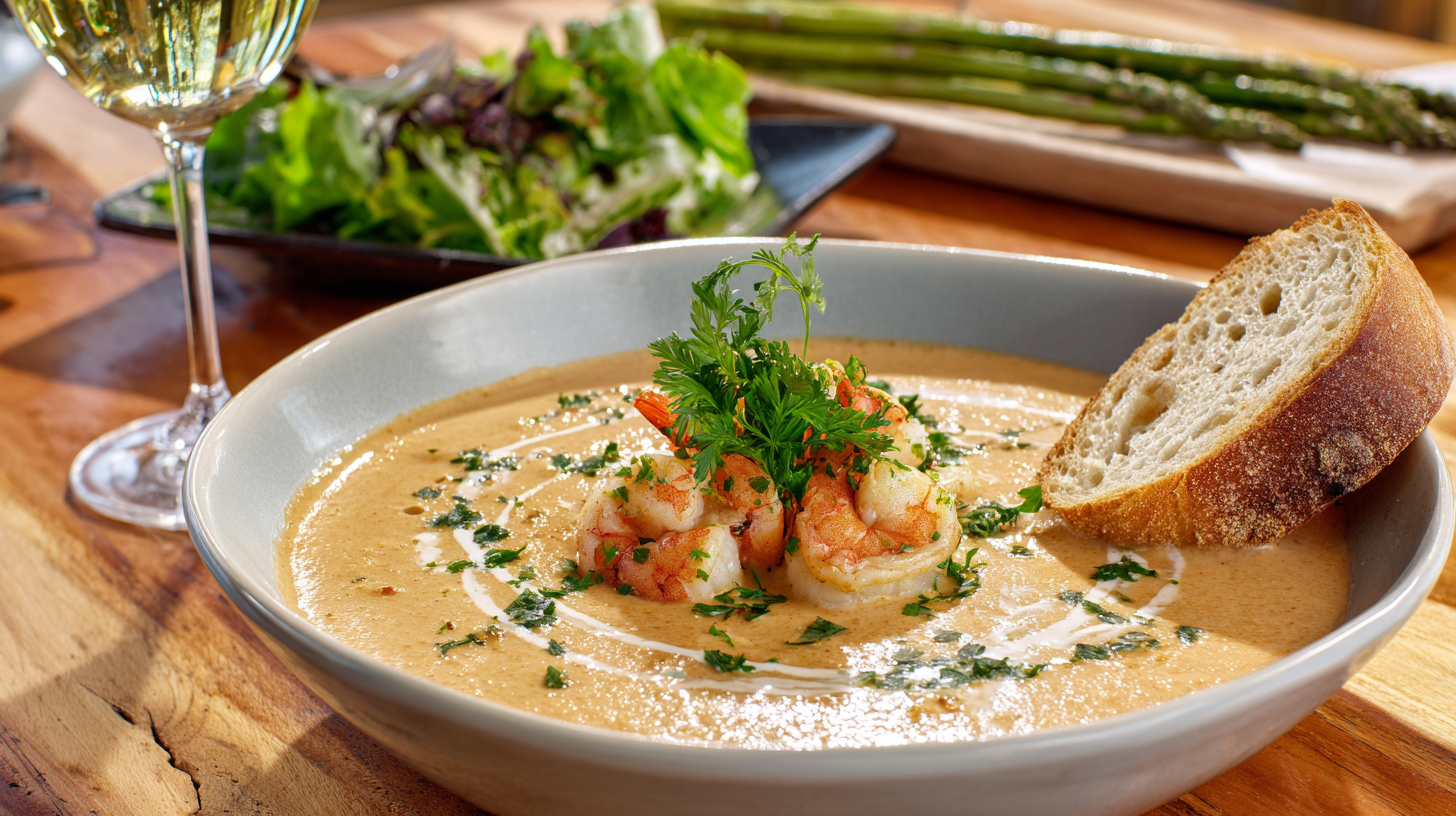
Bisque deserves the right sidekicks. Here’s what actually works.
1. Crusty bread is non-negotiable: A good baguette or sourdough for dunking is the classic pairing. Toast it with butter and garlic if you want.
2. Keep sides simple: This soup is rich, so skip anything heavy. A light green salad with lemon vinaigrette or roasted asparagus works best.
3. Garnish smart: Fresh herbs like parsley, chives, or dill add color and brightness. A drizzle of extra cream makes it look fancy.
4. Serve in the right bowls: Use shallow, wide bowls instead of deep ones. It cools faster and looks better.
5. Add texture on top: Extra crab meat, a whole shrimp, or crispy croutons all work. Just don’t go overboard.
6. Temperature matters: Serve it hot but not scalding. You want to taste the flavors, not burn your tongue. Let it sit for a minute after ladling.
Pair it with a crisp white wine like Sauvignon Blanc or Chardonnay. The acidity balances the richness perfectly.
Storage and Reheating Notes
Store in airtight containers in the fridge for up to 2 days: Bisque doesn’t last as long as regular soup because of the cream and seafood.
Don’t freeze it: Cream-based soups separate and get grainy when frozen. The texture won’t be the same.
Reheat gently on the stovetop over low heat: Stir frequently to prevent scorching. Never microwave on high, or the cream will curdle.
Add a splash of broth or cream when reheating: Bisque thickens as it sits. Thin it out to get back that original consistency.
Taste and adjust seasoning after reheating: Flavors dull when cold, so you might need extra salt or pepper.
Only reheat what you’ll eat: Reheating multiple times breaks down the seafood and ruins the texture.
A Quick Wrap-Up Before You Start Cooking
That’s it. You’ve got everything you need to pull off a killer seafood bisque recipe without the stress or the restaurant bill.
The steps are simple, the ingredients are flexible, and the payoff is huge.
So grab your pot, get your seafood ready, and start cooking.
Your kitchen’s about to smell incredible, and that first spoonful? Totally worth it. Now go make it happen.
Frequently Asked Questions (FAQ’s)
Can I Use Frozen Seafood Instead of Fresh?
Yes, frozen works great. Just thaw it completely under cold water and pat dry. The flavor is still good, and most grocery store seafood has been frozen anyway.
How do I Know When My Bisque Is Thick Enough?
Run your finger across the back of a spoon dipped in bisque. If the line stays clear, you’re good. It should coat the spoon without being gloppy.
Can I Make This Dairy-Free?
Coconut cream works, but changes the flavor. Full-fat coconut milk makes it thinner. There’s no perfect dairy-free swap that keeps the same taste.
My Bisque Turned out too Thin. How do I Fix it?
Mix 1 tablespoon of cornstarch with 2 tablespoons of cold water. Stir it in and simmer for a few minutes. It’ll thicken right up.
Can I Add Other Types of Seafood to Bisque?
Yes. Lobster, scallops, or white fish all work. Just adjust cooking times since delicate fish cook faster than shrimp.