

Key Takeaways
- Warm minimalism creates inviting and practical spaces through earthy tones and organic materials.
- Smart home technology maximizes comfort, security, and efficiency with seamless integration.
- Sustainable updates, such as energy-saving appliances and recycled materials, are crucial for modern homes.
- Bold colors and personal design elements help homeowners express their style.
- Flexible layouts support the diverse activities and needs of busy, modern lives.
In the ever-evolving world of interior design, staying up to date with the latest trends ensures your home is both visually appealing and highly functional. As families’ lifestyles shift and technology improves, the spaces we live in are adapting to support comfort, convenience, and personal expression. Whether you are planning a renovation, a new build, or upgrading your current space, understanding the leading trends can make all the difference. For residents interested in new construction in Kirkland, integrating these trends can provide a forward-thinking, valuable result.
Today’s homeowner is not just searching for aesthetics but also durability, energy savings, and opportunities for customization. The modern home is a sanctuary that blends purposeful design with easy everyday living. As these trends become more widespread, they offer inspiration for anyone who wants to create a beautiful, personalized, and efficient environment.
The global drive for sustainability is also influencing material and layout choices, pushing designers to reimagine how homes function. By focusing on multi-use spaces, eco-conscious updates, and smart technology, even established homes can feel contemporary and well-suited for future needs. Highlighting the importance of flexibility, many designs now address the multi-faceted lives of today’s residents, including the need for home offices, fitness areas, and relaxing retreats. Infusing homes with individuality is also a core focus in this era of design. Rather than a one-size-fits-all approach, people are more empowered to showcase their stories, travels, and tastes throughout their interiors. This emphasis on uniqueness enriches both the home’s experience and its overall appeal. These evolving concepts keep modern living as dynamic as the people who shape it.
Warm Minimalism
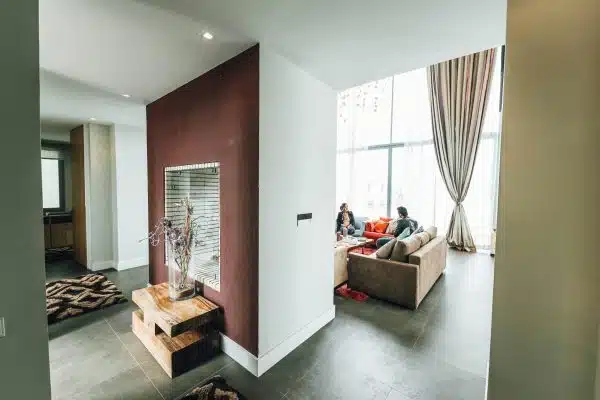
Minimalism remains enduringly popular, but today’s take emphasizes warmth over austerity. Rather than relying on stark whites and severe lines, designers now incorporate layers of creamy whites, taupes, soft terracotta, and sandy beiges. These grounded hues are paired with tactile textures such as linen, nubby wool, raw woods, and unpolished stone for a more inviting effect. This more approachable form of minimalism supports daily living and encourages relaxation while still keeping clutter at bay. Such environments are carefully curated to encourage mindfulness and relaxation, according to Architectural Digest.
Integration of Smart Home Technology
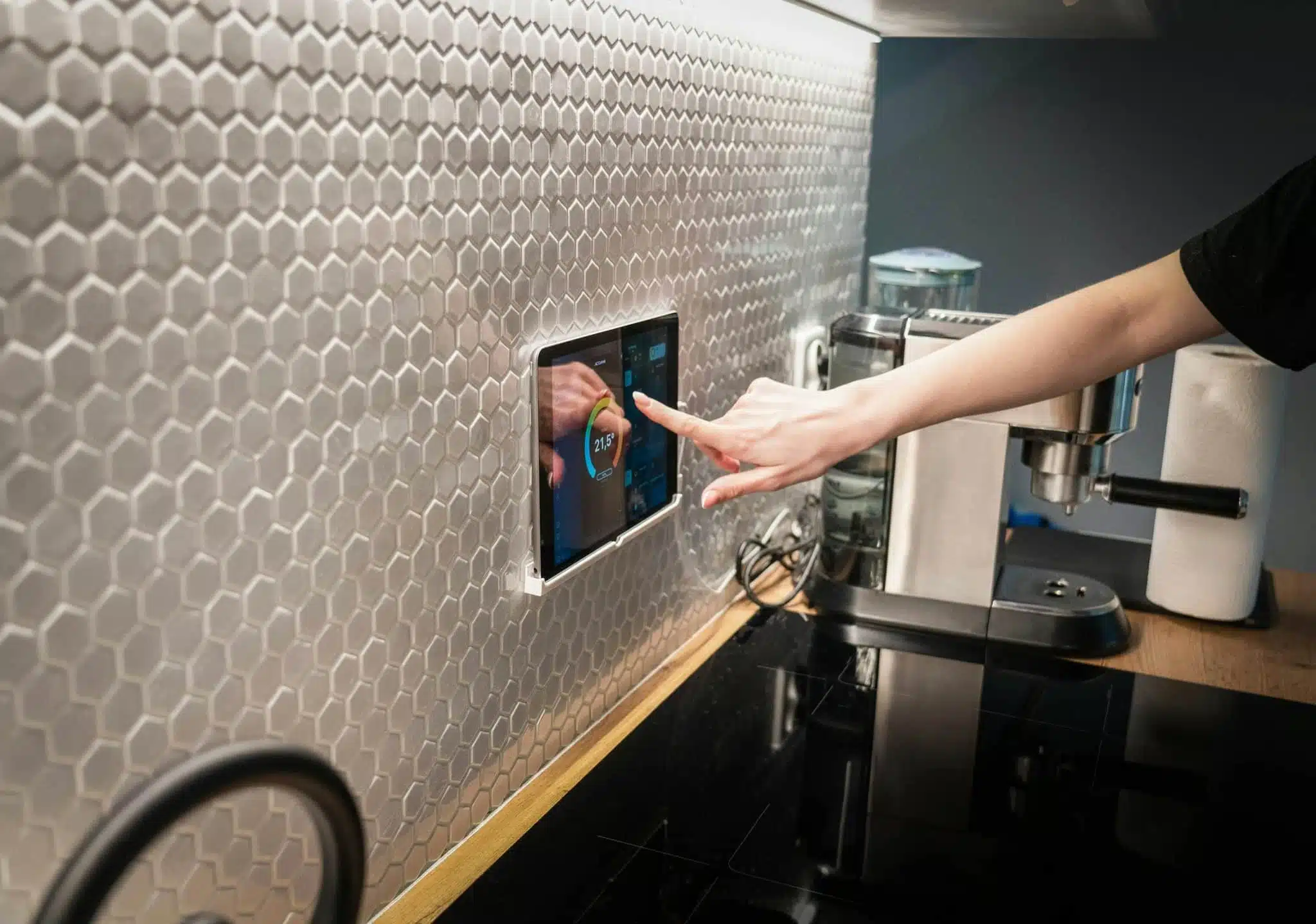
Convenience has become a hallmark of the modern home, enabled in part by rapid advances in smart home technology. Centralized control hubs, voice-activated assistants, remote security features, and connected appliances are woven into everyday routines to streamline life. Climate control, lighting, and entertainment systems can all be adjusted from smartphones or tablets, boosting both usability and efficiency. Aesthetically, many integrated tech features are designed to be discreet, blending seamlessly into modern interiors without detracting from the décor. Integrating technology allows homeowners to enjoy effortless living, efficient energy management, and enhanced security, which is especially relevant as new home builds prioritize “future-proof” amenities.
Sustainable Practices
Environmental responsibility is not just a trend but a lasting shift in how homes are planned and constructed. Modern living rooms, kitchens, and bathrooms increasingly feature eco-friendly updates, like reclaimed wood, recycled tiles, low-VOC paints, and high-efficiency windows. Energy-saving appliances and solar panels are also gaining traction as essential features in new homes. These investments save money over time, reduce a household’s carbon footprint, and improve indoor air quality.
Personalization with Bold Colors
The modern home is becoming an expression of its inhabitants, and bold hues are a key way to achieve this individuality. Deep forest greens, energetic mustards, moody blues, and wine-inspired reds are cropping up as accent walls, statement cabinetry, and dramatic doors. Botanical, geometric, and oversized mural-style wallpapers make artistic statements, while curated furnishings span decades and styles to tell the story of the people who live there. Accessories, artwork, and textiles add color and texture for a layered, collected look. By blending the old with the new and incorporating artisanal touches, homeowners can create spaces that feel both current and deeply personal.
Flexible and Multi-Functional Spaces
As remote and hybrid work has become the norm and families spend more time at home, living spaces are expected to serve several purposes. Multi-functional rooms are now prioritized in both new construction and renovations. Basements are becoming gyms, lofts are transforming into guest rooms or offices, and dining areas are being designed with hidden study nooks. Adaptable furniture, like wall beds, expandable tables, and built-in storage, helps maximize each square foot while keeping things tidy. These strategies are crucial for smaller homes or urban dwellings but are also appreciated in larger properties where efficient living remains a priority. As life continues to change, these flexible spaces help ensure homes remain relevant and useful for years to come.
Conclusion
Adopting these contemporary home design trends allows homeowners to craft surroundings that are as practical as they are stylish. From warm minimalism and integrated technology to sustainability, expressive colors, and versatile layouts, today’s leading ideas reflect evolving lifestyles and diverse needs. Staying informed about design innovations empowers homeowners to create spaces that feel welcoming, unique, and future-ready.