

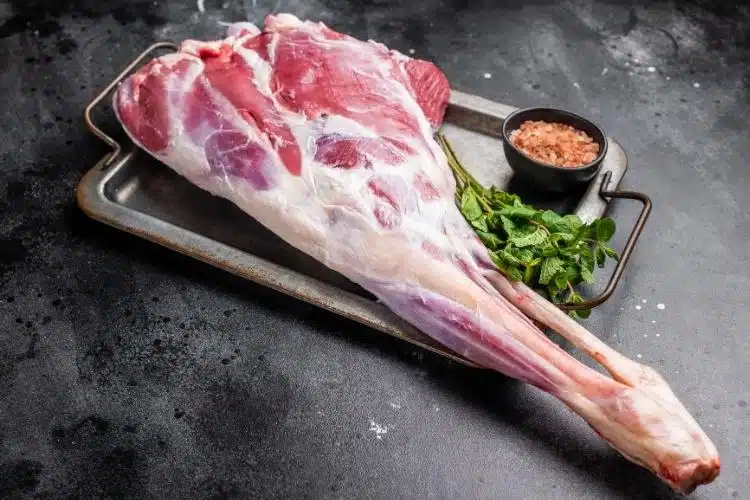
The demand for high-quality, ethically sourced meat continues to rise across the UK, with grass-fed organic lamb emerging as a standout choice for discerning consumers. People are now looking beyond price, focusing instead on farming methods, animal welfare, and the resulting flavour on the plate.
However, with several reputable suppliers offering grass-fed organic lamb, choosing the right one can be challenging. From small-scale farms to established online butchers, each brand brings its own strengths in sourcing, sustainability, and product range. This guide highlights key factors to consider and brands leading UK suppliers to help you make an informed decision.
What Defines High-Quality Grass-Fed Organic Lamb?
Not all “organic” labels guarantee the same level of quality or care. First, certification matters. Organic lamb in the UK must meet strict standards governing feed, land management, and animal welfare. These rules prohibit synthetic pesticides and fertilisers while requiring animals to have access to pasture and natural diets.
Second, grass-fed systems are essential for both flavour and sustainability. Lamb raised primarily on grass develops a richer, more complex taste compared to grain-fed alternatives. It also supports soil health and biodiversity, making it a more environmentally responsible choice.
Third, growth rate plays a significant role. Slow-grown lamb, raised in natural conditions without intensive farming methods, tends to have better texture and deeper flavour. This approach contrasts with faster, commercial systems focused on yield rather than quality.
Finally, full traceability is very important. Buyers want to know where their meat comes from, how it was raised, and who produced it. Suppliers that provide clear farm-to-table transparency often stand out in this category.
Organic Lamb Is a Premium Niche in the UK
Despite growing interest, organic lamb remains a relatively small part of the UK’s overall livestock sector. According to the Department for Environment, Food & Rural Affairs (Defra), only 2.1% of the UK’s sheep population was organically reared in 2024. This highlights just how specialised the market is.
The Agriculture and Horticulture Development Board (AHDB) also notes that organic livestock production remains a niche sector. Limited supply, higher production costs, and stricter standards all contribute to its premium positioning.
At the same time, demand continues to grow. Global market data from Persistence Market Research shows increasing interest driven by health-conscious consumers, sustainability concerns, and animal welfare awareness. This trend is particularly strong across Europe, where ethical food sourcing plays a major role in purchasing decisions.
Leading Suppliers of Grass-Fed Organic Lamb in the UK
1. Organic Butchery: Organic Lamb Range
The organicbutchery.co.uk collection offers a carefully curated selection of grass-fed organic lamb sourced from trusted West Country farms, with a strong emphasis on slow-grown, pasture-raised methods.
Key Features:
- Certified organic lamb raised on managed West Country pastures
- Full nose-to-tail offering, including joints, chops, mince, and bone broth
- Award-winning quality recognised by Great Taste and Taste of the West
- Expertly prepared by skilled butchers with traditional techniques
Best For:
Premium-conscious shoppers, home cooks, and chefs seeking consistent quality and full traceability
Standout Quality:
What sets Organic Butchery apart is its commitment to slow-grown lamb raised in natural conditions on Dartmoor and surrounding pastures. This approach prioritises flavour, animal welfare, and sustainability, resulting in meat with a richer texture and more authentic taste than many faster-grown alternatives.
#2. Eversfield Organic
Eversfield Organic is a well-known Devon-based farm brand offering a wide range of grass-fed organic lamb products through a direct-to-consumer model.
Key Features:
- 100% grass-fed and certified organic lamb
- Extensive range including boxes, joints, and prepared products
- Strong focus on soil health and regenerative farming
- Subscription options and nationwide delivery
Best For:
Shoppers looking for convenience and variety from a single farm brand
Eversfield stands out for its broad product selection and strong storytelling around sustainability. Its subscription model and flexible ordering options make it a practical choice for regular buyers.
3. Graig Farm Organics
Based in mid-Wales, Graig Farm Organics specialises in Welsh organic lamb, with a focus on traditional farming methods and heritage breeds.
Key Features:
- Welsh mountain lamb raised outdoors year-round
- Whole and half lamb boxes alongside individual cuts
- Award-winning products recognised in regional food awards
- Farm-to-door delivery model
Best For:
Buyers seeking traditional Welsh lamb with a strong regional identity
Graig Farm’s strength lies in its heritage approach and emphasis on local breeds. Its offerings appeal to those who value authenticity and regional provenance.
4. Rhug Estate
Rhug Estate combines organic farming with conservation and biodiversity initiatives, producing premium Welsh lamb as part of a wider estate operation.
Key Features:
- Certified organic lamb from conservation grazing systems
- Strong emphasis on biodiversity and ecosystem management
- Supplies both retail customers and high-end hospitality
- Offers curated meat boxes and roasting joints
Best For:
Ethically minded buyers interested in environmental impact and estate farming
Rhug Estate’s integrated farming model makes it unique. Its focus on conservation and regenerative practices adds depth to its premium positioning.
5. Primal Meats
Primal Meats operates as a sourcing hub, bringing together products from multiple small-scale farms across the UK.
Key Features:
- 100% grass-fed lamb sourced from independent farms
- Wide selection of cuts, including mutton and offal
- Transparent sourcing and farm traceability
- Nationwide delivery through an online platform
Best For:
Consumers who want access to multiple farm sources in one place
Primal Meats offers flexibility and variety, though its multi-supplier model means it lacks the single-origin consistency of farm-based brands.
6. Helen Browning’s Organic
A widely recognised name in UK organic farming, Helen Browning’s Organic supplies lamb both directly and through major retailers like Waitrose.
Key Features:
- Large-scale organic farming operation in Wiltshire
- Widely available through retail and farm channels
- Strong reputation for animal welfare and regenerative practices
- Offers standard cuts such as joints, chops, and mince
Best For:
Shoppers looking for accessible organic lamb in supermarkets
Its strength lies in accessibility and brand recognition. However, its scale may mean it doesn’t offer the same artisanal feel as smaller producers.
How We Evaluated These Suppliers
To create this comparison, farming practices were a primary focus, particularly whether the lamb was genuinely grass-fed and slow-grown. Certification and transparency also played a major role, as these indicate adherence to strict organic standards.
Product range was another important criterion. Suppliers offering a full nose-to-tail selection provide greater flexibility for different cooking styles. Finally, consistency and reputation were assessed, including awards, customer trust, and industry recognition.
Conclusion
Choosing the best grass-fed organic lamb in the UK comes down to more than just certification. Farming methods, animal welfare, and flavour contribute to the final product, and the differences between suppliers can be significant.
While several brands offer strong options, the top choice ultimately depends on how well a supplier balances ethical sourcing with consistent quality. Understanding what goes into organic lamb production can help you make decisions that align with their values and expectations in the kitchen.
References
- Department for Environment, Food & Rural Affairs. (2025, May 7). Organic farming statistics 2024: United Kingdom (Table 4: Detailed organic livestock numbers in the UK, 2024). GOV.UK.
- Agriculture and Horticulture Development Board. (2021, June 29). Organic pig and sheep numbers fall. AHDB.
- Persistence Market Research. (2026). Organic lamb market size, trends & forecast to 2033. Persistence Market Research.