

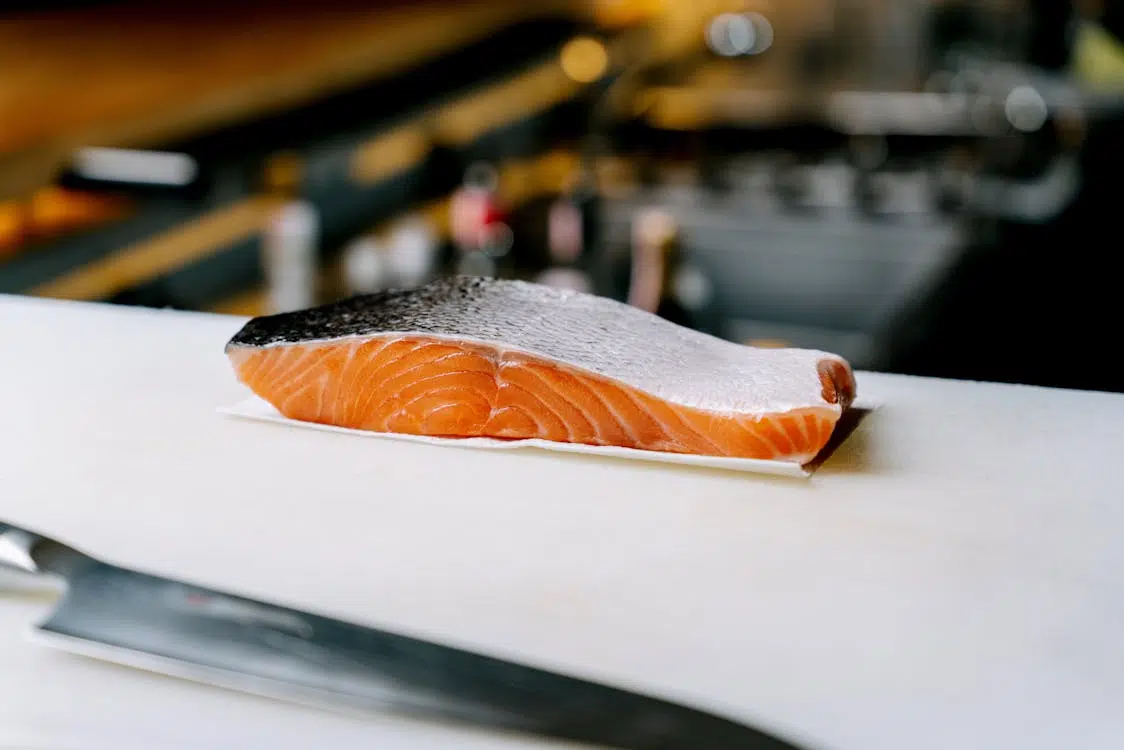
Even small cooking mistakes can translate to rubbery or dry seafood dishes. Poor temperature control and uneven cooking are among the problems that can turn premium filets into unpalatable meals. You’ll need to establish specific burner zones in your cooking setup to ensure you’re able to execute everything from poaching to searing seafood.
Make sure your scallops, salmon, and shrimp are cooked to perfection. Keep reading to find a guide for setting burner zones for seafood service.
Designate Four Different Heat Zones
Divvy up your cookspace into four zones for searing, simmering, poaching, and holding. Searing will require the highest heat levels, while the holding zone will simply keep the fish warm. Taking this approach can promote proper temperature control during the entire cooking process.
The best kitchen ranges for commercial kitchens will support a four-zone approach. When you’re working in a high-volume kitchen, you’ll want a range that can fit your space and support your needs. Look for a range with the right burner outputs, plus griddle options and sturdy ovens that will stand up to restaurant demands.
Create a Sear Zone
Searing seafood is what adds a distinctive flavor to it. Add a crispy brown edge to scallops or tuna filets in this high-heat zone. You’ll want up to 30,000 BTUs for your burners, and they should be able to heat up quickly.
Once a fish has been seasoned at a prep station, it can go straight to searing for ultimate flavor. When it comes to kitchen supplies, look for stainless steel or cast iron skillets as strong options that can create uniform crusts on fish. Don’t put too many pieces of fish in a skillet at once, however, or you could end up with soggy, steamed fish.
Dedicate an Area for Simmering
Use your simmer zone to prep sauces, soups, and chowders. Simmering requires less heat, so a burner up to 15,000 BTUs is best. After all, you don’t want overcooked, tough fish.
Saucepans and stockpots are ideal pieces of equipment for simmer stations. Stainless steel and copper are ideal materials when you’re trying to maintain a steady simmer that doesn’t become a boil. Keep your simmer zone consistent so it’s a reliable place to do anything from cook firm fish to prep a butter reduction.
Add a Poaching Station
When you want moist and tender fish, poaching is the answer. Use poaching to prep shrimp, cod, halibut, and even lobster tails. And make sure your burners max out at around 8,000 BTUs.
For poaching, stick with wide, shallow pans. You can find success with sauté pans that have high walls. Poaching can be sensitive to temperature changes, so keep your station on the perimeter of your burner setup.
Create a Holding Zone
In restaurant kitchens, several different elements must come together to create the finished plate. When you’re waiting for vegetables or starches to reach completion, keep seafood warm in a holding station. This station will help keep an appropriate temperature and preserve moisture.
Use warming drawers or stainless steel hotel pans. These options distribute warmth evenly, and they won’t warp. Just be sure you’re not keeping seafood in a holding zone for more than a few minutes, as you don’t want to compromise the seafood’s texture.
Offer the Best Seafood Service
Seafood can be delicious when cooked well, but it’s also among the more delicate proteins to prepare in a restaurant. You’ll need to establish clear cooking zones to ensure you’re treating your shellfish, salmon, or lobster with care. Keep your sear zone near your prep station, but distance your poaching station from other burner zones.
Dedicate a space for simmering, and make sure you have a holding zone to keep freshly cooked fish at a safe temperature. With a smart approach, you can set up a kitchen space that results in delicious seafood meals.