

Skip to content
Know Sea Food Logo
  • Cooking techniques
  • Kitchen & Home Essentials
  • Seafood Recipes
    • Healthy Seafood
    • Seafood Varieties
  • more
    • Seafood Storage
    • Garden to Table
    • Nutrition & Wellness
  • Cooking techniques
  • Kitchen & Home Essentials
  • Seafood Recipes
    • Healthy Seafood
    • Seafood Varieties
  • more
    • Seafood Storage
    • Garden to Table
    • Nutrition & Wellness
Search
Know Sea Food Logo
  • Cooking Techniques
  • Healthy Seafood Options
  • Seafood Recipe Ideas
  • Seafood Shelf Life & Storage
  • Seafood Types
  • Nutrition & Wellness
  • Kitchen & Home Essentials
  • Garden to Table
  • Cooking Techniques
  • Healthy Seafood Options
  • Seafood Recipe Ideas
  • Seafood Shelf Life & Storage
  • Seafood Types
  • Nutrition & Wellness
  • Kitchen & Home Essentials
  • Garden to Table
Explore All

How to Set Burner Zones for Seafood Service

Line 12
  • Callum Blackwood
  • Healthy Seafood Options

Published On: May 11, 2026

How to Set Burner Zones for Seafood Service

Table of Contents

Even small cooking mistakes can translate to rubbery or dry seafood dishes. Poor temperature control and uneven cooking are among the problems that can turn premium filets into unpalatable meals. You’ll need to establish specific burner zones in your cooking setup to ensure you’re able to execute everything from poaching to searing seafood.

Make sure your scallops, salmon, and shrimp are cooked to perfection. Keep reading to find a guide for setting burner zones for seafood service.

Designate Four Different Heat Zones

Divvy up your cookspace into four zones for searing, simmering, poaching, and holding. Searing will require the highest heat levels, while the holding zone will simply keep the fish warm. Taking this approach can promote proper temperature control during the entire cooking process.

The best kitchen ranges for commercial kitchens will support a four-zone approach. When you’re working in a high-volume kitchen, you’ll want a range that can fit your space and support your needs. Look for a range with the right burner outputs, plus griddle options and sturdy ovens that will stand up to restaurant demands.

Create a Sear Zone

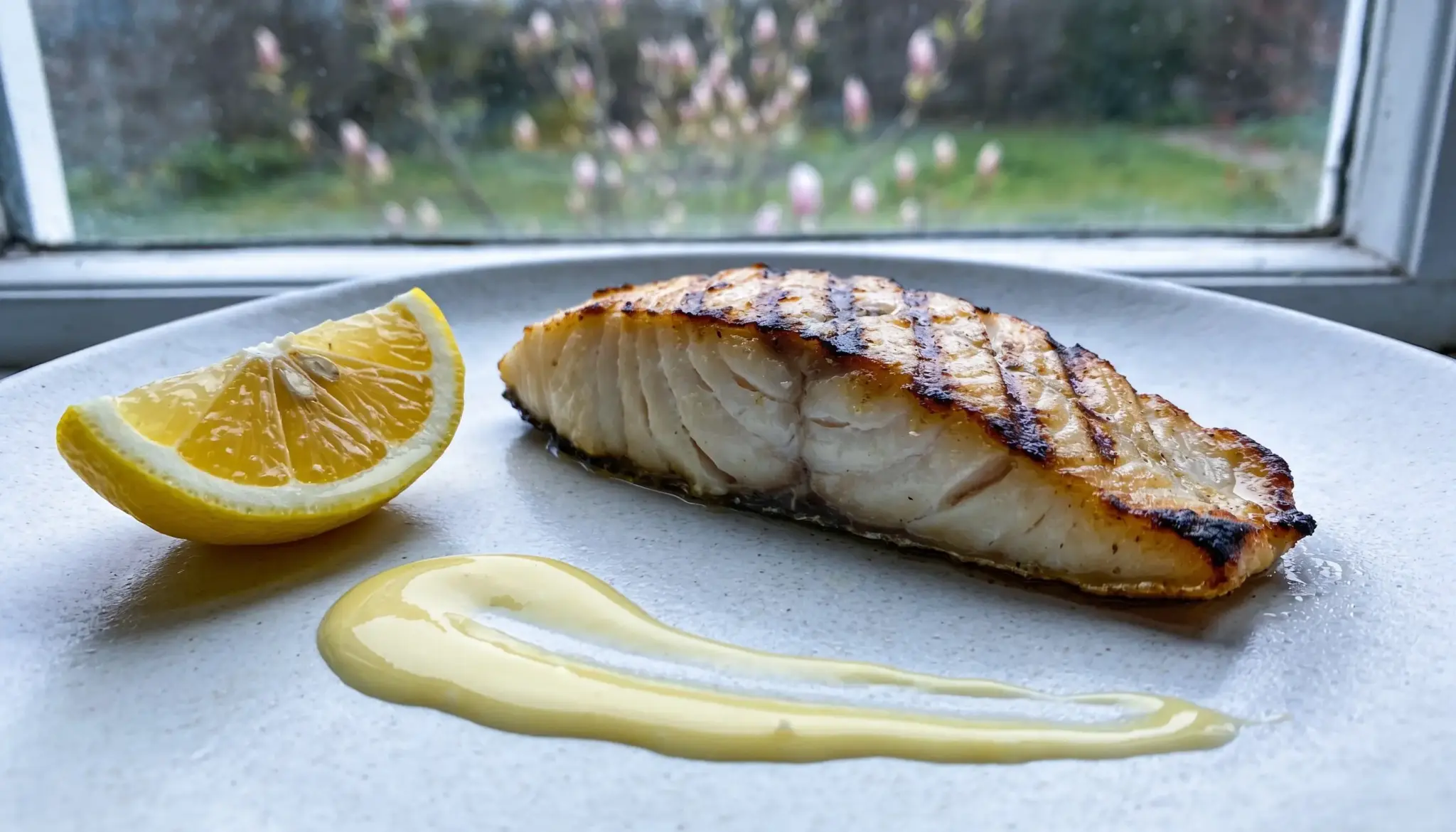
Searing seafood is what adds a distinctive flavor to it. Add a crispy brown edge to scallops or tuna filets in this high-heat zone. You’ll want up to 30,000 BTUs for your burners, and they should be able to heat up quickly.

Once a fish has been seasoned at a prep station, it can go straight to searing for ultimate flavor. When it comes to kitchen supplies, look for stainless steel or cast iron skillets as strong options that can create uniform crusts on fish. Don’t put too many pieces of fish in a skillet at once, however, or you could end up with soggy, steamed fish.

Dedicate an Area for Simmering

Use your simmer zone to prep sauces, soups, and chowders. Simmering requires less heat, so a burner up to 15,000 BTUs is best. After all, you don’t want overcooked, tough fish.

Saucepans and stockpots are ideal pieces of equipment for simmer stations. Stainless steel and copper are ideal materials when you’re trying to maintain a steady simmer that doesn’t become a boil. Keep your simmer zone consistent so it’s a reliable place to do anything from cook firm fish to prep a butter reduction.

Add a Poaching Station

When you want moist and tender fish, poaching is the answer. Use poaching to prep shrimp, cod, halibut, and even lobster tails. And make sure your burners max out at around 8,000 BTUs.

For poaching, stick with wide, shallow pans. You can find success with sauté pans that have high walls. Poaching can be sensitive to temperature changes, so keep your station on the perimeter of your burner setup.

Create a Holding Zone

In restaurant kitchens, several different elements must come together to create the finished plate. When you’re waiting for vegetables or starches to reach completion, keep seafood warm in a holding station. This station will help keep an appropriate temperature and preserve moisture.

Use warming drawers or stainless steel hotel pans. These options distribute warmth evenly, and they won’t warp. Just be sure you’re not keeping seafood in a holding zone for more than a few minutes, as you don’t want to compromise the seafood’s texture.

Offer the Best Seafood Service

Seafood can be delicious when cooked well, but it’s also among the more delicate proteins to prepare in a restaurant. You’ll need to establish clear cooking zones to ensure you’re treating your shellfish, salmon, or lobster with care. Keep your sear zone near your prep station, but distance your poaching station from other burner zones.

Dedicate a space for simmering, and make sure you have a holding zone to keep freshly cooked fish at a safe temperature. With a smart approach, you can set up a kitchen space that results in delicious seafood meals.
Picture of Callum Blackwood

Callum Blackwood

With a background in marine biology, Callum Blackwood explores the world of seafood through a scientific lens. His five years as a fisheries researcher inform his engaging articles about different fish and shellfish. Callum joined the team in 2022 to help readers discover new favorites. Outside writing, he volunteers at aquariums and enjoys snorkeling adventures.
Read More About Me
Picture of Callum Blackwood

Callum Blackwood

With a background in marine biology, Callum Blackwood explores the world of seafood through a scientific lens. His five years as a fisheries researcher inform his engaging articles about different fish and shellfish. Callum joined the team in 2022 to help readers discover new favorites. Outside writing, he volunteers at aquariums and enjoys snorkeling adventures.
Read More About Me

We’ll not show your email address publicly.

Join the discussion Cancel reply

Your email address will not be published. Required fields are marked *

Picture of Callum Blackwood

Callum Blackwood

With a background in marine biology, Callum Blackwood explores the world of seafood through a scientific lens. His five years as a fisheries researcher inform his engaging articles about different fish and shellfish. Callum joined the team in 2022 to help readers discover new favorites. Outside writing, he volunteers at aquariums and enjoys snorkeling adventures.
Read more about me

Table of Contents

Related Posts

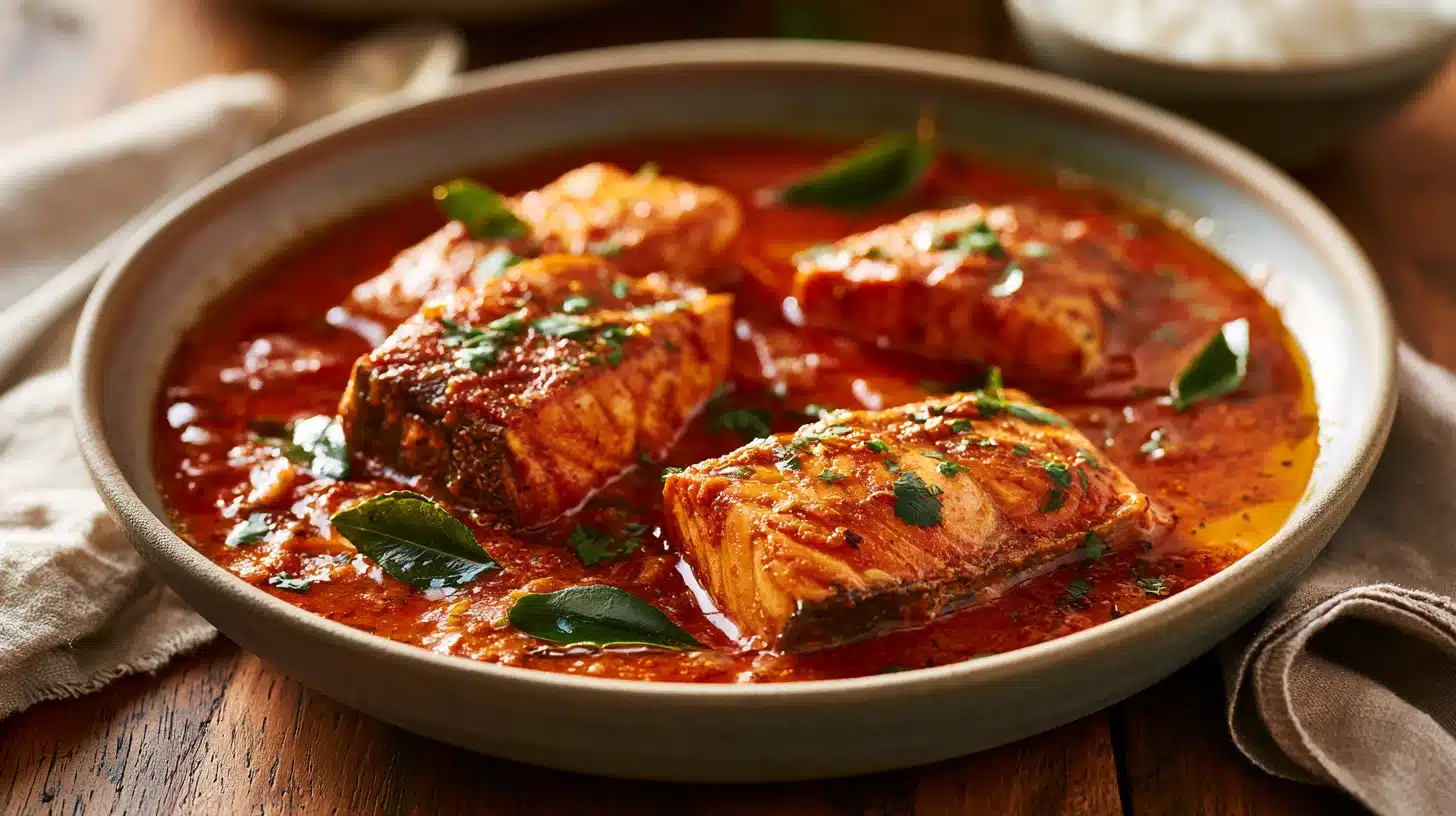
A bowl of salmon curry , showcasing a vibrant and appetizing meal.
  • August 13, 2026

Make Salmon Curry Recipe Variations from Different Traditions

Full post : Make Salmon Curry Recipe Variations from Different Traditions
A whole, fresh king fish with dark gray stripes against a white background.
  • August 5, 2026

Wahoo Fish’s Bilogy, Habitat, Characteristics and More

Full post : Wahoo Fish’s Bilogy, Habitat, Characteristics and More
mahi-mahi-lemon- feature-image
  • July 15, 2026

Is Mahi Mahi Healthy or Just Hype?

Full post : Is Mahi Mahi Healthy or Just Hype?
  • June 11, 2026

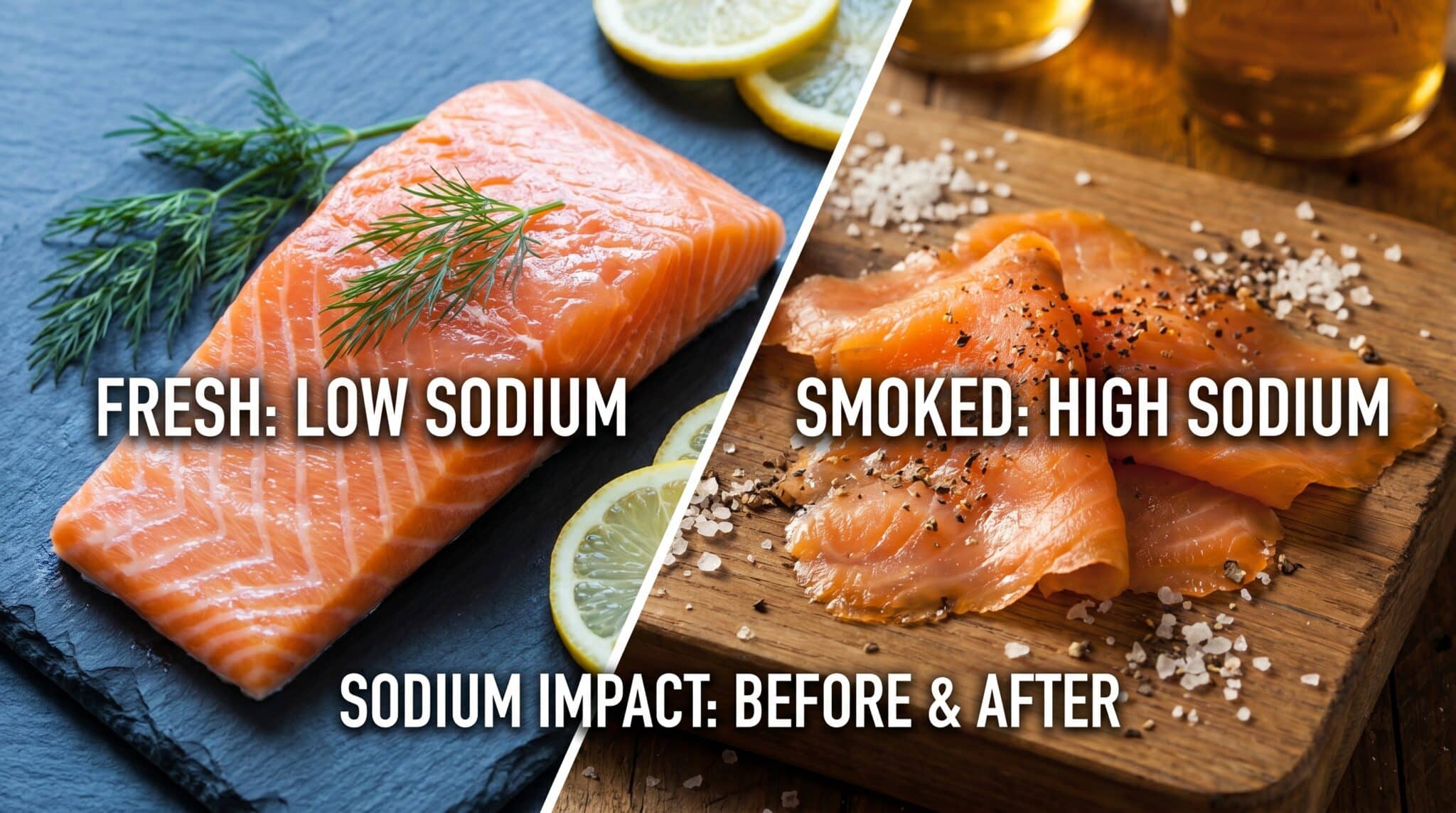
Sodium In Cured Fish: Why It’s High And How To Cut It

Full post : Sodium In Cured Fish: Why It’s High And How To Cut It

As seen on

buzzfeed_706c6d
cosmopolitan_706c6d
elpais_706c6d
guardian_main_706c6d
newyorktimes_706c6d
KnowSeaFood Logo Footer
Facebook Instagram Pinterest

Quick Links

  • Cooking Techniques
  • Healthy Seafood Options
  • Seafood Recipe Ideas
  • Seafood Shelf Life & Storage
  • Seafood Types
  • Nutrition & Wellness
  • Kitchen & Home Essentials
  • Garden to Table
  • Cooking Techniques
  • Healthy Seafood Options
  • Seafood Recipe Ideas
  • Seafood Shelf Life & Storage
  • Seafood Types
  • Nutrition & Wellness
  • Kitchen & Home Essentials
  • Garden to Table

Explore

  • About us
  • Blogs
  • Contact us
  • Privacy Policy
  • About us
  • Blogs
  • Contact us
  • Privacy Policy
Facebook Twitter Youtube

©2020-2026 Knowseafood. All rights reserved.

Let’s help you find your next favourite