

Cured Fish Packs Way More Sodium Than You Think (Yes, Even the “Fancy” Stuff)
Let me start with a confession: I love cured fish. Lox on a bagel? Absolutely. Smoked salmon on a cracker with a little dill situation? Don’t mind if I do. Pickled herring that tastes like your grandma’s fridge and a Scandinavian deli had a baby? Weirdly… also yes.
But cured fish has a little secret: it can be a sodium bomb in a very cute outfit.
And if you’re watching your blood pressure (or you just don’t want half your daily sodium budget to disappear into three ounces of fish), it helps to know what you’re dealing with without having to give up the foods you actually enjoy.
First: What’s the sodium “limit,” anyway?
The American Heart Association says:
- 2,300 mg/day max for most adults
- 1,500 mg/day is the “ideal” target for a lot of people
For perspective, one teaspoon of table salt = about 2,300 mg of sodium. Which is… rude, honestly.
Why it matters: sodium pulls water into your bloodstream, which can crank up blood volume and make your heart work harder over time. And yes, most sodium comes from processed foods not just the obvious stuff like chips and fast food. Cured fish is one of those sneaky “but it’s seafood!” items that can slide under the radar.
Fresh fish vs. cured fish: it’s not even a fair fight
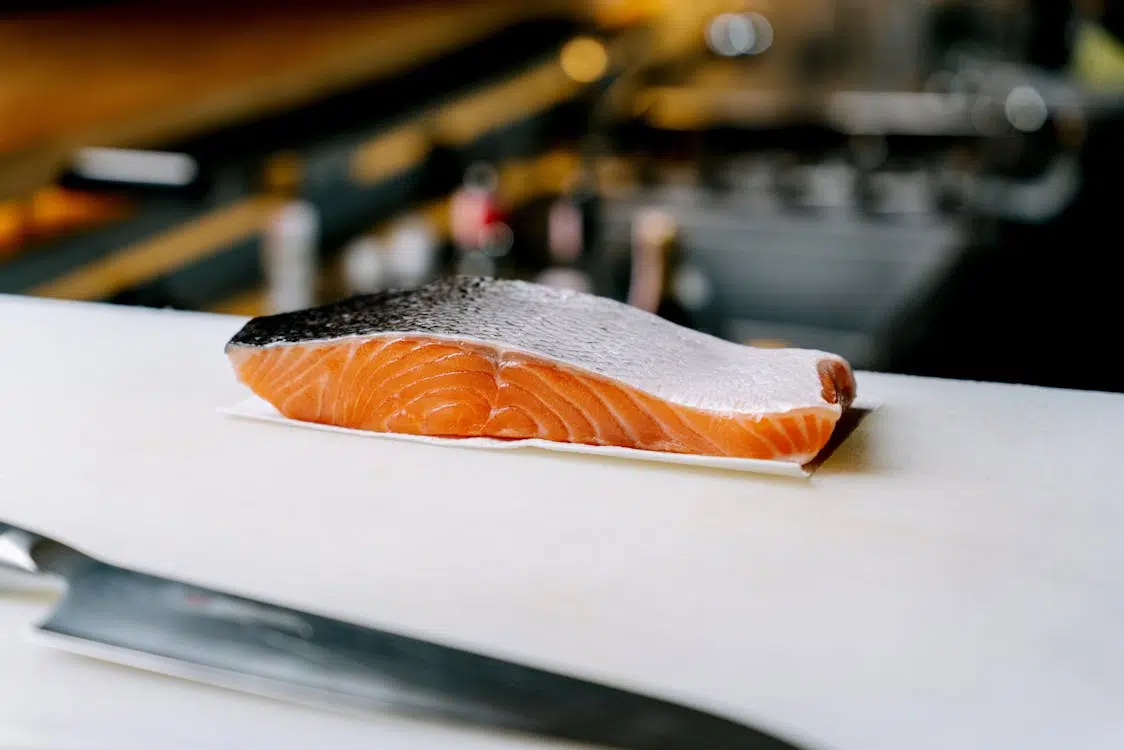
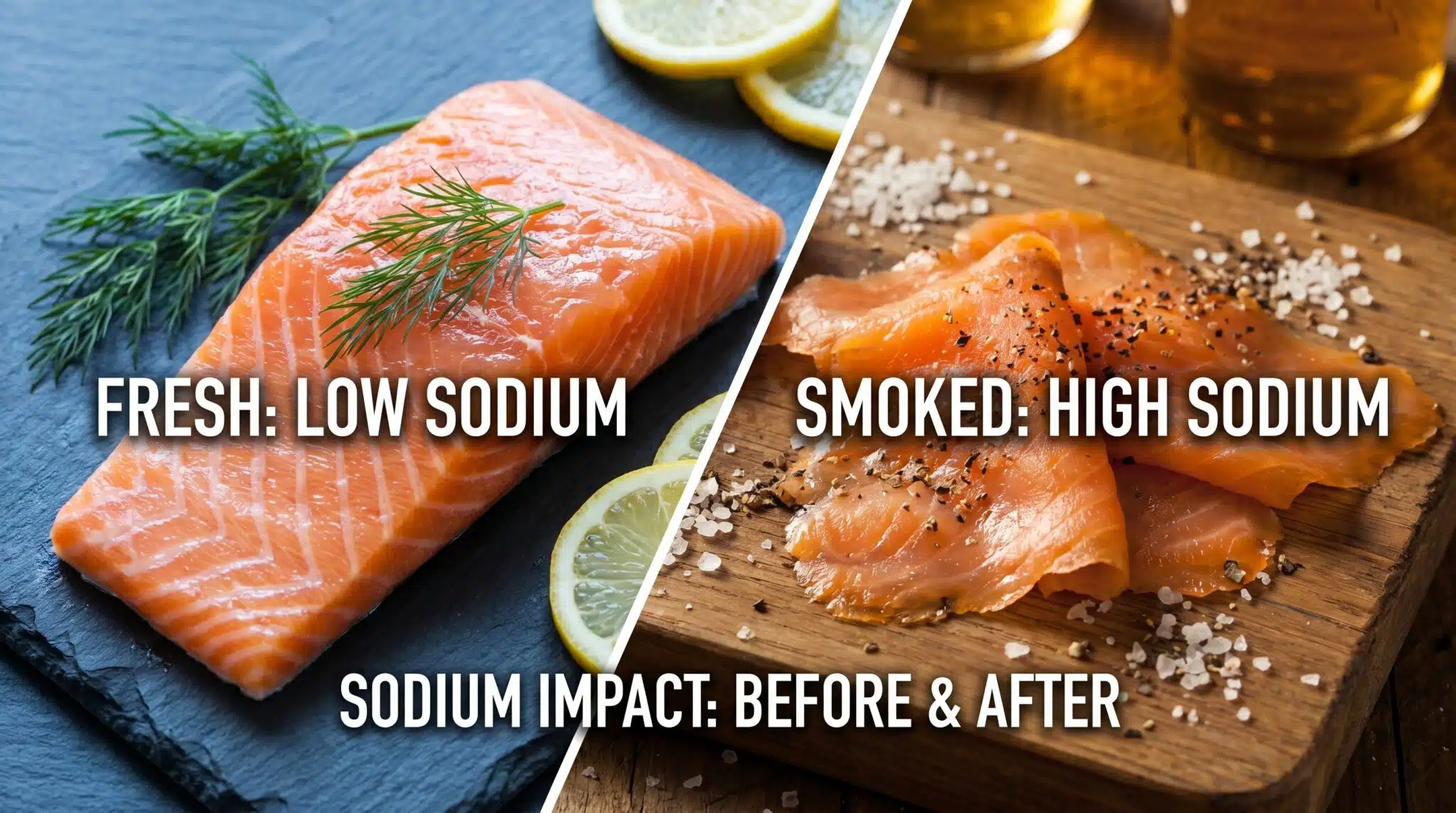
Fresh fish is naturally pretty low in sodium. A typical 3 ounce serving of fresh fish like salmon for a healthy fat profile, cod, tilapia, etc. is often around 50-85 mg. Basically a sodium whisper.
Cured/processed? Whole different personality.
Here are ballpark numbers for about 3 ounces:
- Fresh wild salmon: ~50 mg
- Canned tuna (drained): ~255 mg
- Smoked salmon: ~573 mg
- Smoked haddock: ~651 mg
- Pickled herring: ~741 mg
- Brine frozen crab legs: ~800-1,000 mg (yes, for one serving)
Brine frozen crab legs are the one that always gets me. They show up looking all festive and innocent, and meanwhile they’re carrying 35-43% of your 2,300 mg daily limit like it’s their job.
(And listen, I’m not here to ruin crab night. I’m here so you can eat the crab and not accidentally turn the rest of your day into a low sodium emergency.)
Why cured fish is so salty (aka: salt is doing a whole job)
In cured fish, salt isn’t just there for flavor. It’s basically the bouncer, the security system, and the preservation plan.
Here’s what’s going on:
- Smoking: Salt helps pull moisture out of the fish. Less water = the sodium becomes more concentrated. So you end up with a denser, saltier bite.
- Pickling: Fish sits in a salty brine and absorbs sodium over time. It’s like a sponge with good PR.
- Brine freezing (hello, crab legs): Seafood is soaked in salty water before freezing, and that sodium can really add up.
One extra thing that’s easy to miss: where it’s processed can matter a lot. The same kind of processed fish can vary wildly depending on processing practices. One data point I found especially eye opening: processed fish averaged 1,050 mg per 100g when processed in China vs. 432 mg in the UK a 2.4x difference. So yeah… it’s worth flipping the package over and looking at more than just the front label trying to charm you.
How to keep eating cured fish without nuking your sodium budget
You don’t have to break up with smoked salmon when you know smoked salmon safety basics. You just need a better system.
Here are my favorite realistic moves (meaning: you’ll actually do them):
1) Rinse canned fish (it’s not weird, it’s smart)
If you drain and rinse canned tuna or salmon under running water for about 30 seconds, you can cut sodium by 30-40%. That’s a legit difference for something that takes less time than finding your keys.
2) Buy “no salt added” when it exists
Not every brand makes it, but plenty do. Compare labels like you’re judging a reality show: same product, wildly different choices.
3) Give smoked fish a quick soak
If you’re sensitive to salt (or you’re using smoked salmon in a recipe where it doesn’t need to be the saltiest thing on earth), soak it in cold water for about 30 minutes. Change the water halfway through. It won’t turn it into fresh fish, but it can take the edge off.
4) Avoid brine frozen shellfish when you can
Look for dry packed or dry frozen shrimp/crab instead of brine frozen. This is one of those swaps that can save you a ton of sodium without changing your life.
5) Use the “less fish, more everything else” trick
Love lox? Keep it just use a smaller amount and pile on the low sodium stuff: cucumber, tomato, onion, fresh herbs, lemon, even plain yogurt instead of salty spreads. You still get the flavor, just not the full sodium invoice.
6) When in doubt, go fresh and season it yourself
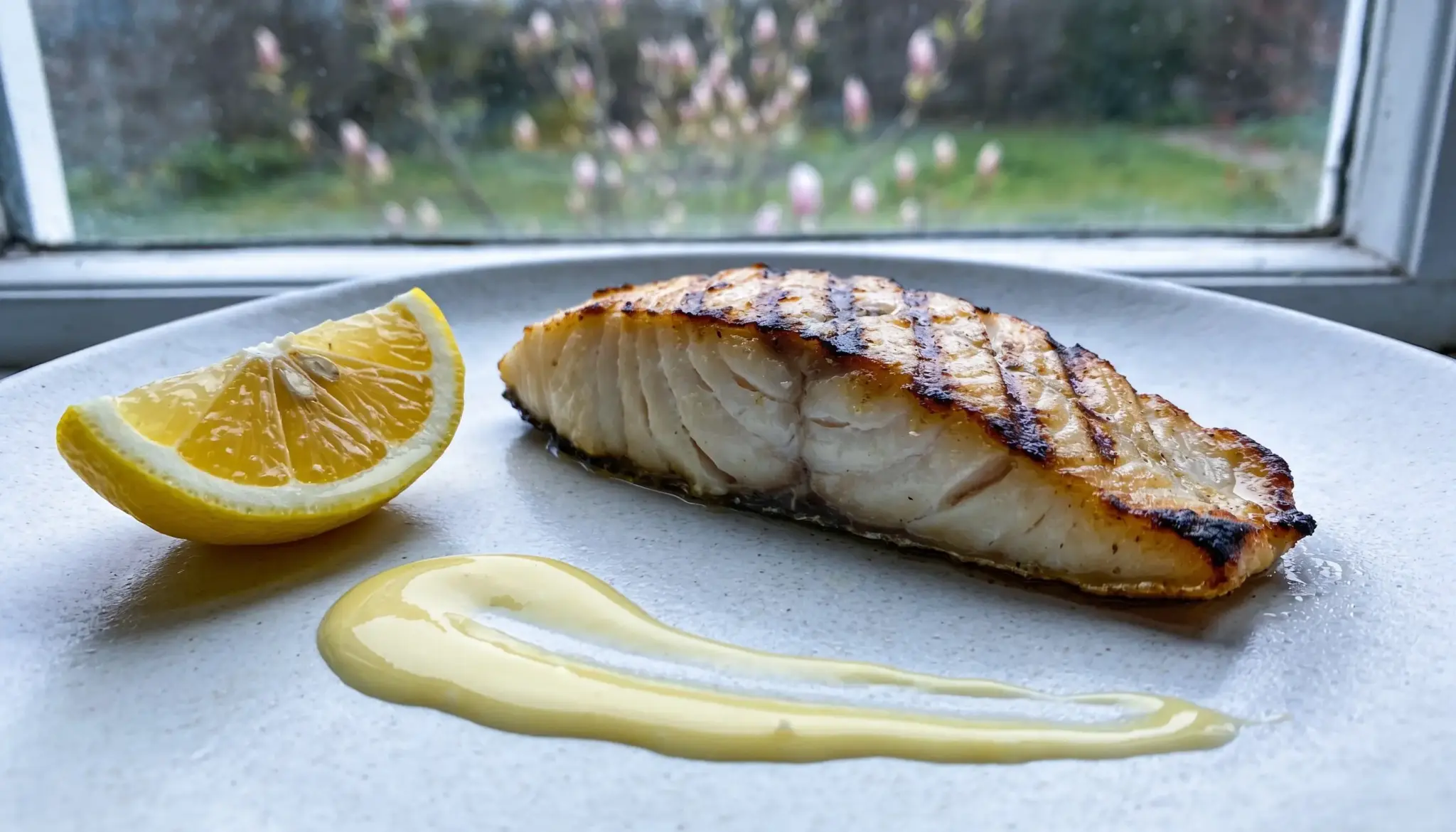
Fresh fish with your own seasoning is basically sodium freedom. You can do lemon, pepper, garlic, chili flakes, herbs… all the big flavor things without the salt overload.
Label decoding (so you’re not standing in the aisle doing math like it’s the SAT)
A few quick tricks:
- Check the serving size first. Brands love to play games here.
- Compare sodium using the same amount: ideally per 100g or per 3 ounces.
- For canned fish, sodium is usually listed for the drained product but some brine still clings to it (because of course it does).
- Brine packed will usually be higher than water packed.
If you like quick mental math:
Sodium % of daily max = sodium ÷ 2,300.
So 400 mg is about 17% of a 2,300 mg day. (If you’re aiming for 1,500 mg, it’s an even bigger chunk so yeah, labels matter.)
The takeaway (aka: you’re not “bad” for eating smoked salmon)
Cured fish is salty because it’s supposed to be salty. That doesn’t mean you have to avoid it it just means you treat it like what it is: a high sodium food you can absolutely enjoy with a little strategy.
If you want the simplest plan, start here:
- Pick one swap (rinse your canned fish, buy a lower sodium brand, or choose dry packed shellfish).
- Keep your favorite cured fish, just shrink the portion a bit.
- Spend your sodium budget on foods you actually love intentionally, not accidentally.
Now go enjoy your bagel… just maybe don’t let the lox eat your entire sodium day before 10 a.m.