

Wahoo fish are some of the fastest hunters in the open ocean.
This blog covers how they live, where they swim, and what makes them stand out from tuna and mackerel.
It also answers a question many anglers ask: Are wahoo good to eat? With sharp teeth, striking blue stripes, and a need for speed, this fish has earned its place on charter boats and dinner plates alike.
Read on to learn what makes the this fish so special.
Taxonomy of Wahoo
Wahoo is scientifically known as Acanthocybium solandri, and it belongs to the Scombridae family. This family also includes tuna and mackerel.
That shared family is one reason people often mix up these fish.
They have a long, slender body. It looks similar to tuna and mackerel at first glance.
But they are neither of these. Some people also confuse the them with barracuda. Barracudas have large scales and bigger, dagger-shaped teeth.
They also lack the sharp tail keels found on the this fish.
The name “wahoo” has an interesting background. Many believe it comes from the Hawaiian island of Oahu.
In Hawaii, people call this fish “ono.” Ono means delicious in the Hawaiian language. That name fits well, since they are prized for its taste.
Characteristics
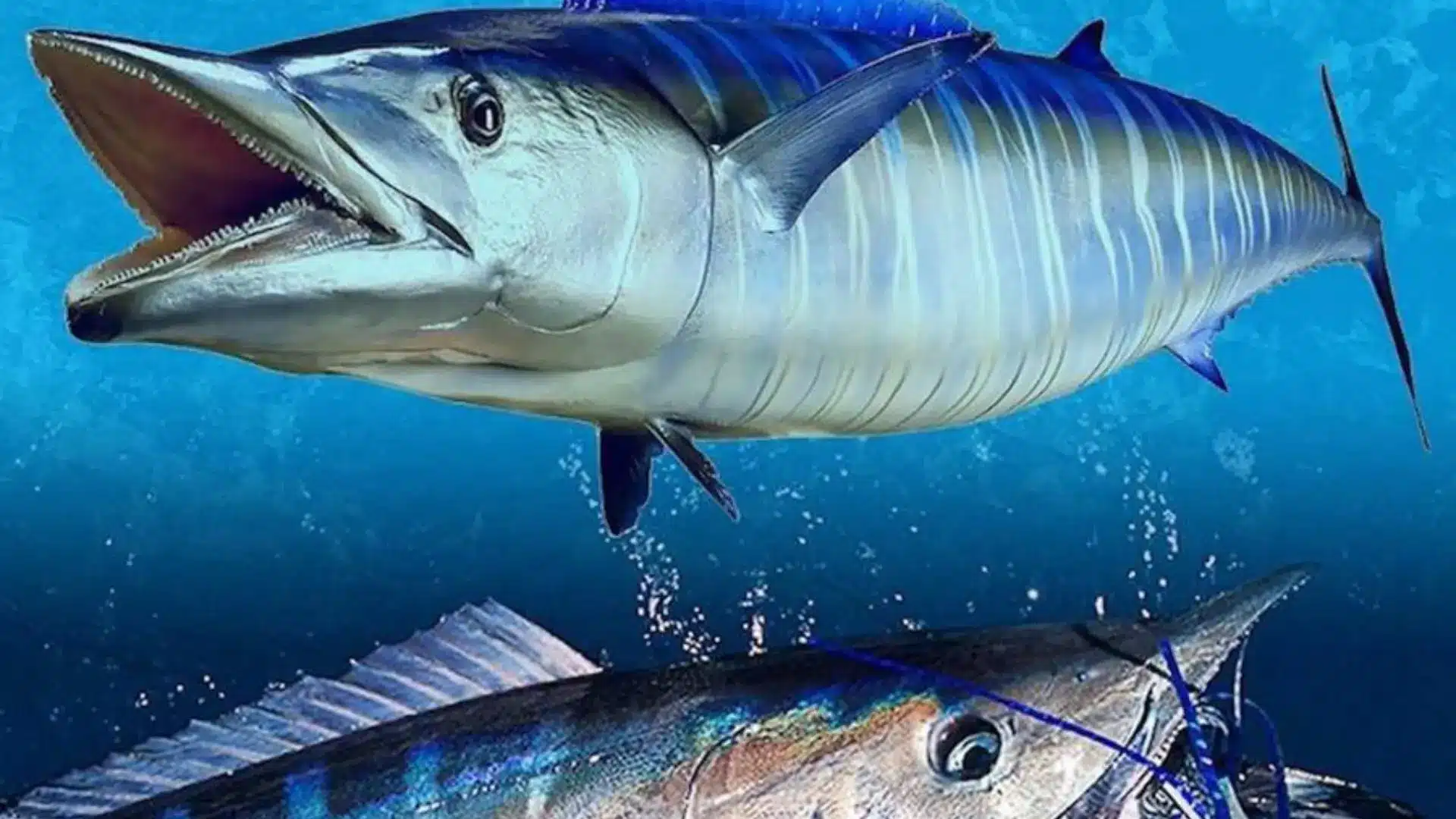
It stands out the moment you see it. Every part of its body is built for speed and hunting power.
Body Shape
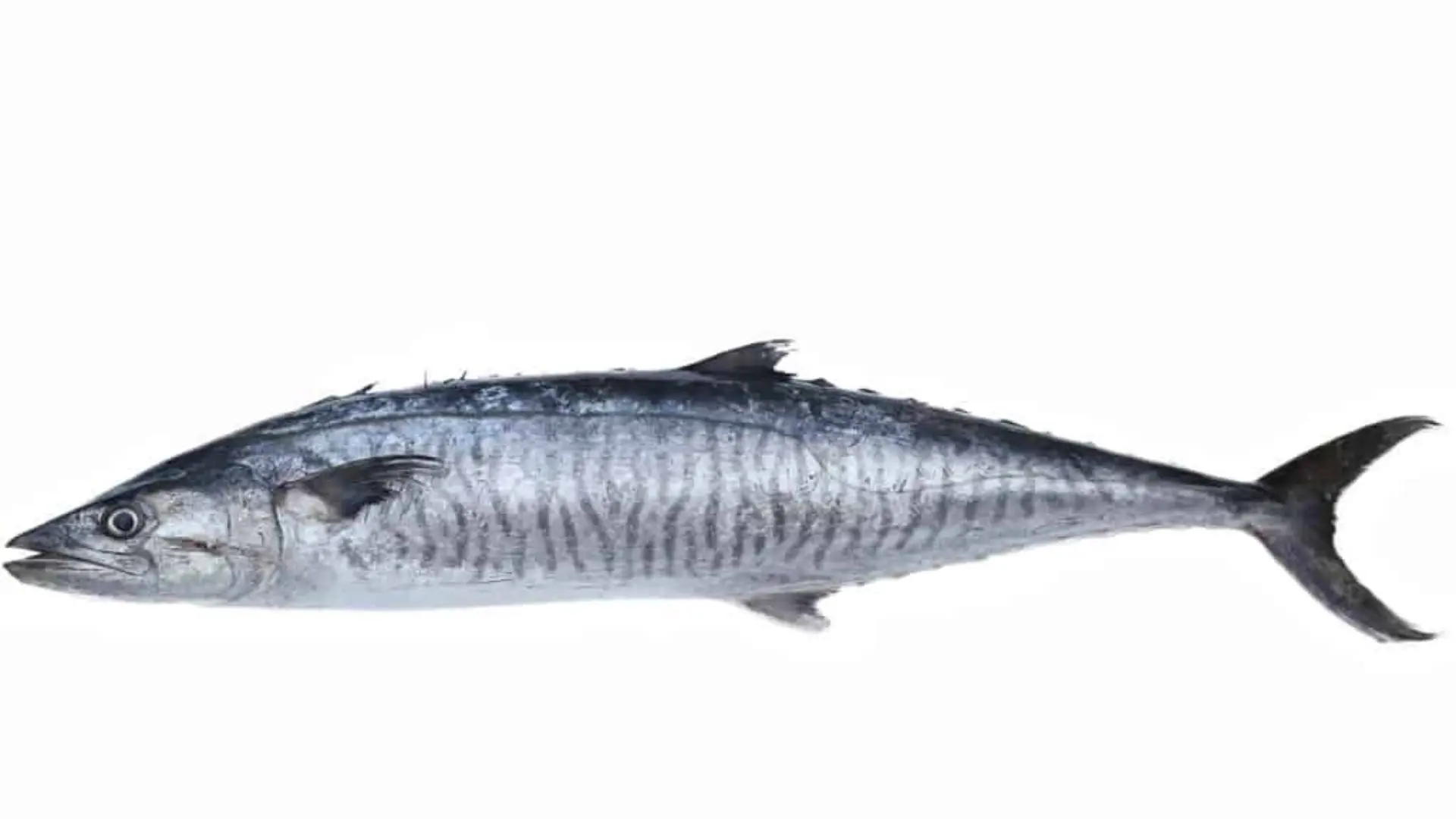
It has a slender, torpedo-like body. This shape helps it cut through water with ease. Its long form reduces drag as it swims. The body tapers smoothly from head to tail.
This design lets the fish reach top speed in short bursts. Unlike rounder fish, its narrow frame allows fast, sharp movements.
It does not waste energy fighting against water resistance.
Every curve on its body supports quick, efficient motion. This streamlined shape is one reason it ranks among the fastest fish in the ocean.
The fish typically grows to a length of about 5 feet, but some specimens have reached up to 8 feet.
Coloring
It has a striking look. Its back shines with an iridescent blue-green color. The sides are silvery and bright. Irregular vertical blue bars run along its body.
These bars create a bold, eye-catching pattern.
However, this beauty does not last long. Once it dies, the colors fade fast. The bright blue and silver tones turn dull within minutes.
Despite this short-lived display, the fish remains one of the most visually striking fish in the sea.
It can weigh as much as 183 pounds, making it one of the heavier fish in its family.
Teeth, Jaw, and Fins
It has a large mouth filled with sharp, triangular teeth.
These teeth are finely serrated, much like a blade. Its jaws are elongated, almost beak-like. This structure helps it grip and slice through prey with ease.
It also has two dorsal fins.
The first one is much longer than the second. Both fins are followed by several small finlets near the tail.
These finlets improve control while swimming fast. The narrow caudal peduncle, lined with sharp keels, supports quick turns.
Together, these features make the fish a skilled and efficient hunter.
It grows faster than many other ocean fish, reaching a large size within just a few years of life.
Speed and Swimming Ability
This fish is built for raw speed.
It can chase down fast-moving prey with sudden bursts of energy. Anglers often troll at speeds between 22 and 33 kilometers per hour just to trigger a strike.
Once hooked, it puts up a serious fight. It makes long, fast runs that test any angler’s gear.
Instead, it overpowers prey through sheer speed and force. Few fish in the ocean can match the fish when it comes to swimming power and sudden acceleration.
Despite its quick growth, it has a short lifespan, living only around 6 years on average.
Habitat: Where Does the Wahoo Fish Live?
It lives in warm tropical and subtropical waters. It is a pelagic species. This means it swims in open water, far from the coast.
It does not stay near the seafloor. It usually stays close to the surface. It is often found from the top layer down to about 500 feet deep.
This fish likes drifting objects, such as sargassum and floating debris.
It also gathers near reefs and seamounts. These spots attract baitfish, which draw the fish in.
Reproduction Process
It reproduces through a clear seasonal pattern. Spawning mainly happens during the summer months.
Along the southeastern United States, this fish gathers to spawn in warm coastal waters. Once the eggs are released, they float freely in the water.
These eggs are buoyant, which means they rise rather than sink.
After hatching, the young fish enter a pelagic stage. This means the larvae drift in open water rather than near the seafloor.
They grow quickly during this early life stage. In fact, it reaches sexual maturity within its very first year of life.
Migration Patterns
The wahoo fish moves with the seasons. It follows changes in water temperature throughout the year.
- During summer, the fish travels north into cooler waters.
- As winter sets in, it heads back south toward warmer regions. In the western Atlantic, this fish ranges from New Jersey down to Colombia. It often rides the Gulf Stream during these seasonal shifts.
- Genetic research shows two separate populations exist. One stock lives in the Atlantic Ocean. The other stock lives in the Indo-Pacific region. Some mixing happens between these two groups, but each remains genetically distinct over time.
Are Wahoo Good to Eat?
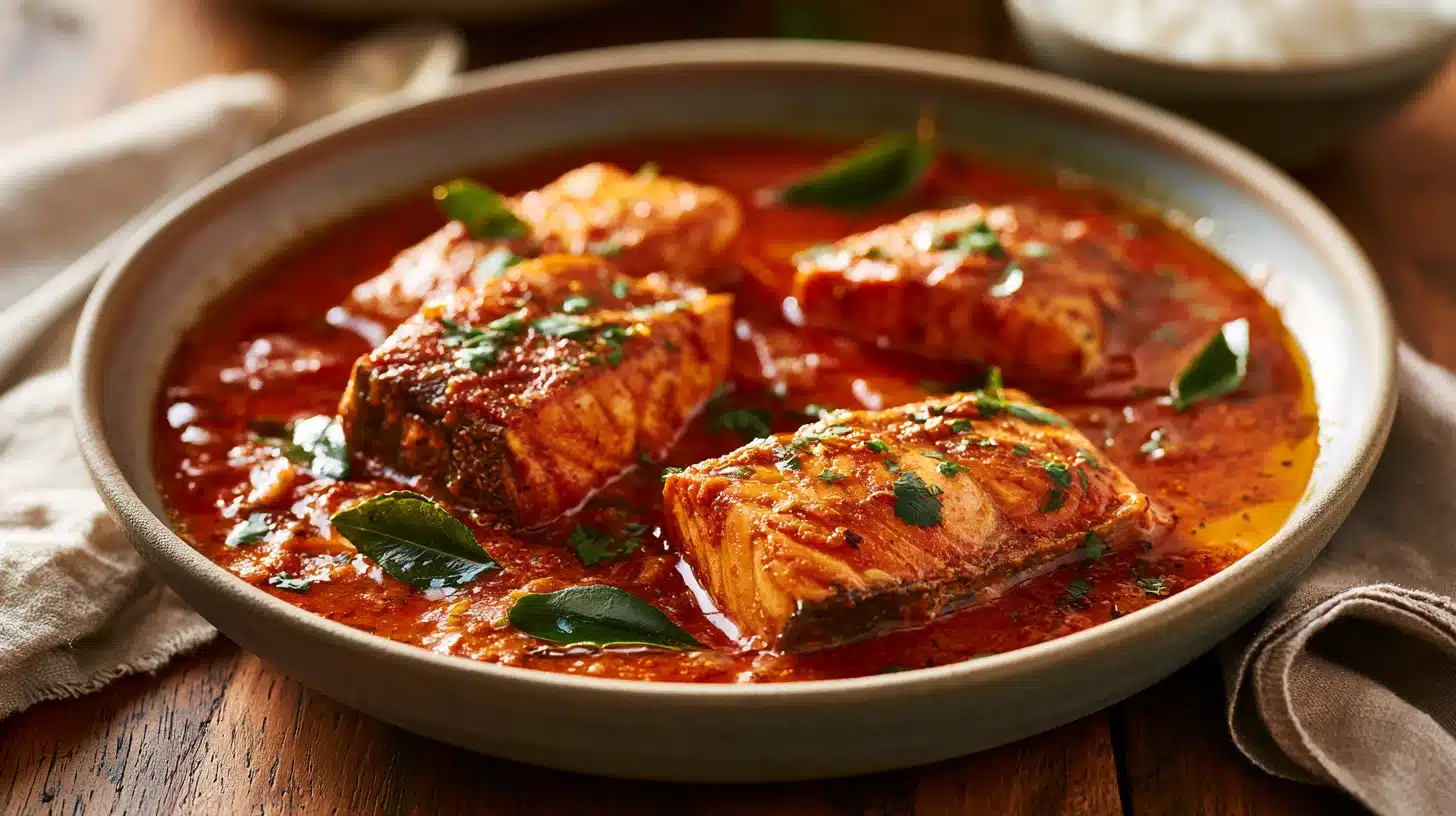
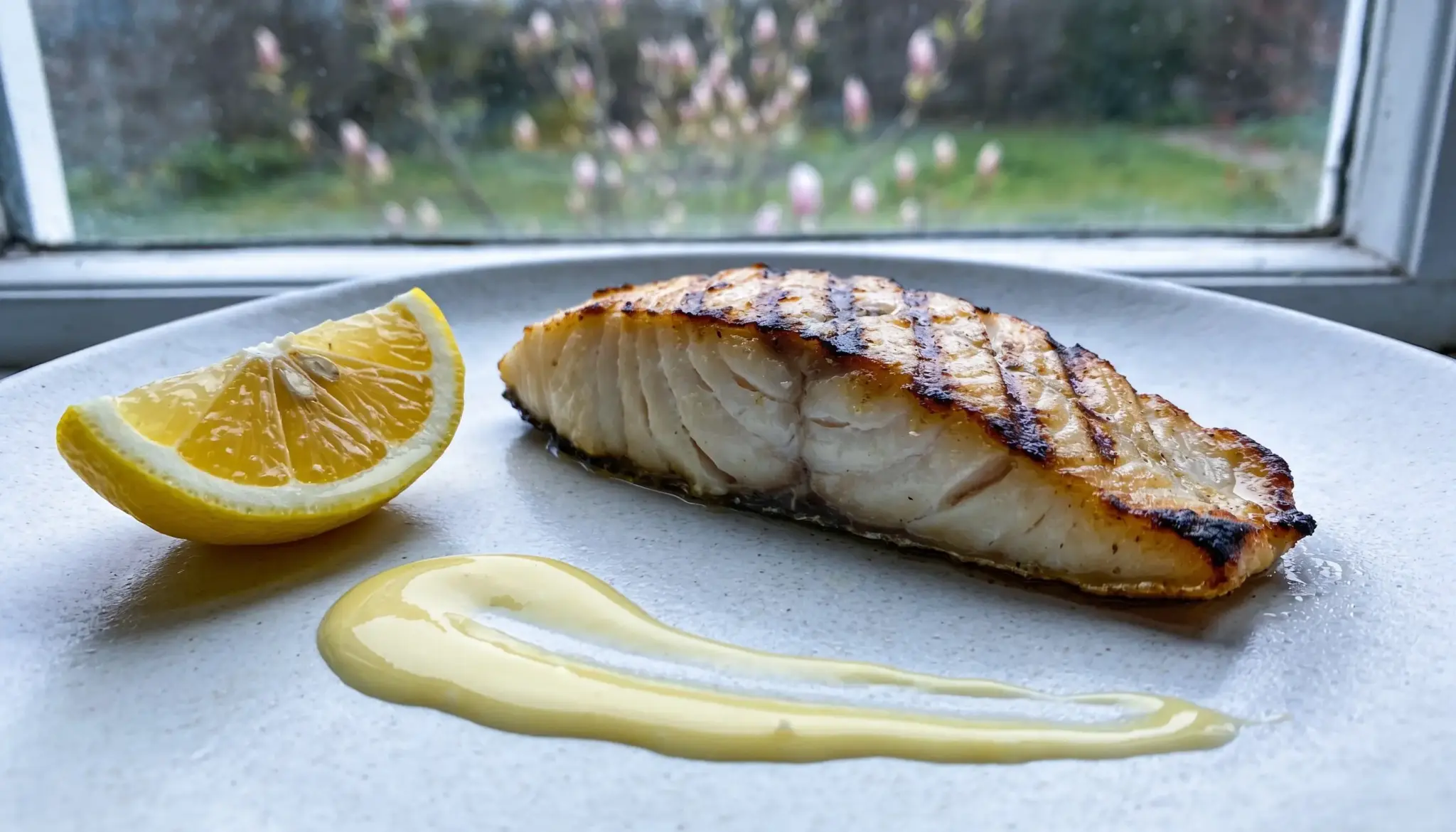
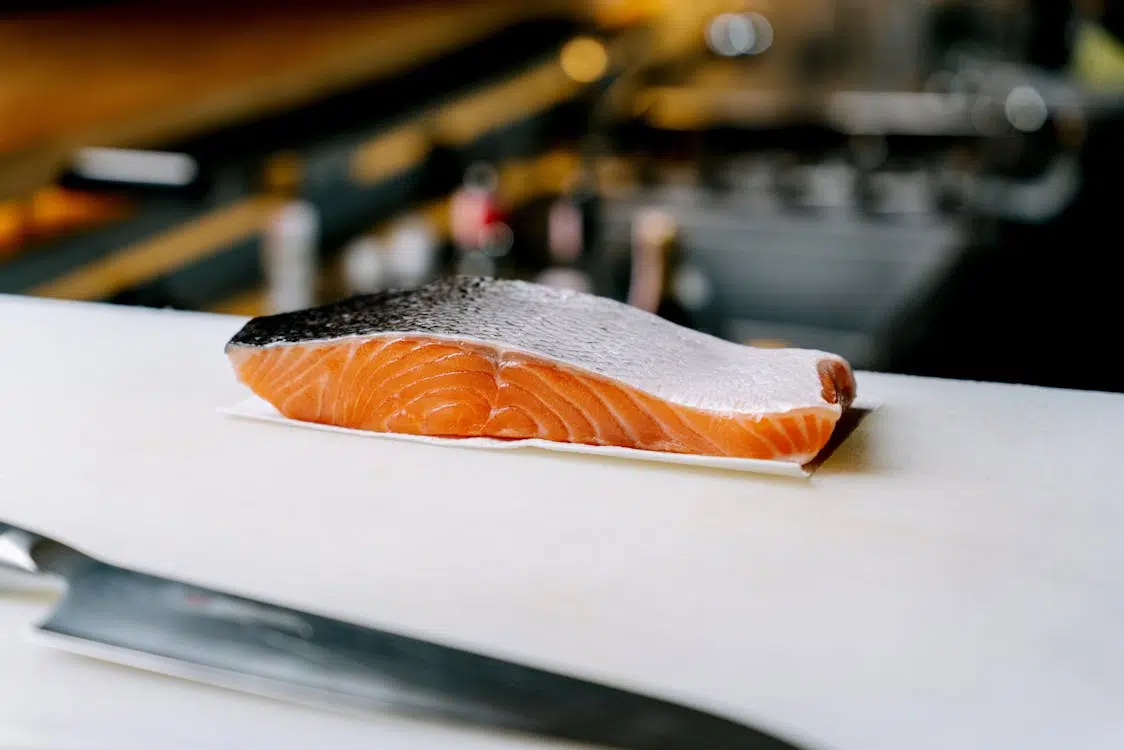
The answer is yes. The fish has firm, white flesh with a mild, sweet taste. Its texture holds up well during cooking, which makes it popular among home cooks and chefs alike.
Grilling is a favorite method, since high heat brings out its natural flavor.
Many also enjoy it seared, baked, or blackened with simple spices. Some prepare it raw in dishes like sashimi or ceviche, thanks to its clean taste.
In terms of nutrition, it offers a good source of lean protein. It is also low in fat compared to many other fish. This makes it a smart choice for people watching their diet.
Wahoo Fish Nutritional Benefits
It is a lean, high-protein fish that has quality nutrients with very little fat, making it a filling choice for your diet.
| Nutrient (per 100g, cooked) | Amount | Benefit |
|---|---|---|
| Protein | ~24 g | Builds and repairs muscle |
| Fat | ~1 g | Naturally lean, diet-friendly |
| Calories | ~120 kcal | Low, satisfying |
| Omega-3s | Moderate | Supports heart and brain |
| Selenium | High | Antioxidant, thyroid support |
| Vitamin B12 | High | Energy and nerve health |
| Niacin (B3) | Good | Aids metabolism |
| Phosphorus | Good | Strengthens bones |
Conclusion
It truly lives up to its reputation. From its torpedo-shaped body to its lightning speed, this fish stands out in the open ocean. It travels far, grows fast, and puts up a real fight on the line.
Whether you are drawn to the thrill of the catch or the taste on the plate, it offers something special.
So next time you plan a fishing trip, watch for the wahoo fish. Or simply order it at a seafood spot and taste it for yourself.
Frequently Asked Questions (FAQs)
1. Is Wahoo Fish the Same as Mahi Mahi?
No, the wahoo and mahi-mahi are different species. Both are popular game fish, but they belong to entirely different fish families.
2. What are the Predators of the Wahoo Fish?
Despite their speed, wahoo are hunted by larger predators like billfish (marlin), sharks, and bigger tuna.
3. Does Wahoo Fish Contain Mercury?
The fish contains moderate mercury levels. It is best eaten in moderation, especially for pregnant women and young children.