

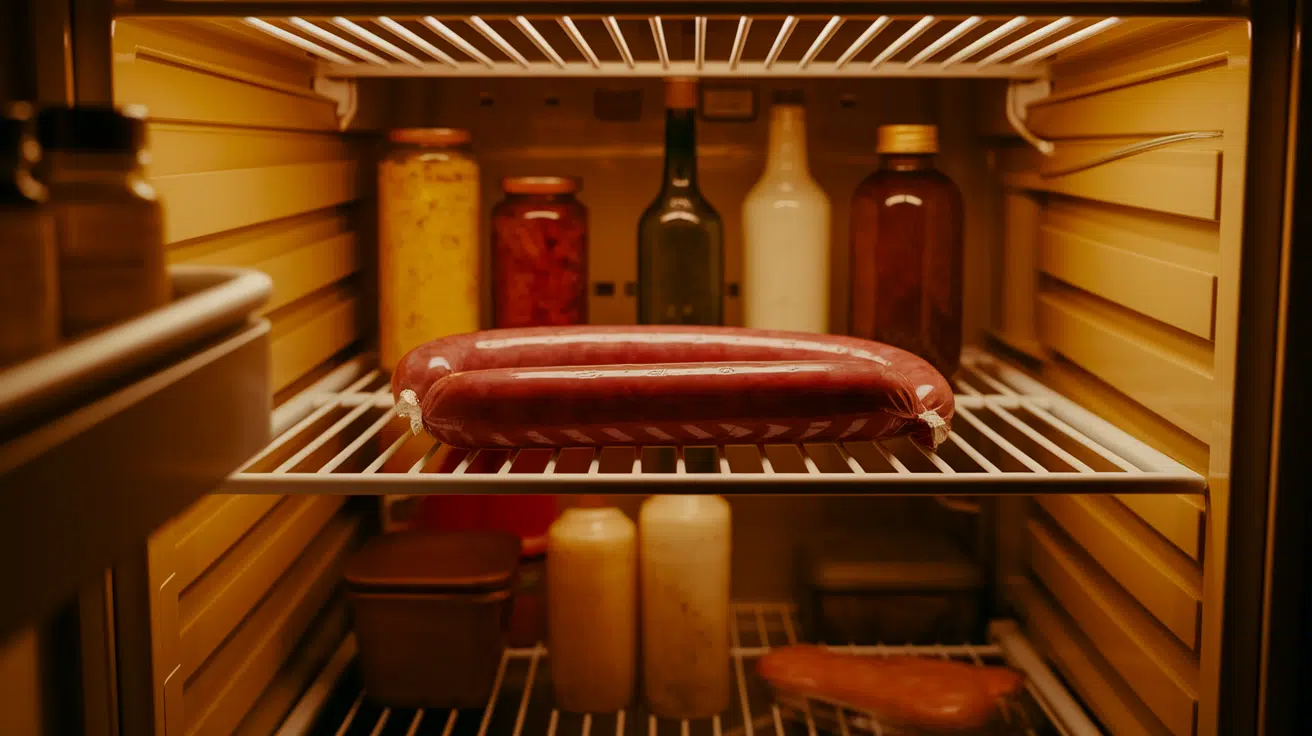
What happens to the kielbasa taste when it’s kept in the fridge for a few days?
Well, the answer depends on how you store it.
Kielbasa can be a quick and delicious meal, but it doesn’t last forever. If it’s not kept the right way, it can spoil fast, and nobody wants to eat bad sausage.
That’s why it’s important to know the basics of storage.
In this guide, you will learn how long different types of kielbasa last, the best ways to store them, and how to tell when it’s time to let them go.
Kielbasa & Its Types
Kielbasa is more than just a sausage; it’s a delicious piece of Polish culinary history. Pronounced “keel-BAH-sah,” this traditional sausage is a flavor-packed treat that’s become a global favorite.
Originally from Poland, kielbasa has traveled the world, winning hearts and taste buds everywhere.
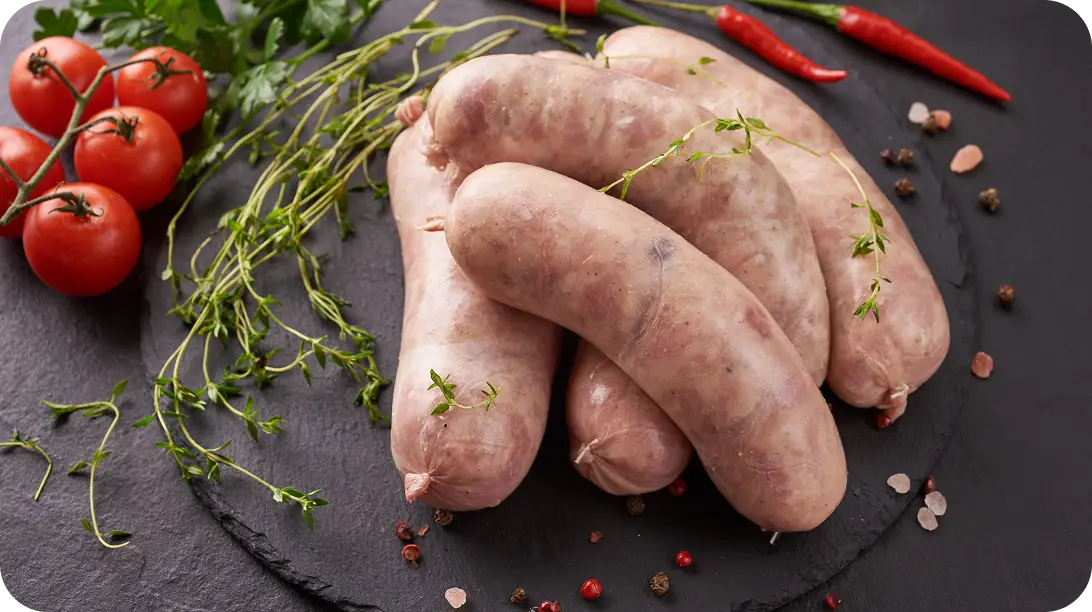
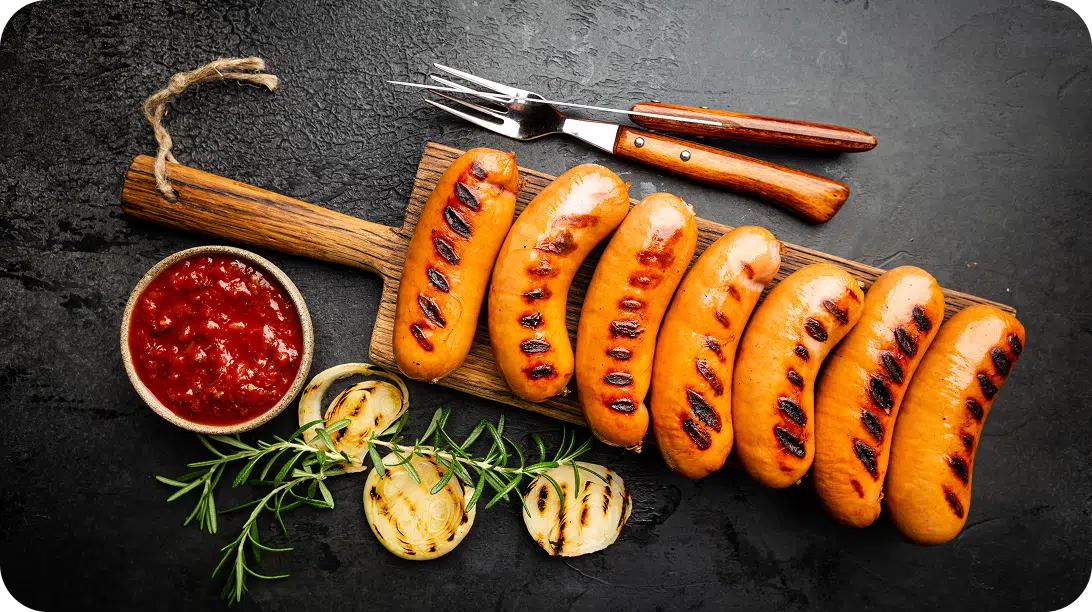
Different Types of Kielbasa are given below:



Kielbasa has traveled the world, winning hearts and taste buds everywhere.
Knowing different meat cuts and their origins helps with proper storage planning when working with sausages or other proteins.
How Long Each Type of Kielbasa Can Survive in Your Fridge?
Here’s how long each type of Kielbasa can survive in your fridge and their shelf life:
Shelf Life Breakdown


Optimal Storage Conditions
Storage temperature matters for all proteins, not just kielbasa. Knowing proper internal heat standards helps ensure food safety for the different types of meat you prepare and store.
- Temperature: At or below 40°F
- Location: Coldest part of the refrigerator
- Container: Airtight and sealed
- Humidity: Low moisture environment
How to Store Kielbasa Properly?
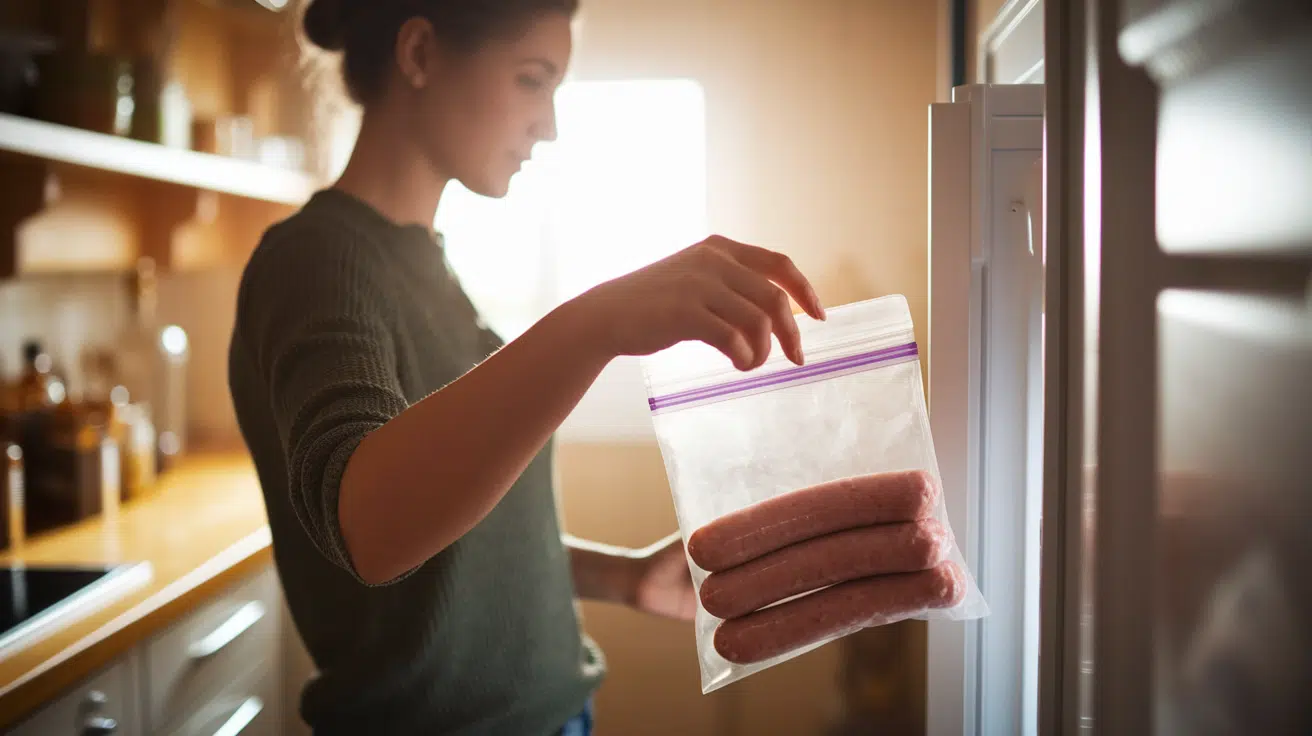
- Choose the Right Container: Use airtight plastic containers, vacuum-sealed bags, or sealed original packaging to protect kielbasa from air and moisture. Glass containers with tight-fitting lids also work great for keeping freshness locked in.
- Master Temperature Control: Always store kielbasa in the coldest part of your fridge, not the door, where temperatures stay most stable. Use a refrigerator thermometer to ensure it stays consistently cold for safe storage.
- Wrap Like a Pro: Tightly wrap the kielbasa with plastic wrap or aluminum foil if you are repackaging. Remove any excess air and label the package with the storage date to help track freshness.
- Prevent Cross-Contamination: Practice food safety by washing hands before handling, using clean utensils, and keeping kielbasa separate from raw meats. Always store it in sealed containers and clean your storage areas regularly.
Identifying Signs of Spoilage
Conclusion
Now you know how to keep kielbasa fresh, safe, and tasty.
Just storing it the right way isn’t hard—it takes a little attention.
Whether it’s fresh, smoked, or cooked, knowing how long it lasts and where to keep it can help you avoid waste and stay safe.
So the next time you have kielbasa in your fridge, you know exactly what to do.