

Skip to content
Know Sea Food Logo
  • Cooking techniques
  • Kitchen & Home Essentials
  • Seafood Recipes
    • Healthy Seafood
    • Seafood Varieties
  • more
    • Seafood Storage
    • Garden to Table
    • Nutrition & Wellness
  • Cooking techniques
  • Kitchen & Home Essentials
  • Seafood Recipes
    • Healthy Seafood
    • Seafood Varieties
  • more
    • Seafood Storage
    • Garden to Table
    • Nutrition & Wellness
Search
Know Sea Food Logo
  • Cooking Techniques
  • Healthy Seafood Options
  • Seafood Recipe Ideas
  • Seafood Shelf Life & Storage
  • Seafood Types
  • Nutrition & Wellness
  • Kitchen & Home Essentials
  • Garden to Table
  • Cooking Techniques
  • Healthy Seafood Options
  • Seafood Recipe Ideas
  • Seafood Shelf Life & Storage
  • Seafood Types
  • Nutrition & Wellness
  • Kitchen & Home Essentials
  • Garden to Table
Explore All

How Long is Lobster Good in the Fridge

Line 12
  • Martha Johnson
  • Seafood Shelf Life & Storage

Published On: July 3, 2025 Last Updated: February 20, 2026

Table of Contents

Ever wonder how long a live lobster can stay in your fridge before it needs to be cooked?

That’s a good question, and one many people ask after bringing one home.

Lobster is a tasty treat, but it’s also a bit tricky to store. If you don’t handle it right, it can spoil fast, and no one wants to waste good seafood.

But, with the right steps, you can keep your lobster fresh and ready to cook for a short time.

In this blog, you will learn how many hours you really have, what temperature works best, and how to store it safely without stressing the lobster.

Let’s make sure your lobster remains tasty, and ready for your next seafood dinner.

Storage Time for Raw Lobsters

Below is the storage time mentioned clearly for raw lobsters before it goes bad.

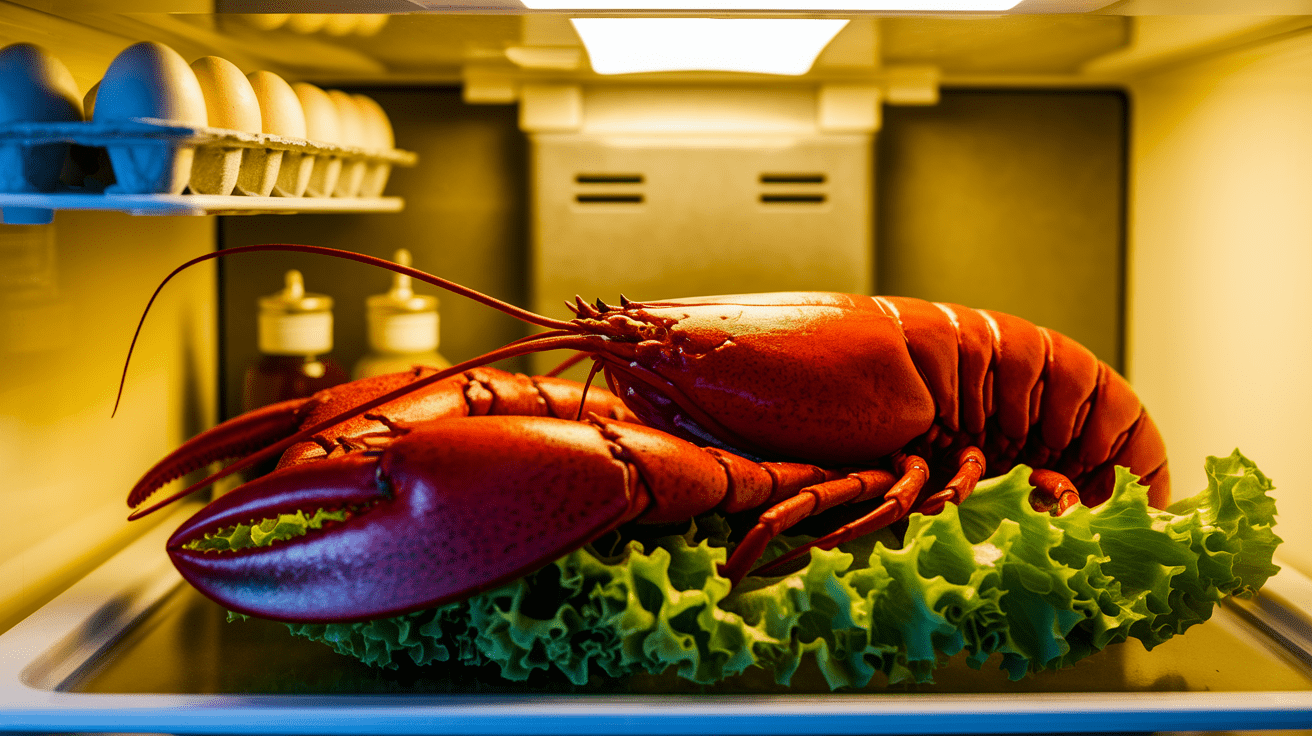
  • Maximum Fridge Stay for Live Lobsters: Live lobsters can be stored in your refrigerator for a maximum of 24 to 48 hours. Think of this as their vacation time before they need to be cooked. The clock starts ticking from the moment you bring them home.
  • Temperature Sweet Spot: Your fridge needs to be cool but not freezing. Aim for a temperature between 38°F and 40°F (3°C to 4°C). This range keeps lobsters alive and dormant without shocking their system. It’s like putting them into a chilly, sleepy mode.

Factors Affecting Lobster Shelf Life

  • Initial quality of the lobster
  • How were they handled before reaching you
  • Consistency of refrigeration
  • Avoiding temperature fluctuations

Proper Storage Containers for Lobsters to Consider

Think of storing a lobster like choosing a temporary hotel room. Not just any space will do; your lobster needs the right environment to stay fresh and happy.

Container TypeMaximum Storage TimeBest For
Ventilated Box24–48 hoursLive Lobsters
Damp Newspaper WrapUp to 36 hoursShort-Term Storage
Open Container24 hoursMaximum Freshness

Certain Spoilage Signs You Can’t Ignore
Certain Spoilage Signs You Can’t Ignore

Once you are done with storage, here are the signs to identify if they are good to go for a few more days or should be discarded right away:

1. Shell

  • Fresh Lobster: The shell should feel hard, solid, and intact. A firm shell is a good sign that the lobster is healthy and recently caught.
  • Spoiled Lobster: A soft or cracking shell may indicate age, damage, or spoilage. If it feels weak or breaks easily, it’s best to avoid eating it.

2. Meat

  • Fresh Lobster: The meat should be firm, springy to the touch, and slightly translucent. This texture shows it’s fresh and cooked correctly.
  • Spoiled Lobster: If the meat feels mushy, slimy, or has an off-putting texture, it’s likely spoiled and unsafe to eat.

How to Handle the Lobsters Safely?

Handling lobsters is not an easy task, and doing it right makes all the difference.

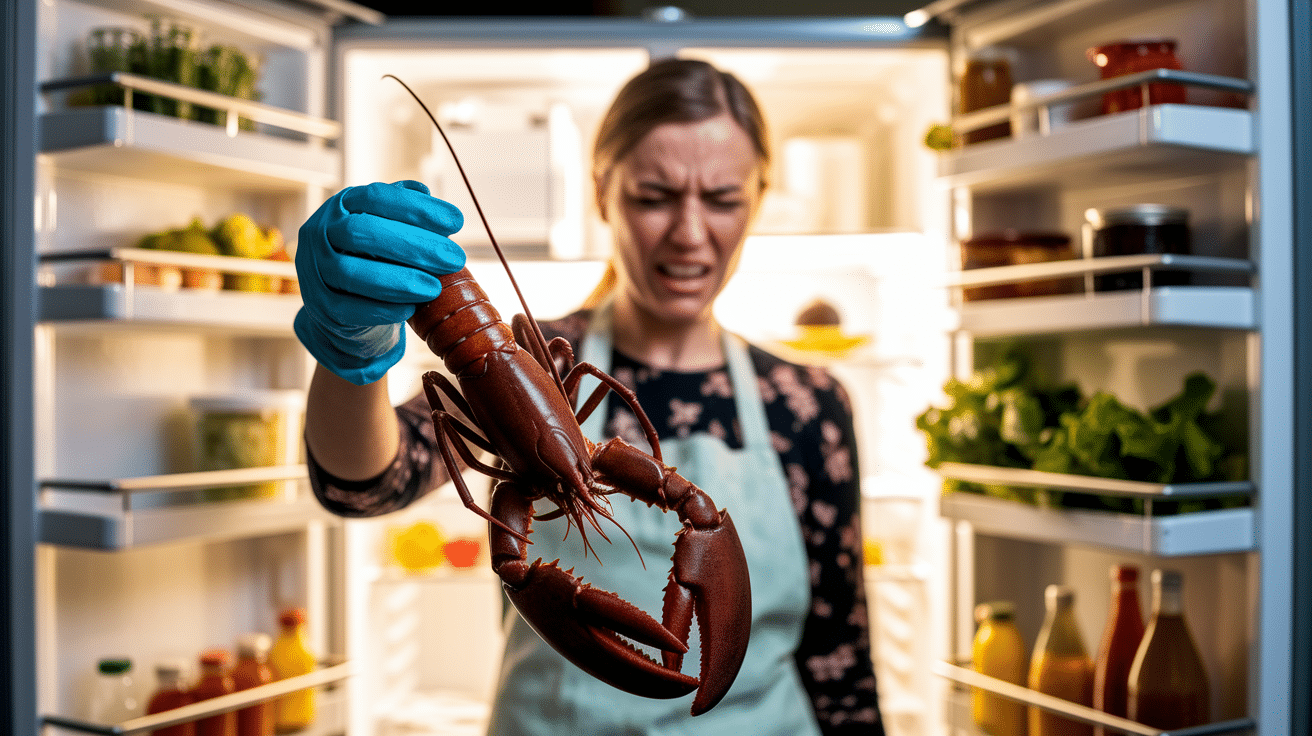
  • When handling live lobsters, always grip them firmly behind the claws to avoid getting pinched, and keep the rubber bands on until cooking time.
  • Limit how much you handle them to reduce stress, and if you’re feeling uneasy, wearing gloves can help.
  • For quick and safe preparation, briefly chill the lobsters in the fridge to calm them down, always check that they’re alive before cooking, and aim to cook them as soon as possible after purchase for the best flavor and freshness.

Pro Tip: Treat your lobster like a delicate instrument: use gentle hands, maintain a cool environment, and minimize drama. The less stressed the lobster, the more delicious the meat.

Final Thoughts

Now you know exactly how to store lobster the right way.

Remember, timing and temperature matter most. Give your lobster the right spot in the fridge and don’t wait too long to cook it.

If anything seems off like the shell feels soft or the meat looks weird, it’s best to be safe and not eat it.

Use the tips in this guide as your go-to plan every time you bring home a live lobster.

So next time you are planning a seafood dinner, you will be ready to cook with confidence and enjoy every bite.
Picture of Martha Johnson

Martha Johnson

Martha Johnson, a nutritionist and wellness advocate, has been writing for our Healthy Seafood Options section since 2021. With her background in dietetics, Martha provides insightful advice on incorporating healthy seafood into daily meals. She focuses on the benefits of omega-3-rich fish and sustainable seafood choices. When she's not writing, Martha enjoys creating healthy recipes and promoting sustainable eating habits. She believes in the importance of choosing nutritious options that benefit both personal health and the planet.
Read More About Me
Picture of Martha Johnson

Martha Johnson

Martha Johnson, a nutritionist and wellness advocate, has been writing for our Healthy Seafood Options section since 2021. With her background in dietetics, Martha provides insightful advice on incorporating healthy seafood into daily meals. She focuses on the benefits of omega-3-rich fish and sustainable seafood choices. When she's not writing, Martha enjoys creating healthy recipes and promoting sustainable eating habits. She believes in the importance of choosing nutritious options that benefit both personal health and the planet.
Read More About Me

We’ll not show your email address publicly.

Join the discussion Cancel reply

Your email address will not be published. Required fields are marked *

Picture of Martha Johnson

Martha Johnson

Martha Johnson, a nutritionist and wellness advocate, has been writing for our Healthy Seafood Options section since 2021. With her background in dietetics, Martha provides insightful advice on incorporating healthy seafood into daily meals. She focuses on the benefits of omega-3-rich fish and sustainable seafood choices. When she's not writing, Martha enjoys creating healthy recipes and promoting sustainable eating habits. She believes in the importance of choosing nutritious options that benefit both personal health and the planet.
Read more about me

Table of Contents

Related Posts

Salmon fillets arranged in radial pattern on ice with fishhook at center
  • July 28, 2026

Hook, Line, and Sinker: Why You’re Misreading Your Seafood Labels

Full post : Hook, Line, and Sinker: Why You’re Misreading Your Seafood Labels
tuna-salad-last-in-fridge
  • July 7, 2026

How Long Does Tuna Salad Last in the Fridge?

Full post : How Long Does Tuna Salad Last in the Fridge?
Chef draining deep fryer oil into stainless steel container in commercial kitchen
  • July 1, 2026

How Seafood Restaurants Recycle Their Used Cooking Oil

Full post : How Seafood Restaurants Recycle Their Used Cooking Oil
How to Meal Plan Around Seafood Without Letting Food Go to Waste
  • June 30, 2026

How to Meal Plan Around Seafood Without Letting Food Go to Waste

Full post : How to Meal Plan Around Seafood Without Letting Food Go to Waste

As seen on

buzzfeed_706c6d
cosmopolitan_706c6d
elpais_706c6d
guardian_main_706c6d
newyorktimes_706c6d
KnowSeaFood Logo Footer
Facebook Instagram Pinterest

Quick Links

  • Cooking Techniques
  • Healthy Seafood Options
  • Seafood Recipe Ideas
  • Seafood Shelf Life & Storage
  • Seafood Types
  • Nutrition & Wellness
  • Kitchen & Home Essentials
  • Garden to Table
  • Cooking Techniques
  • Healthy Seafood Options
  • Seafood Recipe Ideas
  • Seafood Shelf Life & Storage
  • Seafood Types
  • Nutrition & Wellness
  • Kitchen & Home Essentials
  • Garden to Table

Explore

  • About us
  • Blogs
  • Contact us
  • Privacy Policy
  • About us
  • Blogs
  • Contact us
  • Privacy Policy
Facebook Twitter Youtube

©2020-2026 Knowseafood. All rights reserved.

Let’s help you find your next favourite