

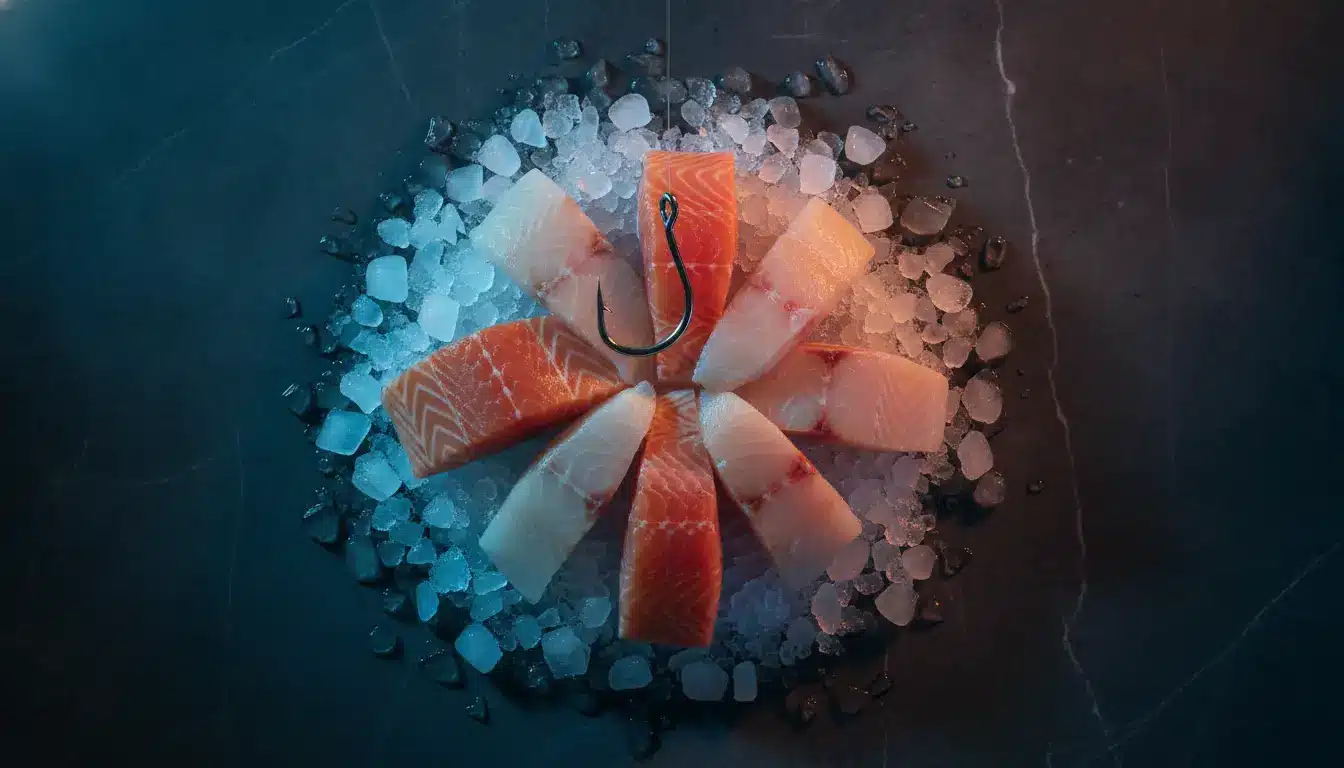
Hook, Line, and Sinker: Why You’re Misreading Your Seafood Labels
Seafood labels carry a lot of weight for such small packaging. A quick glimpse of words like “wild-caught” or “fresh” instantly changes our perception, making dinner feel healthier, cleaner, and higher quality before we even check out..
The problem is that seafood does not become trustworthy because the biggest word on the label sounds good. A fillet can be wild-caught and still poorly handled. Shrimp can be frozen and still be the smartest buy in the case. Farmed seafood can be responsibly raised, while a vague “sustainable” claim can leave more questions than answers.
A good seafood label should do more than win a quick glance at the store. It should help shoppers understand what they’re buying, where it came from, how it was handled, and whether the details match the price.
Wild-Caught Sounds Good, But It Has Limits
“Wild-caught” sounds reassuring at first glance. It brings to mind open water, natural feeding, and seafood that feels closer to its source. That detail can help when you’re comparing salmon, cod, tuna, shrimp, or scallops, but it should be treated as one clue, not the whole story.
Still, the phrase answers only one question: how the seafood was harvested. It does not tell you how long the seafood traveled, how carefully it was chilled, whether the species name is clear, or whether the price reflects the product in the package.
Treat “wild-caught” as a starting point, not a final answer. The better label gives you more than a feel-good phrase. It gives you enough detail to understand the seafood before it reaches your pan.
Farmed Seafood Deserves a Fair Read
Farmed seafood gets treated like the suspicious cousin at the seafood counter, which is not always fair. Some shoppers see “farmed” and assume lower quality, weaker flavor, or a shortcut they should avoid.
The reality is more useful than the stereotype. Farmed seafood can be raised responsibly, handled well, and sold with clear details about origin and production. The real issue is whether the label gives shoppers enough information to judge it.
A farmed salmon fillet with specific sourcing, clear handling instructions, and honest labeling can be easier to understand than a wild-caught product wrapped in vague claims. The word “farmed” should raise questions, not automatic suspicion.
Fresh Can Be a Little Dramatic
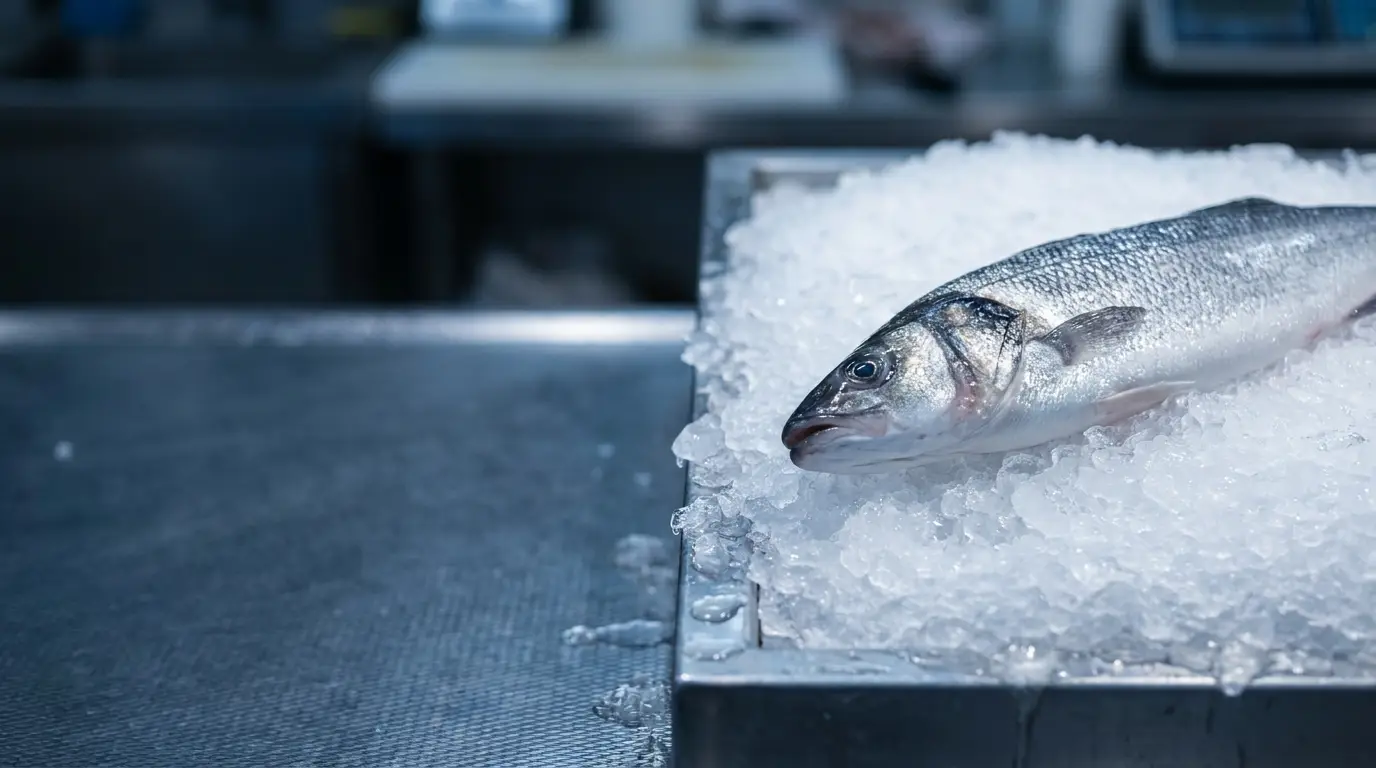
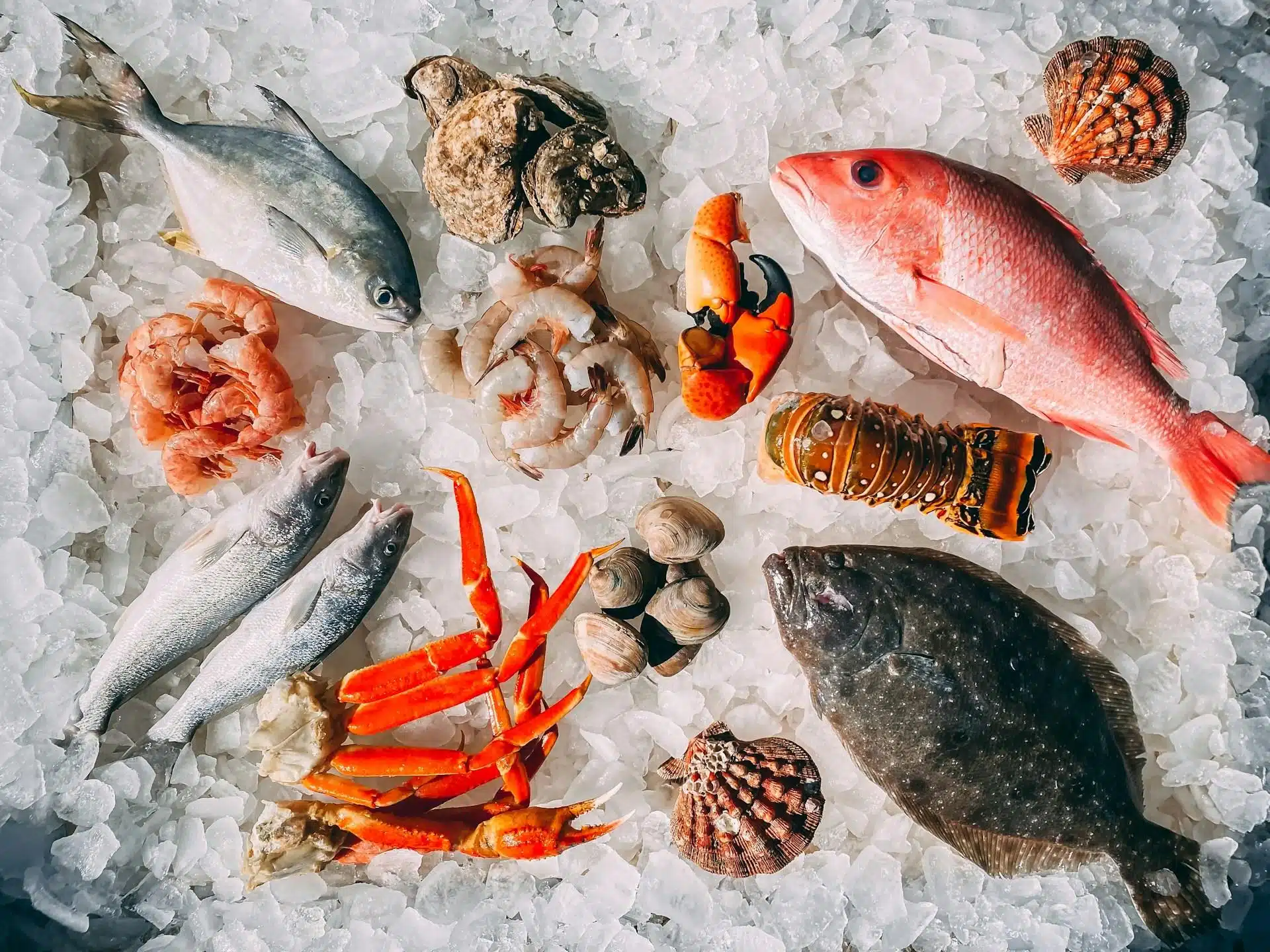
“Fresh” sounds like the obvious winner, especially when seafood is sitting on ice and looking ready for tonight’s dinner. It feels immediate, clean, and somehow more premium than anything pulled from a freezer.
Fresh seafood still has a clock on it. Quality depends on when it was harvested, how it was transported, how cold it stayed, and how quickly it will be cooked after purchase. A beautiful display case cannot fix poor handling or a long trip with weak temperature control.
Good fresh seafood usually gives you clear signs of care: a clean smell, firm texture, bright appearance, proper chilling, and staff who can answer basic questions without making things weird.
Frozen Has Better PR Than It Used To
Frozen seafood used to carry a little baggage, as if it were the backup plan for people who missed the good stuff. That reputation is overdue for retirement.
Seafood that is frozen quickly and handled properly can hold onto quality surprisingly well. It can also give shoppers more flexibility when dinner plans change or the fresh case looks tired by 6 p.m.
The key is to read the package with the same attention you would give fresh seafood. Look for clear species names, origin details, storage instructions, added water disclosures, and signs that the bag has not been thawed and refrozen into one suspicious seafood brick.
Where Seafood Labels Can Get Slippery
Seafood has a long trip from water to plate, and every step creates room for confusion. A package might use a common market name instead of a clearer species name. A bag of frozen shrimp might look generous until the glaze melts away. A country-of-origin detail might sit in tiny print while the front of the package leans hard on a prettier claim.
That is why label-reading matters. NOAA describes seafood fraud as problems such as species substitution, short-weighting, and mislabeling, which can leave shoppers paying for something different from what they thought they bought.
The lesson is simple: if a seafood label makes a big promise, the smaller details should be able to back it up. A strong label does not rely on vibes. It gives shoppers a trail they can actually follow.
The Location Factor: Why Labels Matter Differently Across the Country
Seafood shopping looks different depending on where you live. In parts of New England, the Gulf Coast, Florida, or the Pacific Northwest, shoppers may be closer to fishing docks, seafood markets, or regional supply chains. Even there, once seafood is packed, frozen, shipped, or sold through a large retailer, the label still has to do real work.
Inland shoppers often rely even more on those details. Someone buying frozen scallops in Wisconsin, salmon in Michigan, or shrimp in Illinois may be several steps removed from the original source. That does not make the seafood worse. It means the package, counter tag, and storage information carry more responsibility.
In a landlocked city like Chicago, we rely entirely on packaging, counter tags, and freezer labels to tell us what we’re actually buying. When those labels consistently mislead people—whether through confusing terminology, inaccurate weight claims, or broken refund policies—it stops being an individual issue. A consumer class action attorney in Chicago can explain how these identical, widespread frustrations are grouped together and evaluated under the law.
How to Read the Whole Package
The front of a seafood package is where the charm lives. The back is where the useful details usually hide.
Start with the species name, country of origin, harvest or farming method, and net weight. Then check the sell-by date, storage instructions, lot code, and whether the seafood was previously frozen. If the package mentions sustainability, look for proof that goes beyond a pleasant phrase or ocean-blue design.
Clear labels make shopping easier because traceable sourcing and honest seafood claims give you something solid to compare. A package that explains sourcing, handling, and weight clearly has more credibility than one that leans on broad claims and attractive packaging.
The Better Seafood Question
The smartest seafood question is not “Which word sounds best?” It is “Does the whole label make sense?”
Wild-caught, farmed, fresh, and frozen can all be good signs when the rest of the label backs them up. When the details are thin, those same words can distract from what’s missing. A smart shopper looks past the biggest claim and asks whether the package gives enough real information to justify the price.
Good seafood should not feel like a guessing game. The best package tells a complete story, from source to storage, so dinner starts with confidence instead of a raised eyebrow.