

You often enjoy a standout seafood dish and wonder why it tastes cleaner, richer or more balanced than anything you manage at home. Chefs rarely rely on mystery; they focus on precise, repeatable techniques that respect the fragile nature of fish and shellfish. You can achieve the same results when you understand how heat, salt, acidity and texture interact with delicate proteins.
Small adjustments in timing, seasoning and preparation shape every bite. When you adopt these methods in your own kitchen, you move beyond guesswork and start cooking seafood with consistently impressive results.
Precision Cooking: The Role of Temperature Control
Fish cooks quickly because its muscle fibres contain less connective tissue than red meat, so high heat often dries it out before you notice. When you cook salmon, for example, you can hold the centre at around 50-52°C for a tender, almost buttery texture, while higher temperatures firm it up and push out moisture. Use a digital thermometer to make sure you get it just right.
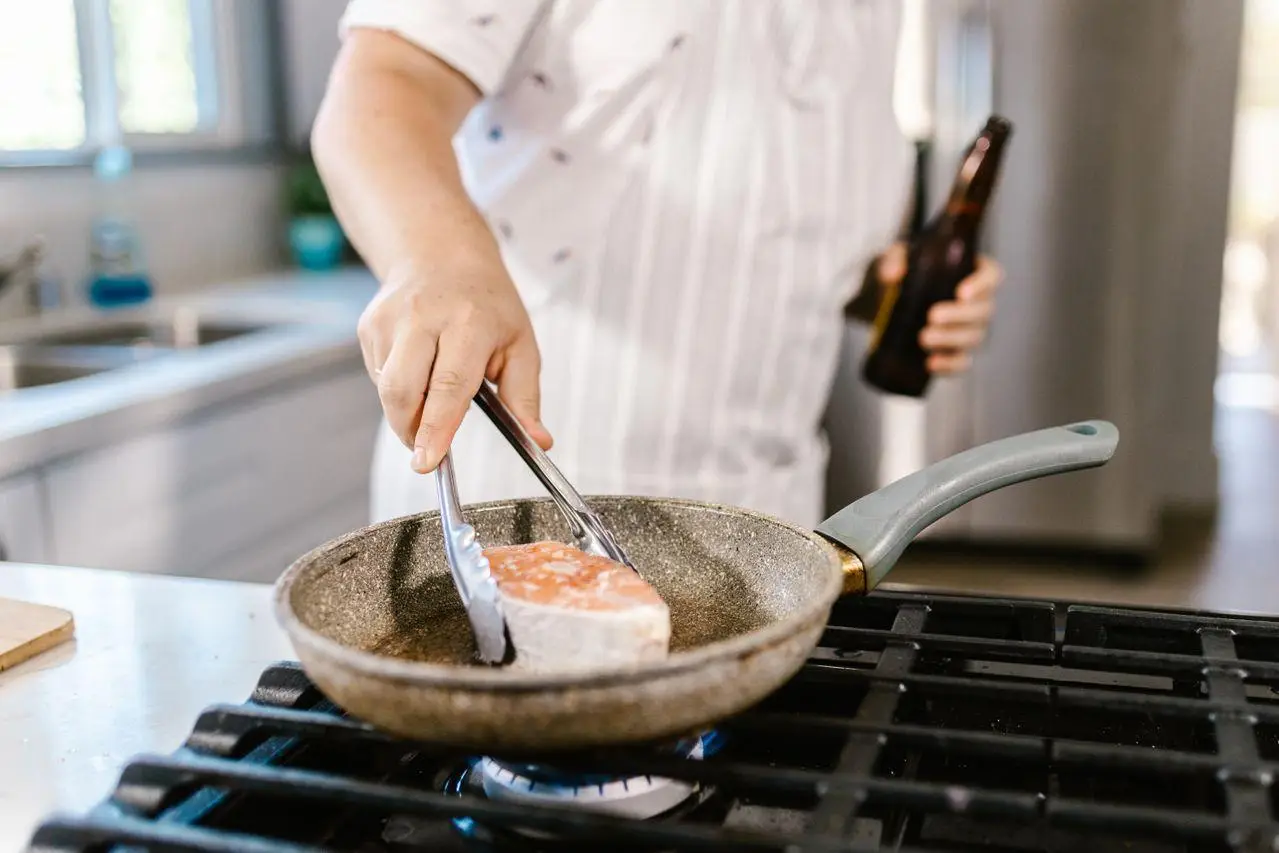
Pan control plays a crucial part here. You can start skin-on fillets in a moderately hot pan and reduce the heat once the skin crisps, allowing heat to travel slowly through the flesh. With poaching, you use liquid that barely trembles rather than boils, which lets the fish cook evenly without breaking apart.
Brining and Pre-Treatment Methods
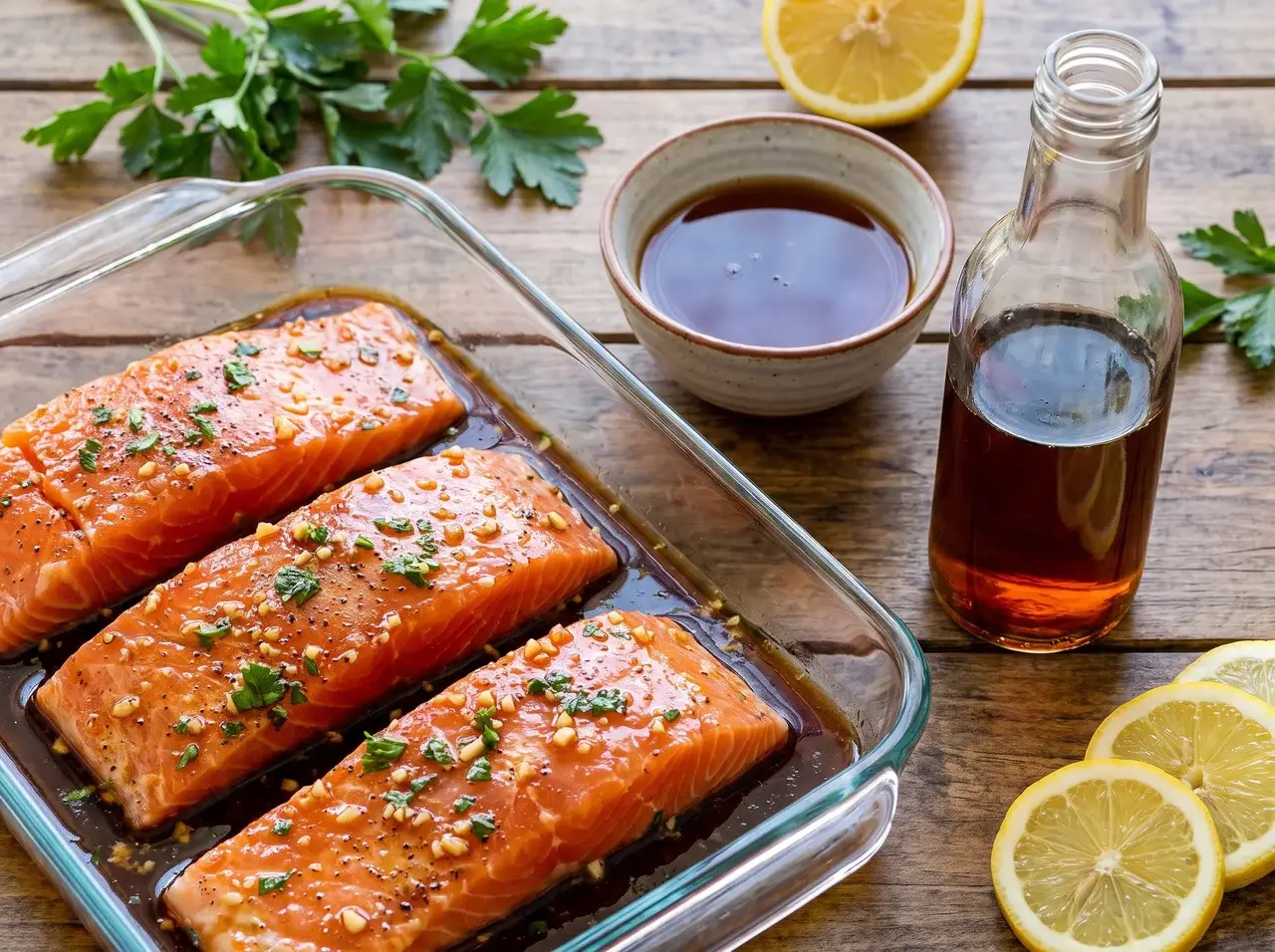
You improve flavour and texture before you even turn on the heat when you treat seafood properly. A light brine – around 5% salt solution – helps fish retain moisture during cooking and seasons it all the way through. You only need 10-15 minutes for delicate fillets; longer soaking overwhelms the natural taste.
You can also air-dry fish in the fridge after brining, which forms a tacky surface known as a pellicle. This layer helps smoke adhere better if you plan to smoke the fish and improves browning in a pan. For shellfish, you might purge clams in salted water so they release grit, giving you a cleaner final dish.
You might even use a free VPN for your PC to explore region-specific culinary resources or traditional pre-treatment methods that local chefs share on geographically restricted platforms.
Balancing Flavours With Acidity and Fat
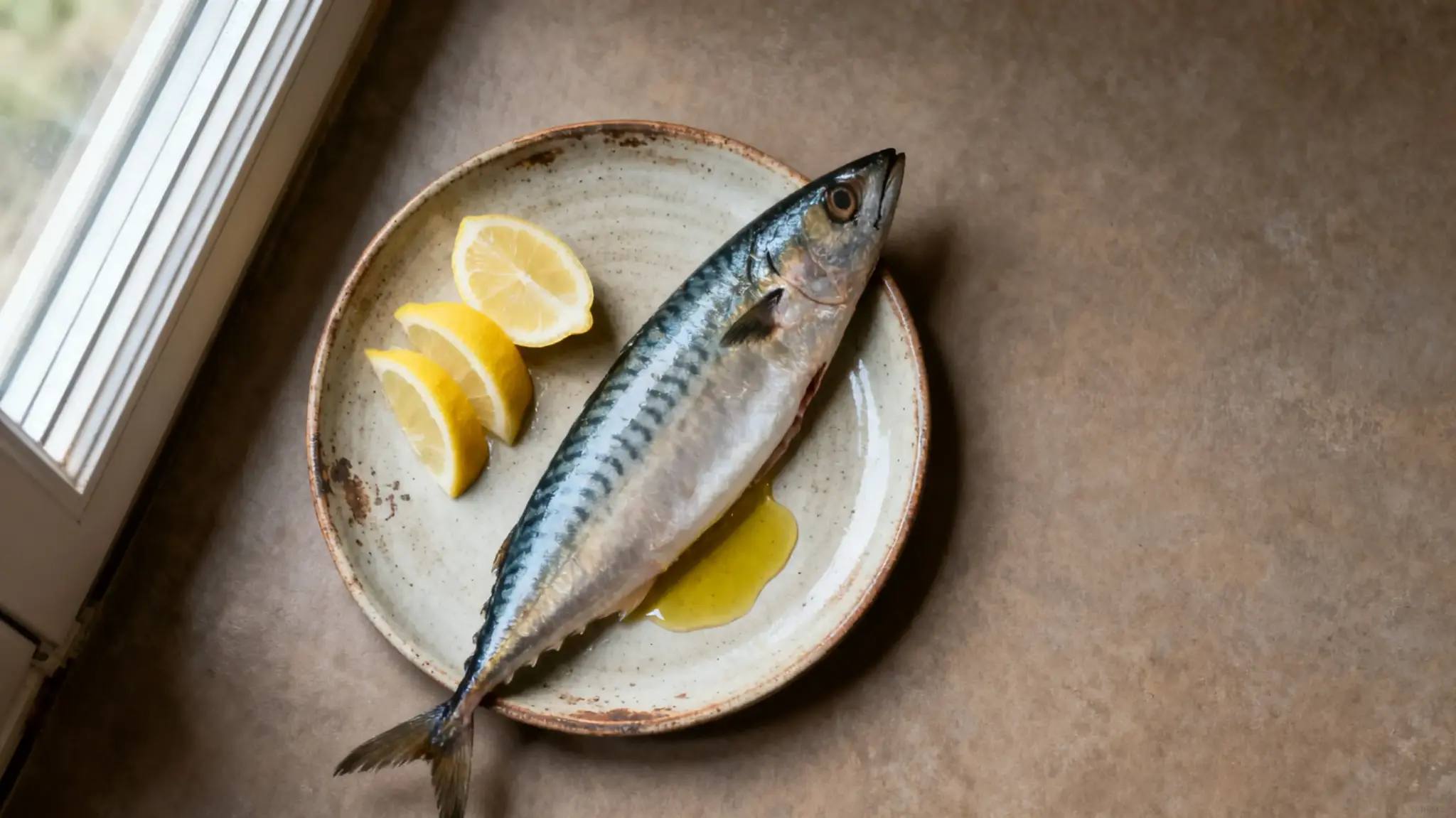
Oily fish such as mackerel or sardines carry strong flavours that benefit from sharp acidic elements like lemon juice, vinegar or pickled garnishes. These ingredients cut through the fat and refresh your palate between bites.
At the same time, lean fish such as cod can taste flat without added fat. You can introduce butter, olive oil or even a light cream sauce to provide depth and a satisfying mouthfeel. Classic combinations such as beurre blanc succeed because they emulsify fat and acid into a smooth sauce that enhances rather than overwhelms the fish. Add acidity gradually and taste as you go to keep the balance precise.
Presentation and Texture Enhancement Techniques
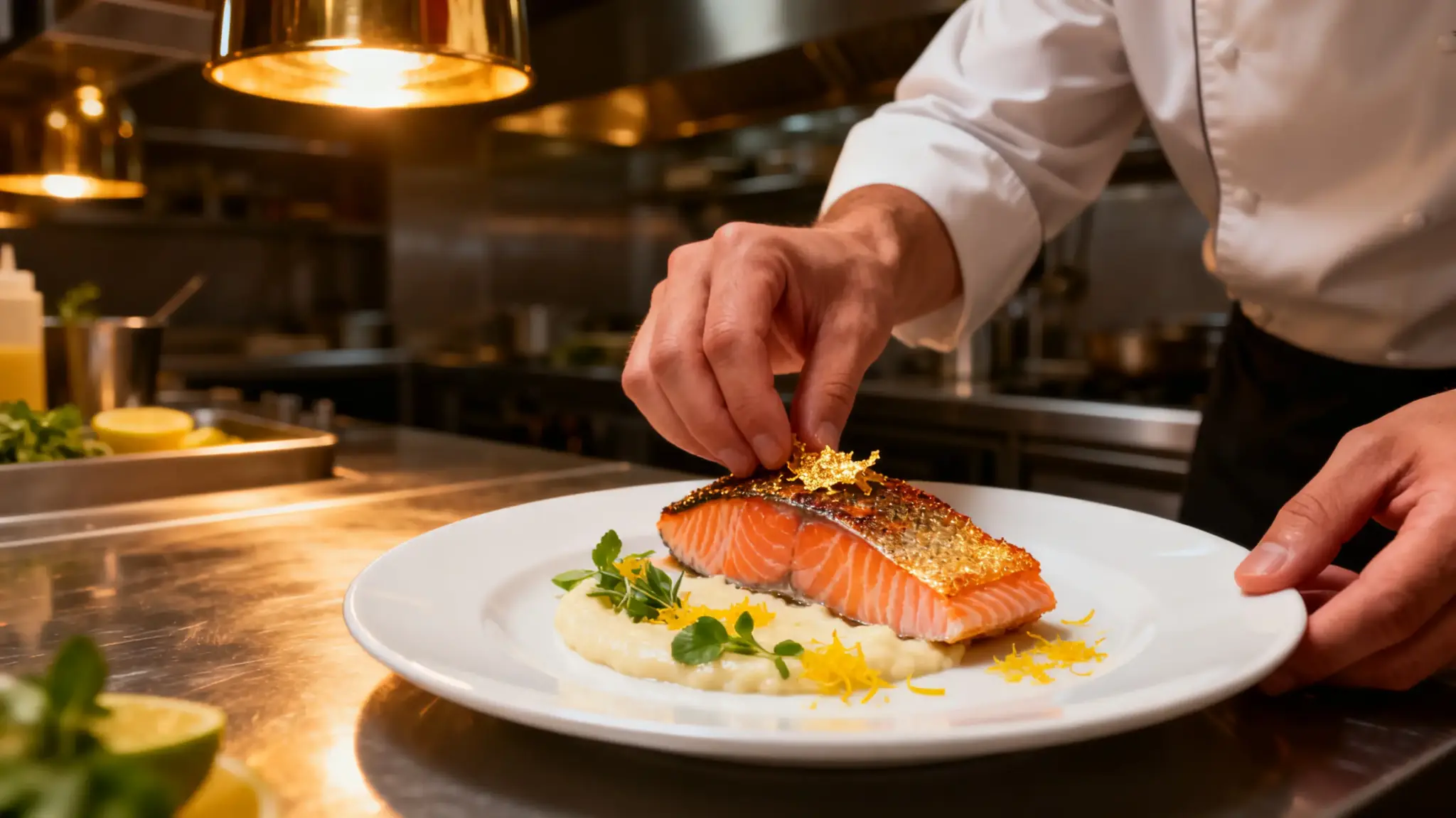
You engage more of the senses when you vary texture and refine how you present seafood. Crisp skin contrasts with soft flesh, while a scattering of toasted crumbs or nuts adds a subtle crunch. You can layer these textures via a silky puree underneath, perfectly cooked fish in the centre and a crisp element on top.
Colour also shapes perception. Bright herbs, citrus zest or finely sliced vegetables lift the appearance and signal freshness before the first bite. Careful slicing matters too; when you cut against the grain of a cooked fillet, you create a more delicate feel in the mouth.
Rest cooked fish for a minute before plating so the juices settle and the texture remains intact.