


A seafood display does two jobs at once, and most people only notice one. It sells the fish, drawing the eye with color and ice. It also protects the fish, holding a temperature that decides whether a fillet lasts a day or three.
Get the refrigeration wrong and you lose both stock and customers. That is why retailers invest in proper equipment, such as a Display fridge at Toronto Commercial Refrigeration, built to hold seafood at the right temperature while showing it off. This guide explains why display refrigeration matters, how cold it really needs to be, and how to choose a unit that earns its keep.
Why Does Display Refrigeration Matter for Seafood?
Because seafood is among the most perishable food there is. Fish spoils faster than meat, and the clock starts the moment it leaves deep cold storage.
A display fridge buys time without hiding the product. It keeps the catch at a safe temperature on the sales floor, where customers can see it, while slowing the bacterial growth that ruins texture and smell. A warm display does the opposite, turning fresh fish into a loss in hours.
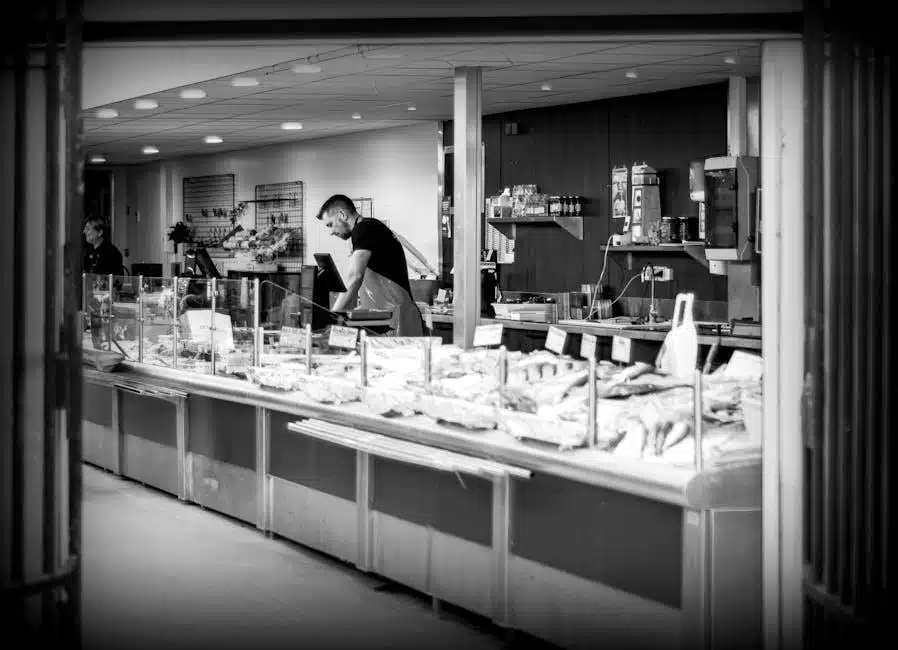
There is a sales angle too. A clean, cold, well-lit display signals quality before a word is spoken. Shoppers trust seafood they can see resting on crushed ice behind clear glass, and they walk past anything that looks tired or warm.
Temperature control is the single biggest factor in safe seafood handling, and it sits right beside the federal guidance on safe internal temperatures. A display case is exactly where that control is won or lost. Hold the cold and you hold the quality. Lose it for an hour at the counter and no amount of presentation saves the product.
What Should a Good Display Fridge Do?
A strong unit handles several jobs at once. Look for these features before buying:
- Stable temperature. It should hold a steady cold even when the doors open often.
- Even airflow. Cold has to reach every corner, not just the front.
- Clear visibility. Glass and good lighting sell the product.
- Drainage and ice support. Seafood displays need proper meltwater handling.
- Energy efficiency. It runs all day, so running cost matters.
A unit that nails these keeps fish safe and looking its best. One that skips them costs you in spoilage and in sales you never notice losing.
Capacity is the easy thing to get wrong. A display that is too small forces overstocking, which blocks airflow and creates warm spots. One that is too large runs half-empty and wastes energy. Sizing the case to your real daily volume, with a little headroom, keeps both the cold and the costs under control.
How Cold Is Cold Enough for Seafood?
Colder than most other foods, and with little margin for error. Fresh fish is best held very close to freezing, on or under ice, rather than at standard fridge temperature.
The general rule keeps refrigerated food at or below 40°F, but seafood does best between 30°F and 34°F. Frozen product needs 0°F or lower to hold quality. For exact safe times and temperatures, the federal cold food storage charts are worth pinning to the wall. The same science that decides how long cooked seafood lasts at home is what a retailer manages at scale.
Consistency is everything. A display that swings warm during a busy lunch undoes the cold chain, even if it reads correctly overnight. That is why commercial units are built to recover temperature fast after the doors open.
Glass-Door or Open: Which Display Works?
Both have a place, and the right pick depends on the shop. The table below compares the common choices.
Display Type | Best For | Trade-Off |
|---|---|---|
Glass-door upright | Packaged seafood, drinks, grab-and-go | Less dramatic than open ice |
Open ice counter | Whole fish and fresh fillets on show | Higher running cost, more upkeep |
Refrigerated case | Mixed deli and seafood service | Needs skilled merchandising |
Chest freezer display | Frozen and bulk product | Lower visibility per item |
Glass-door units win on efficiency and food safety, since the barrier keeps cold in. Open displays win on theater, which sells premium fresh fish. Many counters run both. Solid cold storage behind the scenes backs up whatever sits on the floor.
What to Keep In Mind
- A seafood display protects the product and sells it at the same time.
- Fish spoils fast, so display temperature is a safety issue, not just a sales one.
- Aim for 30°F to 34°F for fresh seafood and 0°F for frozen.
- Look for stable cold, even airflow, visibility, and drainage.
- Match the display type, glass-door or open, to your shop and product.
Choosing a Display That Pays Off
A display fridge is one of the few pieces of equipment that protects your stock and markets it in the same breath. Pick one that holds temperature reliably, shows the product clearly, and runs efficiently, and it pays for itself in reduced waste and stronger sales. For anything as perishable as seafood, that reliability is not a luxury, it is the whole business.
Frequently Asked Questions
What Temperature Should a Seafood Display Fridge Be?
Fresh seafood is best held between 30°F and 34°F, colder than a standard fridge at 40°F, ideally on a bed of ice. Frozen product needs 0°F or lower. Holding fish close to freezing without actually freezing it preserves both texture and shelf life.
Are Glass-Door Display Fridges Better Than Open Cases?
It depends on the goal. Glass-door units are more energy efficient and hold temperature better because the door keeps cold in. Open ice cases display fresh fish more dramatically and suit premium counters. Many seafood shops use both, matching the display to the product.
How Long Can Seafood Stay In a Display Fridge?
Less time than many foods. Most fresh fish keeps just 1 to 2 days even at the right temperature, while some shellfish is shorter still. A reliable, cold display extends that window, but seafood should always be sold or moved to deeper cold storage quickly.
Is a Commercial Display Fridge Worth the Cost?
For any business selling perishable food, yes. The price is offset by lower spoilage, safer product, and stronger sales from an appealing display. A cheap unit that swings warm or fails during service costs far more in lost stock than the savings on purchase.