

The connection between what we eat and how we feel is well understood. But the tools we use to support our bodies go beyond diet alone. Red light therapy has emerged as one of the most evidence-backed technologies for addressing two of the most common health concerns people face — chronic inflammation and skin health. For anyone already invested in looking after their body from the inside, understanding what red light therapy can do from the outside is a natural next step.
StreamShop Australia supplies a range of red light therapy for inflammation and skin health applications, with devices spanning panels, mats, and facial devices designed for consistent home use.
What Is Red Light Therapy?
Red light therapy, formally known as photobiomodulation, uses specific wavelengths of red and near-infrared light to stimulate biological activity at the cellular level. When absorbed by the skin and underlying tissue, this light interacts with mitochondria, the energy-producing centres of cells, triggering a cascade of responses including increased ATP production, reduced oxidative stress, and enhanced tissue repair.
The process is non-invasive, requires no downtime, and sessions typically run between 10 and 20 minutes. It works with the body’s own biological systems rather than introducing external substances, which is why it has attracted serious research attention across dermatology, sports medicine, and pain management.
Red Light Therapy and Inflammation
Inflammation is the body’s natural response to stress, injury, and infection. In short bursts it is essential for healing. The problem arises when inflammation becomes chronic, persisting at a low level over weeks, months, or years and contributing to a wide range of health conditions including joint pain, skin conditions, fatigue, and digestive issues.
Red light therapy addresses inflammation through several biological pathways. Near-infrared wavelengths penetrate deep into tissue where they modulate the activity of inflammatory mediators, reducing the production of pro-inflammatory cytokines and supporting the resolution of the inflammatory response. Studies across multiple fields have documented reductions in inflammatory markers with consistent red light therapy use, including in conditions like arthritis, tendinitis, and chronic lower back pain.
For people who already pay close attention to their diet, reducing processed foods, prioritising omega-3 rich sources, and managing sugar intake to keep inflammation in check, red light therapy offers a complementary tool that works at the cellular level to support the same outcome. The combination of anti-inflammatory nutrition and consistent red light therapy use addresses inflammation from two directions simultaneously.
Red Light Therapy for Skin Health
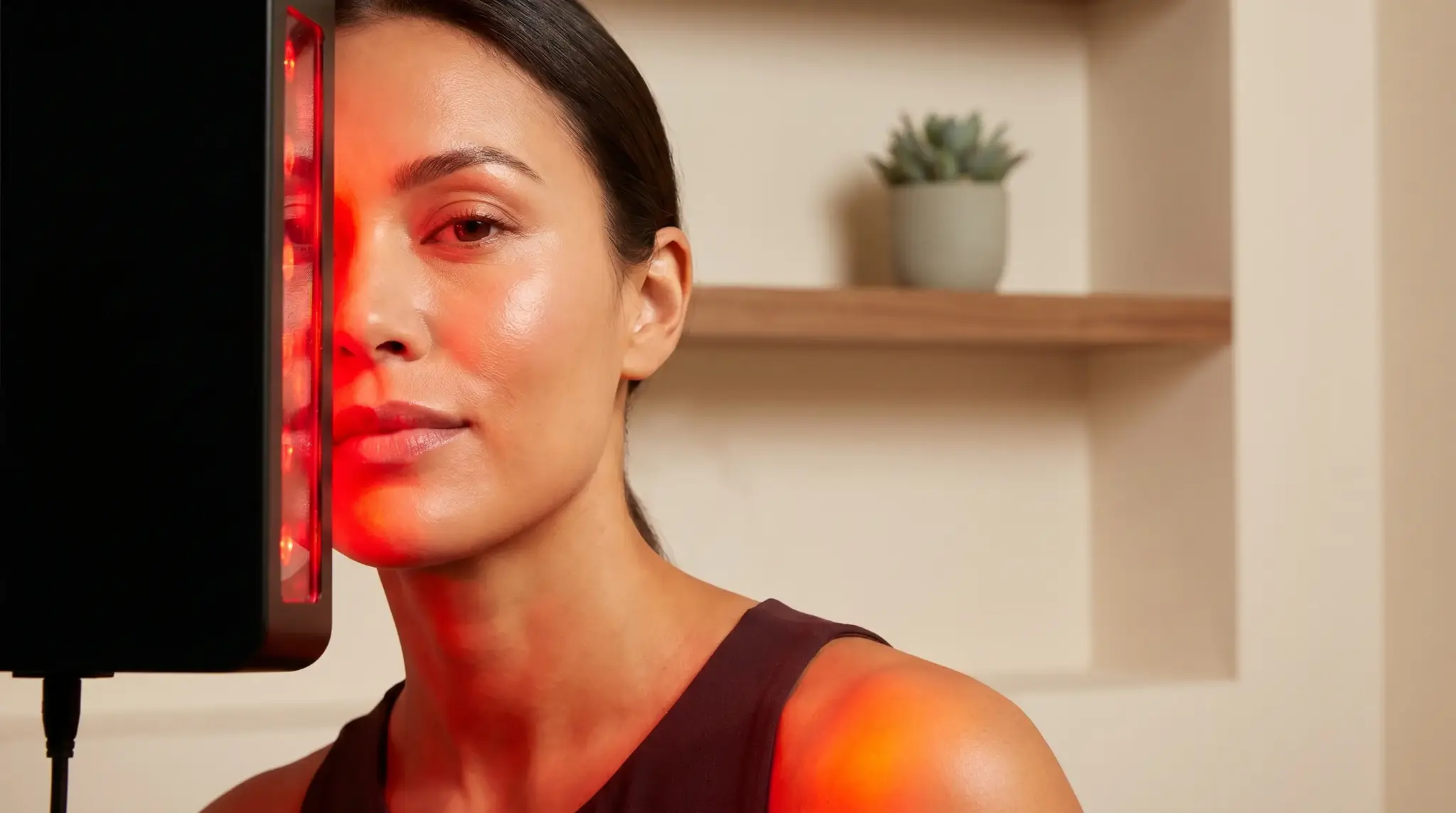
The skin benefits of red light therapy are among the most extensively researched applications of the technology. Red wavelengths in the 630nm to 660nm range directly stimulate fibroblasts, the cells responsible for producing collagen and elastin. The result over consistent use is measurable improvement in skin texture, tone, and firmness.
Specific skin concerns that respond well to red light therapy include fine lines and wrinkles, where increased collagen production reduces the appearance of lines over weeks of regular use. Uneven skin tone and pigmentation respond to the improved cellular turnover that red light therapy supports. Acne and blemish-prone skin benefits from the anti-inflammatory and antibacterial effects of blue light wavelengths, which some devices combine with red light for a comprehensive approach.
Wound healing and scar reduction are well supported in the clinical literature, with red light therapy consistently showing accelerated healing times and reduced scar formation in controlled studies. For anyone dealing with persistent skin concerns that have not responded to topical treatments alone, adding a light therapy component addresses the underlying cellular environment rather than just the surface symptoms.
StreamShop Australia’s range of red light therapy for skin includes facial devices operating at advanced wavelengths including 1072nm LED masks with neck attachments and 1064nm laser masks, both listed on the Australian Register of Therapeutic Goods as Class IIa medical devices.
Choosing the Right Device
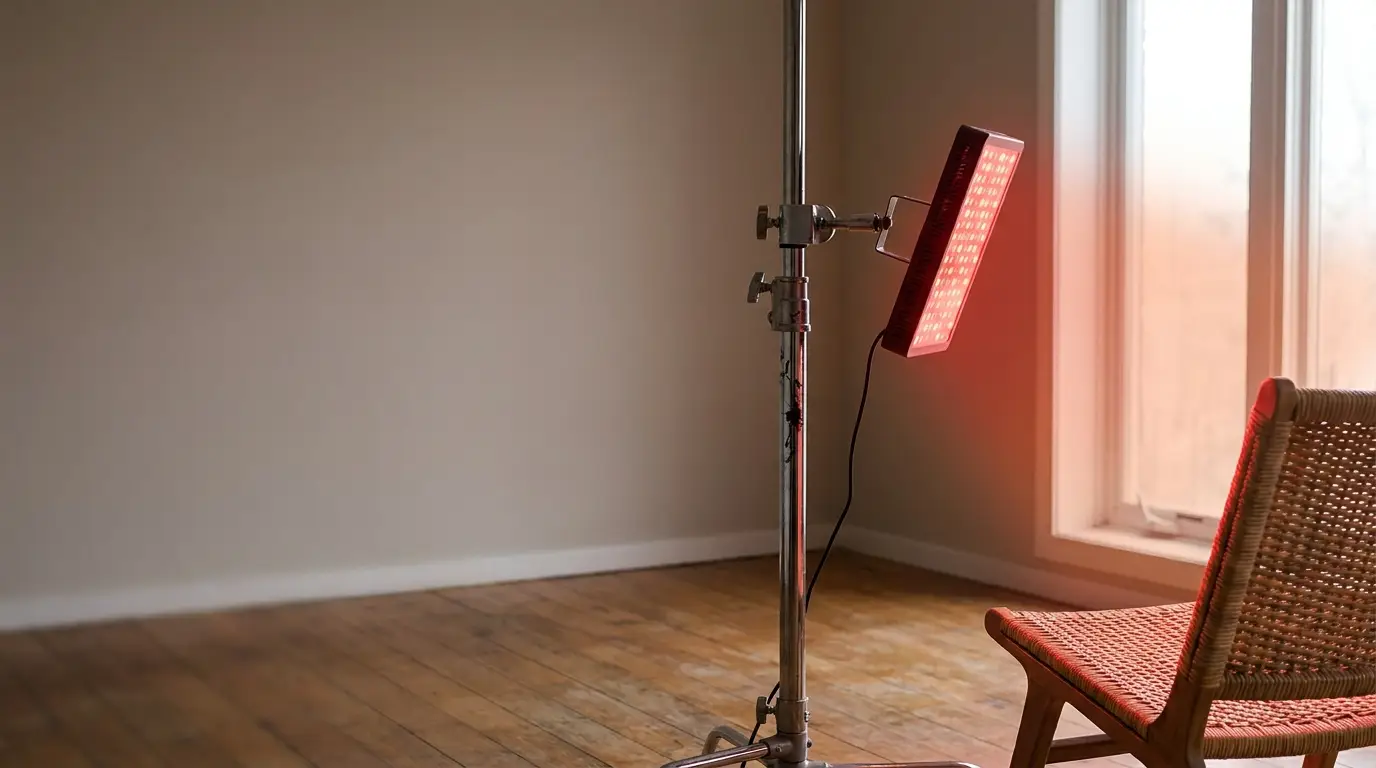
The range of red light therapy devices available covers several formats, each suited to different goals. Panels provide whole-body or large-area coverage and are the most versatile option for addressing systemic inflammation and general skin health across large surface areas. Facial devices in mask format deliver targeted treatment to the face, neck, and décolletage, making them the preferred option for skin-focused goals.
When evaluating devices, wavelength range and irradiance at the treatment distance are the two most important technical specifications. Wavelength determines which tissue depths and biological targets the light can reach. Irradiance determines how effective a dose is delivered within a practical session time. Devices that clearly specify both figures and back them with certification data are meaningfully more reliable than those relying on marketing claims alone.
Building a Consistent Routine
Consistency is the most important factor in achieving results with red light therapy. The technology works cumulatively, with collagen remodelling and inflammation reduction building over weeks and months of regular use rather than appearing after a single session.
A practical routine for most users involves sessions of 10 to 20 minutes three to five times per week. For skin goals, cleansed skin without active products allows maximum light penetration. For inflammation and recovery, positioning the device over the affected area at the recommended distance ensures the correct therapeutic dose is delivered.
Morning sessions complement an active lifestyle by supporting cellular processes at the start of the day. Evening sessions, particularly with devices that incorporate far infrared warmth, support recovery and sleep quality alongside the direct therapeutic effects of the light itself.
This article is intended for informational purposes only and does not constitute medical advice. Consult a qualified health professional before beginning any new therapeutic regimen.