

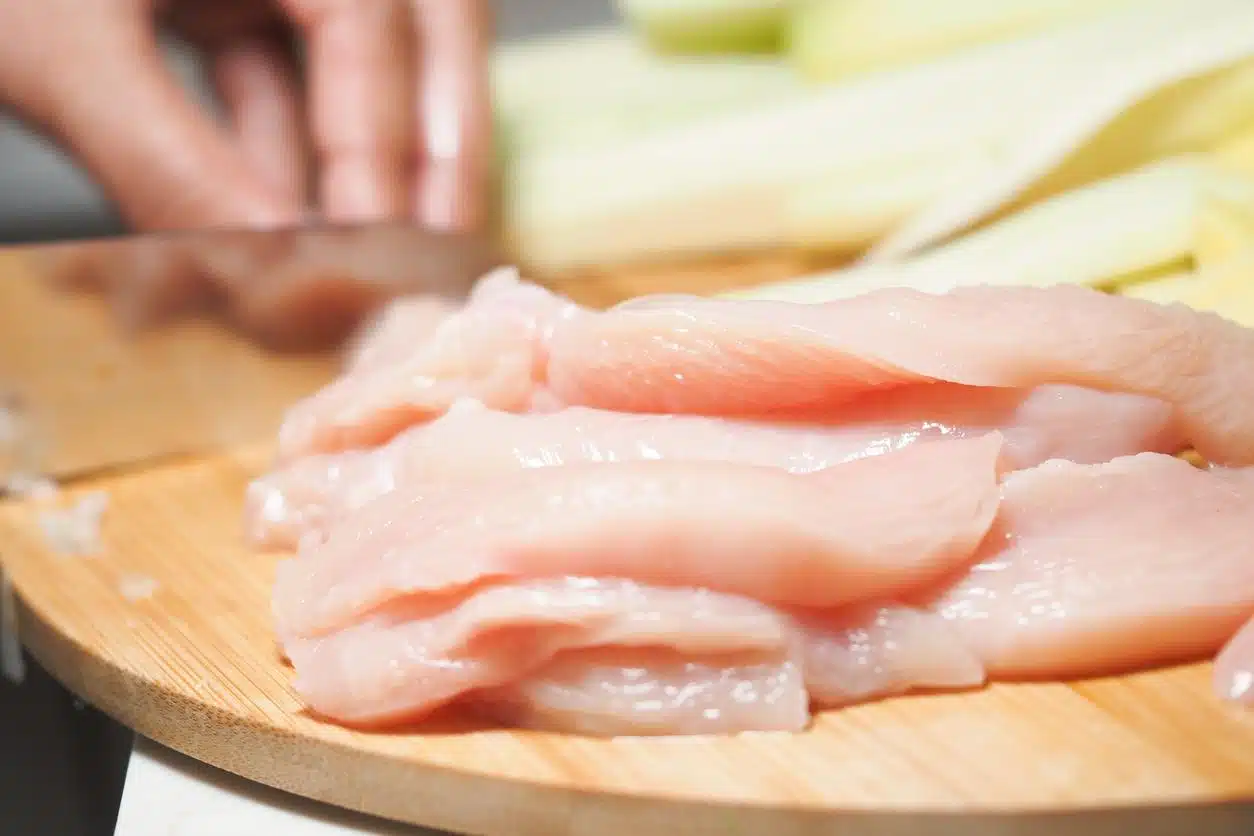
Raw chicken is a staple ingredient in countless home recipes, from classic comfort foods like chicken casserole to healthy weeknight dinners. However, handling raw poultry requires careful attention to food safety practices. Each year, millions of Americans experience foodborne illness, with chicken being one of the most common sources of contamination.
Understanding proper handling techniques can help you protect yourself and your family while preparing delicious meals at home. Whether you’re making a favorite family recipe or trying something new, following essential safety guidelines ensures your chicken dishes are both tasty and safe to eat.
Why Raw Chicken Requires Special Care
Raw chicken naturally contains bacteria like Salmonella and Campylobacter that can cause serious illness if not properly handled. These pathogens live in the intestinal tracts of healthy chickens and can contaminate the meat during processing. According to the CDC, raw chicken can contain foodborne germs that make you sick, and proper handling is critical to prevent the spread of these bacteria.
Unlike many other ingredients, chicken cannot be made safe through washing or rinsing. In fact, washing raw chicken actually increases the risk of contamination by splashing bacteria-laden water droplets onto countertops, utensils, and other foods.
The only reliable way to eliminate harmful bacteria is through proper cooking to the correct internal temperature. This makes every step of the handling process, from store to table, crucial for food safety.
Understanding these risks helps explain why food safety experts emphasize careful practices when working with raw poultry. Cross-contamination, which occurs when bacteria transfer from raw chicken to other foods or surfaces, is one of the primary ways people become ill from chicken preparation.
Safe Storage Practices From Store to Refrigerator
Proper storage begins the moment you select chicken at the grocery store. The USDA Food Safety and Inspection Service recommends choosing chicken packages that feel cold to the touch and show no signs of damage or leaking. Place raw chicken in a disposable plastic bag before putting it in your cart to prevent juices from contaminating other groceries.
At home, refrigerate chicken immediately at 40°F or below. Store it on the lowest shelf of your refrigerator, preferably on a plate or in a container to catch any drips that could contaminate ready-to-eat foods below. Raw chicken should be used within one to two days of purchase. If you don’t plan to cook it within this timeframe, freeze it immediately.
When freezing chicken, wrap it tightly in freezer paper, aluminum foil, or place it in freezer bags to prevent freezer burn. Properly frozen chicken maintains quality for up to nine months for whole birds and three to four months for chicken pieces. Label packages with the date to help track storage time and ensure you use older items first.
Thawing Chicken Safely
Never thaw chicken at room temperature on the counter, as this creates an ideal environment for bacterial growth. The safest method is to thaw chicken in the refrigerator, which requires planning ahead. A pound of chicken typically needs about 24 hours to thaw completely in the refrigerator.
For faster thawing, you can submerge sealed chicken packages in cold water, changing the water every 30 minutes. Small packages may thaw in an hour or less using this method, while larger items may take two to three hours. Cook chicken immediately after thawing in cold water.
Microwave thawing is another option when you’re short on time. Use the defrost setting and cook chicken immediately after thawing, as some areas may begin cooking during the microwave thawing process. According to the FDA, never place cooked food on a plate that previously held raw meat, poultry, or eggs unless the plate has been thoroughly washed.
Preventing Cross-Contamination in Your Kitchen
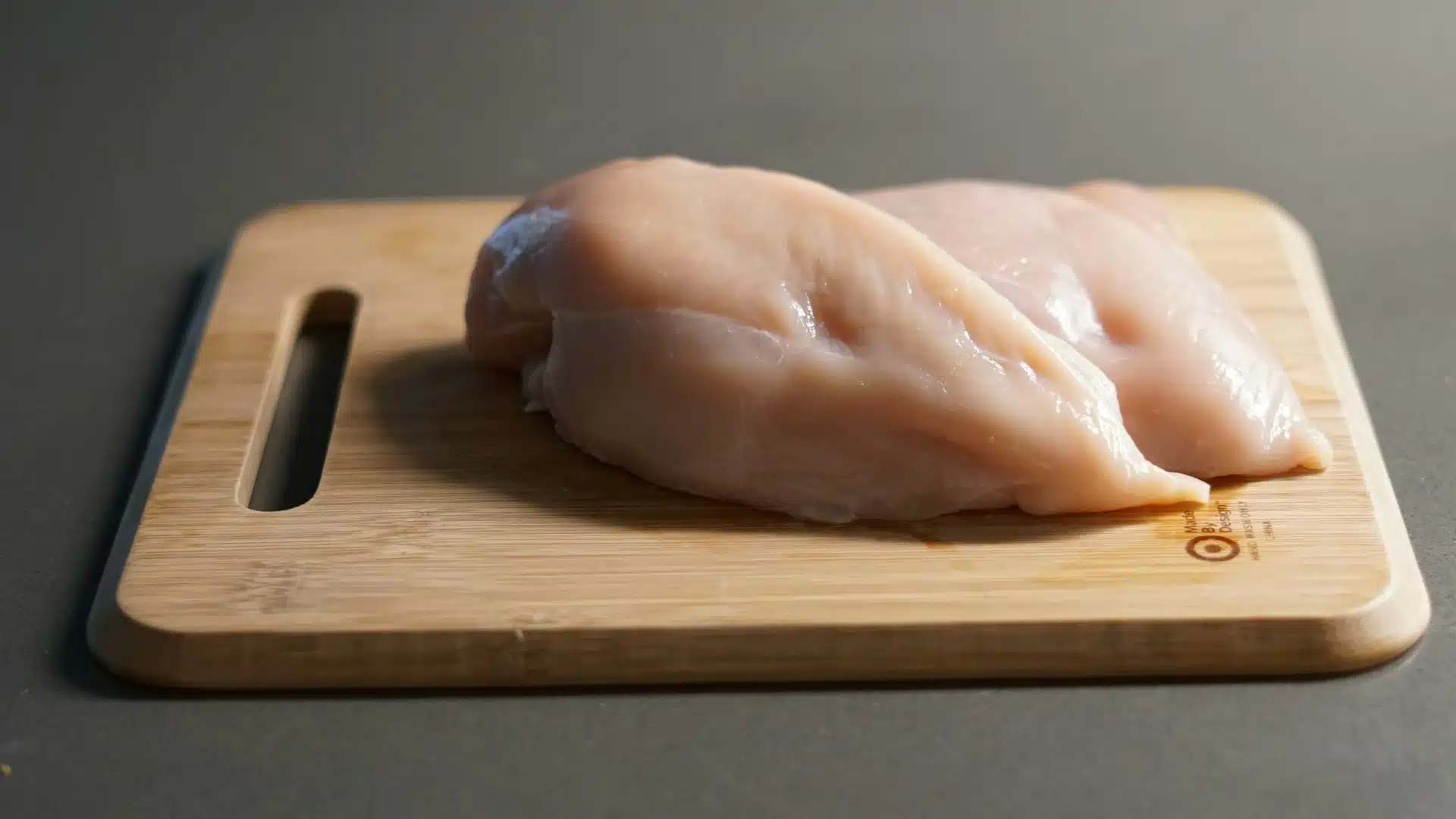
Cross-contamination is the transfer of harmful bacteria from raw chicken to other foods, surfaces, or utensils. Preventing this requires constant vigilance throughout the cooking process. Designate specific cutting boards for raw meat and poultry, keeping them separate from boards used for vegetables and ready-to-eat foods.
Wash your hands with soap and warm water for at least 20 seconds before and after handling raw chicken. This simple step is one of the most effective ways to prevent the spread of bacteria. Pay attention to everything you touch while handling raw chicken, including faucet handles, cabinet knobs, and drawer pulls, and sanitize these surfaces after cooking.
Use separate utensils for raw and cooked chicken. Never use the same fork, tongs, or knife for raw chicken and then use it again without washing. If you’re marinating chicken, either discard the marinade or bring it to a rolling boil before using it as a sauce. Many home cooks make the mistake of reusing marinades without this critical safety step, which can lead to illness.
Proper Cooking Temperatures and Techniques
Cooking chicken to the correct internal temperature is the only way to ensure harmful bacteria are destroyed. The USDA recommends cooking all poultry to an internal temperature of 165°F. Use a food thermometer inserted into the thickest part of the meat, avoiding bone, to verify this temperature.
Color is not a reliable indicator of doneness. Chicken can appear fully cooked while still harboring dangerous bacteria, or it may show pink coloring even when safely cooked to the proper temperature. A food thermometer eliminates guesswork and provides confidence that your chicken is safe to eat.
When cooking chicken in recipes that include other ingredients, ensure the chicken pieces are not overcrowded in the pan, which can lead to uneven cooking. Allow the chicken to reach room temperature for about 15 minutes before cooking for more even heat distribution, but never leave it at room temperature for longer than two hours.
After Cooking: Safe Handling and Storage
Food safety doesn’t end when cooking is complete. Proper handling of cooked chicken is equally important. Serve chicken on clean plates using clean utensils, never reusing dishes or tools that touched raw chicken. Keep hot foods hot at 140°F or above if you’re not serving immediately.
Refrigerate leftovers within two hours of cooking, or within one hour if the room temperature exceeds 90°F. Store leftovers in shallow containers to allow quick cooling. Properly stored cooked chicken remains safe for three to four days in the refrigerator or up to four months in the freezer.
When reheating chicken, bring it to an internal temperature of 165°F. Reheat sauces and gravies to a rolling boil. These practices ensure any bacteria that may have developed during storage are eliminated before consumption.
Understanding Your Rights After Food Poisoning
Despite following proper food safety practices at home, contaminated chicken can still cause illness due to issues that occur during processing or at the retail level. Food poisoning symptoms typically include nausea, vomiting, diarrhea, fever, and abdominal pain. While most cases resolve within a few days, some can lead to serious complications requiring medical attention.
Massachusetts residents who experience severe food poisoning may have legal options, especially if the illness results in hospitalization, lost wages, or ongoing health issues. Food poisoning lawyers in Massachusetts can help determine if contaminated products or negligent handling by food producers or retailers contributed to your illness. Legal professionals experienced in foodborne illness cases understand the complex regulations governing food safety and can investigate whether violations occurred in the supply chain.
Documentation is crucial if you suspect food poisoning from chicken. Save any remaining product, packaging, and receipts. Seek medical attention promptly and request testing to identify the specific bacteria causing your illness. These records become important evidence if you later pursue a legal claim. While home cooks bear responsibility for safe handling, food producers and retailers also have legal obligations to provide safe products.
Key Takeaways for Safe Chicken Handling
Safe chicken handling at home requires attention to detail at every stage, from shopping to serving. Never wash raw chicken, as this spreads bacteria rather than removing it. Always use a food thermometer to verify the internal temperature reaches 165°F. Keep raw chicken separate from other foods to prevent cross-contamination.
Wash your hands thoroughly before and after handling raw poultry. Store chicken properly in the refrigerator or freezer, and thaw it using safe methods only. Clean and sanitize all surfaces, cutting boards, and utensils that contact raw chicken.
By incorporating these practices into your cooking routine, you can enjoy delicious chicken recipes like Dorito chicken casserole while protecting your family from foodborne illness. Safe food handling becomes second nature with practice, allowing you to focus on creating memorable meals without worry.