

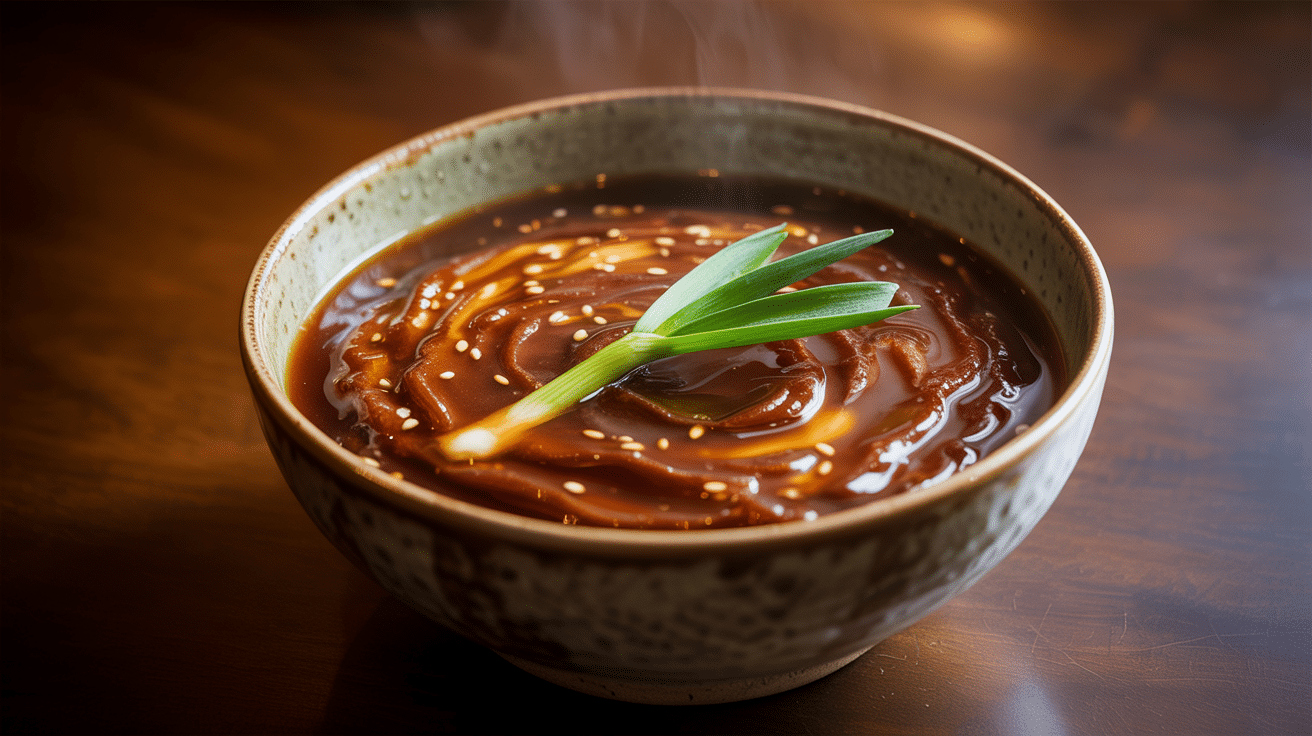
Your dinners taste boring. You cook the same meals over and over. You want to try new flavors but don’t know where to start.
Here’s your hero, Miso Paste. One jar of miso paste can completely change how your food tastes. This Japanese condiment adds rich, salty-sweet flavors that make everything taste better.
From grilled vegetables to roasted chicken, this sauce brings depth and richness to every bite.
This blog has five simple miso glaze recipes that could make you the hero of dinnertime.
What is Miso Glaze?
Miso Paste/Glaze is a culinary game-changer; a rich, savory-sweet concoction that changes dishes with its bold umami flavor and glossy, caramelized finish.
At its core, it is a blend of fermented miso paste, sweeteners like honey or mirin, soy sauce, and aromatics such as garlic or ginger.
This powerhouse mixture serves as a marinade, glaze, or sauce, delivering a perfect balance of salty, sweet, and savory notes that make everything taste better, from flaky fish to roasted vegetables.
Its ability to caramelize beautifully under heat makes it a go-to for creating restaurant-quality dishes at home with minimal effort.
Nutritional Value of Miso Paste
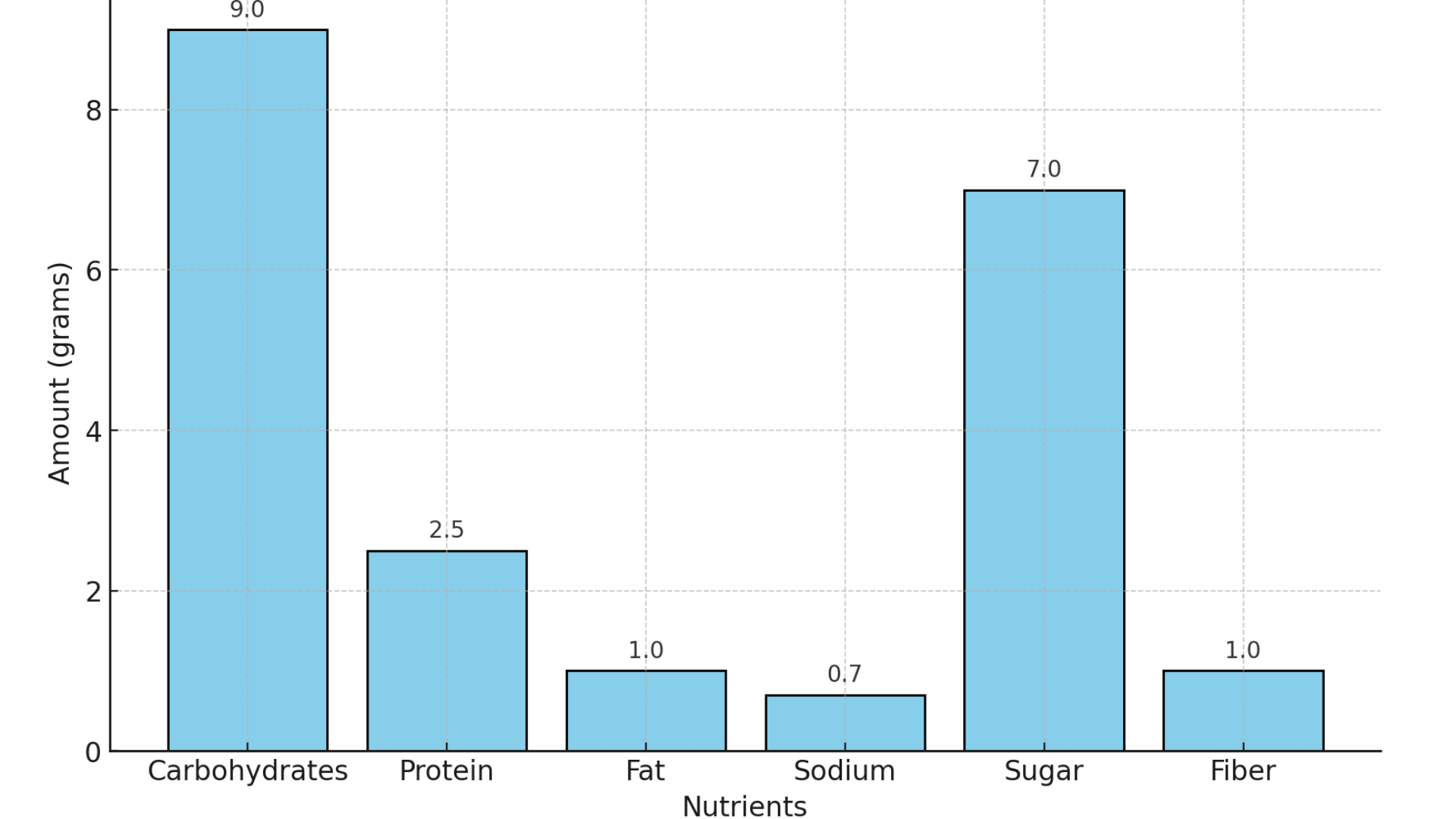
It isn’t just tasty; it actually brings some nutritional benefits to your meals.
My Go-To Miso Glaze Recipe for Over 4 Years Now
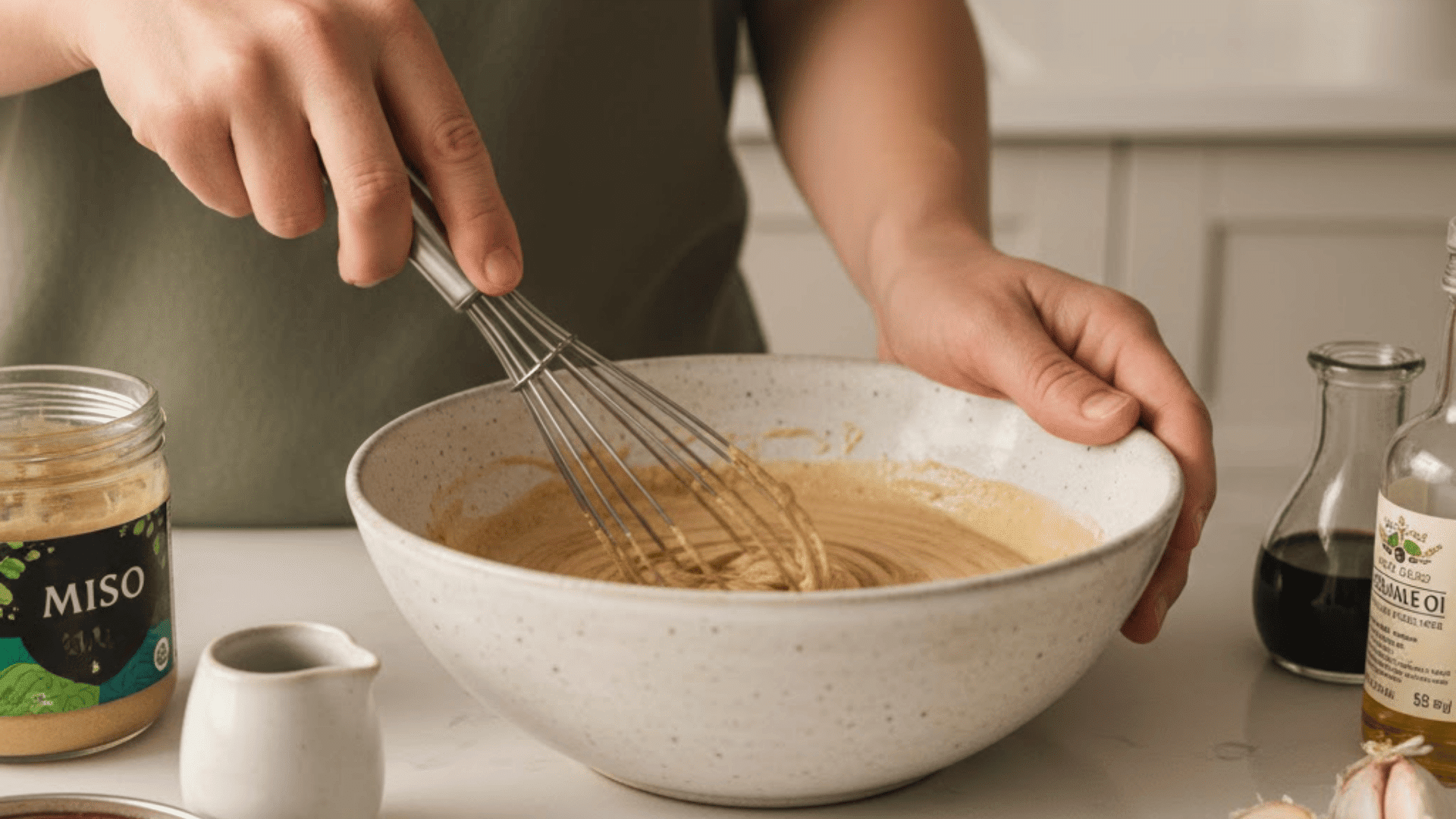
Making your own miso glaze is easier than you think. I’m going to show you the simple recipe I use every single time.
This is my go-to base recipe. I’ve made it hundreds of times in my kitchen. It never fails me.
Servings
This recipe makes about ½ cup of miso glaze, enough for 4-6 servings.
What I count as one serving:
- 2 fish fillets (salmon, cod, or halibut)
- 4-6 chicken wings or 2 chicken thighs
- 1 pound of vegetables
- 2 pork chops or 1 small tenderloin
- 12-15 shrimp or 8-10 scallops
Ingredients
- ¼ cup white or red miso paste
- 2 tbsp mirin (or rice vinegar for tang)
- 1 tbsp soy sauce (low-sodium optional)
- 1 tbsp honey (or maple syrup for vegan)
- 1 tsp sesame oil
- 1 garlic clove, minced (or 1 tsp grated ginger)
Step-by-Step Recipe
1. In a small bowl, whisk all ingredients until smooth and fully combined.
2. Taste and adjust by adding more honey for sweetness, soy sauce for salt, or water (1 teaspoon at a time) for a thinner consistency.
3. Use immediately as a marinade, glaze, or sauce, or store in an airtight container in the fridge for up to 7 days. Stir before using, as it may separate.
Must Try Miso Glaze Recipes for that Umami Flavor
These recipes blend Japanese roots with global twists, offering clear steps, variations, and pro tips.
Fish takes center stage, complemented by a variety of versatile vegetable, protein, and grain-based dishes.
1. Fish Fillets (Salmon, Cod, Halibut, or Mackerel)
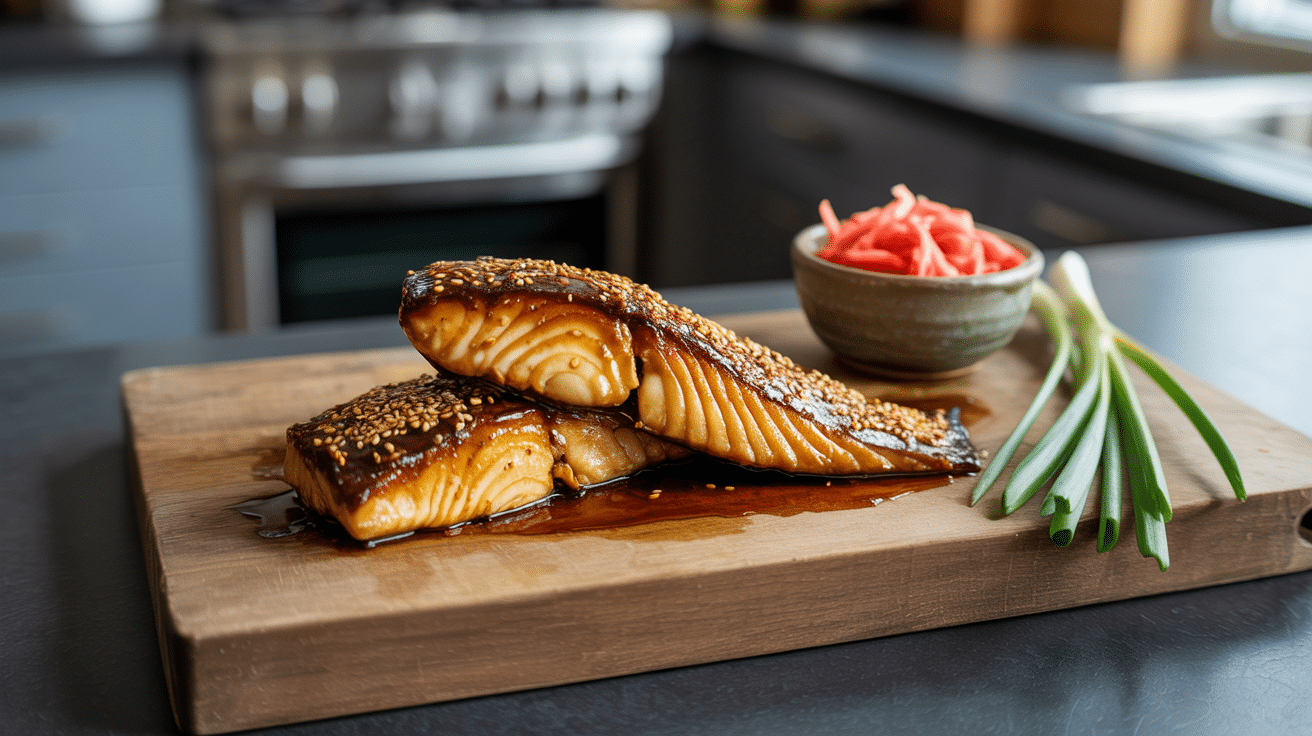
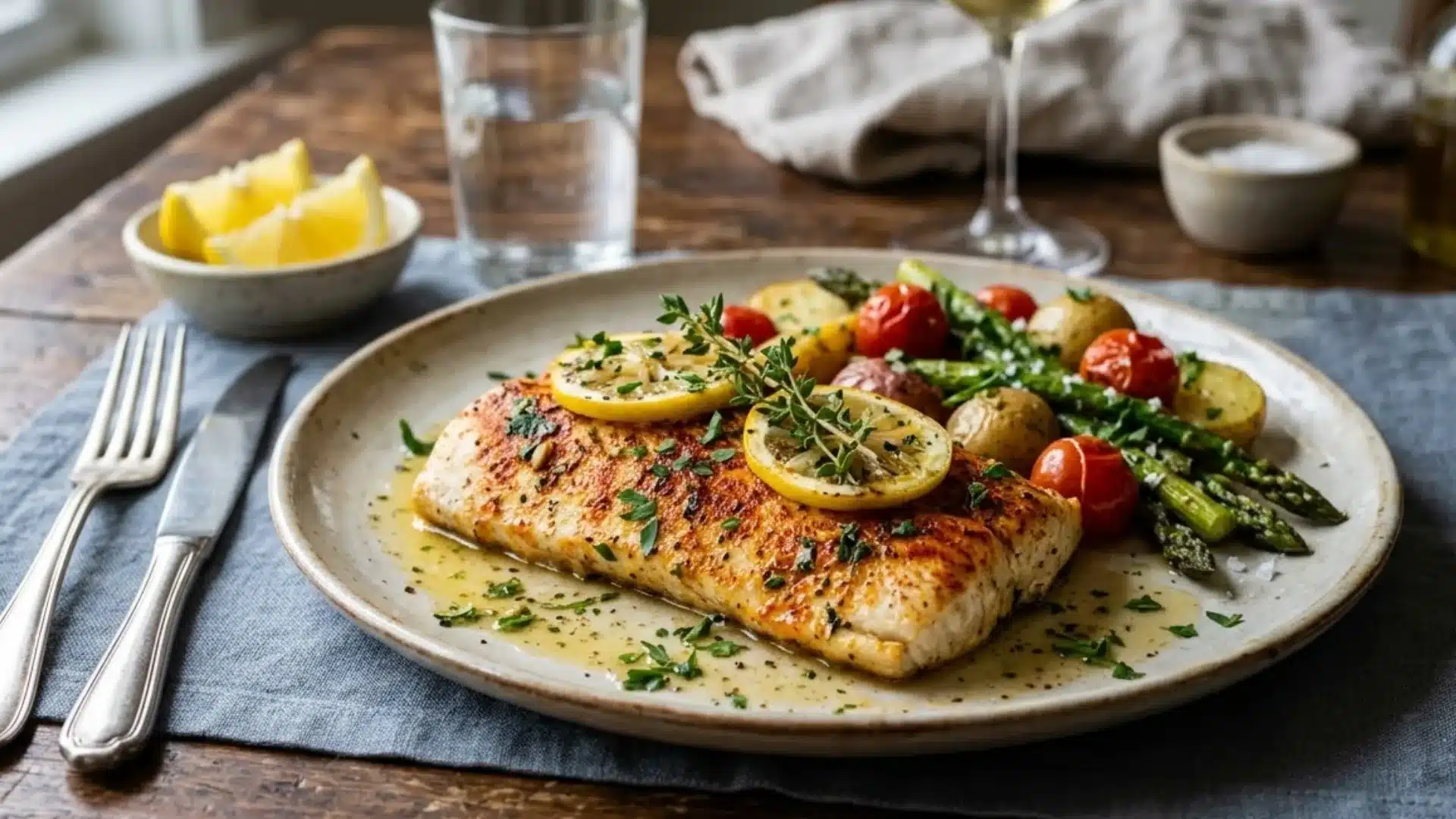
It adds a rich, umami flavor to fish fillets. The sweet-salty coating caramelizes while baking or broiling, making salmon, cod, halibut, or mackerel shine with restaurant-level taste.
Ingredients Required
| Ingredient | Quantity |
|---|---|
| Miso paste | 2-3 tablespoons |
| Mirin or rice vinegar | 1-2 tablespoons |
| Soy sauce or tamari | 1-2 tablespoons |
| Maple syrup or honey | 1-2 tablespoons |
| Sesame oil | 1 teaspoon |
| Garlic (minced) | 1 clove |
| Ginger (grated) | 1 teaspoon |
Step-by-Step Instructions
Step 1: Mix 2 tablespoons of miso paste, 1 tablespoon of soy sauce, 1 tablespoon of mirin, and 1 teaspoon of sugar.
Step 2: Pat fish fillets dry.
Step 3: Brush glaze on top.
Step 4: Bake at 400°F for 12–15 minutes, or until the crust is flaky.
Step 5: Broil for 1–2 minutes for caramelization.
Step 6: Serve with steamed rice and greens.
2. Roasted Vegetables (Carrots, Brussels Sprouts, or Eggplant)
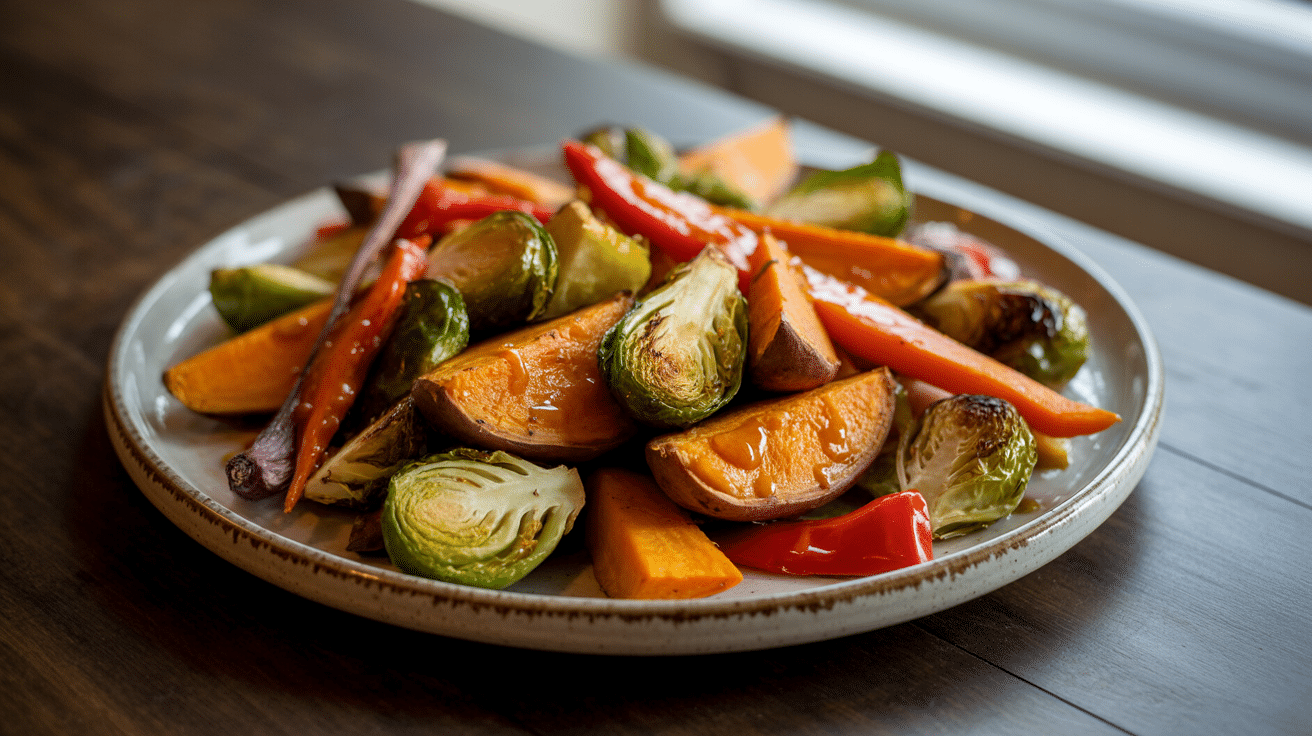
It brings out the flavor in vegetables. The caramelized glaze adds depth to carrots, Brussels sprouts, or eggplant, changing simple roasted vegetables into a delicious side dish that everyone enjoys.
Ingredients Required
| Ingredient | Quantity |
|---|---|
| Miso paste | 2 tablespoons |
| Maple syrup | 1-2 tablespoons |
| Rice vinegar | 1 tablespoon |
| Soy sauce | 1 tablespoon |
| Sesame oil | 1/4 to 1/2 teaspoon |
| Garlic (minced) | 1-2 cloves |
| Water | 1-2 tablespoons |
Step-by-Step Instructions
Step 1: Preheat oven to 425°F.
Step 2: Mix 2 tablespoons of miso paste, 1 tablespoon of honey, and 1 tablespoon of rice vinegar.
Step 3: Toss chopped vegetables with olive oil, salt, and pepper.
Step 4: Roast 20 minutes.
Step 5: Brush miso paste over vegetables.
Step 6: Roast for an additional 5–7 minutes, or until the meat is browned.
3. Glazed Chicken (Wings, Thighs, or Skewers)
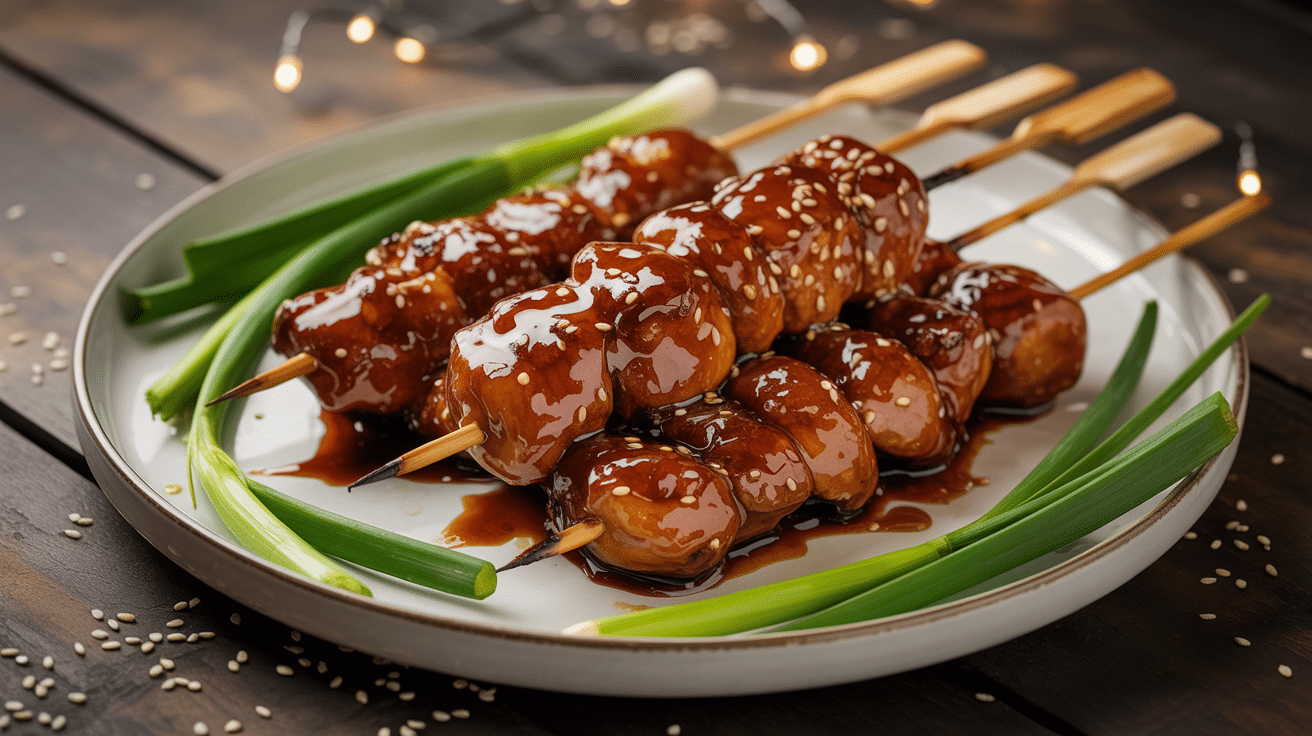
Chicken pairs beautifully with it. The savory-sweet coating keeps meat juicy and adds a glossy finish, whether you bake wings, grill skewers, or roast chicken thighs in the oven.
Ingredients Required
| Ingredient | Quantity |
|---|---|
| Miso paste | 2-3 tablespoons |
| Soy sauce | 2 tablespoons |
| Mirin or sake | 1-2 tablespoons |
| Brown sugar or honey | 1-2 tablespoons |
| Garlic (minced) | 1-2 cloves |
| Ginger (grated) | 1 teaspoon |
| Sesame oil | 1 teaspoon |
Step-by-Step Instructions
Step 1: Mix 3 tablespoons of miso paste, 2 tablespoons of soy sauce, 1 tablespoon of honey, and 1 tablespoon of sesame oil.
Step 2: Marinate chicken for 30 minutes.
Step 3: Bake at 400°F for 25–30 minutes or grill until cooked through.
Step 4: Brush with extra glaze halfway through the cooking process.
Step 5: Garnish with sesame seeds and scallions.
4. Pork Tenderloin or Chops
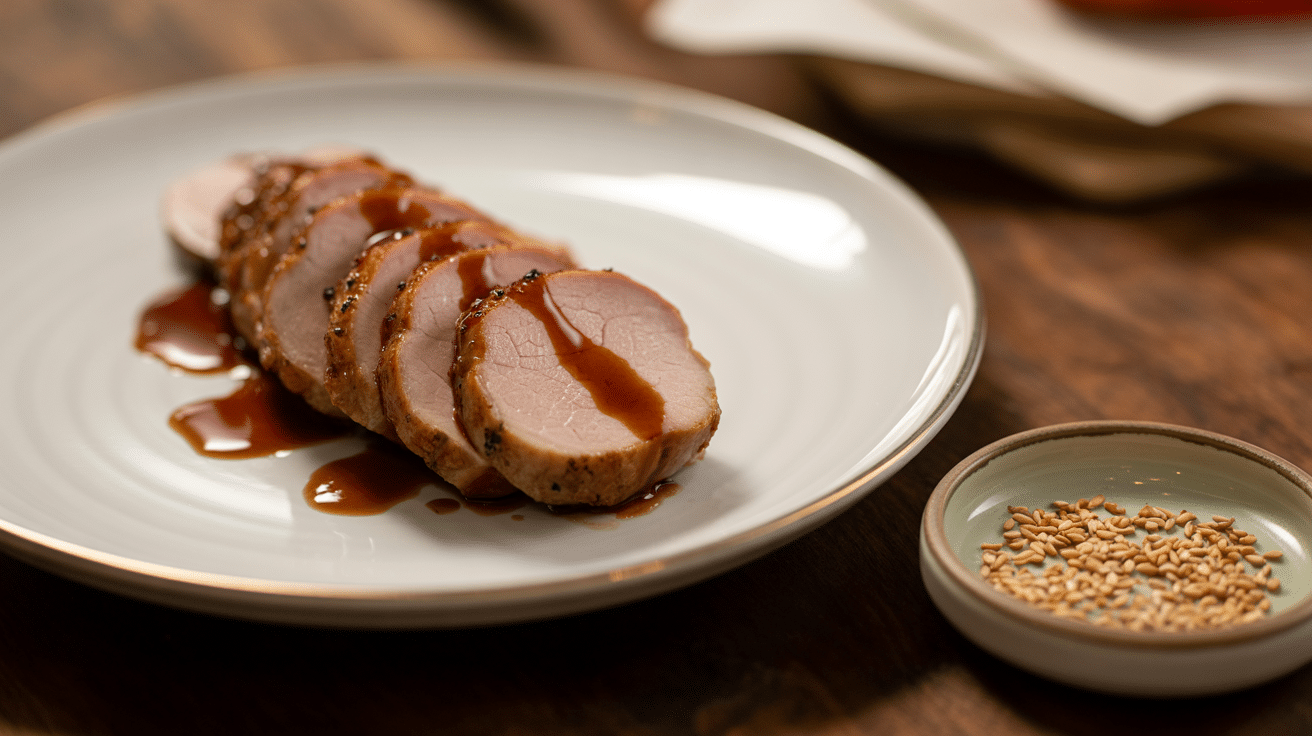
It adds a rich coating to pork, balancing its savory taste with a hint of sweetness. Tenderloin or chops become tender and flavorful when brushed with glaze before roasting or grilling.
Ingredients Required
| Ingredient | Quantity |
|---|---|
| Miso paste | 2 tablespoons |
| Soy sauce | 1-2 tablespoons |
| Mirin or rice vinegar | 1-2 tablespoons |
| Honey or maple syrup | 1-2 tablespoons |
| Garlic (minced) | 1 clove |
| Sesame oil | 1 teaspoon |
Step-by-Step Instructions
Step 1: Mix 3 tablespoons of white miso paste, 2 tablespoons of sake, and 1 tablespoon of honey.
Step 2: Apply glaze to the pork tenderloin or chops.
Step 3: Marinate for 1 hour.
Step 4: Grill or roast at 375°F until internal temp reaches 145°F.
Step 5: Rest the meat 5 minutes, slice, and drizzle with leftover glaze.
5. Grilled Seafood (Shrimp or Scallops)
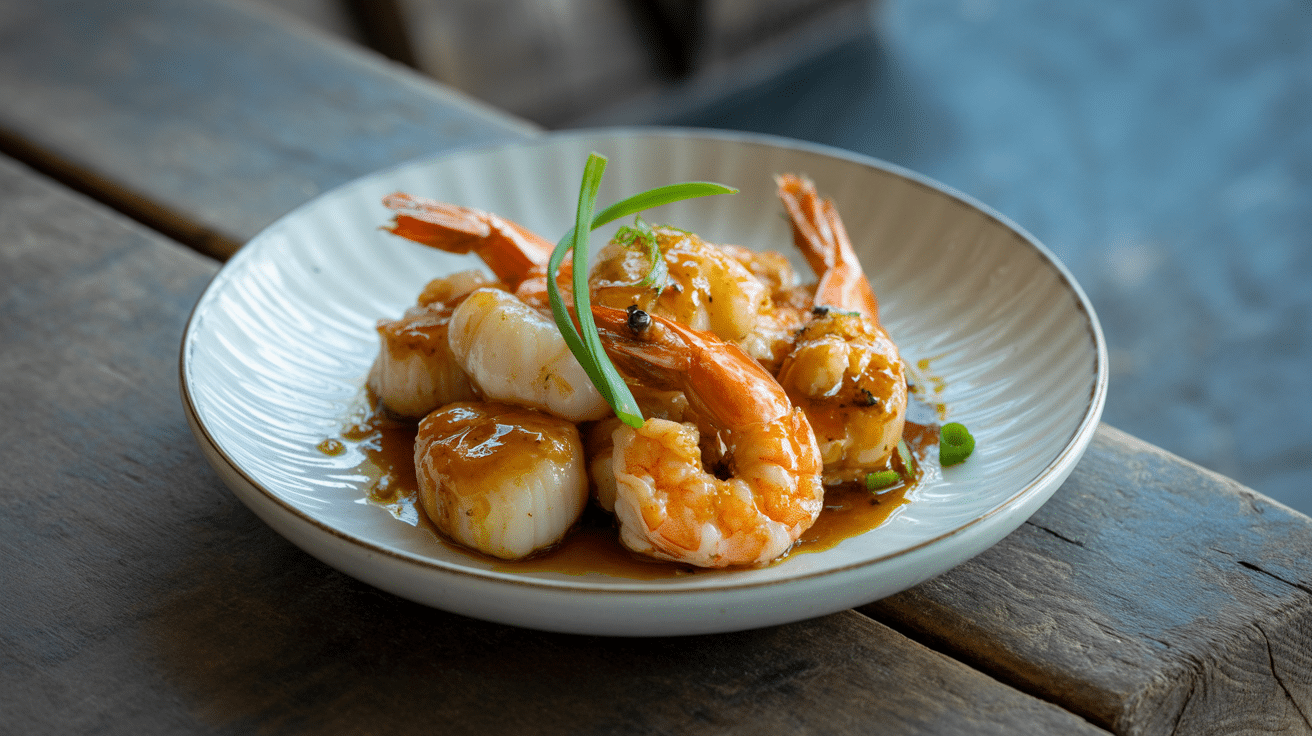
Shrimp and scallops caramelize beautifully with it. The glaze imparts a sweet, savory shell to seafood, improving its natural briny flavor and making it a perfect appetizer or main dish.
Ingredients Required
| Ingredient | Quantity |
|---|---|
| Miso paste | 2 tablespoons |
| Soy sauce | 1-2 tablespoons |
| Mirin or rice vinegar | 1 tablespoon |
| Honey or sugar | 1 tablespoon |
| Sesame oil | 1 teaspoon |
| Garlic or ginger | 1 teaspoon (optional) |
Step-by-Step Instructions
Step 1: Mix 2 tablespoons of miso paste, 1 tablespoon of mirin, 1 teaspoon of sugar, and 1 tablespoon of soy sauce.
Step 2: Pat shrimp or scallops dry.
Step 3: Skewer seafood for grilling.
Step 4: Brush with glaze.
Step 5: Grill on medium heat 2–3 minutes per side.
Step 6: Serve with lime wedges.
White vs. Red Miso: Which One Should You Use?
I get this question all the time in my kitchen. White miso and red miso look similar but taste very different.
| Feature | White Miso | Red Miso |
|---|---|---|
| Flavor | Mild, slightly sweet | Strong, salty, fermented |
| Best For | Delicate fish (cod, halibut) | Hearty meats (pork, beef) |
| Works With | Vegetables, light proteins | Dark meats, bold flavors |
| Intensity | Won’t overpower ingredients | Stands up to strong tastes |
| Beginner Friendly | Yes – more forgiving | No – stronger taste |
My simple rule: Light proteins get white miso. Dark proteins get red miso.
You can also mix both types. I do this for chicken. Half white and half red miso creates a balanced flavor that works perfectly.
Start with white miso if you’re new to this ingredient. It’s more forgiving and easier to work with
Miso Glaze Cooking Times and Temperatures
I use this guide in my kitchen every day. It takes the guesswork out of cooking times and temperatures.
Match white miso to delicate proteins. Use red miso for bolder flavors. The right temperature prevents burning while creating perfect caramelization.
| Food | Protein Type | Miso Type | Temperature | Total Time |
|---|---|---|---|---|
| Salmon | Fish (fatty) | White | 400°F | 12-15 min |
| Cod | Fish (lean) | White | 375°F | 10-12 min |
| Chicken Wings | Poultry | White/Red | 400°F | 25-30 min |
| Chicken Thighs | Poultry | Red | 375°F | 30-35 min |
| Pork Chops | Red meat | Red | 375°F | 15-18 min |
| Pork Tenderloin | Red meat | White | 375°F | 20-25 min |
| Shrimp | Shellfish | White | Medium heat | 4-6 min |
| Scallops | Shellfish | White | Medium-high | 4-5 min |
| Brussels Sprouts | Vegetable | White/Red | 425°F | 25 min |
| Carrots | Vegetable | White | 425°F | 20-25 min |
| Eggplant | Vegetable | Red | 400°F | 20-25 min |
| Tofu | Plant protein | White/Red | 400°F | 25-30 min |
Pro Tip: Apply glaze during the last 3-5 minutes of cooking to prevent burning.
Save this table on your phone. I promise it will save you from burned dinners and undercooked proteins.
How to Fix Common Miso Glaze Problems?
Sometimes your miso glaze doesn’t turn out right. Don’t worry. I’ve made every mistake possible in my kitchen.
These simple fixes will save your batch in seconds. You won’t need to start over or waste ingredients.
Too Salty?
Add 1 tablespoon of honey or maple syrup. The sweetness balances the salt immediately. You can also add 1-2 teaspoons of water to dilute it.
I’ve fixed many batches this way in my restaurant kitchen.
Too Sweet?
Add 1 teaspoon of rice vinegar or fresh lime juice. The acid cuts through sweetness fast. You can also add a pinch of soy sauce for more depth.
Too Thick?
Whisk in water, one teaspoon at a time. Stop when it reaches a brushable consistency. Thin glaze spreads easier on fish and vegetables.
Too Thin?
Let it simmer on low heat for 2-3 minutes. It will thicken as water evaporates. You can also add ½ teaspoon of miso paste.
Burned While Cooking?
Lower your oven temperature to 375°F next time. Apply the mixture in the last 5 minutes of cooking. This prevents burning while still getting that caramelized finish.
Tips for Making and Storing Miso Paste
Miso glaze’s sweet, fermented nature requires careful handling to shine in dishes like fish or vegetables. These five tips ensure flawless flavor and storage.
- Avoid Burning: Cook at medium heat (350-400°F); apply glaze in the final 2-5 minutes to caramelize without charring.
- Make Extra: Double the recipe (¼ cup miso, 2 tablespoons mirin, 1 tablespoon soy sauce, 1 tablespoon honey, 1 teaspoon sesame oil, 1 garlic clove) for quick use.
- Refrigerate: Store in an airtight container in the fridge for up to 7 days; stir before using.
- Freeze: Freeze in small portions (e.g., ice cube trays) for up to 1 month; thaw in fridge and whisk.
- Serve Creatively: Drizzle on grain bowls, brush on grilled fish, or use as a dip for tofu
Conclusion
Now you have five solid ways to improve your cooking. I’ve seen how this one sauce can make weeknight dinners feel special again.
Start with the basic miso glaze recipe I shared. Then try it on salmon, chicken, or roasted vegetables. Each method brings out different flavors that will surprise you.
Pick one recipe from this list and cook it tonight. Which one are you trying first?
Frequently Asked Questions (FAQs)
1. Is Miso Glaze the Same as Miso Paste?
No. Miso paste is a thick fermented ingredient. Miso glaze is a sauce made by mixing miso paste with sweeteners, soy sauce, and other ingredients.
2. What Does Miso-Glazed Mean?
Miso-glazed means food coated with miso glaze before cooking. The glaze caramelizes during cooking, creating a sweet, salty, glossy finish on the surface.
3. How Do you Make Miso Glaze for Steak?
Mix 3 tablespoons red miso, 2 tablespoons soy sauce, 1 tablespoon honey, and 1 teaspoon sesame oil. Brush on steak during last 2 minutes of grilling.
4. Is Miso Glaze Gluten-Free?
Most miso paste contains barley or wheat. Check labels for gluten-free versions. Use tamari instead of soy sauce for a fully gluten-free option.