

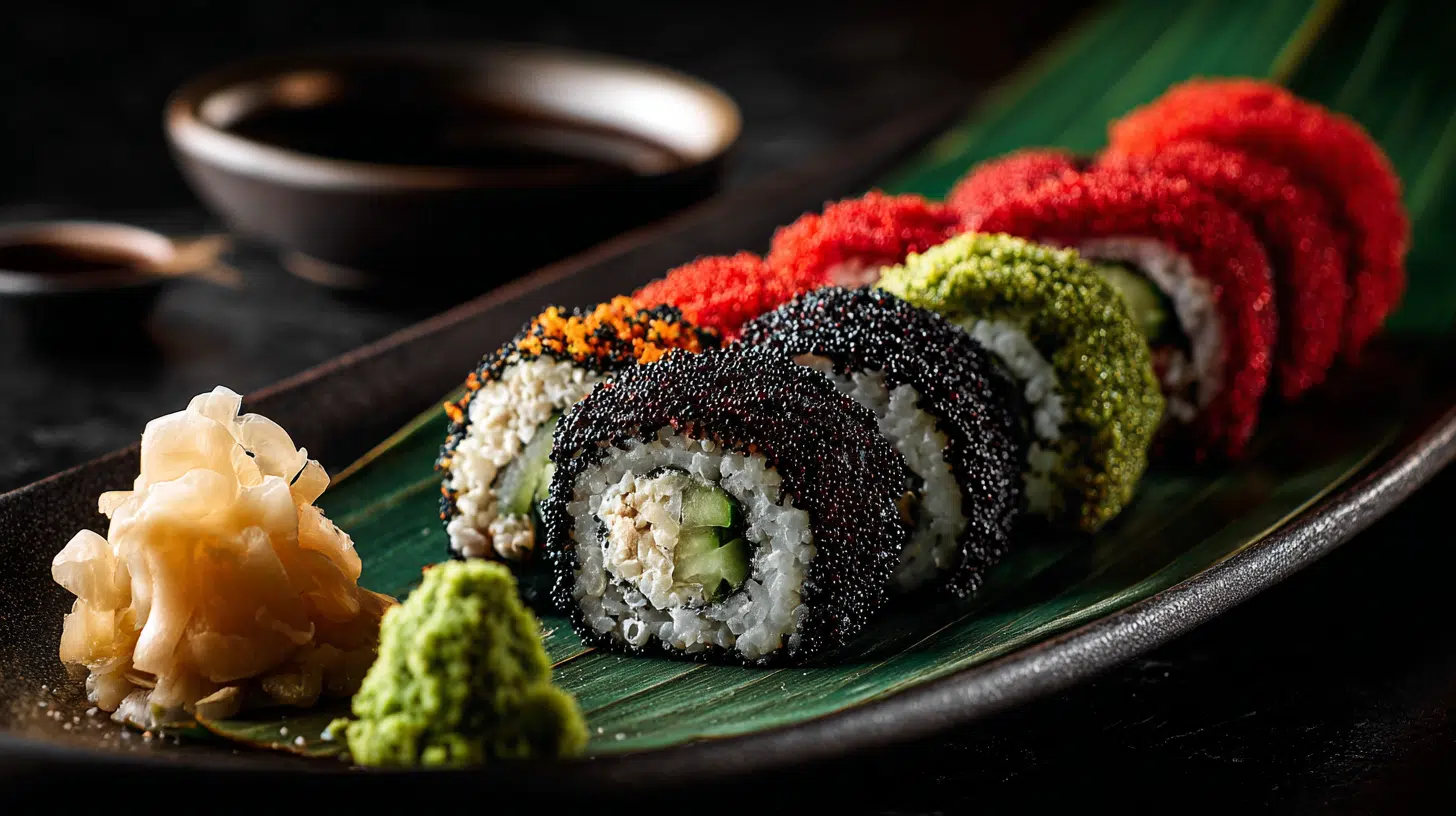
Ever wondered what those tiny, colorful pearls are on your favorite sushi roll?
They’re fish eggs, and they’re way more exciting than they sound.
Sushi with fish eggs adds a satisfying pop of texture and a burst of oceanic flavor, taking your meal to the next level. But not all fish eggs are created equal.
From the bright orange tobiko to the rich ikura, each type brings its own unique taste and crunch. Let’s get into the delicious world of sushi roe and find out what makes each variety special.
What are Fish Eggs on Sushi called?
If you’ve ever asked yourself what are fish eggs called on sushi, the answer is roe.
It’s a simple term that covers all types of fish eggs used in Japanese cuisine.
You might also hear the word “caviar,” but that’s typically reserved for sturgeon eggs and the fancy stuff.
In sushi restaurants, each type of roe has its own Japanese name based on the fish it comes from. Tobiko, ikura, and masago are some of the most popular ones you’ll see on menus.
When ordering sushi with roe, these names help distinguish the flavors, textures, and colors of each variety.
Difference Between Caviar & Fish Eggs
You’ve probably heard both terms tossed around, and honestly, it can get confusing. The main difference comes down to the source and how they’re prepared.
Caviar specifically refers to salt-cured eggs from sturgeon fish and comes with a hefty price tag.
Sushi roe, on the other hand, comes from various fish such as salmon, flying fish, and capelin and is typically fresh or lightly seasoned.
Here’s a quick breakdown:
| Feature | Caviar | Sushi Roe |
|---|---|---|
| Source | Sturgeon only | Various fish (salmon, flying fish, capelin, etc.) |
| Preparation | Salt-cured | Fresh or lightly seasoned |
| Price | Very expensive | Affordable to moderate |
| Serving Style | On its own with simple accompaniments | Incorporated into sushi rolls and nigiri |
| Texture | Firm, delicate pop | Varies (crunchy, soft, bursting) |
So while all caviar is fish eggs, not all fish eggs are caviar. When you’re at a sushi restaurant, you’re enjoying roe in its many delicious forms.
The Most Common Types of Roe in Sushi
Walk into any sushi restaurant, and you’ll notice fish eggs come in all sorts of shapes, sizes, and colors.
Each type brings something different to the table, so let’s break down what makes each one special.
1. Tobiko (Flying Fish Eggs): These tiny orange pearls are crunchy and mildly sweet with a hint of smokiness. Tobiko adds color and texture without overpowering other flavors.
2. Masago (Capelin Eggs): Smaller and softer than tobiko, masago has a subtle, slightly salty taste. It’s a budget-friendly option that still delivers that satisfying pop.
3. Ikura (Salmon Eggs): Large, glossy, and bursting with rich, briny flavor, ikura is hard to miss. Each egg pops in your mouth, releasing an intense ocean taste.
4. Kazunoko (Herring Eggs): This roe comes in clusters with a firm, crunchy texture. Kazunoko has a mild flavor and is often enjoyed during special occasions.
5. Uni Roe (Sea Urchin Roe): Creamy, buttery, and intensely oceanic, uni is technically sea urchin gonads. It has a custard-like texture that divides people into fans and skeptics.
6. Tarako (Cod Roe): Pale pink and packed in a thin membrane, tarako has a salty, savory punch. It’s often used in rice dishes and sushi preparations.
7. Mentaiko (Spicy Cod Roe): This is tarako’s spicier cousin, marinated with chili peppers for extra kick. The spice adds depth, making it perfect for bold-flavor lovers.
8. Lumpfish Roe: Small and jet-black or bright red, lumpfish roe is an affordable substitute for pricier options. It has a mild taste and adds visual appeal.
9. Shishamo Roe (Smelt Eggs): Found inside grilled shishamo fish, these tiny eggs have a delicate, slightly sweet flavor. They’re usually enjoyed as part of the whole fish.
How Fish Eggs Enhance the Experience
Fish eggs do more than just sit pretty on your sushi. Here’s what they bring to the table:
- Texture: That satisfying pop when you bite down adds excitement to each piece
- Flavor: Briny, oceanic taste complements the mild sweetness of sushi rice
- Visual appeal: Bright colors like orange, red, and black make dishes more eye-catching
- Nutrition: Packed with protein, omega-3s, and essential vitamins
Health Benefits of Sushi with Fish Eggs
Adding fish eggs to your sushi isn’t just about flavor. It’s also a smart nutritional choice.
These tiny pearls pack serious health benefits, making them worth ordering.
| Health Benefit | What It Does | Key Nutrient |
|---|---|---|
| Brain and Heart Support | Keeps your brain sharp and heart healthy by reducing inflammation | Omega-3 Fatty Acids |
| Energy Boost | Converts food into energy and fights sluggishness | Vitamin B12 |
| Immune System Strength | Strengthens immunity and improves oxygen transport | Selenium and Iron |
| Muscle Building | Provides lean protein to build and repair tissues | Protein (3-5g per oz) |
Just remember that roe can be high in sodium, so balance is important. When enjoyed in moderation, fish eggs sushi offers both incredible taste and real nutritional value.
Popular Sushi Dishes that Include Fish Eggs
Now that you know the different types of roe, let’s look at how they appear on your plate.
These dishes showcase fish eggs in creative, delicious ways.
Tobiko Gunkan Sushi
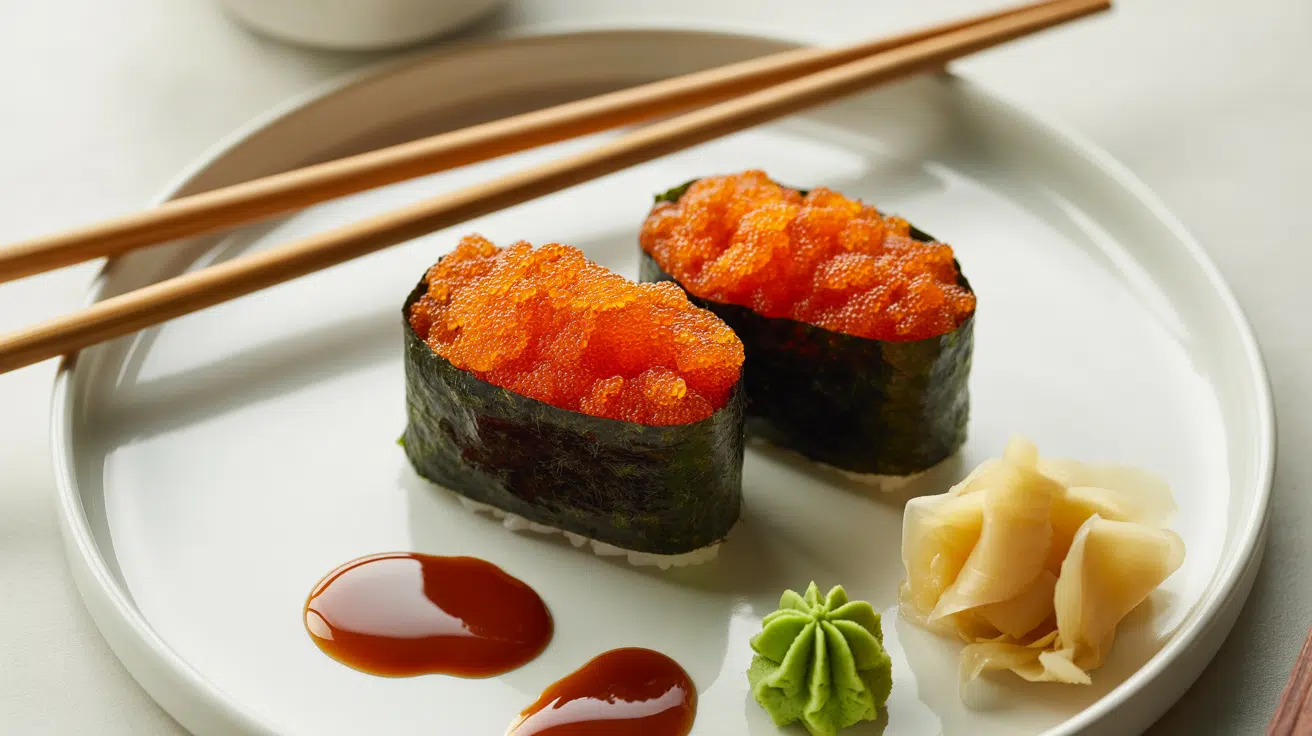
This boat-shaped sushi wraps nori around a mound of rice, then tops it with bright tobiko. The crunchy eggs spill over the sides for a colorful, texturally satisfying bite.
Masago California Roll
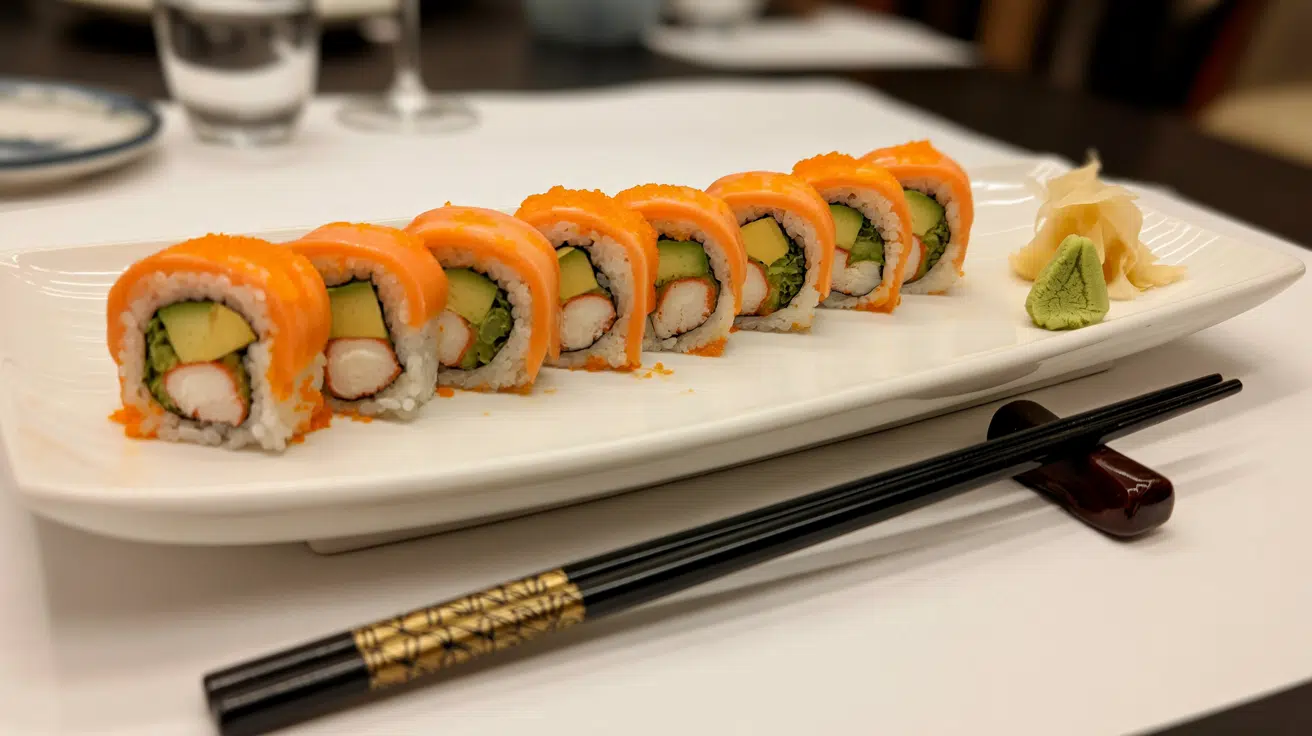
The classic California roll gets coated in a layer of masago on the outside. The tiny orange eggs add a subtle crunch and salty flavor to the creamy avocado and crab inside.
Ikura Nigiri
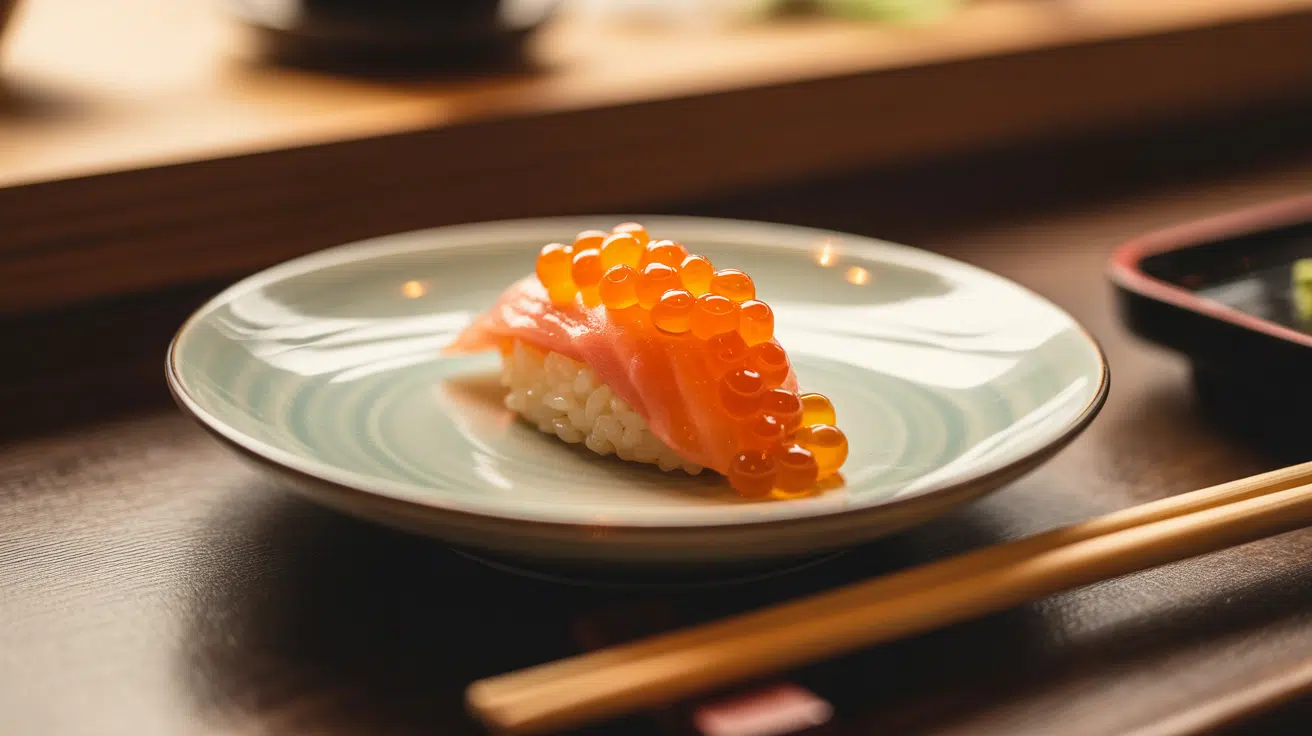
A slice of nori wraps around a ball of rice, holding generous portions of glossy ikura on top. Each bite delivers that signature pop and burst of rich, briny salmon flavor.
Kazunoko Sushi Bites
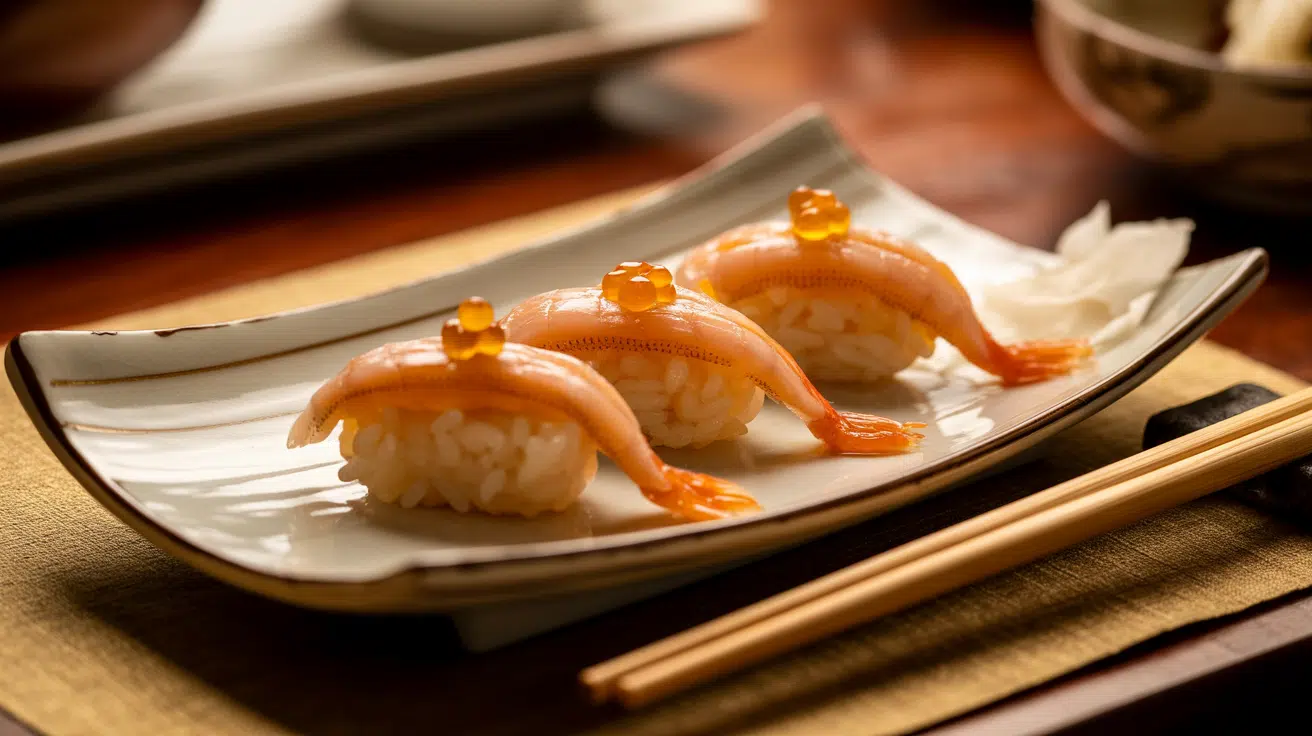
Thin slices of crunchy herring roe sit atop small rice balls for a traditional treat. The firm texture and mild taste make it a unique experience, especially during celebrations.
Uni Gunkan Sushi
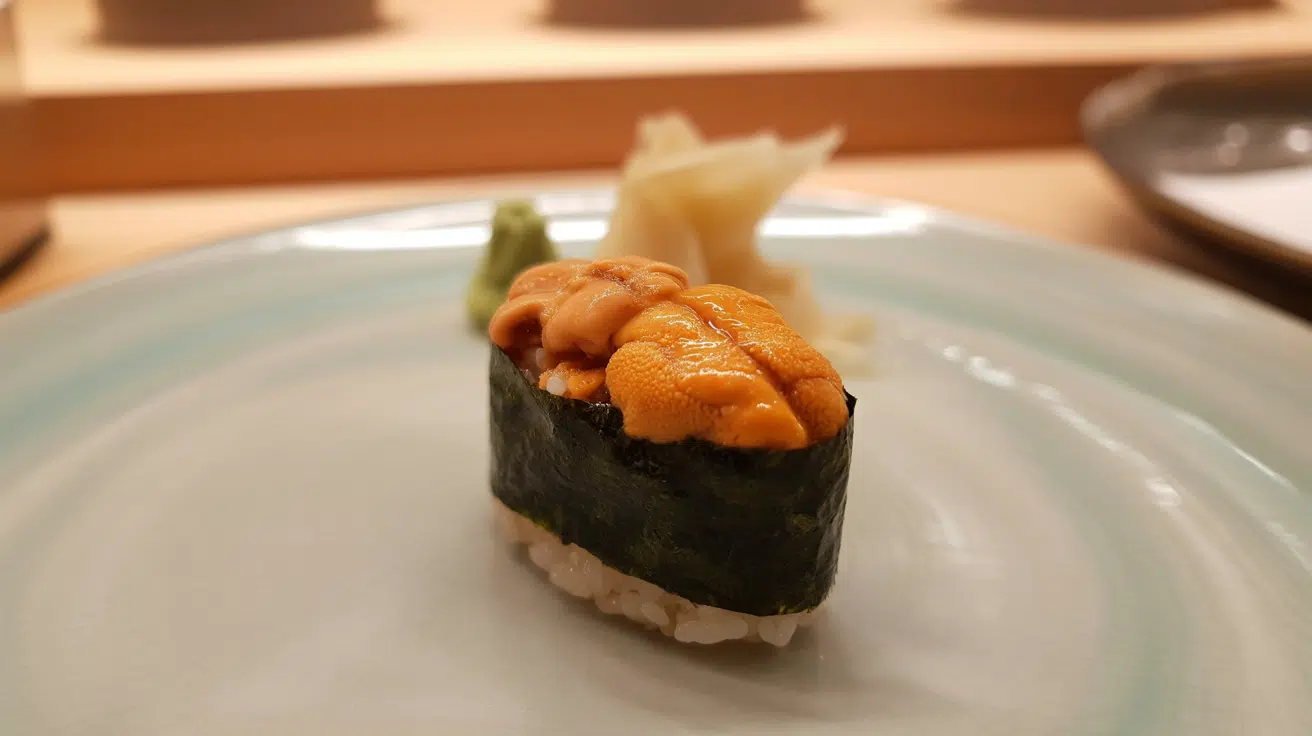
Creamy uni nestles into a nori-wrapped rice base, creating a luxurious gunkan-style piece. The buttery texture melts on your tongue with intense ocean flavors.
Tarako Onigiri-Style Sushi
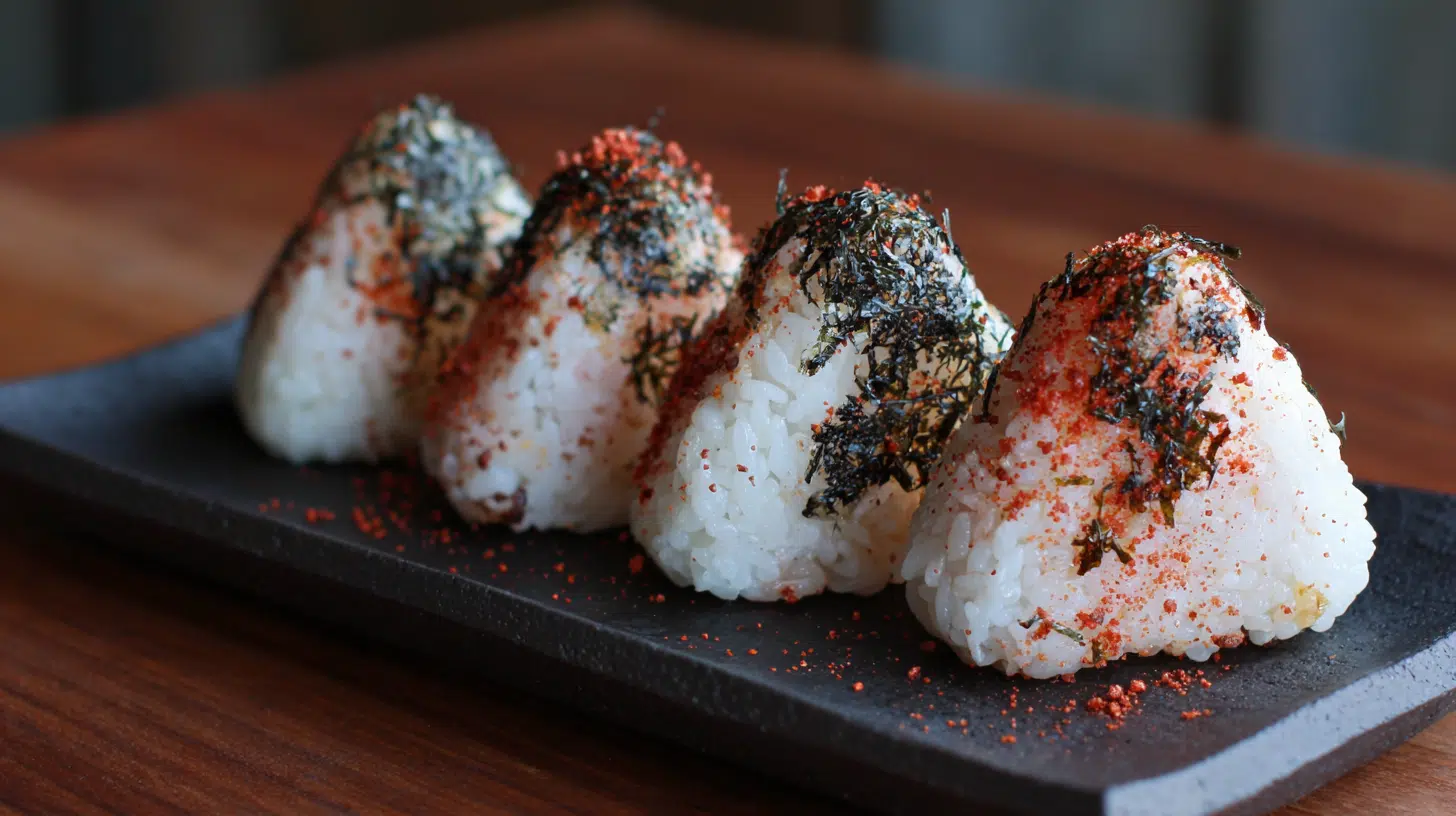
Rice is shaped into a triangle and topped or mixed with salty tarako. It’s a simple, comforting dish that highlights the cod roe’s savory punch.
Mentaiko Roll
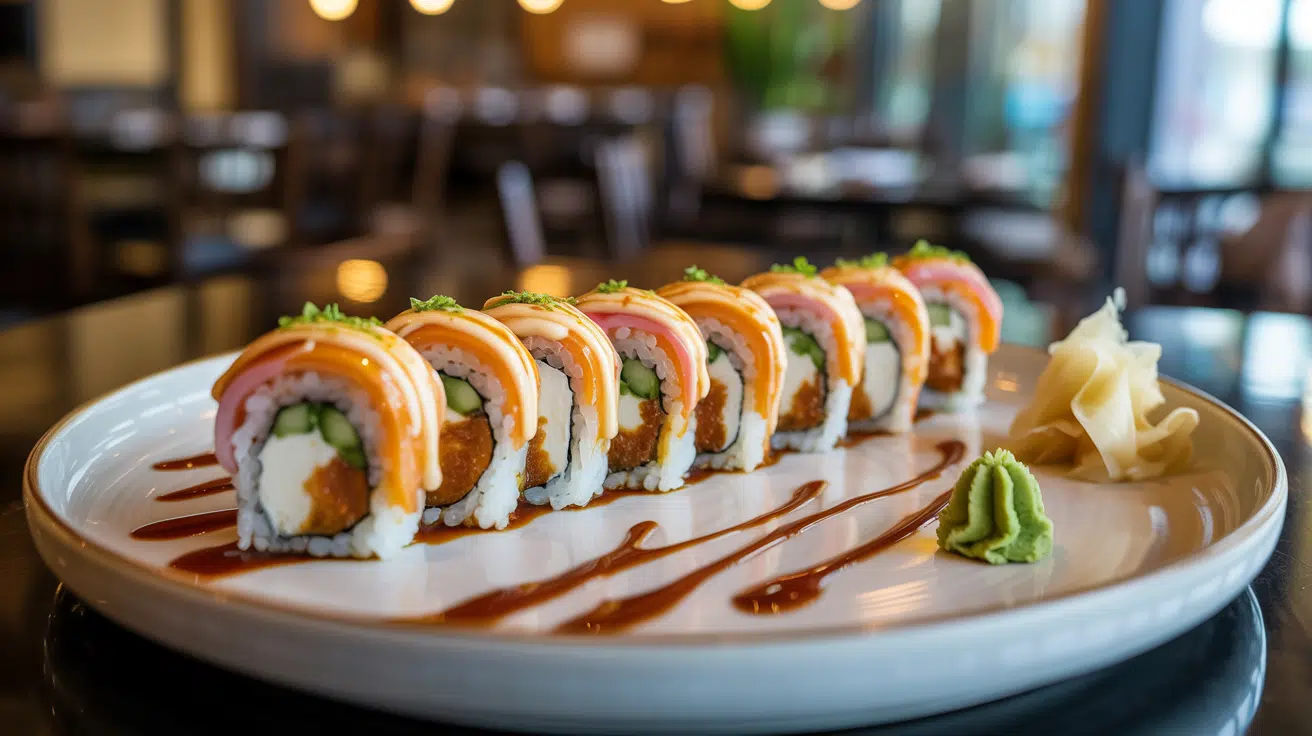
Spicy mentaiko is rolled into sushi or spread on top of sushi rice with cucumber or other fillings. The heat and umami create a bold flavor profile that stands out.
Lumpfish Roe Cucumber Sushi
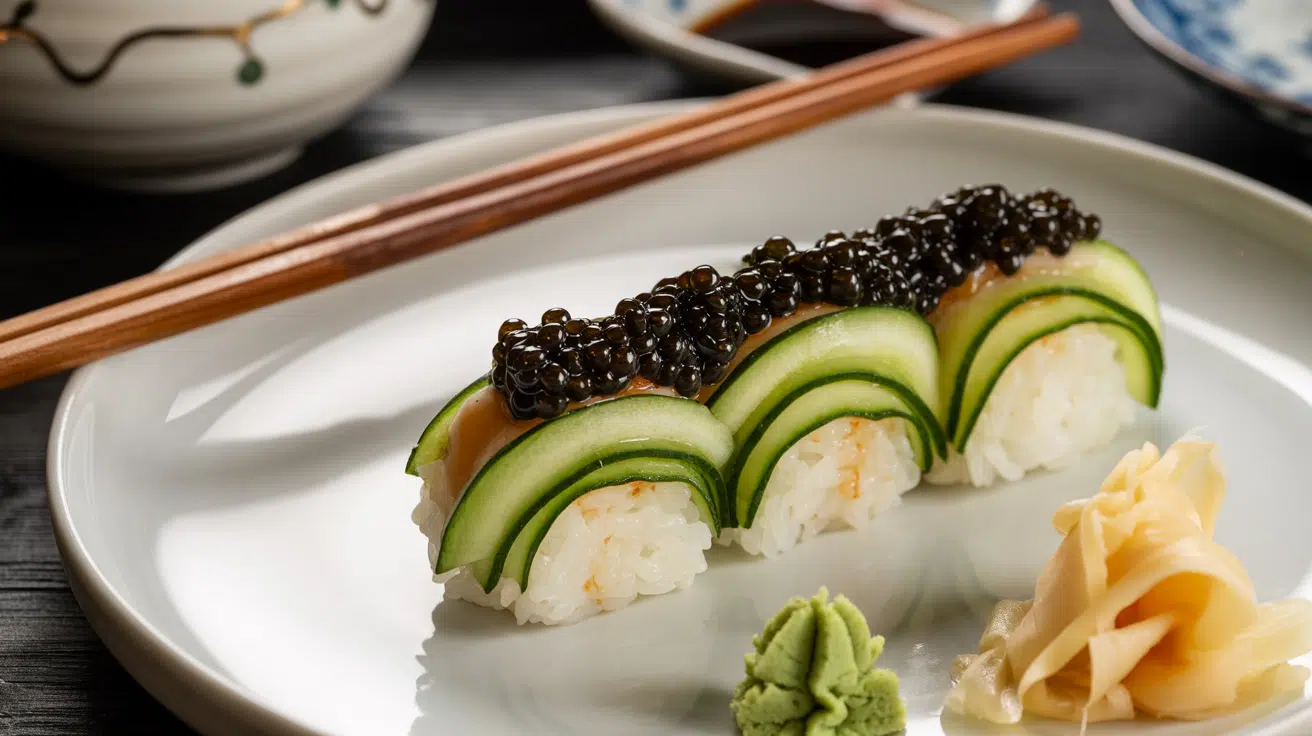
Crisp cucumber slices get topped with black or red lumpfish roe for a light, refreshing bite. The visual contrast makes it as pretty as it is tasty.
Shishamo Roe Hand Roll
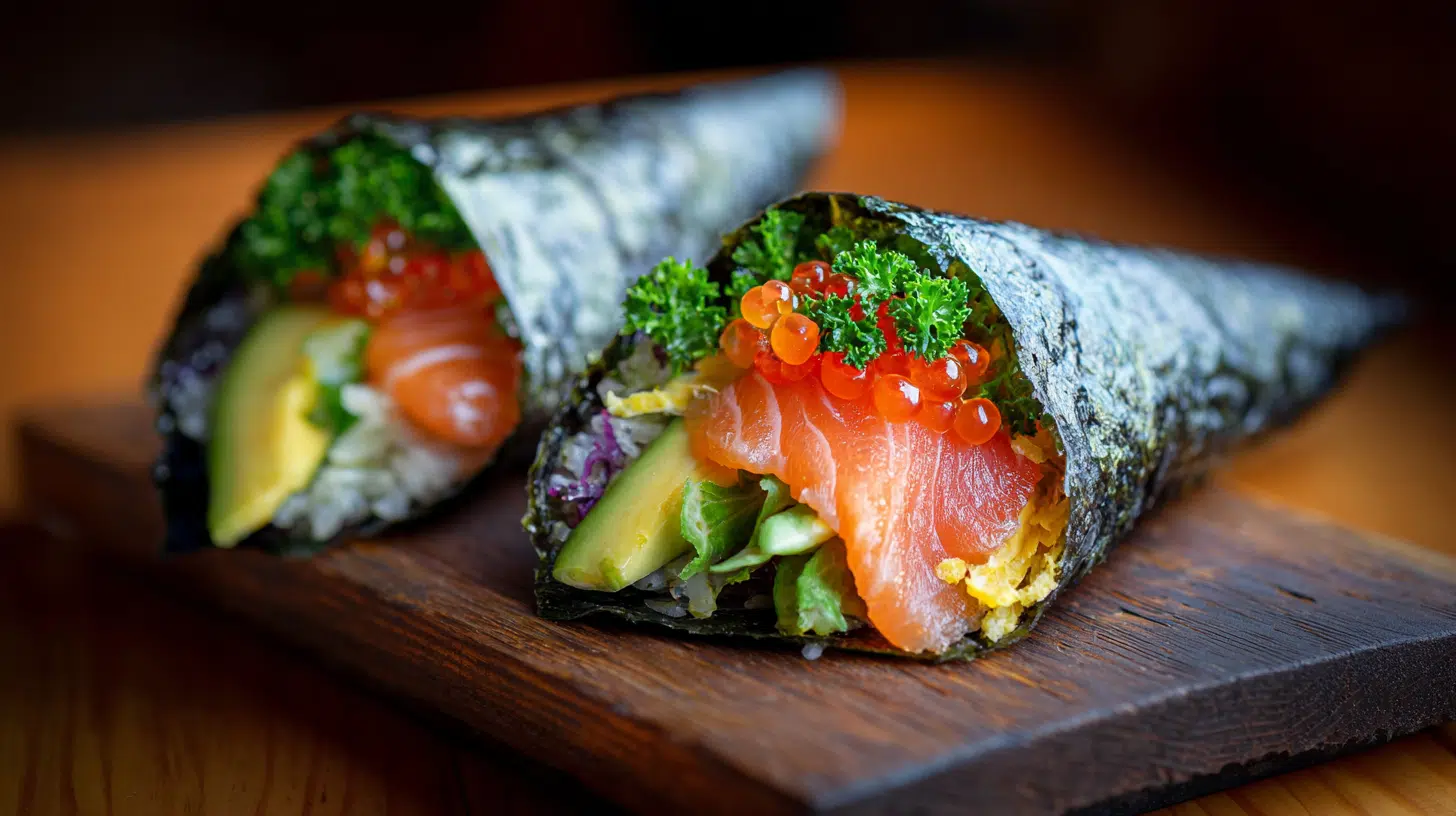
A cone of nori holds rice and sometimes bits of grilled shishamo fish with its roe intact. The delicate eggs add a sweet note to this casual, hand-held option.
How to Order Sushi with Roe at Restaurants
Ordering fish eggs sushi doesn’t have to be intimidating. Start by checking the menu for rolls or nigiri that mention tobiko, masago, or ikura, which are the most common types.
If you’re unsure what to try, ask your server for recommendations based on your taste preferences. Don’t be afraid to use the Japanese names when ordering; it shows interest and helps you get exactly what you want.
Want to sample different types? Ask if the restaurant offers a roe sampler or omakase. This lets the chef choose a variety for you to try.
Storage and Handling Tips
Proper storage keeps your sushi roe fresh and flavorful. Here’s how to handle it:
- Store unopened roe in the coldest part of your fridge at 28-32°F
- Once opened, consume within 2-3 days for best quality
- Keep in an airtight container to prevent drying out
- Never freeze fresh roe, as it ruins the texture
- Use clean utensils to avoid contamination
- Discard if it smells overly fishy or looks discolored
The Bottom Line
Following these tips ensures you get the most out of your sushi roe every time.
Sushi with fish eggs offers way more than just an Instagram-worthy plate. Each type of roe brings its own flavor, texture, and nutritional benefits to your meal.
Whether you’re biting into crunchy tobiko or savoring rich ikura, you’re experiencing a tradition perfected over generations.
Start with milder options like masago, then work your way up to bolder choices like uni or mentaiko. Next time you’re at a sushi restaurant, try something with roe.
You might just find your new favorite dish.