


A healthy pond depends on more than clean water. Fish, plants, and helpful bacteria all need enough oxygen to thrive. A pond oxygen pump keeps oxygen moving through the water while improving circulation. This simple system supports a cleaner pond and creates a better environment for aquatic life.
Many pond owners also install an aeration pump to prevent stagnant water and reduce common maintenance problems. When used correctly, it helps improve water quality throughout the pond instead of treating only the surface. The right setup also supports beneficial bacteria that naturally break down waste. These topics consistently appear across leading pond care guides and buying resources.
Why Pond Water Needs More Oxygen
Natural ponds receive oxygen from the air, flowing water, and aquatic plants. Backyard ponds often have limited water movement, especially during warm weather. As temperatures rise, oxygen levels fall while fish need even more oxygen.
Without enough circulation, organic waste settles at the bottom. This creates poor water conditions and encourages algae growth. Better oxygen movement helps maintain a healthier balance throughout the pond.
Signs Your Pond Needs Better Aeration
Several warning signs suggest oxygen levels may be too low.
- Fish gather near the surface.
- Water develops unpleasant smells.
- Algae grows quickly.
- Debris builds up on the pond floor.
- Water becomes cloudy after warm days.
These problems often improve once water circulation increases and oxygen spreads more evenly.
How an Aeration Pump Improves Pond Health
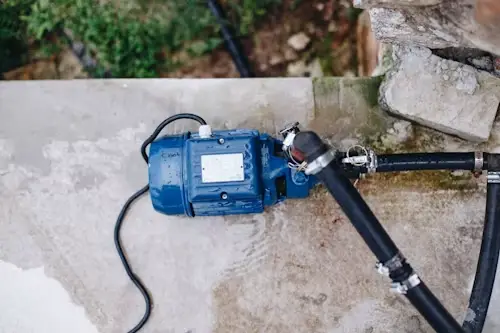
An aeration pump pushes air through tubing into diffusers placed inside the pond. Tiny bubbles rise through the water, helping move oxygen while improving circulation. The bubbles also create gentle water movement from the bottom toward the surface.
This circulation helps reduce dead zones where waste collects. Beneficial bacteria receive more oxygen, allowing them to break down leaves, fish waste, and other organic material more efficiently.
Different Types of Pond Aeration Systems
Not every pond uses the same aeration method. Choosing the right system depends on pond depth, fish population, and overall size.
Bottom Diffused Systems
These systems place diffusers on the pond floor. Air travels upward through fine bubbles, mixing water from bottom to top. They work well for deeper ponds and provide complete circulation.
Surface Aerators
Surface aerators create movement at the top of the pond. They increase oxygen near the surface and improve appearance with water movement.
Solar Powered Units
Solar systems suit smaller ponds with good sunlight. They reduce electricity use but may provide less consistent airflow during cloudy weather.
Decorative Fountains
Fountains add visual appeal while increasing surface oxygen. They improve circulation but usually work best alongside dedicated aeration in larger ponds.
Choosing the Right Pond Oxygen Pump
Every pond has different oxygen needs. Buying the correct equipment helps avoid poor performance or unnecessary power use.
Consider these factors before choosing a system:
- Pond size
- Maximum water depth
- Number of fish
- Desired airflow
- Power availability
- Noise level
- Energy efficiency
- Maintenance requirements
Matching the pump to your pond gives better long term results than simply choosing the largest model.
Installation Tips for Better Performance
Proper installation of a pond oxygen pump makes a noticeable difference in overall performance. Place diffusers near the bottom so oxygen spreads through the entire water column. Avoid placing all diffusers in one corner because this limits circulation.
Keep the pump above water level when recommended by the manufacturer. Use quality airline tubing to reduce pressure loss over longer distances. These simple steps help the system perform more efficiently.
Simple Maintenance That Extends Pump Life
Routine maintenance keeps equipment working properly. Clean air filters regularly because clogged filters reduce airflow. Check tubing for cracks or leaks that may lower performance.
Inspect diffusers for mineral buildup or blockages. Replacing worn diaphragms or service parts when needed helps maintain consistent airflow without replacing the entire system.
Common Mistakes Pond Owners Should Avoid
Many pond problems result from simple mistakes rather than faulty equipment.
Running an undersized pump limits oxygen distribution. Installing diffusers too close together reduces circulation across the pond. Ignoring seasonal changes may also affect oxygen levels, especially during summer when water naturally holds less oxygen.
Another common mistake is assuming waterfalls alone provide enough aeration. Larger ponds often need additional air movement below the surface for complete circulation.
Seasonal Care for a Pond Oxygen Pump
Pond care changes throughout the year. During summer, fish consume more oxygen while warmer water holds less of it. Running your system continuously helps maintain healthy conditions.
In colder months, some pond owners reduce operation depending on climate and pond design. Always follow recommendations that match your local weather and pond conditions. Regular seasonal inspections also help identify worn parts before they fail.
Benefits Beyond Fish Health
A properly sized aeration pump offers benefits that extend beyond keeping fish comfortable. Better oxygen supports beneficial bacteria that naturally process waste. This reduces sludge buildup and helps maintain clearer water.
Improved circulation also spreads nutrients more evenly throughout the pond. Plants receive better growing conditions while harmful stagnant areas become less common. The result is a pond that looks cleaner and requires less corrective maintenance over time.
Conclusion
A reliable pond oxygen pump is one of the most valuable additions to any pond. Better oxygen supports fish, encourages beneficial bacteria, and improves overall water quality. Combined with proper sizing and routine maintenance, it creates healthier conditions throughout the year.
Whether you maintain a decorative garden pond or a larger fish pond, selecting the right aeration system helps improve circulation and supports a balanced aquatic environment. Investing time in proper installation and regular maintenance will help your pond remain cleaner and healthier for years to come.
FAQs
What does an aeration pump do in a pond?
An aeration pump moves air into the water, improving oxygen levels and water circulation throughout the pond.
How does a pond oxygen pump help fish?
It provides more dissolved oxygen, making it easier for fish to breathe and reducing stress during warm weather.
Can aeration reduce algae growth?
Better circulation supports beneficial bacteria that compete with algae and help break down organic waste.
Should an aeration system run all day?
Many pond owners operate their systems continuously, especially during warmer months when oxygen demand increases.
Where should pond diffusers be placed?
Diffusers usually perform best near the pond bottom with enough spacing to circulate water across the entire pond.