

There’s a good probability that five gardeners will give different answers when asked how frequently to water tomato plants.
Nothing appears to be helping the tomato plant, which is sitting there with dry soil and drooping foliage. Yellow leaves, cracked fruit, and blooms that fall before they turn into tomatoes. It can be annoying.
The answer is that, depending on the setup, both “daily” and “twice a week” may be appropriate.
Watering will never seem like a guess again thanks to this blog, which covers everything from a garden bed to a container to a sweltering July afternoon.
Signs Your Tomato Plant Needs More Water
Thirsty tomato plants show it fast. Watch for these red flags:
- Leaves curling inward or drooping during cooler parts of the day
- Wilting that doesn’t bounce back by evening
- Yellowing lower leaves with dry, crispy edges
- Soil pulling away from the pot or bed edges
- Slowed growth and dropping blossoms
A little midday wilt in hot sun is normal, and plants often perk up once temperatures drop.
But if the droop sticks around into the morning, your plant is running low and needs a deep drink soon.
What Decides How Often to Water Tomato Plants?
There’s no single fixed schedule that works for every tomato plant. Many things play a role, and it helps to know each one:
Plant Age: Young seedlings have shallow roots and dry out fast, so they need light, frequent watering. Mature plants go longer between waterings, but need more water each time.
Soil Type: Sandy soil drains fast and needs frequent watering. Clay holds water longer but can turn soggy. Loamy soil strikes the best balance.
Setup: Containers heat up and dry out fast, since they hold less soil. Garden beds, especially mulched ones, hold moisture much longer.
Weather: Cool, cloudy days need less water. Hot, dry stretches need more, sometimes daily. Skip watering after rain, and check the soil first.
How Much Sun do Tomatoes Need?
Sun and water go hand in hand, so it helps to understand both.
Tomatoes need full sun to grow well, at least 6 to 8 hours of direct sunlight daily. Less than that, and plants grow leggy, with fewer flowers and a smaller harvest.
More sun also means more water. Heat pulls moisture out of soil faster, especially in containers. So on the sunniest days, watering needs often rise right along with the temperature.
Morning sun with a bit of afternoon shade can work well too, especially in hot climates. It still gives plants enough light, while easing some of the stress that comes with nonstop heat.
Tomato Watering Needs According to Growing Conditions
How often you water depends on where and how your tomatoes grow.
| Growing Condition | Watering Frequency | Notes |
|---|---|---|
| In-ground, mild weather | Every 2-3 days | Deep soak at the base |
| In-ground, hot/dry spell | Daily | Check soil moisture morning and evening |
| Raised beds | Every 1-2 days | Drains faster than ground soil |
| Containers/pots | Once or twice daily | Dries out quickly, especially in heat |
| Seedlings/young plants | Light watering daily | Keep soil consistently moist, not soggy |
| Established, fruiting plants | Deep water 2-3 times weekly | Consistency prevents cracking and blossom-end rot |
Watering Tomato Plants in Garden Beds
Garden soil holds moisture much longer than pots do, giving in-ground tomatoes a real head start.
There’s less checking and less guessing. But not every garden bed behaves the same way.
- In-ground beds: Most established plants only need watering twice or thrice a week, especially with mulch on top.
- Raised beds: These dry out faster, since soil sits above ground and drains more freely. They might need slightly more frequent watering, even in the same weather.
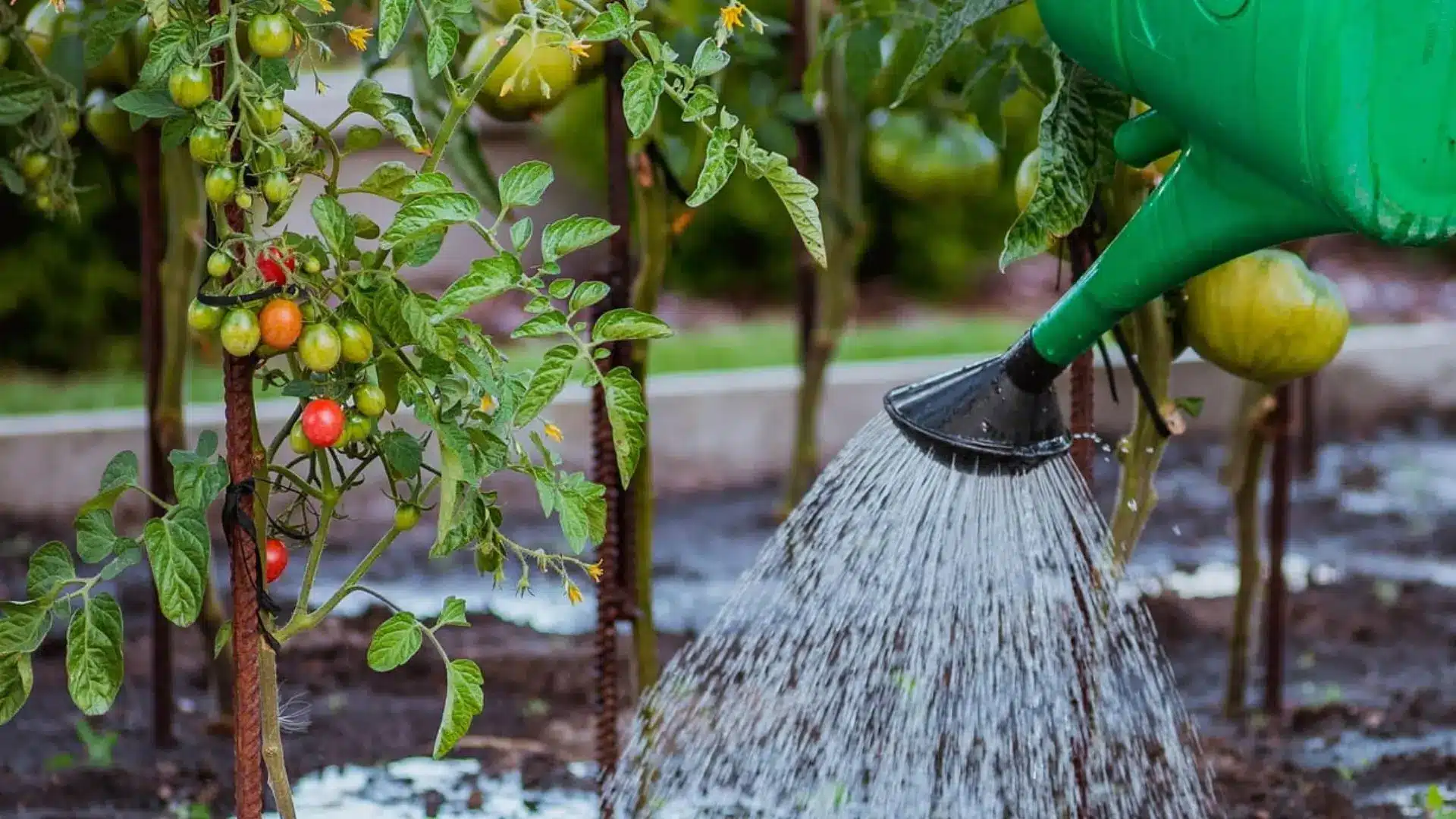
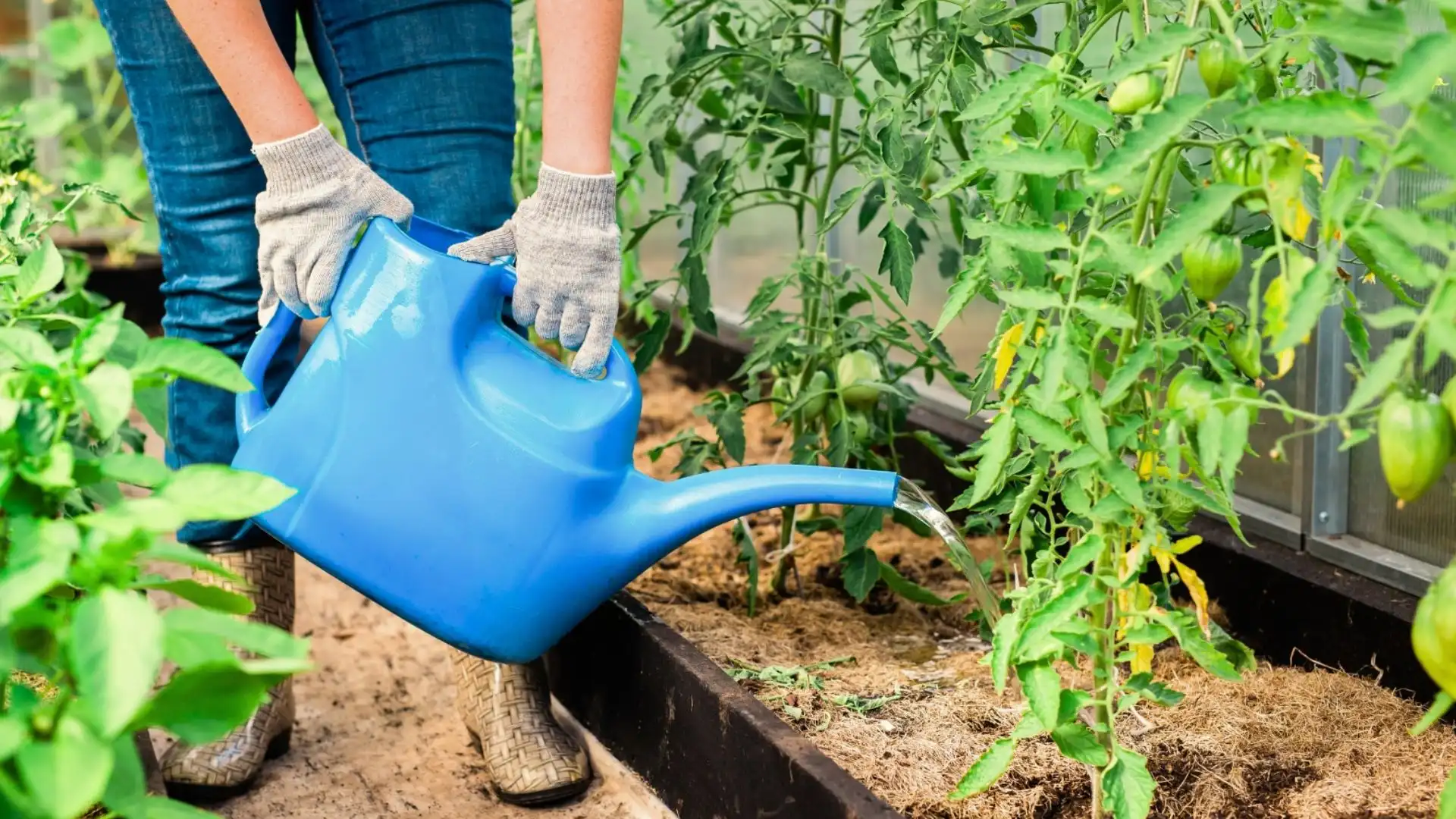
- Watering method: Always water at the soil level, not the leaves. Wet foliage invites disease and can scorch under strong sun. A soaker hose or watering can aimed at the base works best.
Watering Tomato Plants in Containers and Pots
Containers play by a different set of rules. There’s less soil to hold water, and the sun hits from every side, not just the top.
That means potted tomatoes dry out much faster than their garden bed cousins, and they need more attention as a result.
1. Frequency: Daily watering is common, and on hot days, twice a day might be needed.
2. Container material: Dark pots absorb more heat, drying soil out faster than lighter-colored ones.
3. Soil mix: A well-draining potting mix works best, though adding compost helps it hold moisture a bit longer.
4. Self-watering pots: They come with a built-in reservoir and can cut down on daily watering by quite a bit.
Checking the soil often is the best habit to build. Stick a finger an inch deep, and if it’s dry, it’s time to water.
How Often to Water Tomato Plants in Hot Weather?
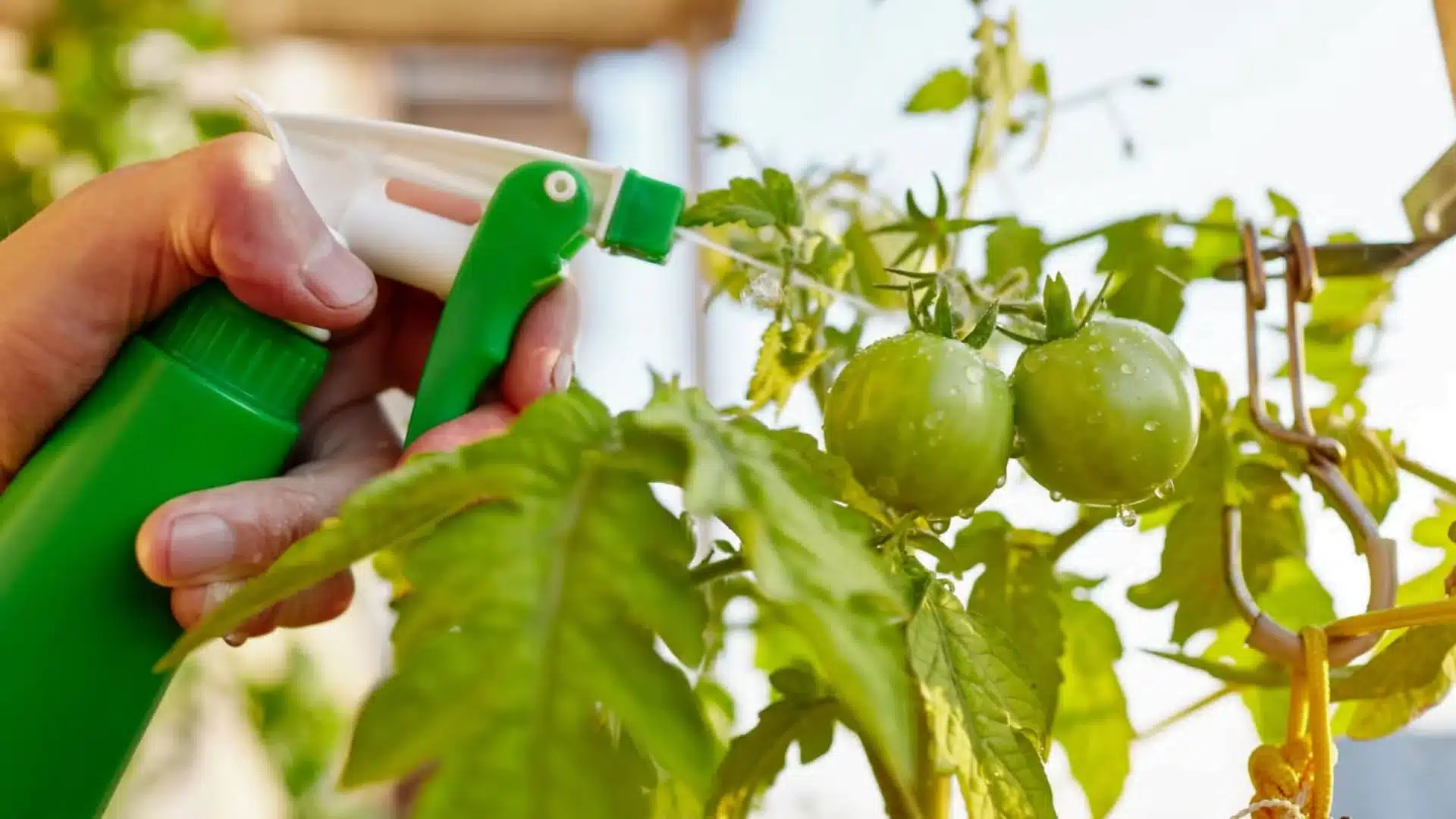
Heat changes everything about a watering routine. Soil dries out faster, and what worked last month might not work today.
Once temperatures climb above 85°F, plants often need daily watering, especially those in containers.
During longer stretches above 90°F, garden beds may need watering daily too, always with a deep soak rather than a light sprinkle.
Timing also matters. Watering early in the morning gives plants a chance to soak up moisture before the heat peaks. It also cuts down on evaporation and lowers the risk of leaf burn.
Mulch earns its keep during hot spells. A few inches of straw or shredded leaves keep soil cooler and hold in moisture, so the ground stays damp longer between waterings.
Signs that You Have Overwatered Your Tomato Plants, with Fixes
Too much water causes just as many problems as too little. Watch for these warning signs:
- Yellowing leaves spreading across the whole plant, not just the bottom
- Mushy, blister-like bumps (edema) on leaves and stems
- Wilting despite wet soil, a classic sign of root rot setting in
- Cracked fruit or a soggy, foul smell near the base
Fixes are simple once you catch it early. Stop watering until the top two inches of soil dry out, then water less often.
Improve drainage by adding compost or perlite, and make sure pots have working drainage holes. Trim any rotted roots on badly affected plants and hold off on fertilizer until the plant recovers.
Wrapping it Up
So, that sad plant dropped, and it turns out that it just needed the right routine, not more water, just better timing.
That’s the whole secret behind how often to water tomato plants: pay attention to soil, setup, and weather, then adjust as things change.
Get that right, and the plant rewards the effort with fewer cracks, less yellowing, and blossoms that actually turn into fruit.
So the next step is to go check the soil right now, add mulch if it’s missing, and keep watching the plant.
Frequently Asked Questions (FAQs)
1. Is it Okay to Water Tomato Plants at Night?
It’s best avoided. Wet leaves overnight invite fungal problems, since they stay damp much longer.
2. Do Tomato Plants Need More Water Once They Start Flowering?
Yes, watering needs rise once flowering begins. Consistent moisture helps blossoms set fruit properly and prevents stress that can cause them to drop early.
3. How Long Should Drip Irrigation Run for Tomatoes?
Usually 30 to 60 minutes, two to three times weekly, depending on soil and weather.