

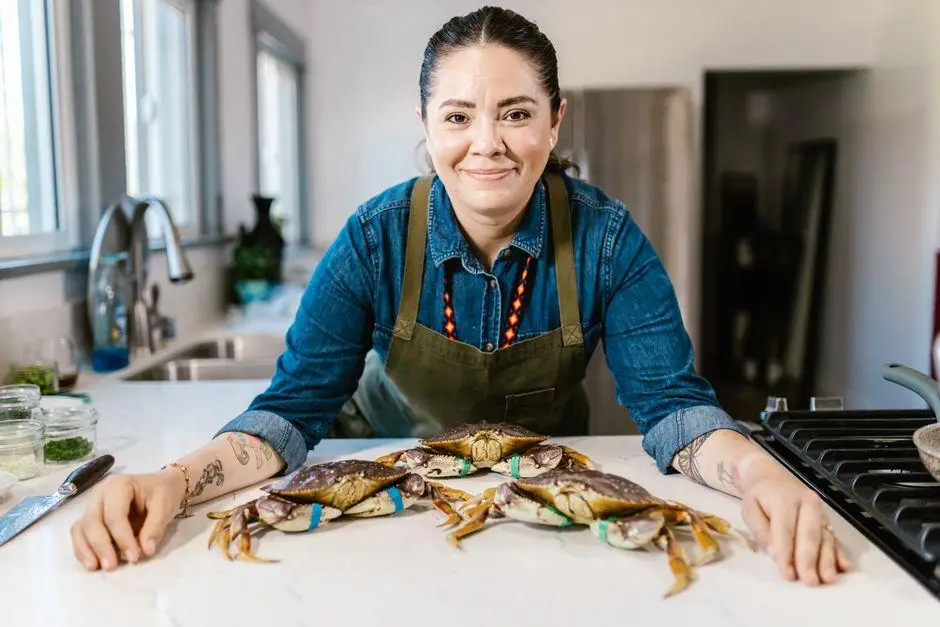
Weeknight dinners often fall into a pattern. After a long day at work, most people reach for whatever is quick and familiar, and the same few meals end up on the table week after week. There is nothing wrong with keeping things simple, but simple does not have to mean dull.
With a little planning and a few smart habits, an ordinary Tuesday dinner can feel like a meal worth sitting down for. The good news is that most of these upgrades take very little extra time, and many of them make cooking easier once they become part of your routine.
Cooking Meat That Stays Juicy and Tender
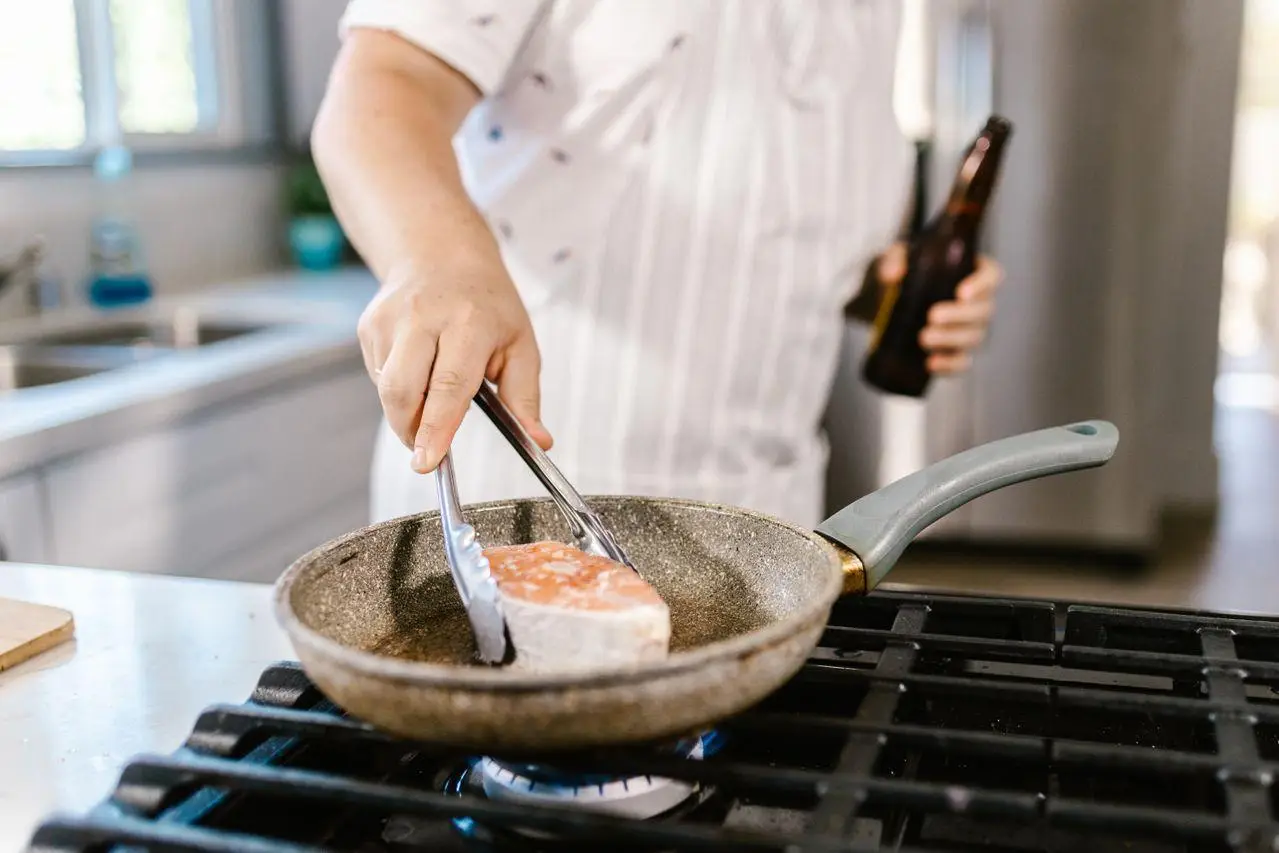
One of the most common weeknight frustrations is meat that comes out dry, tough, or uneven, even when you follow the recipe closely. Pork chops are a good example, since they easily overcook in a hot pan and turn chewy before the center is ready.
Cooking them sous vide in a gentle, steady water bath solves that problem, because the meat cannot go past the doneness you choose.
A clear guide on how to sous vide pork chops walks you through a lightly sweet brine, a slow water bath, a fast sear in a hot skillet, and a simple rosemary garlic pan sauce. Once you try this approach, a plain cut of meat becomes the kind of dinner your family will ask for again.
Planning Ahead Without Spending Your Whole Weekend
The secret behind many impressive weeknight meals is a small amount of work done earlier. You do not need to spend all of Sunday cooking to benefit from planning. Simply deciding what you will eat for the next few nights removes a lot of stress, because you are no longer standing in front of the fridge at seven o’clock wondering what to make.
Start by picking three or four dinners for the week and writing a short shopping list around them. Look for ingredients that can work in more than one meal, such as a bunch of herbs, a bag of greens, or a pot of rice. When the evening comes, half the thinking is already done, and you can focus on enjoying the cooking itself.
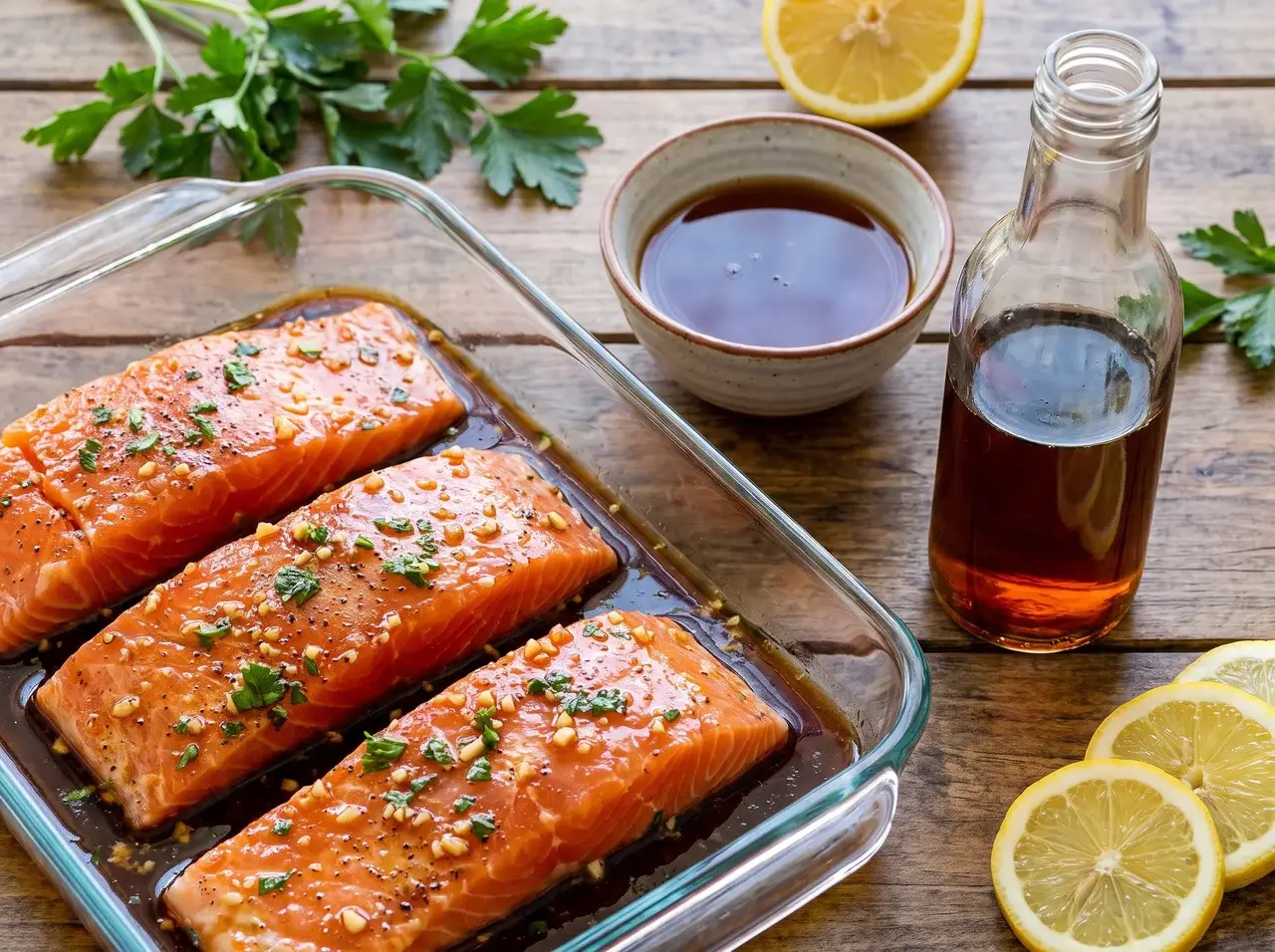
It also helps to do a few small tasks in advance. Washing and cutting vegetables, mixing a marinade, or making a jar of dressing can each take just a few minutes. These little steps add up, and they make a big difference on busy nights when energy is low.
Building Flavor With Everyday Ingredients
You do not need rare or expensive ingredients to make food taste special. Most of the flavor in a great meal comes from basic items that are already in many kitchens. Salt, pepper, garlic, onions, butter, olive oil, lemons, and fresh herbs can turn plain food into something memorable when they are used with care.
Seasoning at the right time is one of the simplest upgrades. Salting meat a while before cooking gives it time to soak in and improves both taste and texture.
Adding a squeeze of lemon or a splash of vinegar at the end of cooking brightens a dish and keeps it from tasting flat. A handful of fresh parsley, basil, or chives scattered over the plate adds color and freshness in seconds.
Making the Most of a Quick Sauce
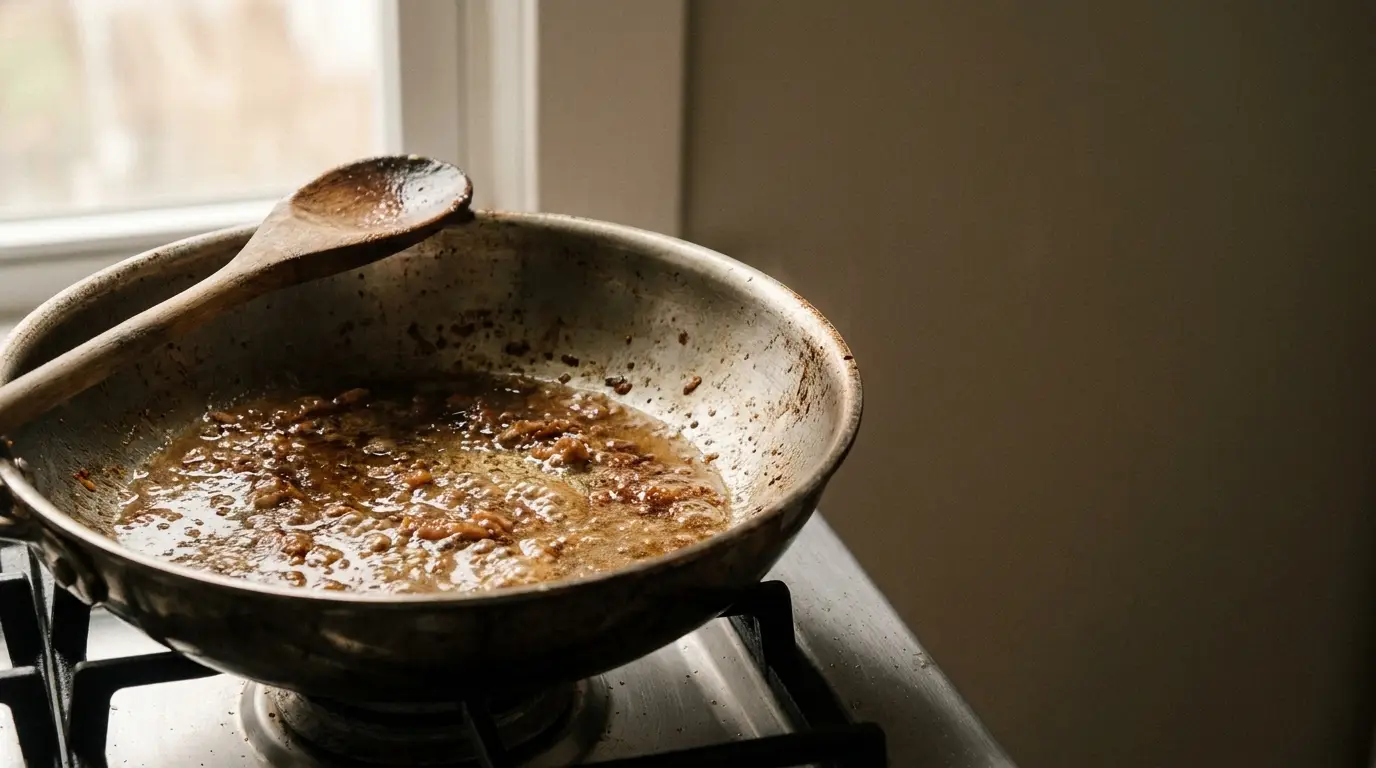
A good sauce can lift an entire meal, and it rarely takes long to make. Many of the best sauces start in the same pan you used to cook your main dish. The browned bits left on the bottom are packed with flavor, and a little liquid is all it takes to release them.
Add some broth, wine, or even water to the hot pan, scrape the bottom with a wooden spoon, and let it bubble until it thickens slightly. Stir in a knob of butter at the end for a smooth, glossy finish.
Garlic, shallots, mustard, or fresh herbs can be added to change the character of the sauce each time.
Pairing Sides That Complete the Plate
The main dish often gets all the attention, but the sides are what make a meal feel balanced and generous. A plate with a mix of colors and textures looks more inviting and tastes better as a whole.
Roasted vegetables are one of the easiest options. Toss carrots, broccoli, or sweet potatoes with oil and salt, spread them on a tray, and let the oven do the work. A crisp green salad with a sharp dressing offers a fresh contrast to rich dishes. Mashed potatoes, buttered rice, or warm crusty bread are comforting choices that soak up any sauce on the plate.
Setting the Table to Change the Mood
How a meal is served affects how it feels. Eating from the pan while standing at the counter turns dinner into a task, while sitting down at a set table turns it into a small occasion. This change costs nothing and takes only a minute.
Use real plates instead of paper, fold a napkin beside each one, and pour water into proper glasses.
Dimming the overhead lights or lighting a candle can make an ordinary evening feel calm and relaxed. Putting phones away during dinner helps everyone slow down and actually enjoy the food and the company.
Keeping the Routine Enjoyable Over Time
The best weeknight habits are the ones you can keep up without feeling worn out. Rather than trying to make every dinner special, aim for one or two meals each week that feel like a treat. Over time, these small upgrades become second nature, and cooking starts to feel less like a chore.
Invite others in the household to help. Children can wash vegetables or set the table, and a partner can handle the sides while you cook the main dish.
Sharing the work makes dinner faster and more fun. With steady habits and a little creativity, simple meals can become some of the best moments of the week.