


Grabbing a bottle of soy sauce for your next marinade seems harmless enough until you realize it may be hiding the wheat you’re trying to avoid.
Your path to a flavorful, gluten-free soy sauce alternative depends on what you’re steering clear of, whether that’s gluten or sodium. Knowing which swap fits your dishes and sauces makes all the difference at the table.
Who Needs a Soy Sauce Alternative for Gluten-Free Cooking?
Most traditional soy sauce gets its depth from a wheat-and-soybean brew, so it isn’t automatically gluten-free. That matters whether you have celiac disease, non-celiac gluten sensitivity, a wheat allergy or you’re simply cooking for someone who does. Choosing a gluten-free soy sauce alternative lets you keep the dishes you love, just with a few changes in how you approach them.
Picture marinating salmon for a weeknight dinner in a teriyaki-style sauce. Then, you realize afterward that the recipe called for regular soy sauce. That single ingredient could mean the dish is no longer safe for a guest with gluten-free dietary needs, even though everything else about the meal hits the mark.
Registered dietitian Anna Taylor, RDN, LD, hears this often. “A gluten-free diet definitely takes some adjusting to, but it isn’t a sentence to a life without bread, pasta or other foods you love,” Taylor states. “It’s possible to follow a gluten-free diet and still enjoy many of your favorite foods. It just requires some extra effort and care.”
What Are the Best Soy Sauce Alternatives for Gluten-Free Cooking?
There’s no single best gluten-free soy sauce alternative, since the right pick depends on whether you’re avoiding gluten, soy or sodium in your next dish.
Tamari
Tamari is the closest 1:1 swap for regular soy sauce because soybeans form the base of the brew instead of wheat. It holds its flavor well at high cooking temperatures, whether you’re stir-frying vegetables or basting a cut of fish on the grill. Even though tamari is soy-based, it’s still worth checking the label for a gluten-free certification, since formulations can differ from one brand to the next.
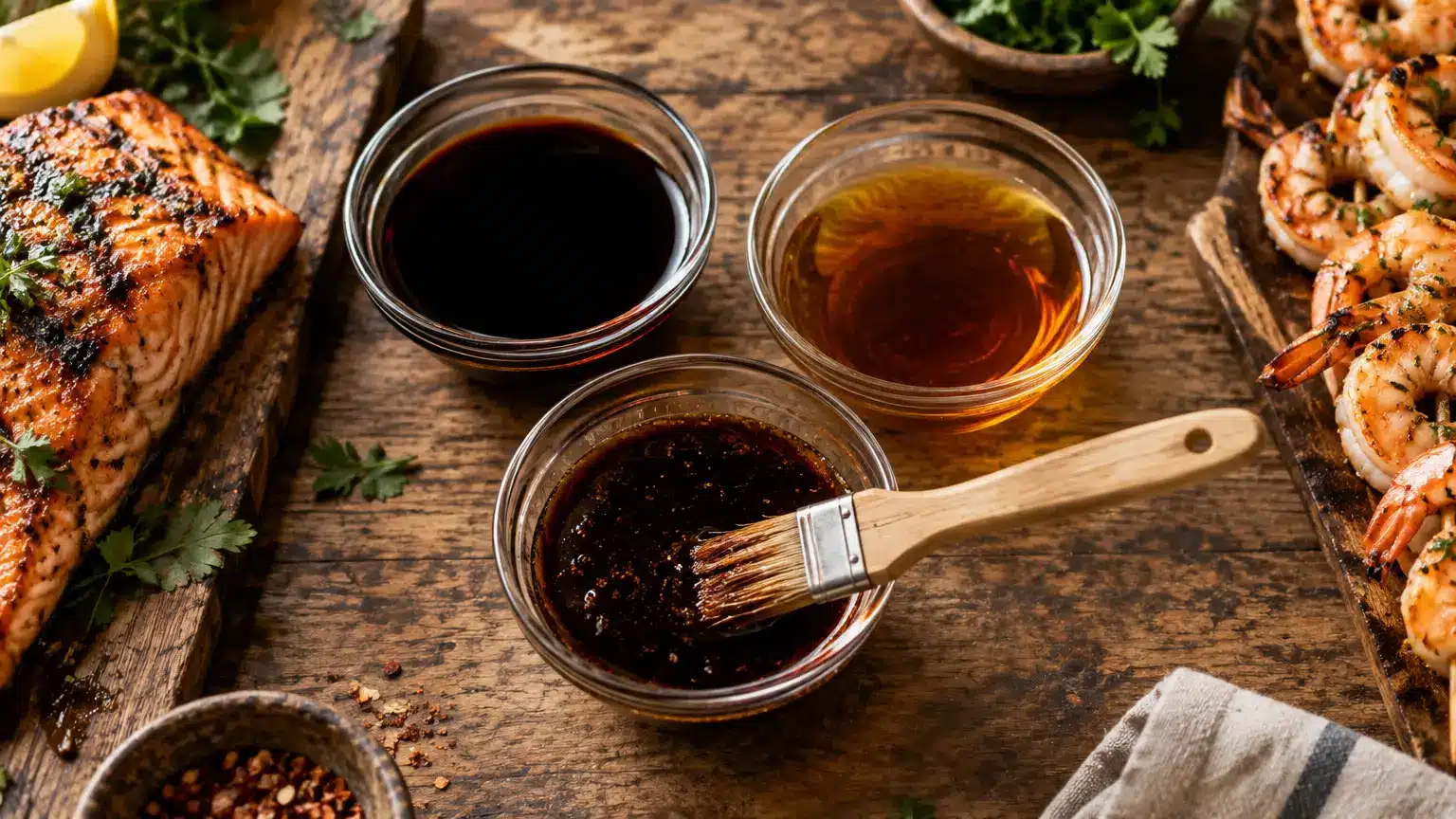
Consider brushing tamari onto grilled shrimp skewers or stirring it into a glaze for salmon. Its bold profile holds its own against smoky, charred notes in a way a thinner sauce can’t. Swordfish and other heartier catches respond just as well to that same intensity.
According to SAN-J, an eight-generation, family-brewed tamari maker, its tamari is “100% soy and no wheat, it has a richer, bolder and over 30% more umami than typical soy sauces.”
The ways it recommends cooking with the sauce highlight its versatility. “Use San-J tamari as a marinade and in stir-fry dishes or simply dip your sushi, seafood, veggies or appetizers in this flavorful, gluten-free soy sauce. Add tamari to soups, gravies, sauces and casseroles to enhance flavors.”
Coconut Aminos
If avoiding soy itself is the goal, a plant-based alternative delivers similar depth without any trace of it. Fermented coconut sap forms the base of coconut aminos, which are naturally gluten- and soy-free. They also offer a gentler, slightly sweet profile with less sodium per serving than tamari.
Hosting a guest with a soy allergy gets simpler when you swap coconut aminos into a sushi dipping sauce. Everyone can then share the same dish without a separate batch. It’s an easy way to keep the whole spread allergy-friendly without anyone noticing a difference.
Mark Yu, an executive chef in a contemporary Asian restaurant in Manhattan, keeps coconut aminos on hand for guests with different dietary restrictions.
“It’s an underrated condiment, an excellent substitute for soy sauce and versatile enough to suit many dietary needs, including celiac-friendly, vegan and soy-free diets,” Yu says. “Despite the name, it doesn’t taste like coconut.”
Liquid Aminos
Soybeans typically form the base of liquid aminos, so they’re soy-based but naturally gluten-free. Their umami quality is close enough to soy sauce that your other seasonings won’t need adjusting. They can also stand in for other gluten-containing condiments, like Worcestershire sauce.
Swapping liquid aminos into a grilled fish marinade that calls for Worcestershire sauce keeps the dish gluten-free. The rest of the recipe doesn’t need to change. It’s one of the easiest trades to make without touching anything else on the ingredient list.
Whitney Linsenmeyer, Ph.D., an assistant professor at Saint Louis University, points to liquid aminos as another flexible, gluten-free pantry staple. “Some people also use liquid aminos as a gluten-free substitute for Worcestershire sauce,” Linsenmeyer states, noting that it acts “as another similar umami condiment that can be good for people who need to follow a gluten-free diet.”
How Do You Choose a Gluten-Free Soy Sauce for Marinades and Seafood Dishes?
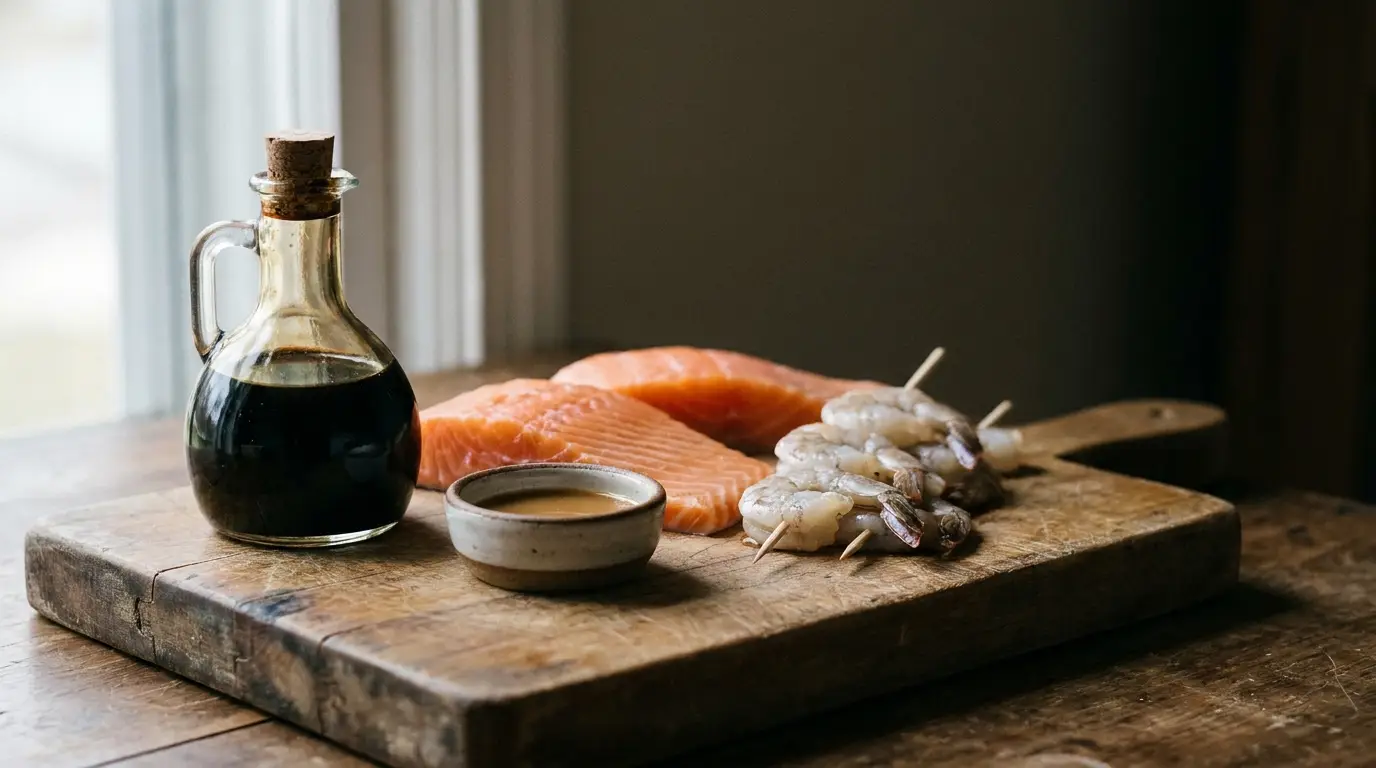
Choosing the right gluten-free soy sauce alternative starts with matching the sauce’s intensity to your dish. Bold flavors like tamari suit heartier proteins, while milder options work better for delicate fish. Reach for tamari in marinades for salmon or tuna steaks. Save coconut or liquid aminos for lighter dishes like white fish, shrimp or dipping sauces.
A sushi night with mixed dietary needs calls for options rather than compromises. Setting out both tamari and coconut aminos lets each guest dress their own plate without extra prep. The same side-by-side approach works whenever a guest list spans multiple food restrictions.
Flavor and dietary need both matter, but the final check should always be the ingredient label, since “gluten-free” and “wheat-free” aren’t always interchangeable claims.
As the Celiac Disease Foundation notes, “Products labeled wheat-free are not necessarily gluten-free. They may still contain spelt (a form of wheat), rye or barley-based ingredients that are not gluten-free. To confirm if something is gluten-free, be sure to refer to the product’s ingredient list.”
How Do You Know a Gluten-Free Soy Sauce Is Truly Safe?
A “gluten-free” label is reassuring, but understanding what’s actually behind it helps you trust it with more confidence. Third-party certification means an outside organization has independently verified the claim rather than the brand alone. Cross-contamination prevention during manufacturing matters just as much, especially if you’re cooking for someone with celiac disease.
Pricing differences between similar bottles often come down to certification and dedicated sanitation processes. SAN-J states, “All of San-J’s gluten-free products are certified by the Gluten-Free Certification Organization (GFCO), which meets the strictest standards. With the sensitive nature that exists for celiacs and those who suffer from gluten intolerance, San-J follows specific sanitation methods to prevent cross-contamination of wheat in its gluten-free products.”
Choose Your Gluten-Free Soy Sauce Swap With Confidence
The best soy sauce swap is simply the one that matches what you’re avoiding, whether that’s gluten, soy or sodium. Keep a couple of options on hand, like tamari for bold dishes and coconut or liquid aminos for lighter ones. This gives you flexibility for any seafood dinner or stir-fry night. Your next trip to the pantry can be the moment you build a collection that fits your needs.
Frequently Asked Questions
These quick answers tackle a few lingering questions about choosing a gluten-free soy sauce swap.
Is Tamari Really the Same as Gluten-Free Soy Sauce?
Tamari skips the wheat that traditional soy sauce brewing requires, relying on soybeans instead. It still delivers a comparable, often richer flavor that makes it an easy swap in most recipes. Checking for a gluten-free certification on the label is still worthwhile, since formulations vary by brand.
Are Coconut Aminos a Good Swap for Sushi and Seafood Dishes?
Coconut aminos work well with lighter seafood pairings, like sushi or delicate white fish. It won’t overpower a dish the way a bolder sauce might, according to chef Mark Yu’s take on the condiment. A small pinch of salt can help it taste closer to traditional soy sauce, if needed.
How Do You Know a Gluten-Free Soy Sauce Won’t Contain Hidden Wheat?
Trustworthy brands clearly label their gluten-free status and back it with third-party testing, so a certification seal quickly confirms a product meets strict standards. According to experts at SAN-J, products that earn certification undergo dedicated sanitation testing to prevent wheat cross-contamination. Reading the ingredient list once at purchase can save you from double-checking every time you cook.