

The Growing Relationship Between Food and Social Media
Food has always been an important part of human culture. It brings families together, creates memories, and allows people to experience different traditions through taste. However, the way people discover recipes, explore restaurants, and share their cooking experiences has changed considerably with the growth of social media.
Platforms such as Instagram, Facebook, TikTok, Pinterest, and YouTube have made food content more accessible than ever. People can watch cooking demonstrations, discover unfamiliar ingredients, explore restaurant menus, and learn about traditional dishes from different parts of the world.
What once required a cookbook or advice from an experienced cook can now be explored through a short video or a detailed online tutorial. This has made food-related content one of the most engaging subjects across digital platforms.
How Food Photography Influences Online Audiences
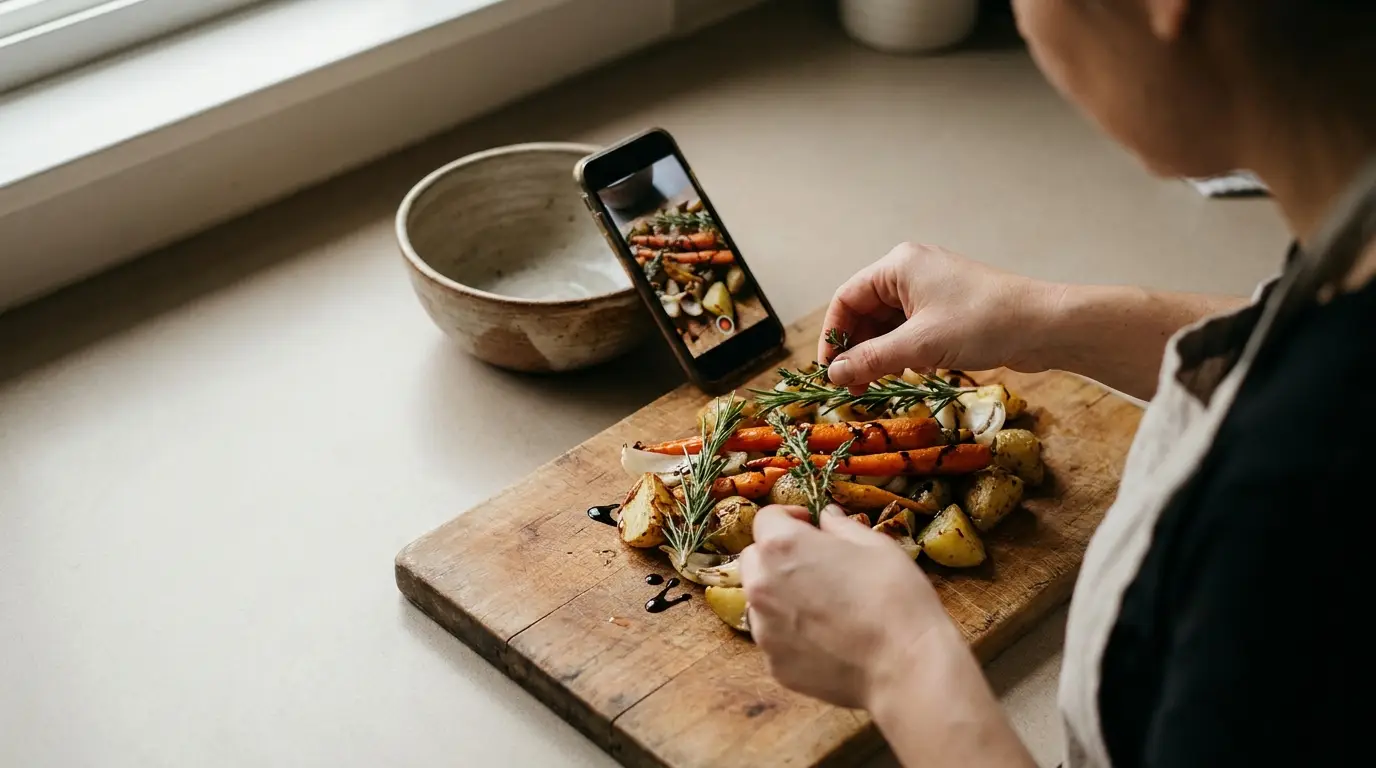
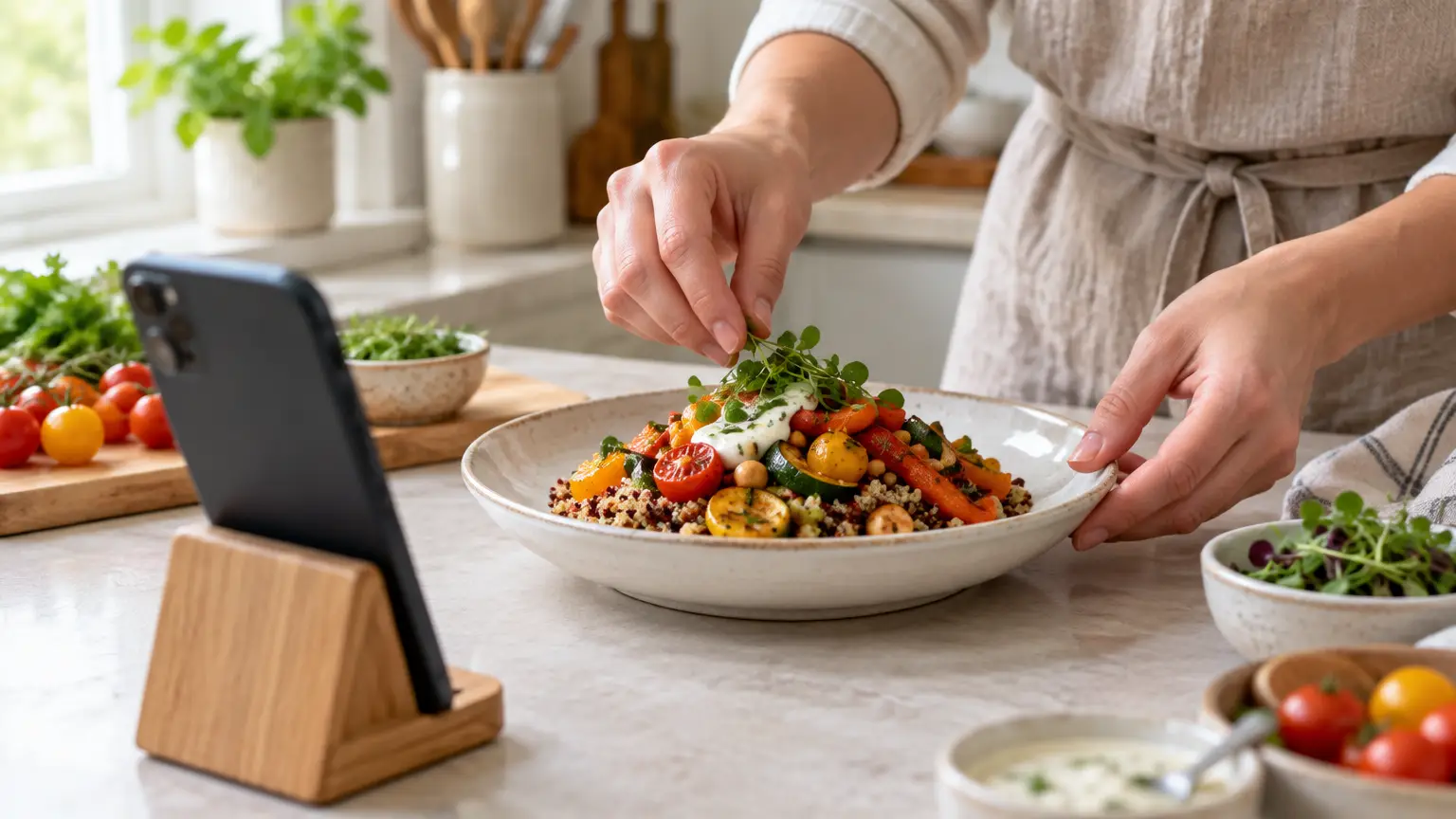
Visual presentation plays a major role in how people experience food online. A photograph of freshly baked bread, a colorful salad, or a beautifully arranged dessert can attract attention even before someone reads the recipe.
Food creators often focus on lighting, presentation, colors, and backgrounds to make their dishes look appealing. These details help communicate the texture and appearance of a meal while encouraging viewers to explore the complete cooking process.
The Importance of Authentic Food Content
Although professionally styled food photographs can be attractive, audiences also appreciate realistic cooking experiences. A homemade meal prepared in an ordinary kitchen can be just as interesting as a restaurant dish.
Showing the actual process, including small mistakes and unexpected results, makes food content feel more relatable. It reminds beginners that cooking is a skill developed through practice rather than something that always produces perfect results.
Discovering New Recipes Through Social Media
One of the biggest advantages of social media is the ability to discover recipes from different cultures and cooking traditions. People can explore dishes they may never have encountered in their local communities.
A home cook interested in Italian food might discover a traditional pasta recipe, while someone exploring Asian cuisine could learn about different noodle dishes, sauces, and cooking techniques.
Making Cooking Easier for Beginners
Video tutorials have made cooking more approachable for people with limited experience. Watching someone prepare a meal step by step can help beginners understand ingredient quantities, cooking temperatures, and preparation methods.
Creators who explain techniques clearly can make complicated recipes feel manageable. They can also suggest ingredient alternatives for people who cannot easily find certain products in local markets.
However, viewers should remember that cooking times and ingredient measurements may vary depending on equipment, food quality, and personal preferences. Following reliable food safety guidance remains essential.
How Food Creators Build Online Communities
Social media has created communities where people exchange recipes, discuss cooking experiences, and share their favorite meals. These communities bring together professional chefs, home cooks, food enthusiasts, and beginners.
People can ask questions about ingredients, request suggestions for special occasions, or share photographs of dishes they have prepared. This interaction makes cooking feel less like an individual activity and more like a shared experience.
Learning from Other Home Cooks
Not every useful cooking tip comes from a professional chef. Many home cooks share practical knowledge developed through years of preparing meals for their families.
Someone might explain how to make a traditional sauce, prepare vegetables more efficiently, or use leftover ingredients creatively. These small suggestions can help other people improve their everyday cooking habits.
Online discussions also introduce people to different approaches to familiar dishes, showing that there is often more than one way to prepare a successful meal.
The Influence of Social Media on Restaurants and Food Businesses
Restaurants and food businesses have also benefited from the popularity of social media. Instead of depending entirely on traditional advertising, restaurants can introduce their menus, showcase new dishes, and communicate directly with potential customers.
A well-presented photograph or an engaging video can help a restaurant attract attention from people who may not have heard about it before.
How Online Reviews Influence Food Choices
Many customers check online reviews before visiting a restaurant. They may look for information about food quality, portion sizes, customer service, cleanliness, and overall dining experiences.
These reviews can help people make more informed decisions, although individual experiences should not always be treated as universal opinions.
Restaurants can also use customer feedback to identify areas that need improvement. Responding professionally to comments and addressing genuine concerns can help establish a positive reputation.
Food Trends and Viral Recipes
Social media has made it easier for food trends to spread quickly. A particular dessert, unusual drink, creative sandwich, or new cooking technique can attract widespread attention within a short period.
Viral recipes often encourage people to experiment with ingredients and presentation styles. Some trends introduce genuinely useful ideas, while others are popular mainly because they look unusual or entertaining.
Why People Enjoy Trying Trending Recipes
Trying a popular recipe can be an enjoyable way to explore new flavors and techniques. People may prepare a trending dessert at home, share the results, and compare their experiences with others.
However, popularity does not necessarily mean that every recipe is practical, affordable, or suitable for everyday meals. It is worth considering ingredient availability, preparation time, and nutritional balance before following a trend.
The most valuable food ideas are often those that people can adapt to their own tastes and cooking habits.
Promoting Healthy Eating Through Food Content
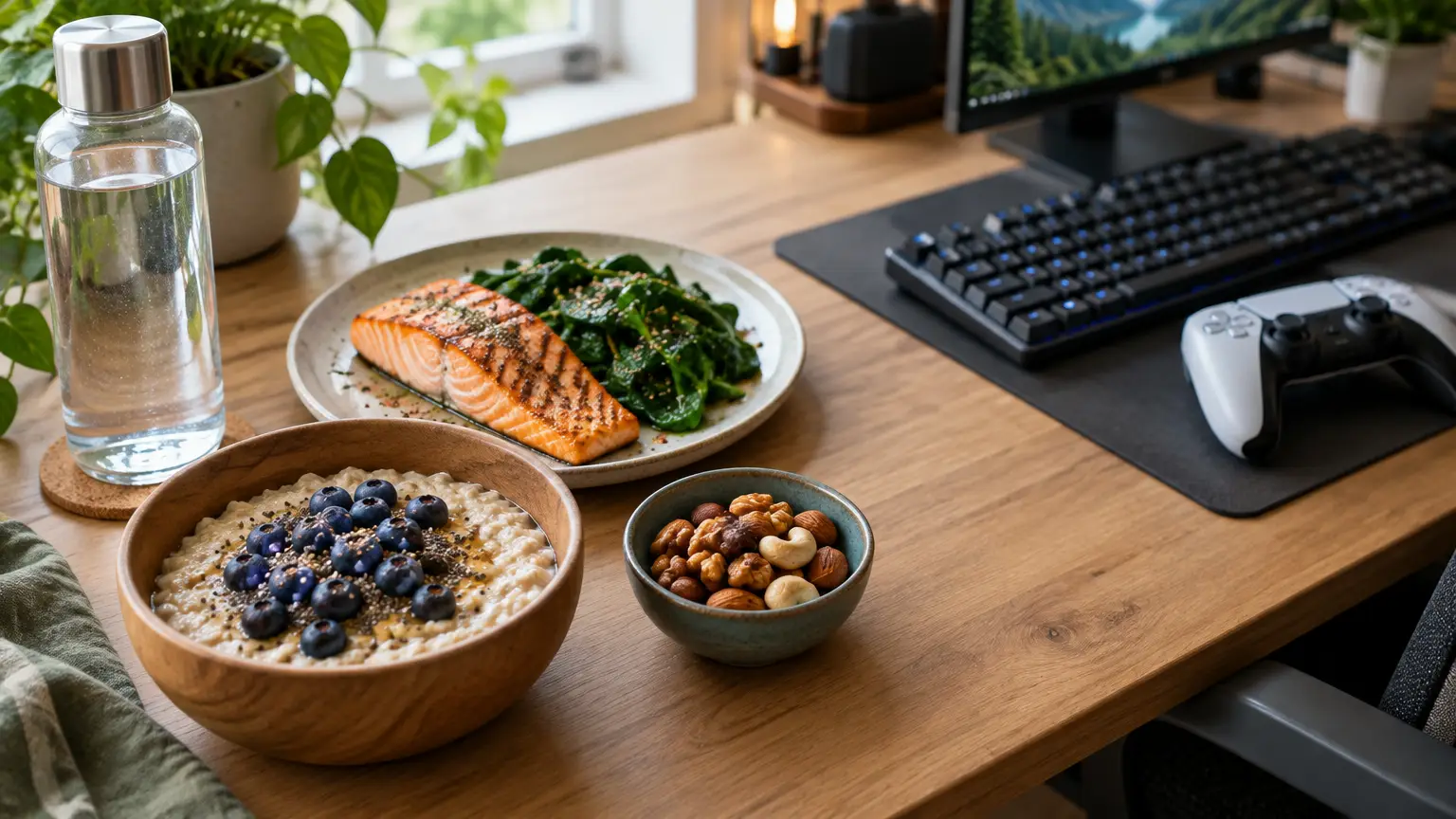
Social media can also introduce audiences to healthier eating habits. Nutrition professionals, experienced cooks, and food educators share information about balanced meals, ingredient choices, and practical meal preparation.
People interested in improving their diets can discover ideas for incorporating vegetables, fruits, whole grains, and other nutritious ingredients into everyday meals.
Making Balanced Meals More Interesting
Healthy eating does not have to mean preparing repetitive or unappealing food. Creative recipes can demonstrate how different ingredients, spices, and cooking methods create satisfying meals.
For example, a simple vegetable dish can become more interesting through suitable herbs, homemade sauces, or different preparation techniques.
It is important, however, to distinguish reliable nutritional information from unsupported claims. Food creators should avoid presenting personal opinions as medical advice, particularly when discussing diets or health conditions.
Supporting Local Food Culture and Traditional Recipes
Another valuable contribution of social media is its ability to preserve and promote traditional food culture. Many family recipes are passed from one generation to another through personal experience rather than written instructions.
Sharing these recipes online can help preserve cooking traditions and introduce them to younger audiences.
Connecting Different Cultures Through Food
Food content allows people to explore culinary traditions beyond their own communities. A traditional homemade dish from one country may inspire someone living thousands of miles away to try a new ingredient or cooking technique.
These exchanges can create appreciation for cultural differences while highlighting the similarities people share through food.
Creators who explain the history and cultural significance of traditional dishes can make their content more educational and meaningful.
Challenges of Food Content on Social Media
Despite its advantages, food-related social media content also has some challenges. Highly edited photographs and unrealistic cooking videos can sometimes create expectations that are difficult to achieve in an ordinary kitchen.
Some recipes may also promote unsafe food preparation methods or provide inaccurate information about ingredients and storage.
The Importance of Responsible Food Sharing
Creators should make an effort to share accurate instructions and sensible food safety information. Proper cooking temperatures, safe food storage, and kitchen hygiene are important details that should not be overlooked.
Audiences should also use their judgment when following online advice. Checking reliable sources and understanding individual dietary needs can help prevent unnecessary problems.
Honest content that explains both the benefits and limitations of a recipe is generally more useful than exaggerated promises.
The Future of Food and Social Media
The relationship between food and social media will likely continue to develop as digital platforms introduce new ways to share information. Live cooking sessions, interactive tutorials, online food communities, and short educational videos are already changing how people learn about cooking.
Technology may also make it easier for small food businesses and independent creators to reach audiences beyond their local areas.
However, the lasting value of food content will continue to depend on creativity, accuracy, and genuine experiences. People will always appreciate recipes that work, restaurants that provide enjoyable experiences, and cooking advice that makes everyday life easier.
Final Thoughts
Social media has transformed the way people discover recipes, explore food cultures, choose restaurants, and share their cooking experiences. It has created opportunities for home cooks, professional chefs, food businesses, and everyday food enthusiasts to connect with audiences around the world.
More importantly, it has made culinary knowledge easier to access and encouraged people to experiment with new ideas in their own kitchens.
Whether someone is learning to prepare a first homemade meal, exploring traditional recipes, or discovering a new restaurant, social media can provide inspiration and useful information. The best food content is ultimately the kind that encourages people to enjoy cooking, appreciate different cultures, and share meaningful experiences around the table.