

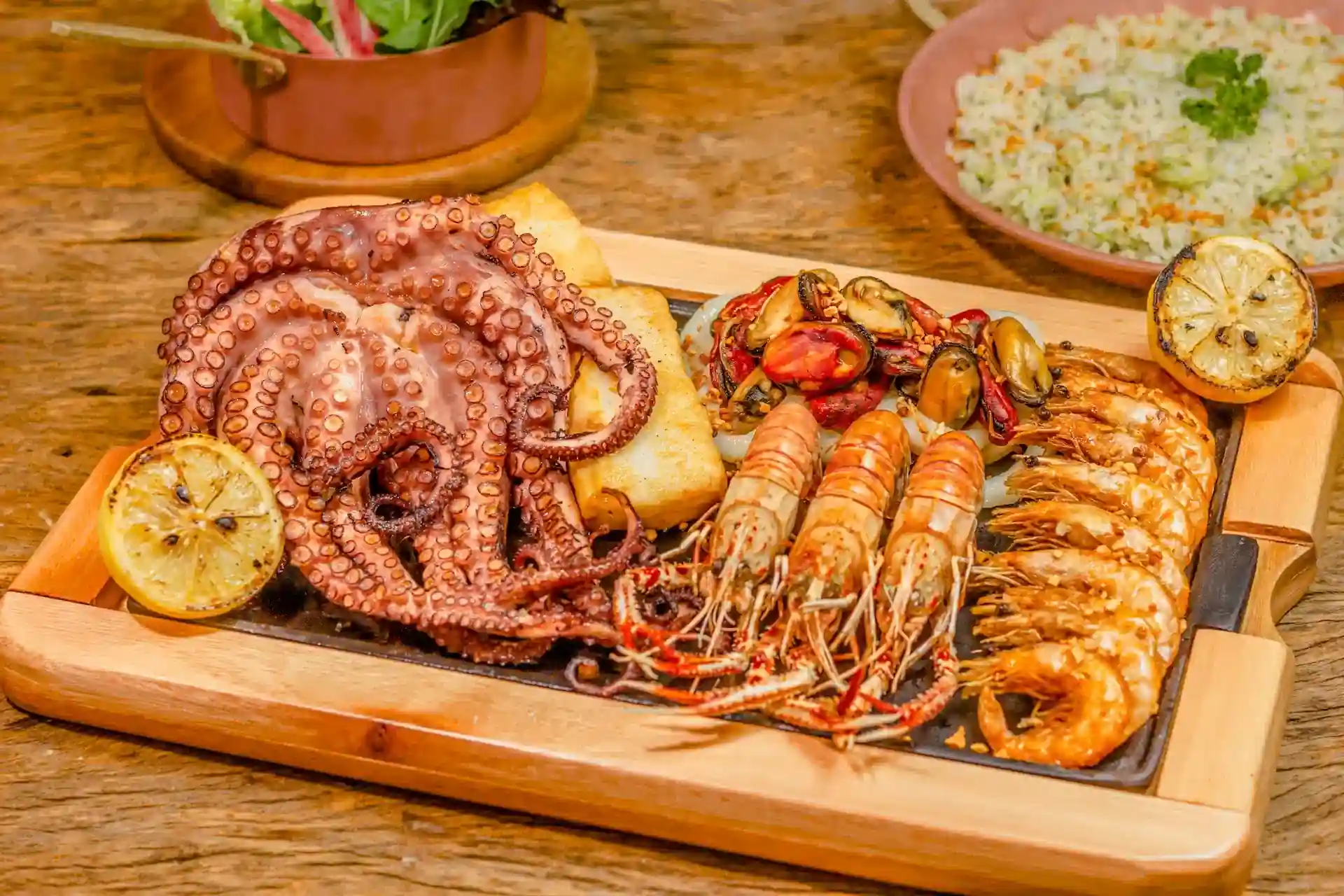
There is something deeply reassuring about knowing where your food comes from. In recent years, seafood lovers have become more curious, more informed, and far more selective about what lands on their plates. The journey from ocean to table is no longer just about freshness. It is about traceability, sustainability, and trust.
This shift in mindset has quietly reshaped not only how seafood is sourced and sold but also how consumers evaluate entirely different industries, including digital platforms that rely on transparency to build confidence.
At first glance, seafood sourcing and online entertainment platforms may seem worlds apart. Yet both revolve around a similar question. Can the consumer trust what they are being offered? In the digital space, discussions often revolve around systems, fairness, and user experience.
It is not unusual to see conversations like winna vip transfer reddit gaining traction as users look for clarity about how features work and whether processes are reliable. This mirrors the way seafood buyers now ask about fishing methods, origin labeling, and sustainability certifications before making a purchase.
The Rise of Conscious Seafood Consumption
Seafood has always been a staple in coastal cultures, but today’s consumers are approaching it with a new level of awareness. Questions that were once limited to chefs and suppliers are now part of everyday conversations. Where was this fish caught? Was it farmed responsibly? How long did it take to reach the market?
Platforms like knowseafood.com have played a key role in bridging the gap between fishermen and consumers. By emphasizing direct sourcing and transparency, they give people a clearer picture of what they are buying. This model reduces unnecessary steps in the supply chain, helping maintain freshness while supporting small-scale fisheries.
A helpful reference for understanding sustainable seafood practices can be found through the National Oceanic and Atmospheric Administration.Resources like this have empowered consumers to make choices that align with both quality and environmental responsibility.
Transparency as a Shared Standard
The demand for transparency does not stop at food. It extends into digital environments where users expect clear systems and predictable outcomes. Just as seafood buyers want to know the origin of their fish, digital users want to understand how platforms operate behind the scenes.
This is where parallels become interesting. In seafood, traceability ensures that every step from catch to consumption is documented. In digital ecosystems, transparency often comes in the form of clear processes, accessible information, and systems that can be verified or understood by users.
Consumers are no longer satisfied with vague assurances. They want proof. Whether it is a fisherman documenting the catch location or a platform explaining how its features function, the expectation is the same. Trust must be earned through openness.
Freshness and Speed in Modern Expectations
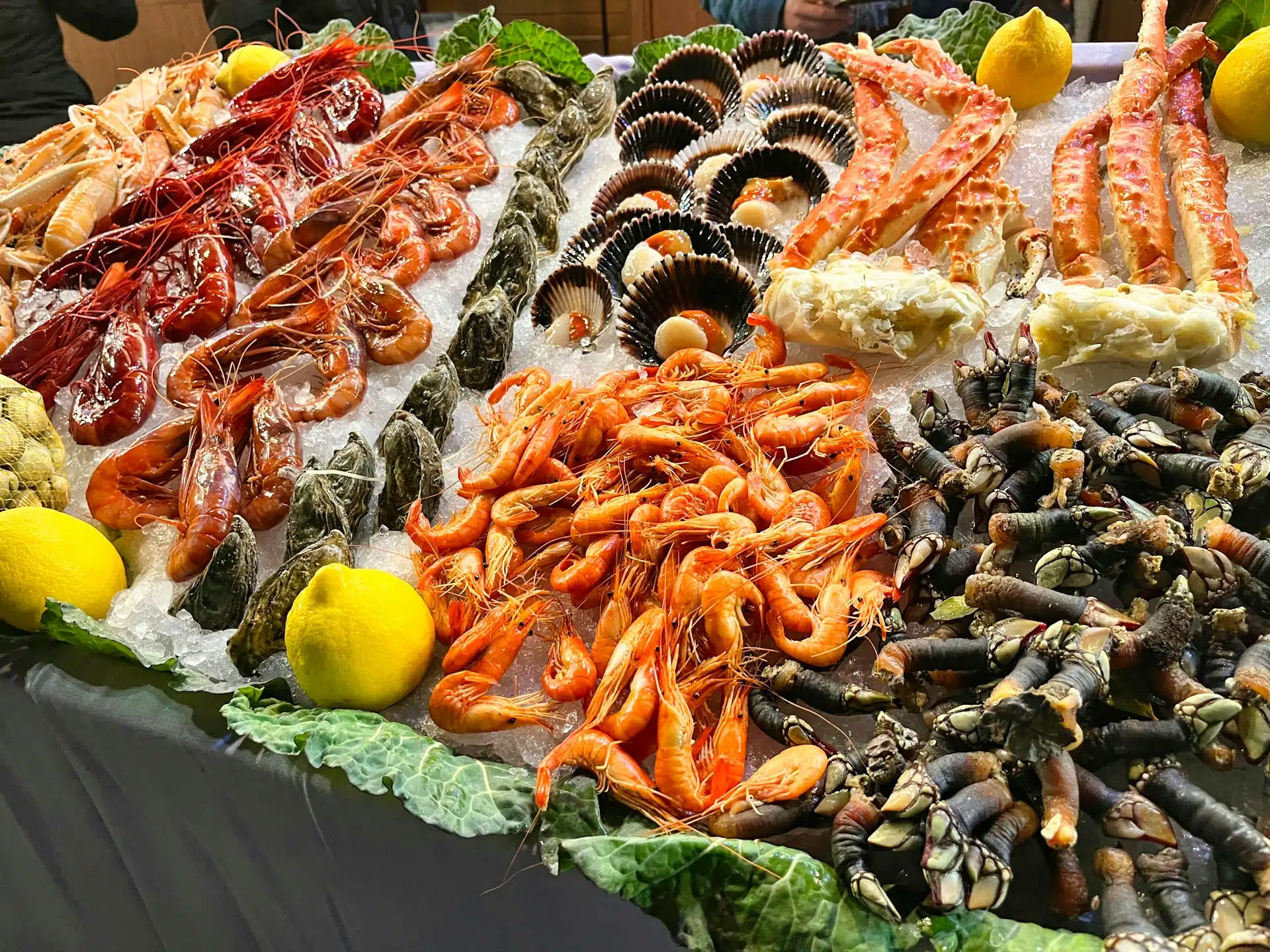
Fresh seafood is prized for its quality, but freshness is not just about taste. It reflects efficiency in the supply chain. The shorter the journey from ocean to table, the better the product. This principle has become a standard in seafood distribution, especially among businesses that focus on direct sourcing.
Interestingly, this idea of speed and efficiency also resonates in digital spaces. Users expect fast processes, minimal delays, and smooth interactions. Whether it is receiving seafood deliveries or navigating an online platform, the modern consumer values immediacy.
In both cases, delays can lead to dissatisfaction. A slow seafood supply chain risks compromising freshness. A slow digital process risks losing user trust. Speed, therefore, becomes more than convenience. It becomes a marker of quality.
The Role of Community Knowledge
Another shared element between seafood culture and digital platforms is the role of community. Seafood traditions are often passed down through generations, with local knowledge shaping how fish is caught, prepared, and enjoyed. Communities play a vital role in preserving these practices.
In the digital world, communities take a different form but serve a similar purpose. Forums, discussions, and shared experiences help users navigate platforms and make informed decisions. People rely on others’ insights to understand what to expect, just as seafood buyers might rely on local recommendations when choosing a supplier.
This exchange of information creates a collective sense of trust. It is not just about what a company says but what users and consumers experience and share.
Sustainability and Long Term Thinking
Sustainability has become a cornerstone of modern seafood practices. Overfishing and environmental concerns have pushed the industry to adopt more responsible methods. Consumers now look for certifications, seasonal awareness, and ethical sourcing as part of their decision-making process.
This long term perspective also applies to digital platforms. Users are increasingly drawn to systems that prioritize fairness, reliability, and consistency over time. A platform that operates transparently today is more likely to retain trust in the future.
Sustainability, whether in seafood or technology, is about balance. It is about ensuring that systems can continue to function effectively without compromising quality or integrity.
A Shift Toward Informed Choices
What ties all of this together is a shift in consumer behavior. People are no longer passive participants. They are active decision makers who seek information, compare options, and evaluate credibility before committing.
In seafood, this means choosing sources that prioritize freshness and ethical practices. In digital spaces, it means engaging with platforms that provide clarity and reliability. The underlying principle is the same. Informed choices lead to better experiences.
Where It All Connects
The connection between seafood and digital platforms may not be obvious at first, but it becomes clear when viewed through the lens of trust. Both industries are evolving to meet the expectations of a more discerning audience.
Seafood platforms that highlight origin and sustainability are thriving because they address consumer concerns directly. Digital platforms that emphasize transparency and user understanding are doing the same.
In both cases, the future belongs to those who can demonstrate authenticity. Whether it is a fisherman sharing the story behind a catch or a platform explaining how its features work, the goal is to build confidence through clarity.
As consumers continue to value transparency across different areas of their lives, the lines between industries begin to blur. What matters is not the product itself but the experience surrounding it. Trust, after all, is universal.
And whether it is a perfectly sourced piece of seafood or a well understood digital feature, that trust is what keeps people coming back.