

Seafood is sensitive. Handle it right, it rewards you. Ignore the details, it turns on you quickly. Texture slips, smell changes, flavor goes flat. Not gradual either. One day it’s fine, the next day… questionable.
We think most kitchen mistakes with seafood don’t happen during cooking. They start earlier. Storage, timing, temperature control. Quiet things people overlook.
So yeah, let’s talk about what actually keeps seafood fresh longer.
The Basics of Seafood Storage
Cold is everything here. Not a casual cold. Proper, steady, almost aggressive cooling. Fresh seafood likes to sit just above freezing, close to 0°C. Your fridge probably runs warmer than that, so you have to improvise a little.
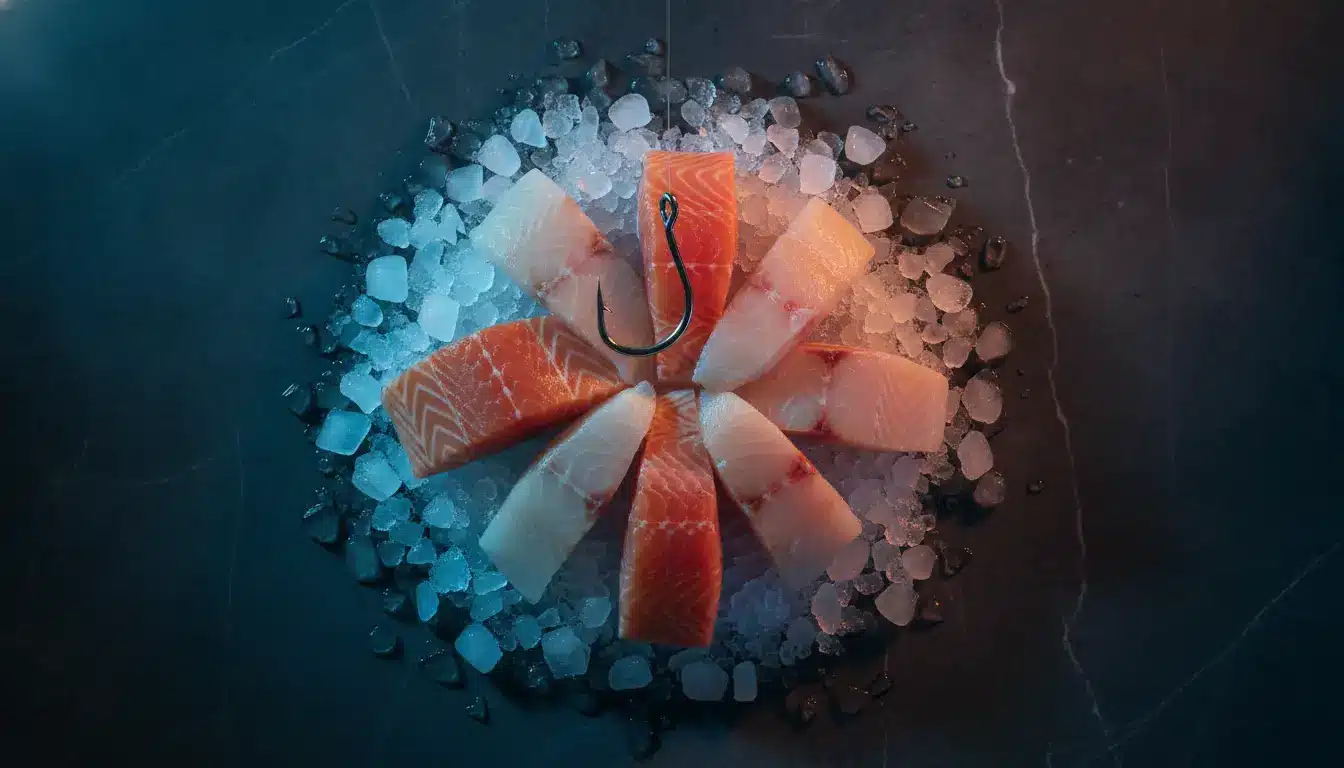
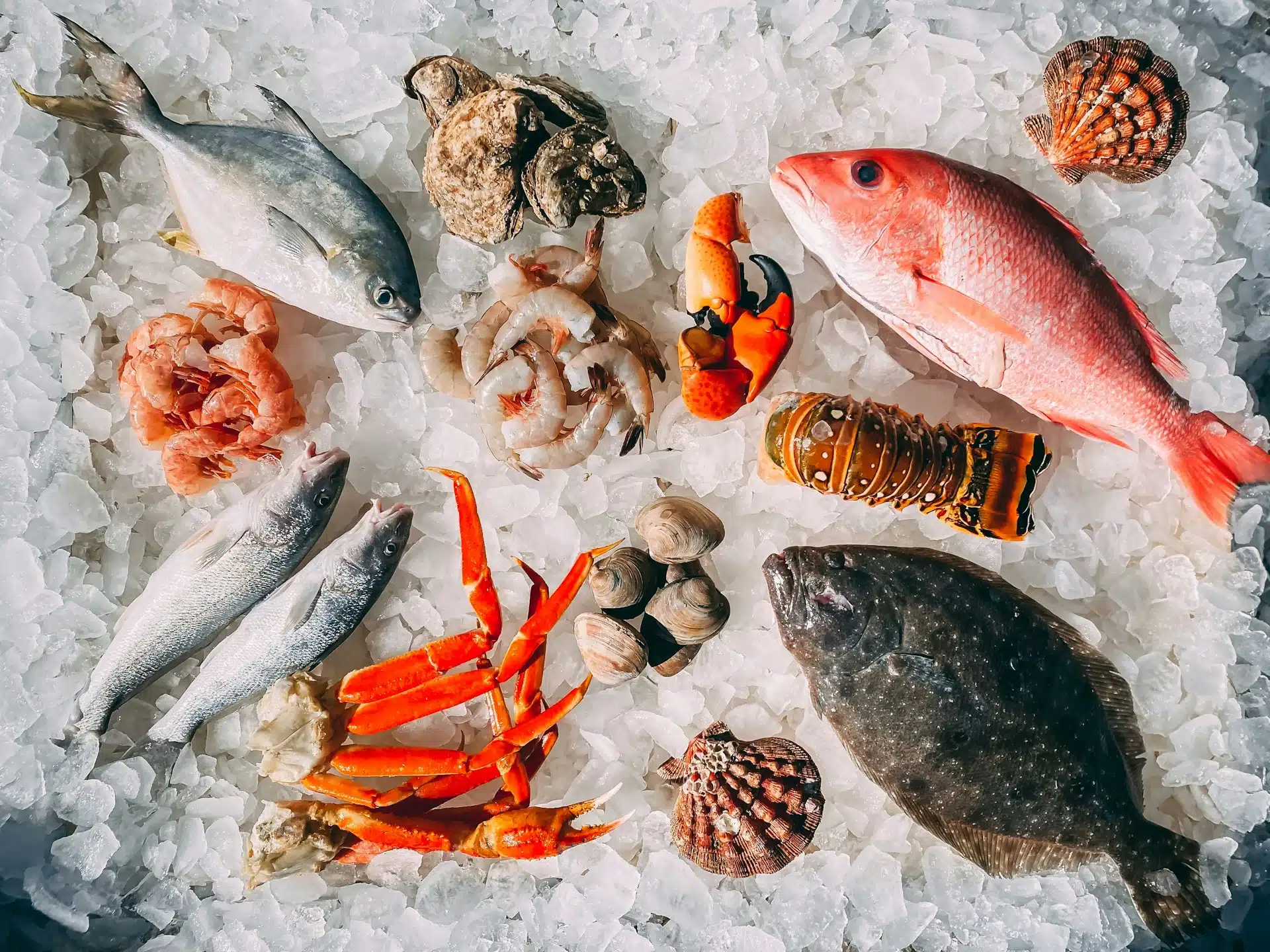
Some people rely on fridge shelves and hope it works out. It doesn’t always. A better move is placing seafood on crushed ice inside the fridge. That creates a colder micro-zone. More stable too. According to our analysts, this method can extend freshness noticeably compared to standard storage.
And if you’re organizing your notes or research around food safety, tools like a Chicago Citations Generator can help structure things neatly, though yeah, that’s more for documentation than storage itself. Still, worth mentioning.
Make sure melted ice drains away. Standing water ruins texture fast. Elevate the fish slightly, even a simple rack works.
Understanding Different Types of Seafood Storage Needs
Not all seafood behaves the same. Treating everything alike? That’s where problems creep in.
Finfish like salmon or cod are fragile. They break down quickly, so keep them on ice, loosely wrapped. Tight plastic traps moisture. Moisture speeds spoilage.
Shellfish, though, are alive when you buy them. Clams, mussels, oysters. They need air. Don’t seal them in plastic bags. Cover them with a damp cloth instead. Let them breathe while staying cold.
Shrimp and prawns fall somewhere in between. Slightly forgiving, still risky if ignored. Store them cold, lightly covered, and cook soon. Waiting too long changes everything.
Maybe you’ve noticed how fresh seafood smells clean, almost like seawater. That’s your baseline. Anything sharp or sour… something’s off.
Refrigeration Done Right: Small Tweaks That Matter
Your fridge setup matters more than you think.
Keep seafood in the coldest section. Usually the back of the lower shelf. Not the door. The door warms up every time it opens. That fluctuation adds up.
Wrapping matters too. Wax paper works surprisingly well. It allows a bit of airflow while protecting the fish. Plastic wrap can trap too much moisture.
Use seafood quickly. One to two days is a safe window. Stretching beyond that feels risky. People try, sure. Sometimes it works. Sometimes not.
We think if there’s doubt, don’t push it. Seafood doesn’t give second chances.
Freezing Seafood Without Ruining Texture
Freezing helps, but only if done right. Otherwise, you end up with dry, grainy fish that no seasoning can fix.
Speed matters. Faster freezing creates smaller ice crystals. Smaller crystals cause less damage to the flesh. Slow freezing leads to that weird texture nobody likes.
Dry the seafood before freezing. Extra water forms ice, and ice damages structure. Wrap tightly, remove as much air as possible. Air leads to freezer burn.
Label everything. Sounds obvious, still gets skipped. Weeks later, you find frozen fish and have no idea how old it is. That’s how food gets wasted.
Fatty fish like salmon freeze better than lean ones. They hold their texture longer.
Thawing Seafood Safely (Where Most Slip Up)
Thawing isn’t just waiting. That’s where many mistakes happen.
Room temperature thawing feels convenient, but it’s risky. Bacteria grow fast in that window. You might not notice immediately. That doesn’t mean it’s safe.
The best method is slow thawing in the fridge. Takes time, but keeps the structure intact.
If you’re in a rush, use cold water. Seal the seafood in a bag, submerge it, change the water occasionally. It’s a bit tedious, though it works well.
Microwaving? Honestly, it creates uneven results. Some parts cook, others stay frozen. Not ideal.
Signs Your Seafood Has Gone Bad
Trust your senses. They’re more reliable than labels sometimes.
Smell is the first signal. Fresh seafood smells clean. Bad seafood smells sharp or sour. Hard to define exactly, but you’ll recognize it.
Texture matters too. Slimy surface? That’s a warning sign.
Color changes can help. Fish turning dull or slightly gray often means it’s past its best.
Shellfish that don’t close when tapped are dead. No hesitation, discard them.
We think people often second guess here. They hesitate, try to convince themselves it’s fine. That hesitation can lead to problems.
Smart Storage Hacks Most People Never Try
A few small tricks can make a real difference.
Salted ice, for example. Adding a bit of salt lowers the melting point, keeping things colder longer.
Storing fish with herbs like parsley can help with minor odor shifts. Not a fix, just a small buffer.
Keep a thermometer in your fridge. Guessing temperature rarely works out well.
Rotate your seafood. Older pieces in front, newer ones behind. Simple habit, often ignored.
When to Choose Fresh vs Frozen Seafood
Fresh isn’t always better. That surprises people.
Frozen seafood is often processed right after catch. That locks in quality. Sometimes it’s fresher than fish sitting in a display for days.
Fresh works best when you plan to cook soon. Same day or next day. Beyond that, frozen food becomes the safer option.
Honestly, frozen seafood today is pretty solid. Texture, taste, consistency. Way better than what people expect.
Common Storage Mistakes That Ruin Seafood
Leaving seafood in store packaging too long. Those wraps aren’t meant for extended storage.
Stacking fish directly on top of each other. It damages the flesh.
Ignoring drainage when using ice. Water buildup speeds spoilage.
Opening the fridge too often. Temperature fluctuations matter more than people think.
Delaying refrigeration after purchase. Even short delays can shorten shelf life.
These mistakes seem small. Together, they ruin quality fast.
Advanced Kitchen Practices Used by Ghost Writers of the Culinary World
Professional kitchens operate differently. Quiet systems, habits you don’t notice at first. Almost like Ghost Writers working behind the scenes, keeping everything smooth without drawing attention.
Seafood gets checked immediately on arrival. Not later. Right away. If something feels off, it doesn’t go into storage.
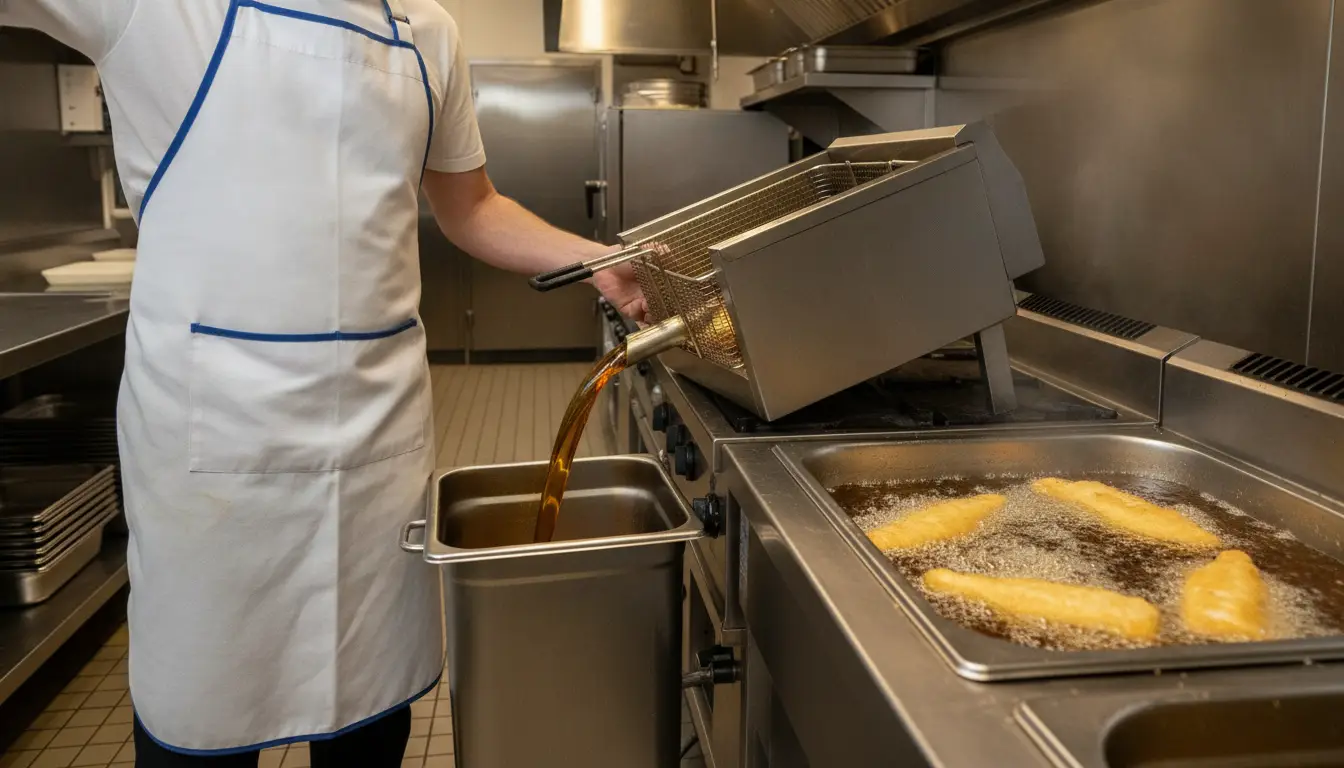
Ice is refreshed often. Not once a day. Several times. Temperature checks happen regularly, not just when there’s a problem.
There’s a rhythm to it. Consistent, disciplined, a bit obsessive maybe.
We think home kitchens can borrow some of that mindset. Not all of it, sure. But enough to keep seafood fresher, longer, safer.
Final Thoughts That Don’t Wrap Perfectly
Seafood storage isn’t complicated, though it feels that way at first. It’s about attention. Small habits, repeated without thinking too much.
Keep it cold. Use it quickly. Trust your instincts when something feels off.
And maybe stop treating seafood like any other ingredient. It’s not. Never really was.