

Fresh fish and colorful shellfish bring great flavor to your dinner table every week. These foods provide plenty of protein and good fats for a healthy body. Preparing a seafood meal is a fun way to try new kitchen skills.
You can learn to sear a scallop or bake a whole trout easily. Safety is a big part of having a good time while you cook. Keeping your kitchen safe helps you focus on the delicious smells and tastes. Many people love to host seafood dinners for their friends and family.
Good preparation starts long before you turn on the stove or oven. You need to think about how you move around your cooking space. Wet floors and sharp knives can cause problems if you are not careful.
A safe home allows you to stay independent and keep doing what you love. Cooking should be a relaxing hobby that makes you feel proud of your work. You can take a few simple steps to stay protected while you work with fish. These habits help you avoid accidents and keep your kitchen running smoothly every single day.
Setting Up a Secure Kitchen Space
A well organized kitchen is the best tool for any home chef to have. You should look at your floors and counters to find any hidden risks. Water often splashes when you wash fish or clean shrimp in the sink. Wet tiles are very slippery and can lead to a bad fall. You can use mats that grip the floor to stay steady on your feet.
Keeping your workspace clear of clutter helps you move around without any trouble. This makes the whole process of cooking much faster and more enjoyable for you.
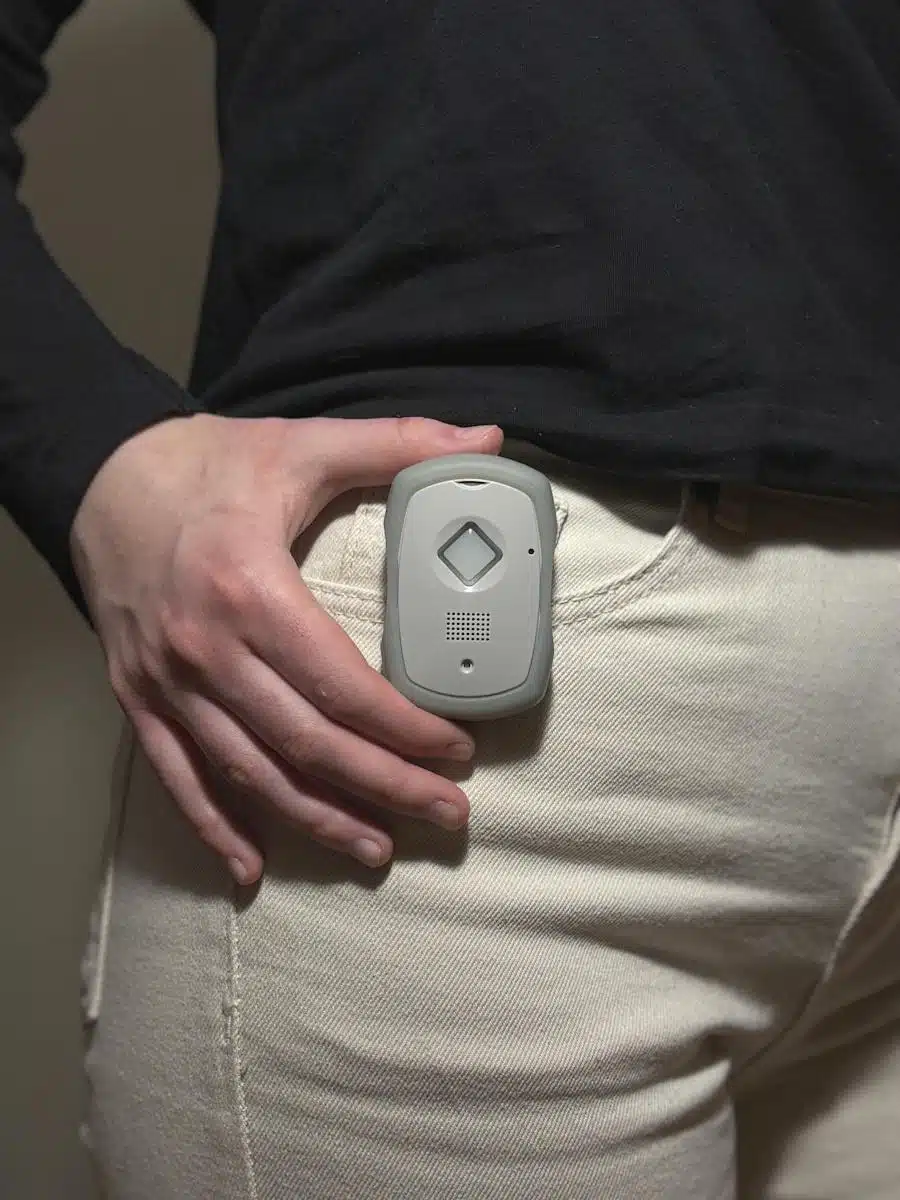
Safety technology can help you stay confident while you work alone in the home. Many active adults use Life Assure’s medical ID wristbands to stay safe while they cook. These devices give you a way to call for help if you trip or fall. You can wear them easily without they getting in the way of your apron.
Having this support nearby means you can try new recipes without feeling worried or nervous. It acts like a quiet partner that watches out for your well being at all times. This simple choice helps you maintain your lifestyle and keep your kitchen skills sharp.
Improving Your Workspace Flow
You can change how you store your heavy pots to save your back and joints. Keeping items at waist height stops you from reaching too high or bending too low.
- Store your most used pans in a drawer that opens easily.
- A cutting board stays steady if you place a heavy towel underneath it.
- Magnetic strips keep your sharpest blades away from fingers in dark drawers.
- Your workspace feels larger when you clear away items you do not need.
Bright Lights for Better Cutting
Good lighting helps you see small details when you are cleaning a fish fillet. You need to spot small bones or scales before they get into the food.
- Add a small light under your cabinets to see your work better.
- Use bright bulbs that make the room look like it has sunshine.
- Clear your windows to let in natural light during the daytime hours.
- Check that your stove light works so you can see your pans.
Managing Health Risks and Food Quality
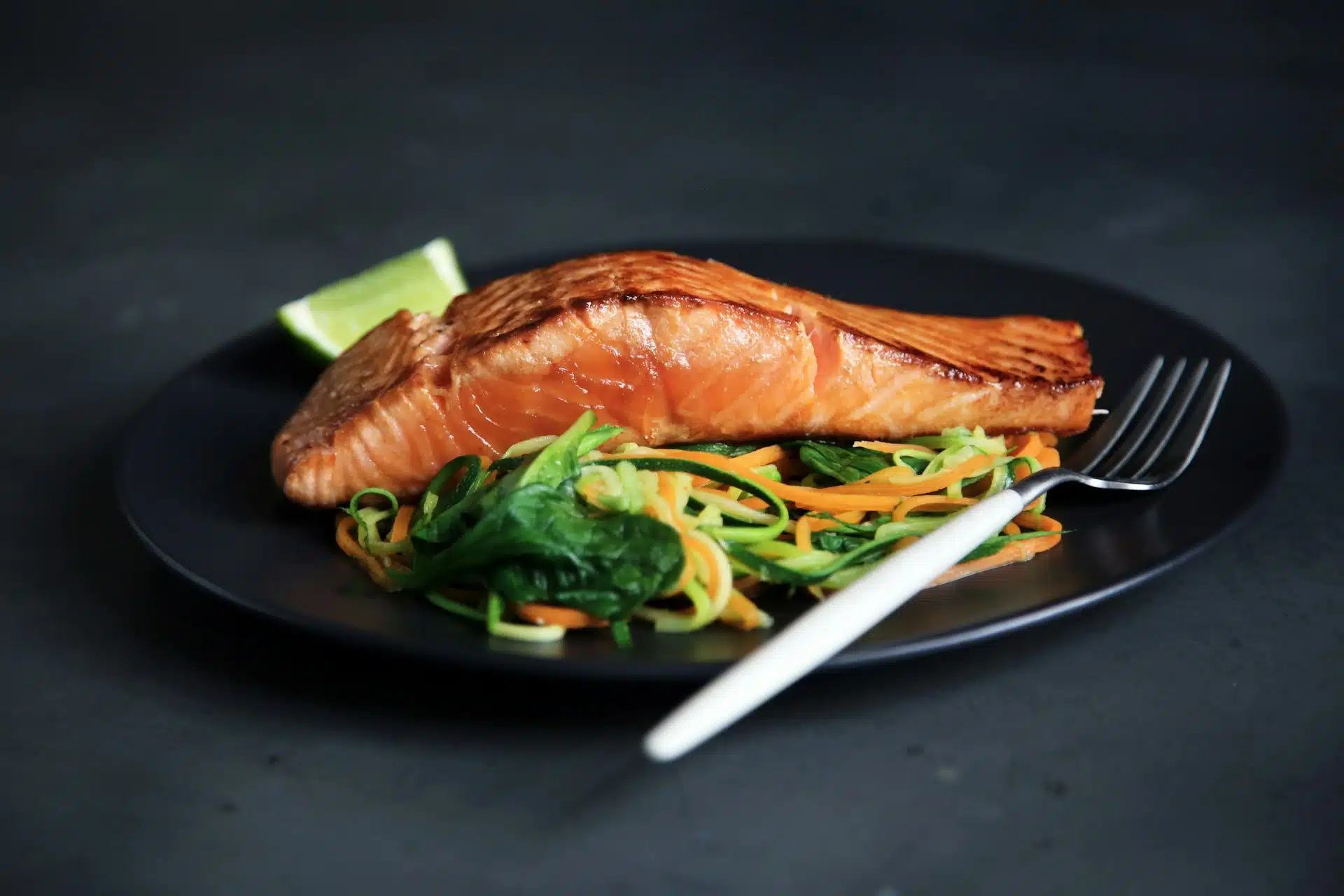
Seafood is very healthy but it needs careful handling to stay that way. You should always buy your catch from a place that you trust. Fresh fillets do not have a strong or bad smell at all.
The meat should smell like the ocean or a fresh breeze outside. Cold storage is the most important part of keeping your seafood safe to eat. You should put your fish in the fridge right after you get home. This stops germs from growing on the skin or in the meat.
Learning about your own body helps you stay safe while you try new foods. Some people have allergies to certain types of shellfish like crab or lobster. It is smart to know the signs of a reaction before you start eating. The National Institute of Allergy and Infectious Diseases offers great tips on how to spot these issues.
You can learn how to tell the difference between a bad reaction and a stomach ache. Being informed helps you enjoy your meal with a clear and calm mind. You can share this info with your guests to keep them safe too.
Checking Your Seafood for Freshness
You can use your senses to find the best pieces of fish at the store. Quality seafood looks bright and feels firm when you touch it with your hand.
- Clear and bright eyes on a whole fish indicate a very fresh catch.
- Look for gills that are bright red and look very clean.
- When you press the meat, it should bounce back to its shape quickly.
- Avoid any pieces that have grey or brown slime on the skin.
Cooking to the Right Temperature
Using a food thermometer is the only way to be sure your fish is done. You want to kill any germs without overcooking the delicate meat and losing flavor.
- Set your thermometer to reach 145 degrees for most types of fish.
- Wait for shrimp to turn pink and lose their clear look.
- Check that scallops feel firm and look white on the inside.
- Cook clams until the shells open wide on their own in the steam.
Smart Choices for a Healthy Lifestyle
Buying your food can be easier if you use the right modern services. Many people find ordering seafood online is a great way to get fresh items. This saves you a trip to a crowded store where you might slip. You can get high quality fish delivered right to your front door very fast. This lets you spend more time cooking and less time standing in long lines. It is a smart way to keep your kitchen stocked with healthy proteins.
You should also look for fish that comes from clean and safe waters. You help the ocean and your own dinner plate when you choose to support sustainable fishing practices.
These methods often result in catches that have fewer chemicals and better taste for you. Supporting good fishing habits is great for the ocean and your dinner plate too. When you know where your food comes from, you feel better about eating it. This knowledge gives you peace of mind every time you sit down to eat.
Storing Your Seafood at Home
Proper storage keeps your expensive fish from going bad before you can cook it. You should use ice or very cold parts of your fridge for fish.
- Wrap your fish in tight plastic to keep the air out.
- Put the wrapped fish in a bowl of ice in the fridge.
- Use your fresh seafood within one or two days of buying it.
- Label your frozen fish with the date so you know its age.
Balancing Nutrition and Personal Safety
Eating a variety of fish gives your brain and heart the fuel they need. You can mix up your meals with different species to get more vitamins. The Food and Drug Administration provides a chart that shows which fish have the least mercury.
This helps you pick the safest options for you and your family to eat. You can enjoy tuna or salmon while staying within the safe limits for your body. This balance is the secret to a long and healthy life full of good food.
Staying Confident in Your Kitchen Skills
You can continue to be a great cook by staying aware of your space. Using protection tools and fresh ingredients makes every meal a win for you. You do not have to give up your favorite hobbies as you get older.
You just need to change a few small things to stay protected and strong. Cooking is a great way to keep your mind sharp and your body fed. Your kitchen can be a place of joy and health for many years.
A safe home is the best gift you can give to yourself and your family. Every time you wear your gear or clean a spill, you are winning. You are taking control of your life and your health with every single meal.
Keep learning new things and trying new tastes from the deep blue sea. You have the power to stay secure and eat well at the same time. Enjoy your next seafood dinner with a big smile and a sense of pride.