

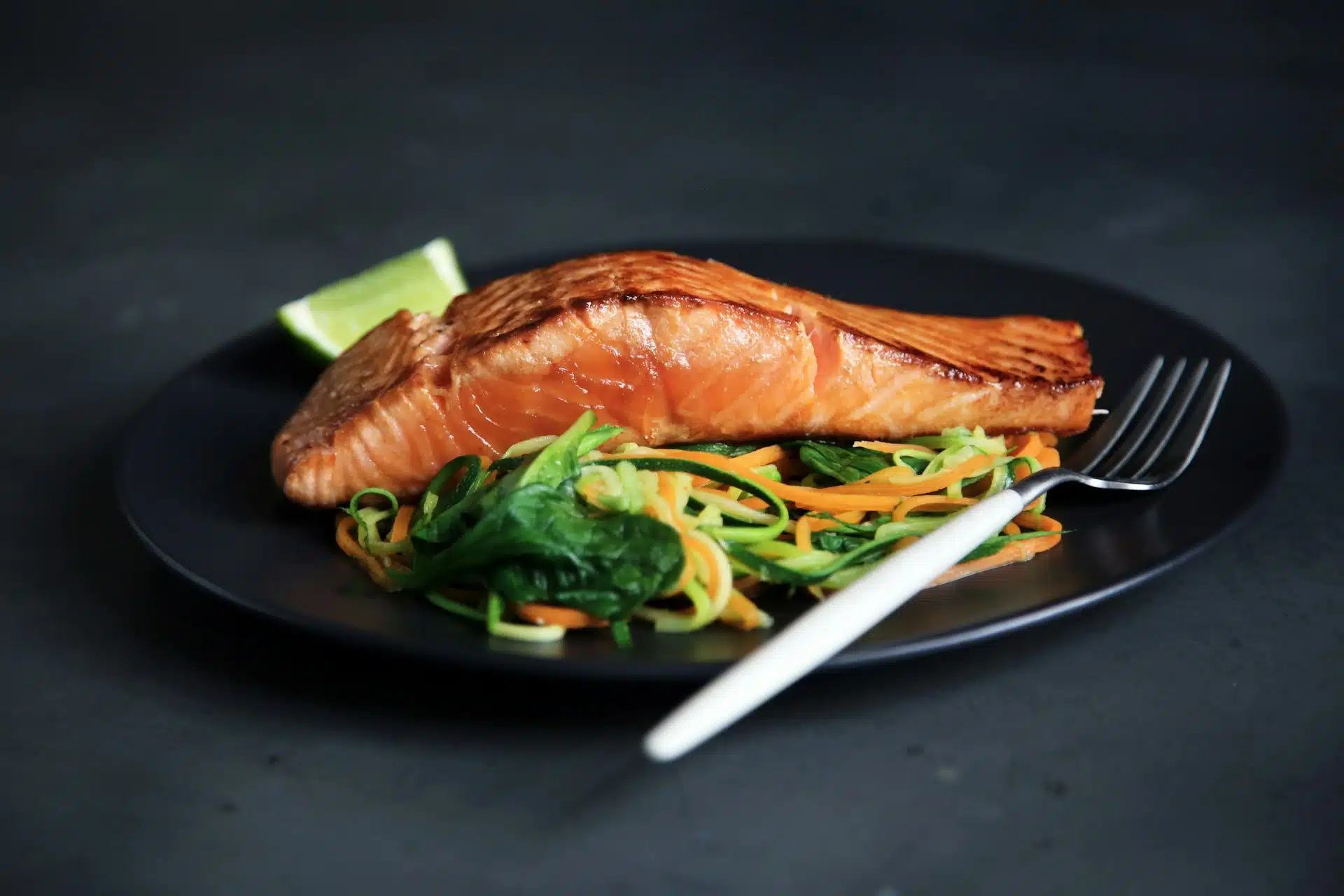
Understanding the Starting Point: Small-Scale Seafood Prep
Outgrowing your current setup? That moment often signals progress, yet introduces new hurdles. Equipment once sufficient might now hold things back instead of helping move forward. Picture needing more than just extra burners – think workflow redesigned around bigger batches.
Moving from a single prep area to handling diverse menu items requires gear that keeps pace without sacrificing consistency. When portions grow larger and service times tighten, tools must respond with reliability, not resistance. A shift like this isn’t only about size – it reshapes how space, heat, storage interact daily.
Scaling shifts what tools you need, shaping smarter buys while sidestepping expensive errors.
Starting out, most food ventures begin modestly, usually zeroing in on something specific – say, cooking fish. Equipment needs then center around core tools for a professional kitchen, keeping things running without draining funds.
Freshness drives everything when getting ready to work with sea creatures. Usually just a few carefully picked items make up the gear needed. Cold boxes keep things chilled while counters give space to slice and sort. Knives sit close by along with tiny helpers like scrapers or peelers. Staying cool matters most, so fridges do heavy lifting behind the scenes. The whole system.
Transitioning to a Growing Kitchen Operation
When orders start piling up, space and tools become tighter. That shift changes what gear makes sense. Upgrading from simple appliances to stronger models helps keep pace with volume while holding standards steady.
Something slows you down when things get busy. Maybe one prep area just does not cut it anymore, or the fridge runs out of space at lunch rush. When that happens, better gear makes a difference – keeping meals steady and service fast.
When space grows, bigger cooling units show up alongside extra prep zones. Alongside those, stronger airflow setups usually follow. Often there’s a shift toward gear that handles fish work faster – less handwork, more steady rhythm. Sourcing from a reliable supplier like Chef Stop gives growing kitchen operations access to commercial-grade equipment suited to that next level of demand. Smooth moves in the kitchen start mattering just as much as clean habits every single day.
Scaling to a Mid-Sized Restaurant Kitchen
Midway through growth, things in the kitchen start stacking up fast. It’s not only fish on ice anymore – dishes multiply, demands shift. A broader spread on the menu means tools must change too, quietly demanding more space, different machines.
Right now, what you cook with has to handle doing more than one thing at once. Not only cooking spots but also ovens, grills, fryers – each part must connect smoothly with the others. How things are placed matters just as much as what tools you have on hand.
When it comes to running a kitchen, using less power matters more than ever. Good gear that uses less electricity might cost more at first, yet pays off over time. Machines like automatic cutters or measuring gadgets keep meals uniform without extra effort. What once took guesswork now runs smoother with steady results.
Expanding to Full-Service Kitchens
Built out fully, a kitchen steps up in size along with challenges. Now, gear needs to handle big batches, wide-ranging dishes, at speed when tickets pile up.
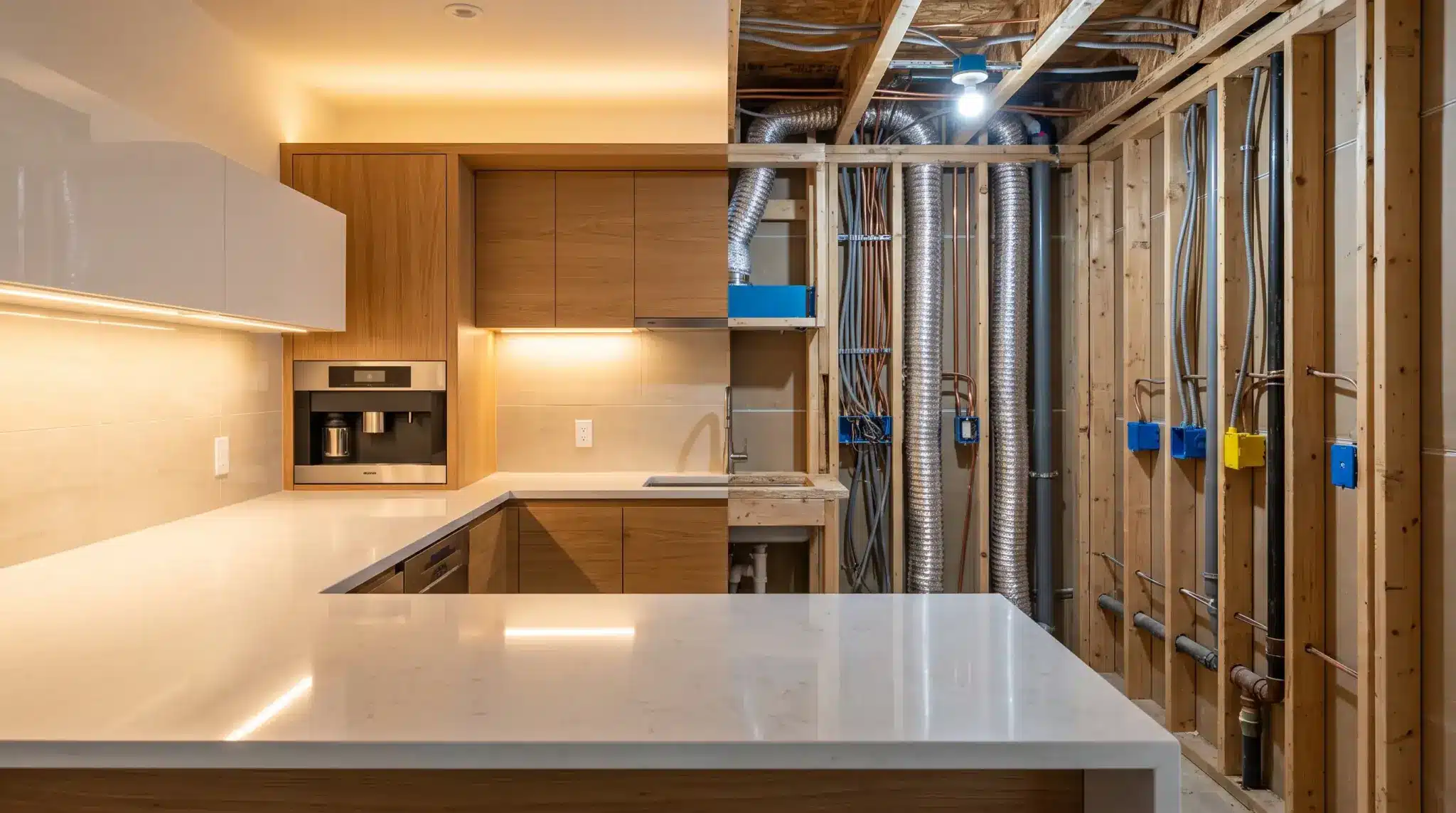
Start strong with several cooking areas built right into your Commercial Kitchen Equipment layout. Efficiency shapes everything – each space has a role, split neatly into sections for getting food ready, heating it up, arranging meals on plates, then washing what comes after. Zones stay separate, clear, doing their job without overlap.
The Role of Technology in Modern Kitchens
When growth happens, tools start shaping how work flows behind the scenes. Today’s cooking gear tends to think ahead, cutting mistakes while speeding things up.
Take smart ovens that follow set routines – they keep meals turning out the same every time. When gear in the kitchen links up with stock trackers, it watches what gets used, so less ends up tossed.
From the back of the house, messages move faster now. Screens light up with each new ticket, guiding cooks step by step. Mistakes slip through less often when orders show exactly what’s needed. Timing tightens because everyone sees the same clock. Better flow means meals land on tables closer to perfect. Diners notice how smooth things feel, even if they do not know why.
Cost Considerations When Scaling Equipment
Spending less upfront leaves room to adapt later. What matters most is matching equipment to how much you cook each day.
Later on, pick gear that boosts output plus keeps standards high. Early decisions shape what comes next. Tools sitting idle? That drains resources without return. Think ahead – choose machines able to handle more when demand climbs. Growth needs room, even in the kitchen.
Spreading payments over time makes budgeting easier when updating a kitchen. Instead of one large expense, new tools arrive step by step – keeping money available for other needs along the way.
Designing for Efficiency and Workflow
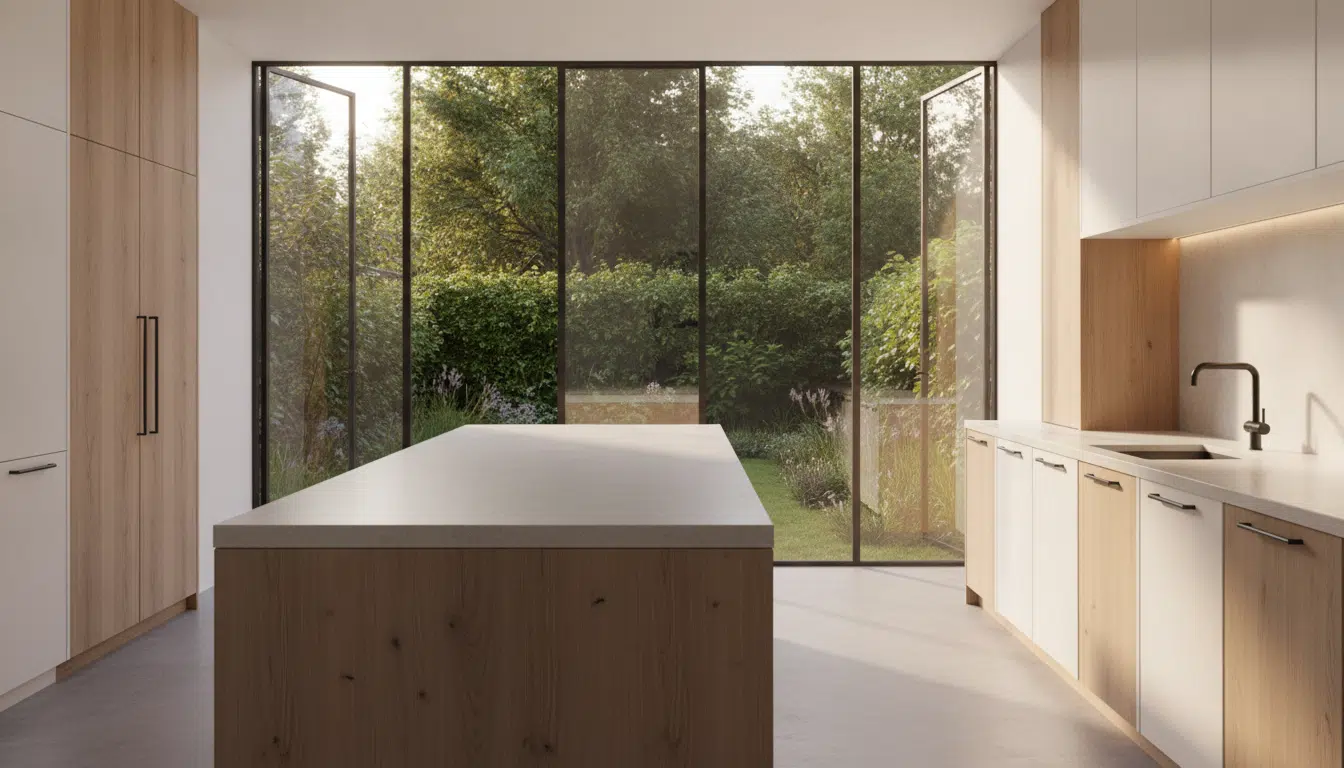
A kitchen that expands without thought might hold top gear yet still stumble. Because how things flow matters as much as what tools sit where. A clumsy setup slows everything down – no matter the price tag on appliances. Movement shapes results more than specs ever do.
Close to storage, prep zones make sense when flow guides movement. Cooking spots work better if laid out with purpose. Equipment fits right when design shapes function. Cleaning spaces stay clear only if they keep distance from where meals come together.
The Maintaining Quality and Consistency at Scale
The machines behind your counter? They’re what make every dish match the last.
When machines work right, meals come out the same every time – even during busy hours. Because ovens hold steady heat, timing stays exact.
When you count on Restaurant Kitchen Equipment gear more, checking it often matters just as much. Because things get used heavily, small issues can grow fast without attention. Machines tend to run better when looked at before problems start. This way, surprises during busy times happen less often.
Conclusion
Starting small means your gear can stay simple. As orders rise, tools need to keep pace – otherwise delays creep in. Each upgrade should match what you’re actually cooking today, not some future dream. Pots, burners, fridges – they’ve got to handle the real workload, not just look good on paper. Moving up isn’t about flashy machines. It’s swapping out limits for better flow, one practical step at a time.
Starting small or going full scale, picking the right gear shapes how smoothly meals come together. When choices match actual demands, effort turns into results without waste. Equipment that grows with demand keeps pace behind the scenes. Thoughtful buys today hold up under busy rushes tomorrow. What works now must also fit what comes next. Longevity hides in details most overlooked early on.