


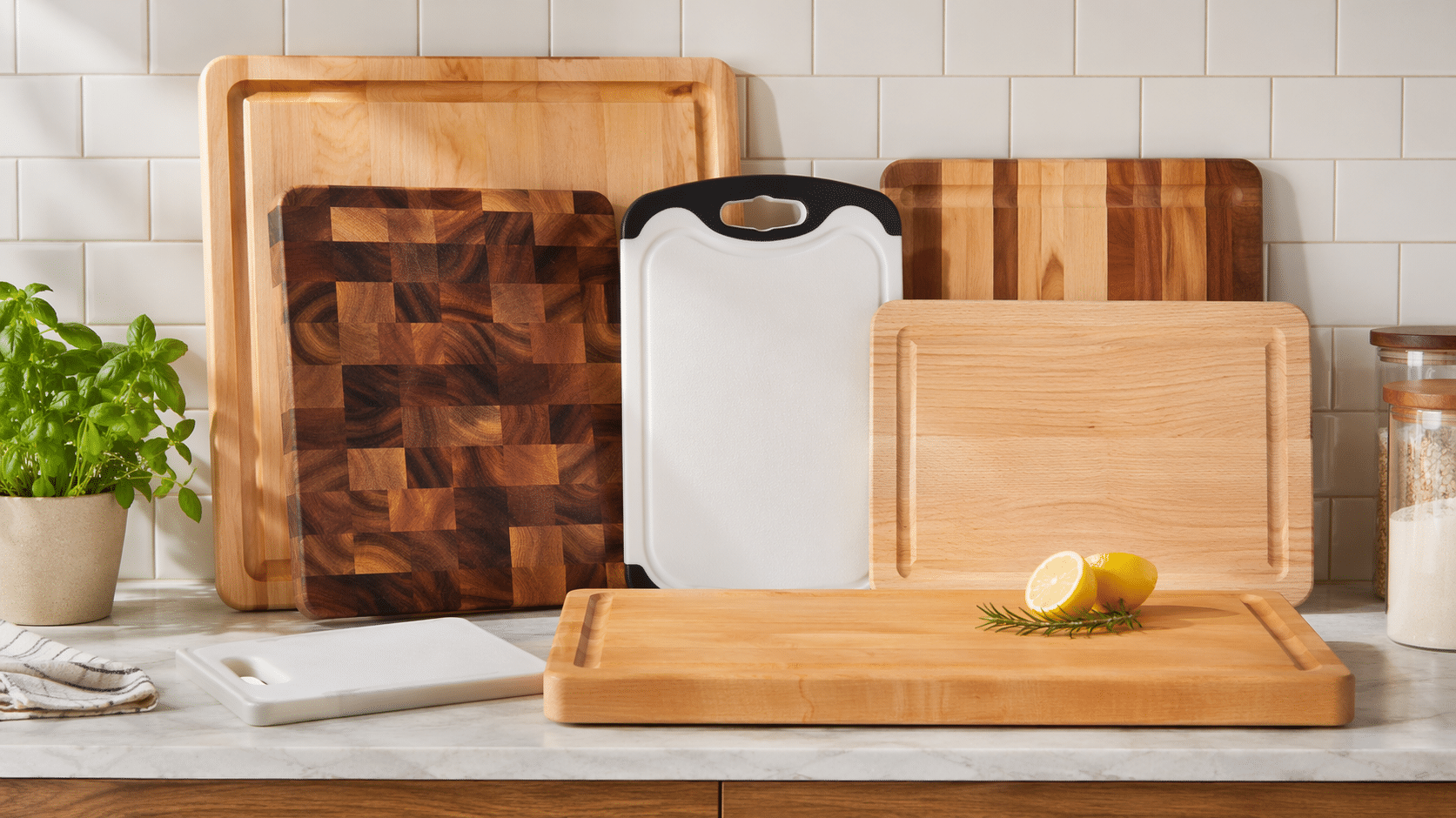
A good carving board does more than hold a roast in place for a few minutes. The right one helps contain juices, supports steadier slicing, protects countertops, and gives home cooks a more practical surface for carving and serving. That matters in any kitchen, but especially in busy households where one board often ends up doing far more work than it should.
Choosing the right board is less about appearance and more about fit. Size, thickness, material, groove design, and care requirements all affect performance. A board that looks polished online can still be too small for a roast chicken, too heavy for everyday use, or too shallow to catch juices properly. The smartest approach is to choose a board based on how it will actually be used, whether for a weeknight dinner or a holiday meal.
Start With the Job the Board Needs to Do
Not every cutting board is designed for the same task. A carving board is typically meant for cooked meats, larger portions, and messier jobs where juices need to be controlled. A smaller prep board, by contrast, may be perfectly suitable for fruit, herbs, or sandwiches, but feel inadequate for carving a turkey breast or slicing a roast at the table.
That distinction matters because food prep surfaces influence both convenience and food-safety workflow. The CDC estimates that 48 million people in the United States get sick from foodborne illness each year, with 128,000 hospitalizations and 3,000 deaths annually. While a carving board alone will not solve that problem, choosing the right board for the right task is part of keeping prep more controlled and reducing the risk of cross-contamination. The USDA specifically advises using separate cutting boards for fresh produce and for raw meat, poultry, and seafood.
Choose a Material That Matches Your Kitchen Routine
Material affects maintenance, cleaning, durability, and the board’s feel under a knife. For many households, the real choice is not which material is objectively best, but which one fits the way the kitchen actually operates.
Wood Offers Stability and a Strong Serving Presence
Wood remains a popular choice for carving boards because it is sturdy, attractive, and well-suited to serving. Larger wooden boards also tend to stay put more confidently on the counter than very light boards, which helps during carving. For many households, wood is the option that best bridges prep and presentation, especially when paired with quality kitchen knives built for controlled slicing.
Wood, however, requires consistent care. Wooden cutting boards should be cleaned promptly with warm, soapy water and maintained properly to help prevent drying and wear over time. A board that is cleaned correctly, dried thoroughly, and treated with the right products tends to wear far better than one that is simply rinsed and forgotten. Regular oiling and proper drying can make that routine far more manageable.
Plastic or Nonporous Boards Can Simplify Cleanup
Plastic and other nonporous boards often appeal to cooks who want a simpler cleaning routine, especially for raw proteins. Guidance from the University of Arizona indicates that nonporous surfaces are easier to clean and may be a practical choice for cutting meat and poultry, even though consumers may choose either wood or nonporous boards depending on their cooking method.
That does not make plastic automatically better in every scenario. It simply means the material may be more practical for certain workflows. A good kitchen setup often includes more than one board: a more presentation-friendly wooden carving board for cooked meats and serving, and a separate nonporous board for raw meat prep and quick cleanup.
Size Is Where Many Buyers Get It Wrong
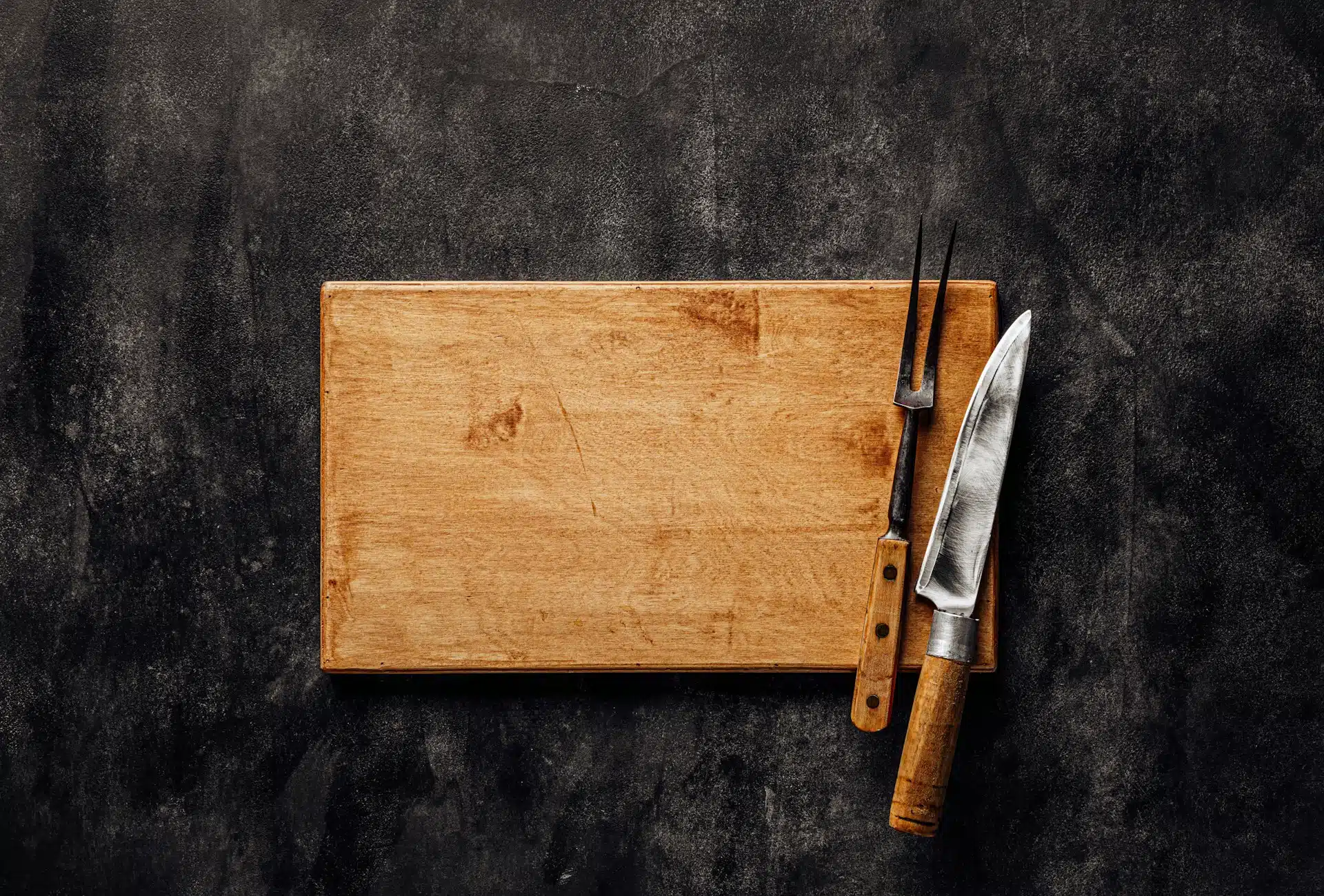
A carving board should be large enough to hold the food being cut, with enough extra room for the knife to move safely and for juices to stay contained. That sounds obvious, but undersized boards are one of the most common buying mistakes.
If the board is too small, slices hang off the edge, the carving angle becomes awkward, and any juice groove becomes less useful. A larger board offers a more stable working surface and better control when carving larger items such as roasts, brisket, or poultry. That is why many cooks keep a compact everyday board for quick prep and reserve a larger board for more substantial meals.
In plain terms, a board built for a wedge of lemon is not the same board that should be handling a standing rib roast.
A Juice Groove Is Not Decorative
A proper juice groove can be the difference between an orderly carving setup and a countertop mess. Carving boards are often used for foods that release liquid during slicing, including poultry, rested beef, and tomatoes. A groove or juice well helps keep those liquids from spilling onto the counter or table.
The best groove design strikes a balance. It should be deep enough to perform a real function, but not so aggressive that it eats up too much of the usable cutting surface. Some cooks prefer a reversible board with one flat side and one grooved side, which offers greater flexibility for different tasks.
This is one reason a dedicated carving board can make sense even in a small kitchen. It is not about collecting gear for sport. It is about using a tool that is designed for a specific job rather than improvising and cleaning up the consequences later.
Stability and Surface Condition Matter More Than Marketing Copy
A carving board needs to stay steady under pressure. That can come from rubber feet, heavier construction, or a grippy surface underneath the board. Stability matters because carving requires controlled knife movement. A board that shifts during slicing is not merely annoying. It is less safe and less precise.
Surface condition matters too. Both Michigan State University Extension and the University of Maine Extension advise replacing cutting boards when they develop deep grooves, cracks, crevices, or chips that make them harder to clean effectively.
That guidance is useful because many buyers assume a board should be kept indefinitely as long as it has not split. Kitchen reality is less sentimental. If a board is heavily scarred and difficult to clean, it has moved from seasoned to overdue for replacement.
Think in Terms of Kitchen Workflow, Not a Single Hero Board
The most practical answer for many homes is not finding one perfect board. It is building a simple workflow.
The USDA recommends keeping raw meat, poultry, fish, and their juices away from other foods, and washing cutting boards, knives, and countertops with hot, soapy water after handling raw meats. NSF publishes standards for food protection and sanitation in household kitchen tools, a reminder that cleanability and material performance are taken seriously in well-designed equipment.
In practice, that often means one board for raw proteins and another for produce, cooked foods, or table-side carving. It is a more sensible system than expecting one board to handle everything equally well. A handsome wooden carving board can still be the star of serving and presentation, but it should not be expected to handle every task in the kitchen.
Conclusion
The right carving board is the one that suits the work: the size of the food being carved, the need to catch juices, the preferred cleaning routine, and the role the board plays in serving. For some kitchens, that will mean a substantial wooden board with a useful groove and enough surface area for larger meals. For others, it will mean pairing a carving board with a separate nonporous board for raw prep.
Either way, the smartest purchase is guided by function first. Looks matter, certainly, but performance carries the day. A well-chosen carving board supports cleaner prep, more controlled carving, and a better overall kitchen workflow. That is not flashy. It is simply good equipment doing exactly what it is supposed to do.