
Bruinisse does not look dramatic when you first arrive. The village sits in the Dutch province of Zeeland beside broad stretches of gray-blue water, low dikes, and orderly marinas filled with sailboats that seem permanently ready to leave. There are no giant landmarks, no towering cathedral squares, and no overwhelming crowds. What Bruinisse does have instead is shellfish.
A remarkable amount of shellfish.
This small Dutch village has quietly built much of its identity around mussels, oysters, fishing infrastructure, and aquaculture tied to the waters of the Oosterschelde estuary. While many visitors encounter it as a peaceful marina stop or river cruise destination, Bruinisse functions first as a working seafood town.
That distinction matters because the village still feels operational rather than theatrical. Fishing boats move in and out regularly. Shellfish companies process local catches nearby. Restaurants serve mussels that were often harvested within the same region only hours earlier. Even the marina atmosphere feels tied directly to the local economy rather than purely tourism.
For travelers interested in how seafood culture actually operates in the Netherlands outside Amsterdam or Rotterdam, Bruinisse offers something much more specific and practical.
Zeeland Built Its Reputation Around Shellfish
To understand Bruinisse properly, it helps to understand Zeeland itself.
The southwestern Dutch province is shaped heavily by estuaries, tidal channels, engineered barriers, and saltwater ecosystems that create unusually productive shellfish conditions. Mussels and oysters from Zeeland are widely recognized throughout the Netherlands and exported internationally as well.
Bruinisse became one of the province’s major mussel centers largely because of its position near the Oosterschelde, a vast tidal estuary connected to the North Sea. The constant movement of nutrient-rich saltwater creates excellent conditions for shellfish cultivation.
Mussels dominate the village’s seafood identity most visibly.
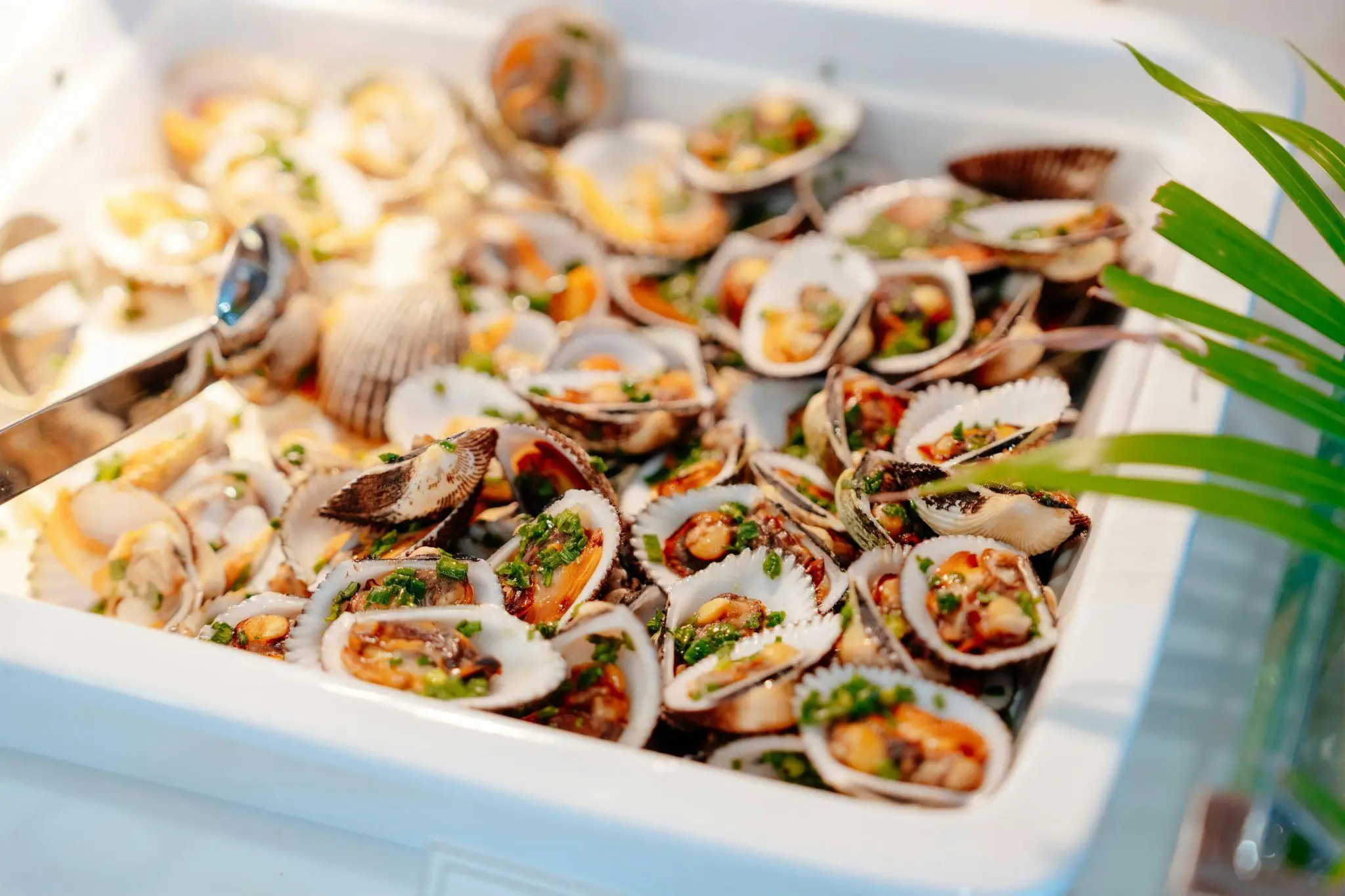
During mussel season, restaurants throughout Bruinisse serve large black pots filled with steamed shellfish alongside fries, bread, sauces, and local beer. In the Netherlands, this style of eating is deeply seasonal and strongly associated with Zeeland coastal towns.
Oysters also play a major role in the local economy. Zeeland’s oyster industry stretches back centuries, and the nearby waters remain one of the Netherlands’ primary oyster-producing areas. Some local producers still use traditional cultivation methods adapted over generations to the tidal environment.
The seafood infrastructure around Bruinisse is therefore not decorative. It is industrial, commercial, and deeply integrated into the surrounding landscape.
Cruising Through Bruinisse Changes the Perspective Completely
Many travelers now encounter the village through river and coastal cruise itineraries moving through northern Europe and the Netherlands’ interconnected waterways. That perspective makes Bruinisse feel less like an isolated village and more like part of a massive water-management network connecting estuaries, ports, canals, and North Sea routes.
Cruising through Bruinisse also reveals how marina culture and seafood culture overlap constantly in this part of Zeeland.
The harbor areas are filled not only with recreational boats but also working vessels, seafood handling facilities, and infrastructure tied directly to aquaculture. Visitors quickly notice that the water is not simply scenic background here. It is the village’s operating system.
That practical relationship with water shapes almost everything locally.
Restaurants orient themselves toward the harbor. Seafood suppliers cluster near docking zones. Marina businesses coexist beside shellfish operations. Even residential areas remain visibly tied to flood-control engineering and dike systems that define daily life throughout Zeeland.
The cruising aspect also highlights how unusual the Netherlands really is geographically.
Much of the surrounding region exists because of extensive water-management projects. Zeeland’s dams, storm surge barriers, locks, and controlled estuaries transformed how people live, fish, and travel across these waters after catastrophic flooding events in the twentieth century.
Bruinisse operates within that engineered environment continuously.
Mussels Are Not Just Restaurant Food Here
In many tourist destinations, seafood exists mostly as menu branding. Bruinisse feels different because the shellfish economy remains highly visible.
Mussel cultivation in Zeeland involves a surprisingly structured process.
Young mussels, called seed mussels, are collected and transferred to cultivation plots in the Oosterschelde where they grow under controlled conditions before harvesting. Specialized vessels dredge, transport, and sort the shellfish throughout the cycle. (msc.org)
This industrial side of shellfish production often surprises visitors expecting only quaint fishing-village aesthetics.
The Netherlands also regulates mussel harvesting heavily to balance commercial fishing with environmental protection and water quality management. Because shellfish filter enormous volumes of water daily, ecosystem conditions directly affect the industry’s viability.
Bruinisse therefore depends not only on fishing traditions but also on ongoing environmental engineering and monitoring.
That balance between old seafood culture and modern infrastructure is one of the village’s most interesting characteristics.
The Harbor Is the Real Center of Activity
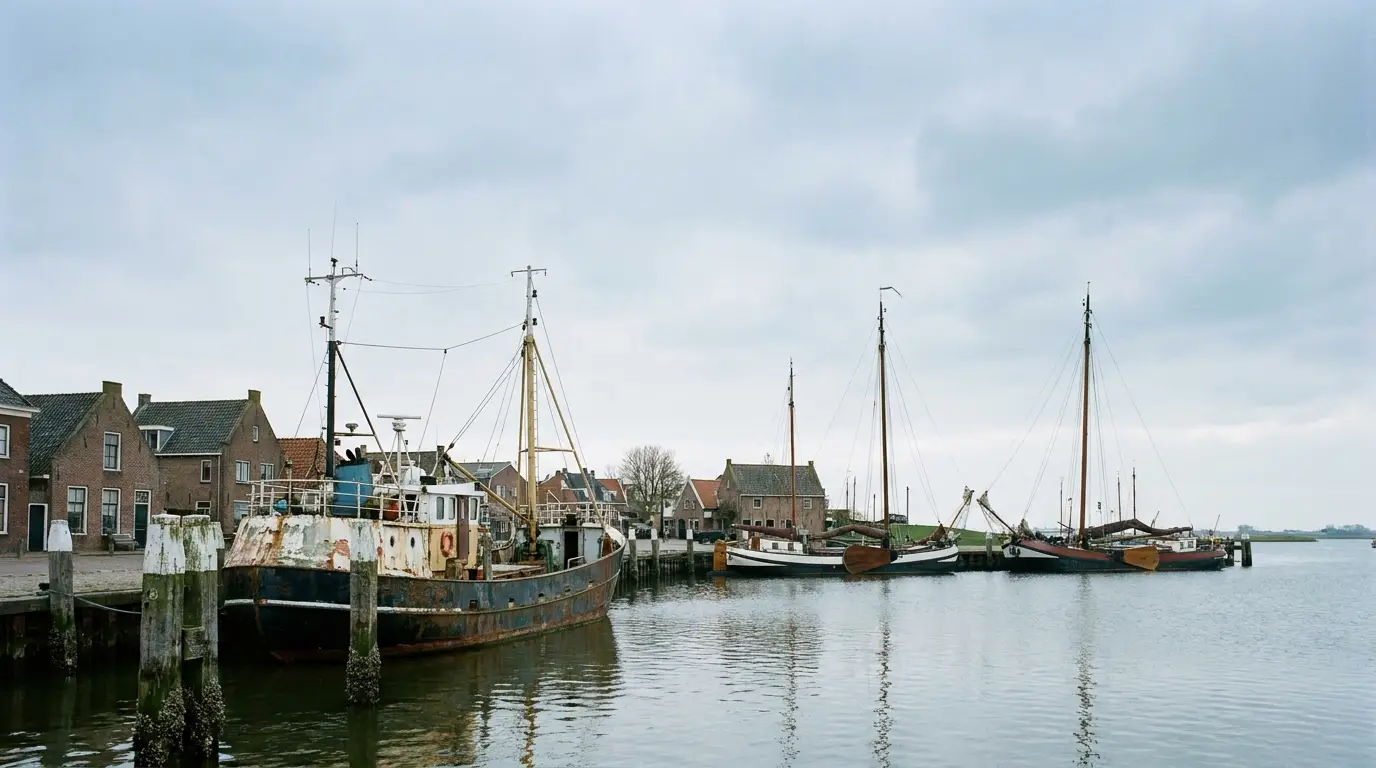
Many European villages revolve around church squares or historic streets. Bruinisse revolves around its marina and harbor system instead.
The waterfront organizes movement throughout the village.
Sailing boats, seafood transport vessels, fishing operations, waterfront restaurants, and marine supply businesses all cluster around the same areas. During warmer months, terraces fill with visitors eating mussels while looking directly onto docking areas where maritime activity continues constantly.
This creates an atmosphere that feels operational rather than overly polished.
There is also a strong recreational sailing culture here because Zeeland’s waterways attract boaters from across the Netherlands, Belgium, Germany, and northern France. Bruinisse functions as both a seafood village and a practical stopping point within broader sailing routes through the Delta region.
The coexistence of tourism and working marine activity prevents the harbor from feeling staged.
Zeeland’s Water Engineering Quietly Shapes Everything
One of the most important things visitors often overlook in Bruinisse is how much of the surrounding environment has been engineered.
Without that, many communities in Zeeland would remain extremely vulnerable to flooding.
The Oosterschelde storm surge barrier in particular altered local water conditions while still attempting to preserve tidal movement necessary for marine ecosystems and shellfish cultivation.
That compromise was crucial.
Completely sealing off saltwater flows would have severely damaged mussel and oyster industries across the region. Engineers therefore designed systems allowing controlled tidal exchange while improving flood protection.
Bruinisse today exists within the outcome of those decisions.
Seafood Tourism Here Feels Different From Coastal Resort Culture
Bruinisse does attract tourists, but the atmosphere differs noticeably from many European coastal resort towns.
There are relatively few oversized entertainment zones or large-scale beachfront developments. Instead, the appeal centers around sailing, seafood, cycling, and slower waterfront activity tied closely to the landscape itself.
Visitors often arrive specifically for mussel meals during season, marina access, or regional cycling routes running across Zeeland’s dikes and coastal infrastructure.
The village therefore attracts a somewhat different travel rhythm.
People linger over seafood lunches. Boaters stay overnight before continuing through nearby waterways. Cyclists stop at harbor cafés before crossing long dike routes toward neighboring towns.
The scale remains manageable throughout.
Bruinisse Is Small but Extremely Specific
That may ultimately be the best way to describe the village.
Bruinisse does not attempt to be a major Dutch city, a luxury resort, or a heavily curated historic destination. Instead, it functions as a highly specific combination of shellfish industry, marina infrastructure, engineered landscape, and slow-moving waterfront tourism.
The seafood culture is real because the industry itself remains active. The harbor feels authentic because working marine activity still dominates daily life. The cruise presence makes sense because the waterways genuinely connect this small village to broader European travel routes.
What results is a place that feels unusually practical for a tourist destination.
Bruinisse is not pretending to be a seafood village. It genuinely is one, with river cruise parking attached.