

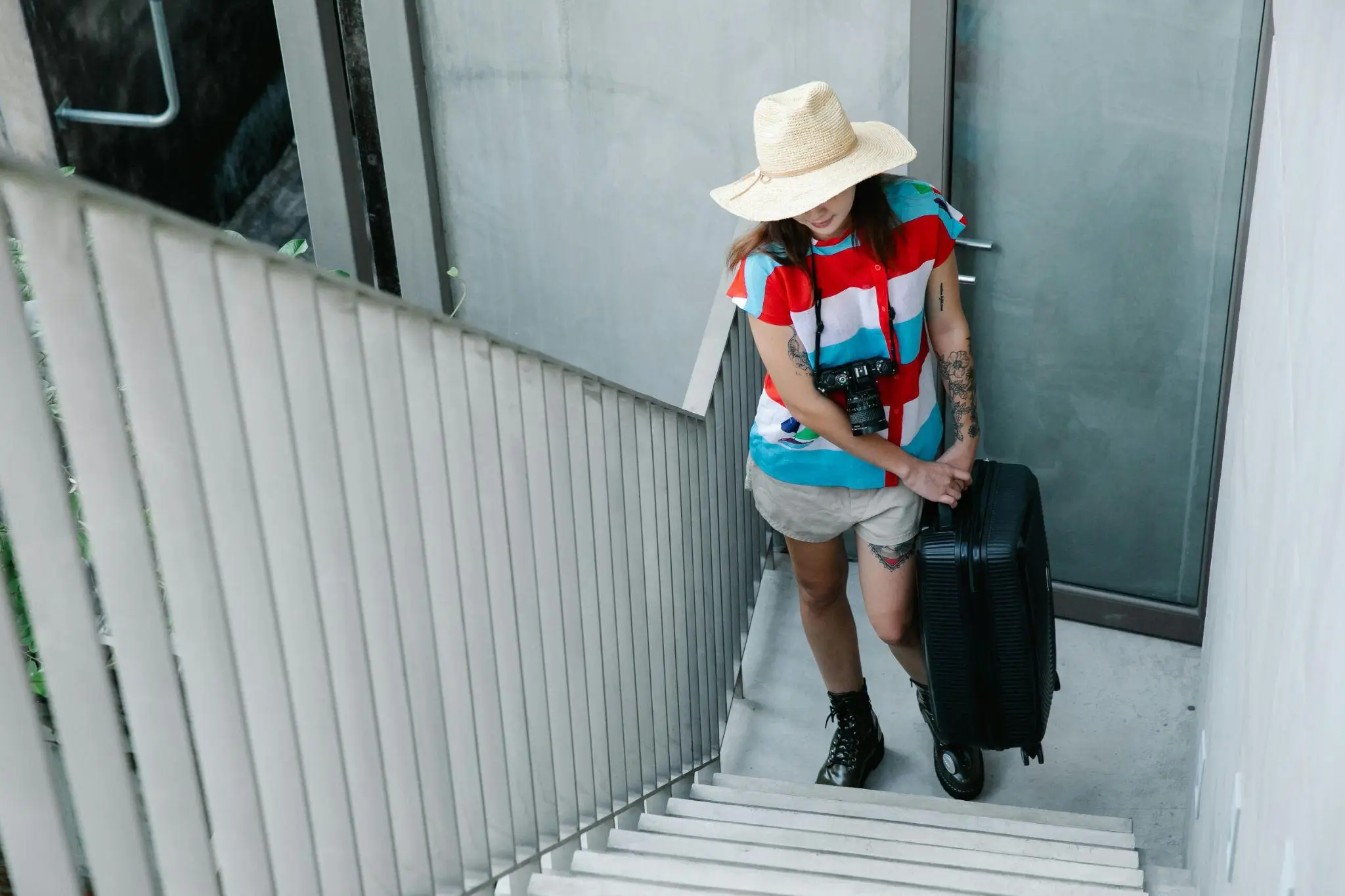
I used to pack for seafood weekends like I was preparing for a six-month relocation involving multiple climate zones, unexpected yacht invitations, and at least one fictional glamorous emergency that absolutely never happened.
The reality was always much less dramatic.
I would end up wearing the same oversized linen shirt three times, washing things in the hotel sink halfway through the trip, and carrying around a suitcase heavy enough to qualify as emotional punishment.
The Charleston trip finally forced me to admit this properly.
I Packed Like the Trip Was a Fashion Documentary
The original plan sounded simple enough: a long seafood-focused weekend in Charleston involving oyster bars, marina walks, wine, rooftop dinners, and wandering through historic streets near the waterfront.
What I packed suggested something entirely different.
At one point my carry on contained:
- four dresses
- two pairs of sandals
- backup trousers “just in case”
- a blazer I never touched
- three different lip products
- a cardigan for “coastal evenings”
- another cardigan because apparently the first cardigan lacked emotional support qualities
- an emergency tote bag for seafood market purchases
- and enough skincare to survive a small atmospheric collapse
And somehow the suitcase still barely closed.
The Only Things I Actually Used Were the Practical Things
The funny part is that the items I used constantly were not the complicated outfits at all.
It was the practical things.
My Comfort Zone travel skincare kit became genuinely essential during the Charleston trip because coastal weekends are surprisingly brutal on skin.
Between the heat, salty air, humidity, sunscreen layering, air conditioning, seafood dinners, wine, and spending entire days outdoors walking around marinas and waterfront areas, my skin started feeling dehydrated, irritated, and uneven incredibly quickly. The travel kit ended up being one of the few things I used constantly because it was the only all-in-one kit that successfully kept everything feeling calmer, hydrated, and reset again after long days outside.
By the second day, my face felt simultaneously dehydrated and oily in ways that should not scientifically coexist.
I also packed the Kérastase Elixir Ultime Hair Oil because coastal humidity turns my hair into something visually similar to an exhausted pirate ship rope if left unmanaged for more than twenty minutes.
That product honestly saved every dinner photo from becoming deeply unfortunate.
And weirdly, one of the smartest things I packed was Compeed blister patches because seafood cities involve far more walking than people imagine.
Nobody talks enough about this.
Waterfront cities are deceptive. You think you are “just walking to dinner,” and suddenly you have walked nine miles through marina districts, historic streets, outdoor markets, waterfront parks, oyster bars, rooftop terraces, and random side streets because somebody online said there was “a hidden local seafood place” nearby.
Charleston Turned Into a Full Oyster and Wine Itinerary
The trip itself immediately became less about “relaxation” and more about aggressively pursuing seafood excellence.
The first night started at 167 Raw because multiple people insisted the lobster rolls were mandatory.
They were correct.
There were oysters, shrimp rolls, cold white wine, and one deeply serious table discussion about whether butter-based lobster rolls are superior to mayo-based ones.
Nobody at the table possessed actual lobster expertise, but confidence remained extremely high throughout the conversation.
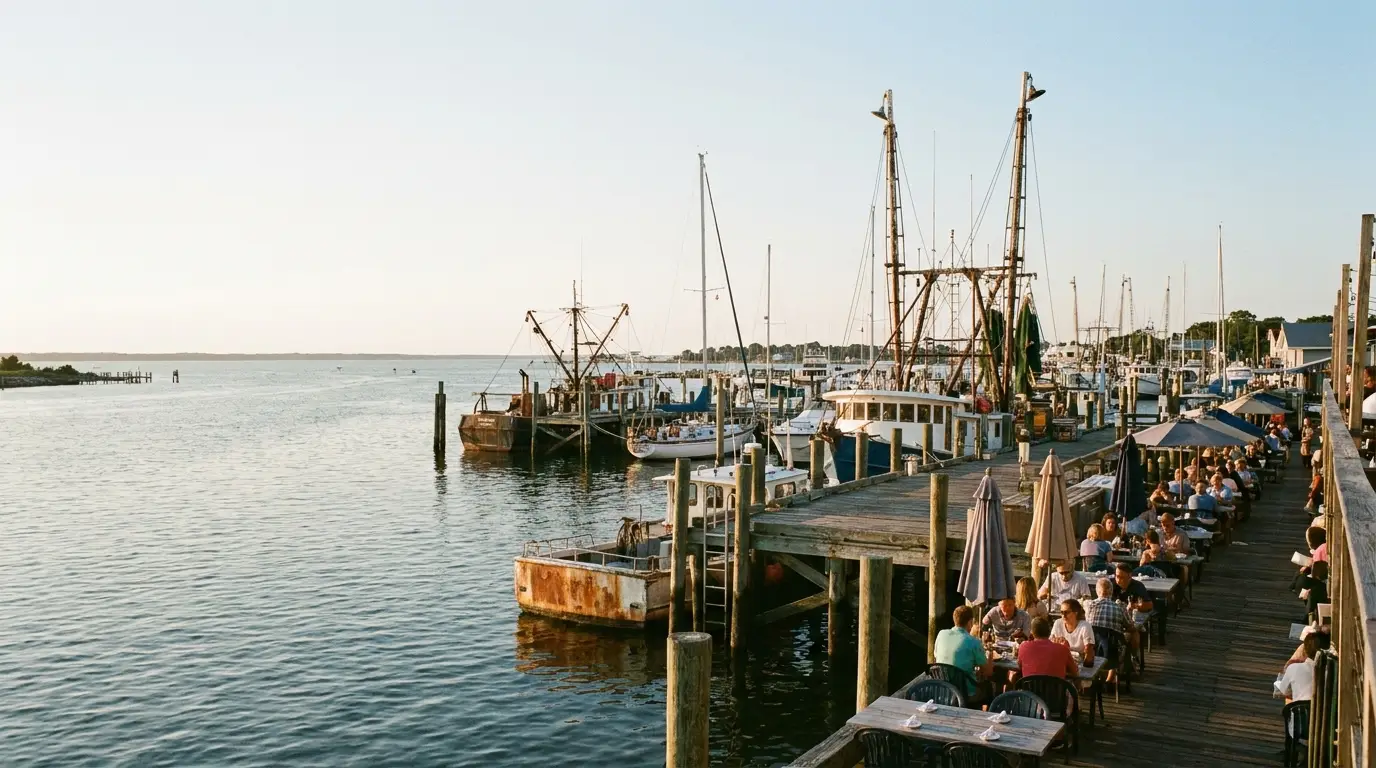
The next afternoon we ended up near Shem Creek where the entire atmosphere feels designed specifically for spending too much money on seafood while pretending it counts as “coastal wellness.”
Pelicans wandered around the marina looking emotionally unstable.
People sat outside for hours ordering seafood towers and wine flights while boats moved slowly through the water beside the restaurants.
At one point I realized I had been sitting outdoors eating oysters for nearly four consecutive hours without noticing.
I Finally Realized Nobody Cares About the Outfits
What became obvious very quickly was that nobody in Charleston was dressing the way I imagined in my head while packing.
Even the expensive seafood places leaned heavily casual because everybody is walking constantly, sitting outdoors, dealing with humidity, marina wind, sunscreen, seafood spills, and weather changes.
The carefully planned “evening outfits” stayed folded inside the suitcase the entire trip.
Meanwhile I rotated:
- one linen dress
- comfortable sandals
- oversized button-down shirts
- and the same crossbody bag every single day
That was basically the entire real wardrobe.
And honestly, once trips become longer than three or four days, people naturally start doing normal life things anyway.
You wash laundry. You rewear dresses. You shower and change for dinner at the apartment or hotel. You sit in the bath for forty minutes after walking all day.
You stop caring whether every single outfit is completely new. That realization weirdly changed how I think about travel packing overall.
The Booking Place Became Part of the Trip
One thing I never understood before longer trips is that accommodation itself becomes part of the daily rhythm.
You are not simply sleeping there. You are recovering there.
By the third night in Charleston, the best part of the evening sometimes became returning to the apartment, washing sunscreen and salt off properly, putting on clean comfortable clothes, opening wine, and sitting quietly for an hour before dinner.
After spending entire days outdoors around heat, seafood restaurants, marina wind, sunscreen, and flights, my skin genuinely needed calmer products that made everything feel reset again afterward.
And honestly, those small comfort items ended up mattering far more than the complicated fashion decisions I stressed over while packing.
Seafood Trips Create Completely Irrational Packing Behaviour
I think seafood weekends specifically create bizarre packing psychology.
People imagine:
- elegant waterfront dinners
- glamorous marina photos
- rooftop cocktails
- coastal fashion moments
But the reality usually involves:
- butter stains
- walking for hours
- humidity
- wind
- carrying oysters awkwardly
- sunscreen everywhere
- and trying not to smell faintly like seafood by the end of the evening
At one point my bag literally contained oyster shells, blister patches, tangled chargers, sunscreen, receipts, lip balm, and cocktail napkins covered in restaurant recommendations from strangers.
And honestly, that felt far more representative of the actual trip than any carefully styled outfit ever could.
I Pack Completely Differently Now
The Charleston trip genuinely changed how I pack for longer coastal weekends now.
I bring fewer clothes. Fewer shoes. Less “just in case” nonsense.
But I absolutely still pack the practical comfort things:
- proper skincare
- comfortable layers
- blister protection
- hair products that survive humidity
- and things that make recovery easier after long days outside
Because those are the items that actually improve the trip in real life. Not the fifth backup outfit sitting untouched at the bottom of the suitcase.