
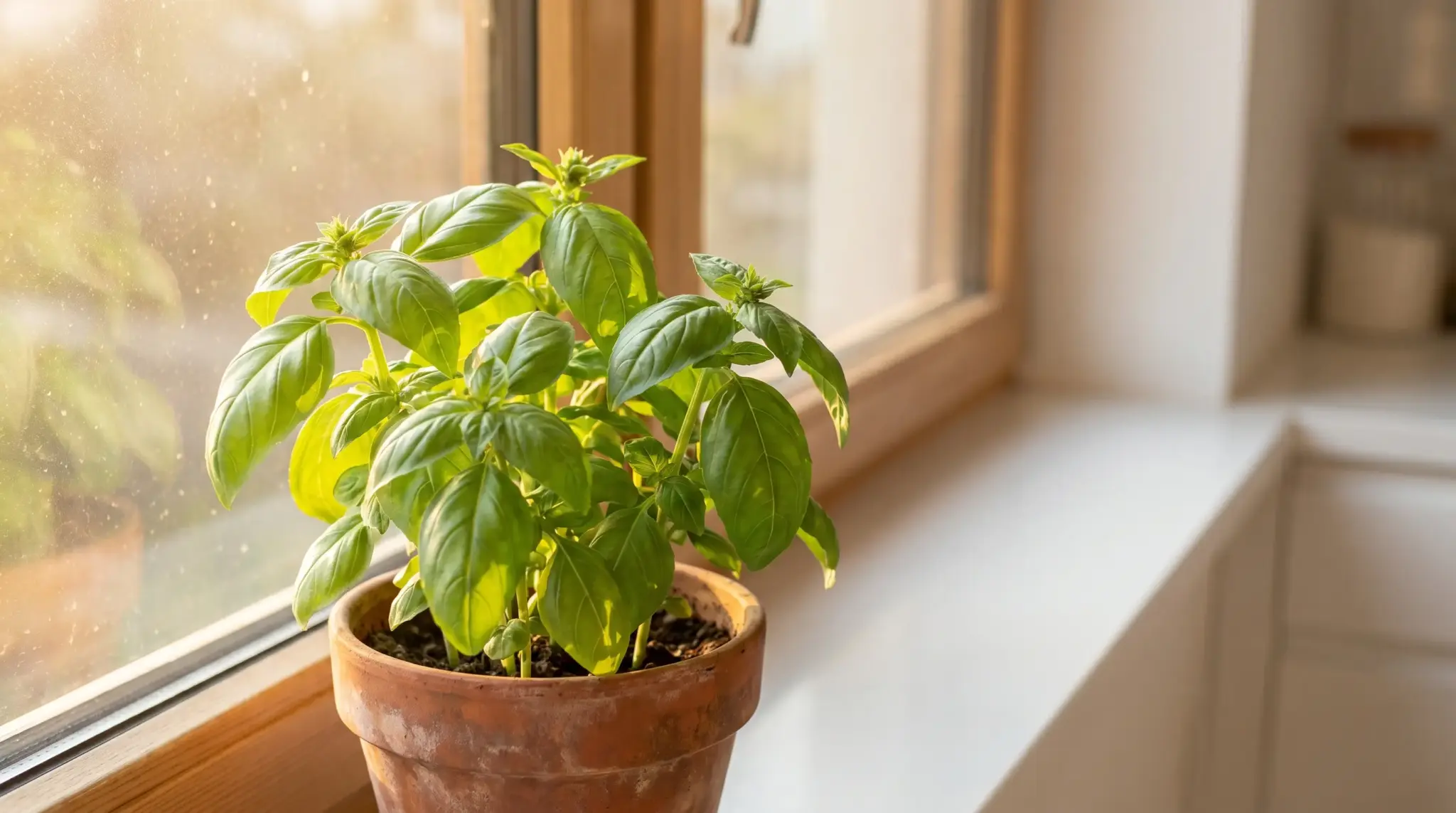
Growing basil indoors sounds simple: put it in a pot, water it, place it near a window, and wait for fresh leaves. In reality, basil is easy to grow only when its basic needs are understood. It is a warm, fast-growing herb that likes bright light, steady moisture, good drainage, and regular harvesting.
The good news is that indoor basil does not need complicated equipment or advanced gardening skills. The key is to treat basil like a living plant with specific habits, not just a decorative herb in a supermarket pot.
Some plant care apps, including Botan App, can also help by identifying the plant, checking basic care needs, and giving reminders based on plant-care information.
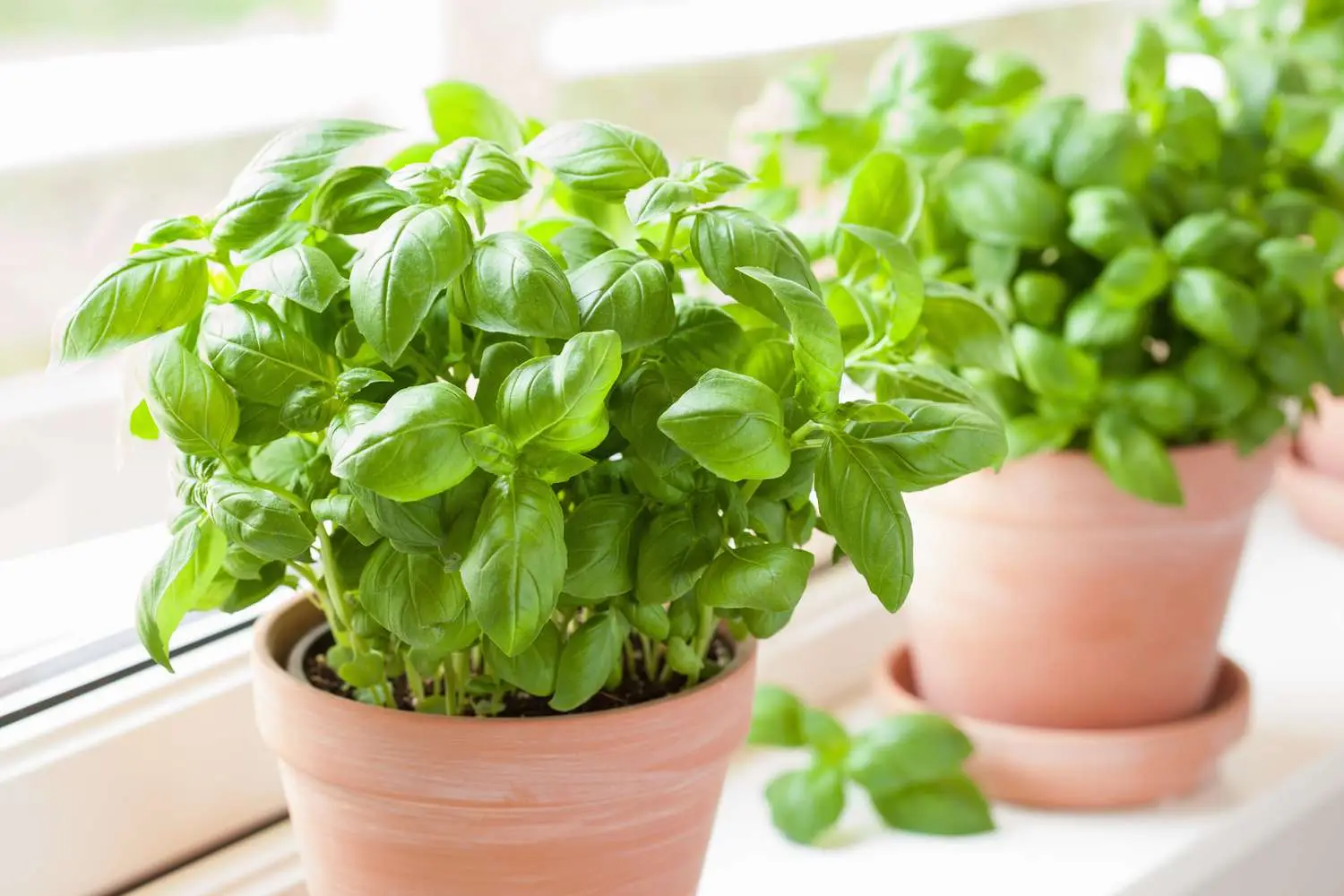
Why Basil Struggles Indoors
Basil often struggles indoors because most homes are not naturally designed for herbs. Indoor air can be dry, windows may provide less light than expected, and pots from stores are often too small for long-term growth. A basil plant that looked healthy at the shop can start declining within a week if it stays in poor soil, receives inconsistent watering, or sits too far from the light.
Another common problem is that beginners treat basil like a houseplant that can tolerate low light and occasional neglect. Basil is different. It grows quickly, uses a lot of energy, and needs regular care. If the plant does not receive enough light, it will stretch toward the window. If it receives too much water, its roots can rot. If it is never harvested correctly, it may become tall, woody, and less productive.
The Best Indoor Conditions for Basil
Before thinking about pruning or harvesting, it is important to create the right environment. Basil does not need perfection, but it does need consistency. The table below shows the basic indoor conditions that help basil stay healthy and productive.
| Care factor | What basil needs indoors | What can go wrong |
|---|---|---|
| Light | 6–8 hours of bright light daily | Weak stems, pale leaves, slow growth |
| Watering | Evenly moist soil, not soggy | Wilting, yellow leaves, root rot |
| Pot | Container with drainage holes | Standing water and damaged roots |
| Soil | Light, well-draining potting mix | Compacted soil and poor airflow |
| Temperature | Warm room, ideally away from cold drafts | Drooping, blackened leaves, stress |
| Harvesting | Regular pinching above leaf pairs | Tall, leggy plant with fewer leaves |
How to Care for Indoor Basil Day by Day
Basil care becomes much easier when you follow a simple routine. You do not need to check the plant every hour, but you should observe it regularly. Leaves, stems, and soil usually show early signs when something is wrong.
Here is a beginner-friendly routine that works for most indoor basil plants:
- Check the light first. Place basil near the brightest window you have, ideally a south-facing or west-facing window. If the plant stretches, leans heavily, or grows thin stems, it probably needs more light.
- Water when the top layer of soil feels dry. Push your finger about one inch into the soil. If it feels dry at that depth, water thoroughly until extra water drains out.
- Rotate the pot every few days. Basil naturally grows toward the light. Turning the pot helps the plant grow more evenly instead of leaning to one side.
- Pinch the top regularly. When the plant has several sets of leaves, pinch just above a leaf pair. This encourages branching and makes the plant fuller.
- Watch for stress signs. Yellowing leaves, black spots, drooping stems, or sticky residue may point to watering issues, cold stress, pests, or disease.
After a few weeks, this routine becomes natural. The goal is not to follow a strict calendar, but to respond to what the plant is showing you.
5 Common Mistakes That Can Kill Basil Indoors
Even healthy basil can decline quickly when the same mistake is repeated for days or weeks. The following problems are especially common for beginners.
- Keeping basil in low light. Basil may survive for a while in weak light, but it will not thrive. Thin stems, small leaves, and slow growth usually mean the plant needs a brighter location or a grow light.
- Overwatering the plant. Constantly wet soil can damage the roots and cause yellow leaves, wilting, and rot. Always check the soil before watering instead of watering on a fixed daily schedule.
- Using a pot without drainage. Decorative containers may look nice, but basil roots need oxygen. If water cannot escape, the plant can decline even when everything else seems correct.
- Letting the plant flower too early. Flowering is natural, but indoors it often makes the plant less leafy and less productive. Pinching off buds helps extend the harvest period.
- Never pruning or harvesting properly. If basil is allowed to grow straight up without pinching, it becomes leggy and weak. Regular pruning above leaf pairs encourages a fuller, healthier plant.
Most basil problems are not caused by one bad day. They usually come from repeated small mistakes. Correcting them early often gives the plant a good chance to recover.
Keep Basil Simple, Bright, and Well-Pruned
Growing basil indoors is mostly about avoiding extremes. Do not keep it in a dark corner, do not drown it, do not let it sit in a pot without drainage, and do not wait too long to prune it. Give it bright light, warm conditions, steady moisture, and regular harvesting, and it will reward you with fresh leaves for cooking.
For beginners, the best approach is to observe the plant closely and adjust care as needed. Once you understand how basil responds to light, water, and pruning, it becomes one of the most satisfying herbs to grow indoors.