

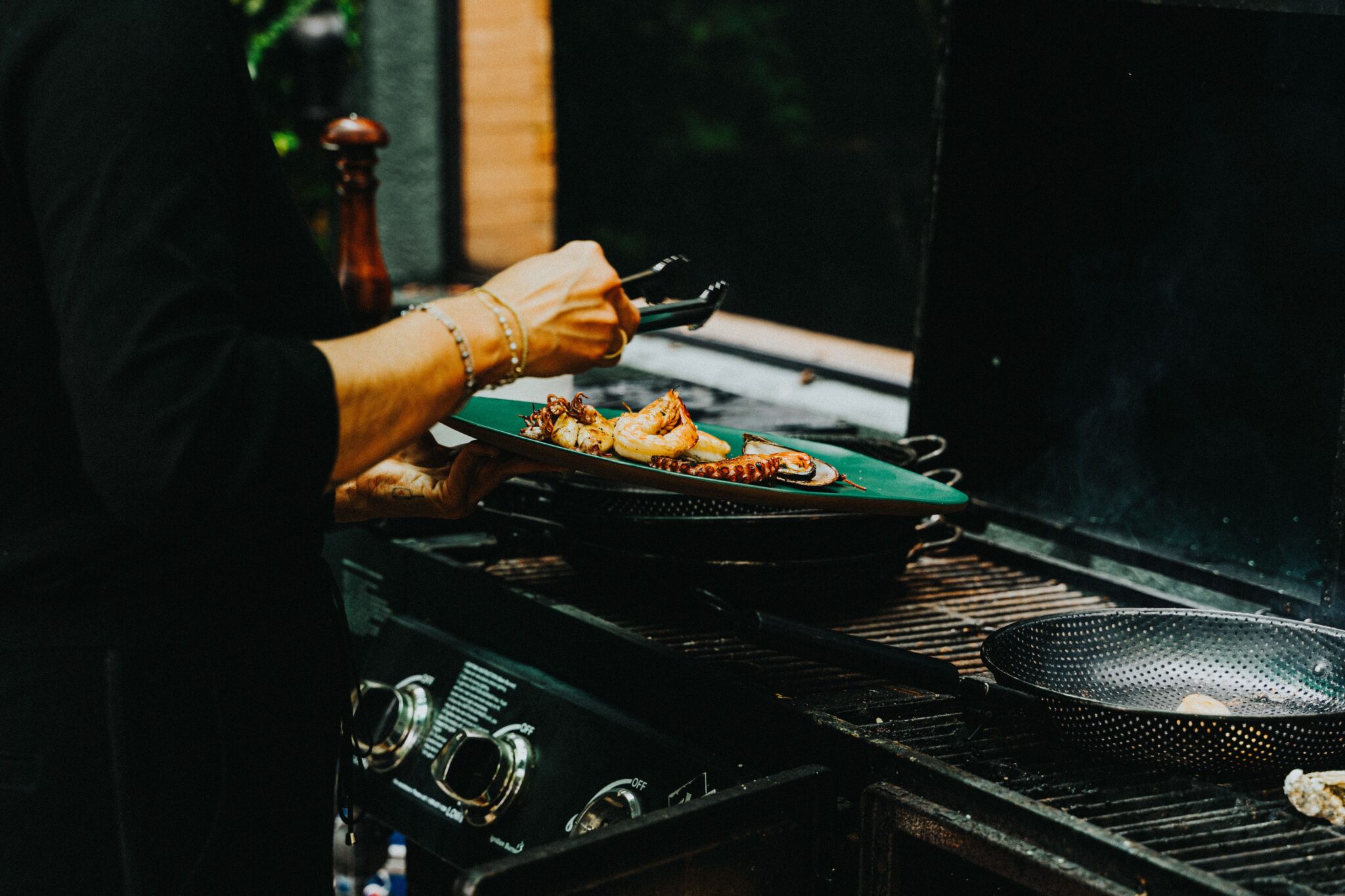
As the warmth of summer settles in, backyard patios across the country transform into vibrant, open-air kitchens. The traditional American barbecue is undergoing a fascinating evolution, moving far beyond the classic staples of beef patties and pork ribs. Today, discerning home cooks and outdoor culinary enthusiasts are increasingly turning their attention to the ocean. Grilling premium seafood has officially become the definitive hallmark of a sophisticated summer menu. It offers a lighter, healthier alternative that feels inherently celebratory and perfect for warm-weather hosting.
However, cooking seafood over an open flame comes with its own unique set of culinary challenges. Because fish and shellfish possess delicate muscle structures and low fat content compared to terrestrial meats, they require a precise balance of heat, timing, and flavor enhancement to prevent drying out and to truly shine on the plate.
The Art and Science of Grilling Seafood
Mastering the seafood barbecue is a rewarding endeavor that relies on understanding how smoke and fire interact with marine proteins. When exposed to the high, direct heat of a grill, the natural sugars and amino acids on the surface of the fish undergo the Maillard reaction, creating a beautiful, savory crust. This golden-brown exterior provides a spectacular textural contrast to the tender, flaky meat inside.
To achieve this perfection, clean grates and high-heat oils are absolutely mandatory to prevent sticking. More importantly, the choice of seasonings must be highly intentional. While heavy, sugar-laden commercial barbecue sauces work well on sturdy proteins like pork, they quickly overwhelm the delicate, clean profile of fresh seafood. The goal of a great seafood cook is never to mask the ocean’s natural bounty, but rather to complement and highlight its intrinsic sweetness and brininess.
Balancing Smoke with Complex Acidity
Every seasoned chef understands that the secret to unlocking the full potential of seafood lies in the strategic application of acid. Acidity cuts through the rich, healthy oils of fish like salmon and mackerel, brightens the mild flavor of white fish, and adds a necessary brightness that balances the deep, rustic smokiness imparted by charcoal or wood chips.
While a squeeze of fresh lemon juice is the traditional, automatic choice for many home cooks, modern outdoor cooking calls for a far more nuanced and sophisticated approach to acidity. To truly elevate your grilling game, you need an ingredient that delivers not just sourness, but a multi-layered profile of sweetness, wood-aged depth, and rich aroma.
The Ultimate Pitmaster Secret for The Grilling Season
This is exactly where high-end, artisanal pantry staples redefine the entire outdoor cooking experience. Instead of reaching for standard marinades, incorporating a premium, slow-aged ingredient can completely transform your dish. For instance, creating a glaze using an authentic, wood-barrel-aged balsamic vinegar of Modena introduces an incredible complexity to the grill.
Unlike ordinary vinegars, a high-quality product brings a rich texture and a natural sweetness derived from cooked grape must. When applied strategically to seafood, it reacts beautifully with the flames, creating a glossy, deeply caramelized finish that enhances the natural sugars of the fish without burning or becoming unpleasantly bitter.
Best Seafood Varieties for A Balsamic Glaze
Not all seafood reacts to the grill in the same way, and matching the right species with your premium ingredients is key to a flawless summer meal.
- Wild-Caught Salmon: The robust fat content and distinct flavor of wild salmon make it the ideal candidate for a rich glaze. Brushing the fish during the final two minutes of grilling creates a sticky, savory crust that balances the rich Omega-3 oils.
- Skewered Shrimp and Scallops: These shellfish cook incredibly fast and possess a natural, delicate sweetness. A light marinade or a post-grill drizzle adds a spectacular depth that makes them taste like they came from a high-end coastal restaurant.
- Thick-Cut Swordfish or Tuna Steaks: Often referred to as the steaks of the sea, these dense, meaty fish can handle bold flavors. A balsamic reduction serves as an elegant finishing touch that pairs beautifully with their rich texture.
Mastering the Finishing Touch
The key to utilizing a premium glaze or reduction on the grill is all about timing. Because of the natural fruit sugars present in top-tier vinegars, applying them too early in the cooking process can cause the surface to char excessively before the interior of the fish is fully cooked.
For the absolute best results, cook your seafood until it is about eighty percent done using just a light coating of oil, sea salt, and cracked pepper. During the final moments on the grates, generously brush your glaze over the top, allowing the intense heat to set the flavors and create a beautiful sheen. Alternatively, simply use it as a finishing drizzle immediately after removing the seafood from the fire, allowing the residual heat of the fish to release the complex aromas of the oak, chestnut, and cherry wood barrels in which the liquid was meticulously aged.
Redefining the Backyard Gathering

Embracing this elevated approach to the summer barbecue allows you to host gatherings that feel deeply thoughtful, modern, and memorable. It encourages guests to slow down, savor the intricate interplay of smoke and sophisticated acidity, and view outdoor cooking through a genuinely gourmet lens. By combining the freshest sustainable catches with timeless, masterfully crafted ingredients, your backyard grill becomes a space of pure culinary innovation and exceptional taste all season long.