

Correct fridge storage is vital for food safety. When food is kept at the right temperature and on the correct shelf, bacteria growth slows, freshness lasts longer, and waste reduces. Many food-related illnesses in the UK stem from improper storage and cross-contamination, issues that can be prevented with simple, consistent practices.
The 8°C Rule Explained
UK food safety law sets a maximum temperature for chilled foods at 8°C. This rule exists to protect consumers by keeping food out of the danger zone where bacteria multiply quickly. While 8°C is the upper legal limit, keeping the fridge slightly colder improves safety and quality.
What the Law Says
The Food Standards Agency (FSA) advises that fridges storing perishable items must not exceed 8°C. Food businesses must maintain records to show regular checks are made. Domestic users are not legally required to document fridge temperatures, but the same principles apply. Consistent monitoring helps reduce the risk of foodborne illness.
Why 8°C Matters for Safety
Bacteria such as Salmonella and E. coli grow fastest between 8°C and 63°C. By keeping food below 8°C, bacterial growth slows, helping prevent contamination. This is especially important for cooked foods, dairy, and ready-to-eat items that will not be reheated before eating. Even small increases in temperature can allow bacteria to multiply to unsafe levels.
Ideal Fridge Temperature and How to Check It
Keeping food safe requires regular temperature checks and correct settings. Although the 8°C rule provides a legal limit, most experts recommend keeping fridges colder for added protection.
Recommended Settings
A domestic or commercial fridge should generally stay between 3°C and 5°C. This range ensures food remains fresh but avoids freezing items stored near the back or vents. Most modern fridges have adjustable dials or digital panels that allow precise control, but manual verification is still necessary.
Using a Fridge Thermometer
Built-in temperature displays are often inaccurate. A separate fridge thermometer offers a reliable reading. It should be placed in the middle shelf area, away from the cooling element. Checking the reading once or twice daily in professional settings, or weekly at home, ensures the fridge stays within the safe range. If the temperature rises above 8°C, steps should be taken immediately to identify the cause and adjust the settings.
Common Storage Problems in Food Businesses
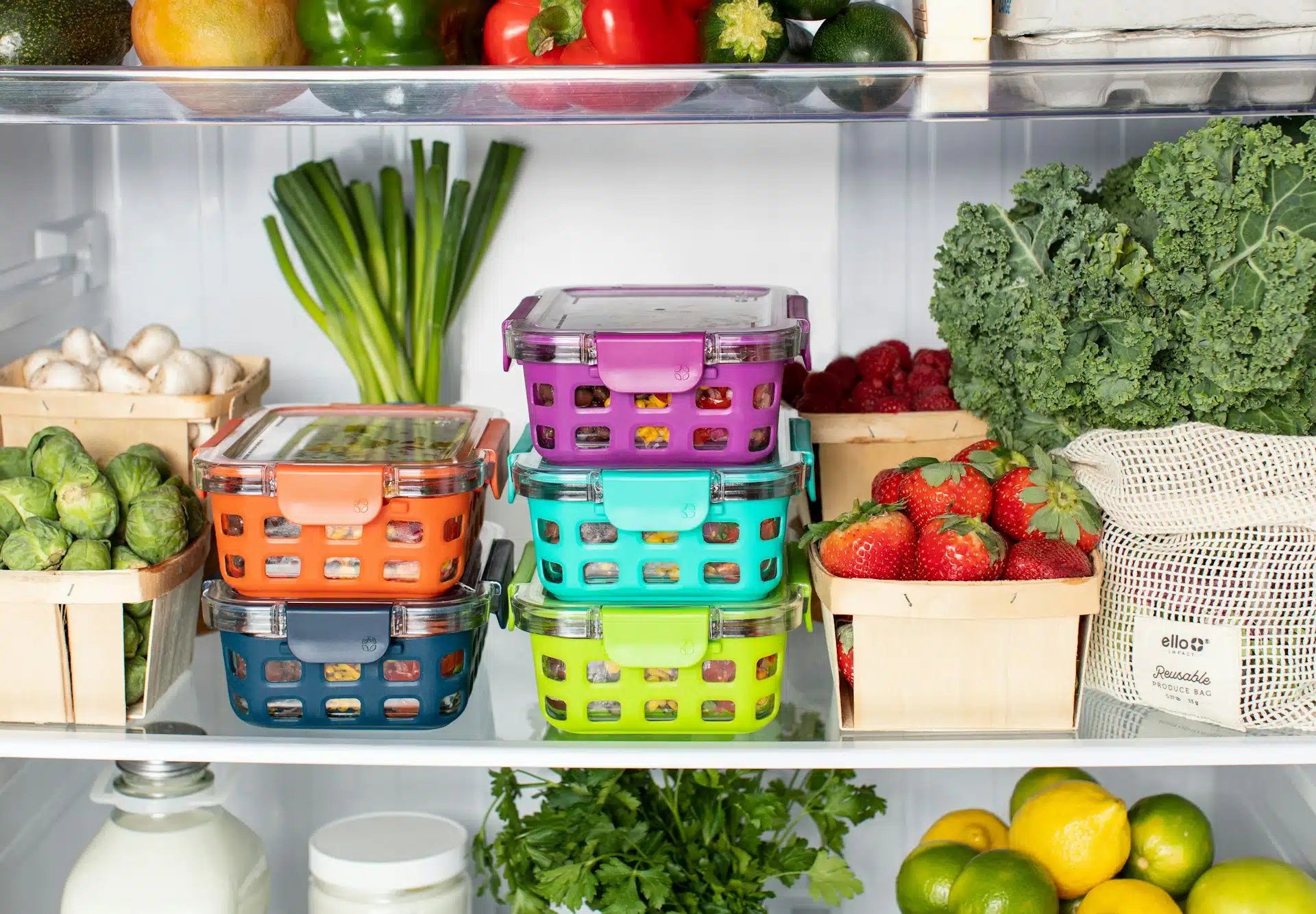
Fridge safety issues often appear in food service settings where staff rotation, time pressure, or poor maintenance disrupt routines. Identifying these problems early helps prevent contamination and food waste.
Inconsistent Temperature Monitoring
Many businesses rely on automatic displays or digital panels, assuming they give accurate readings. Over time, these sensors can drift, showing safe temperatures when the actual reading is higher. Regular checks with a separate thermometer are the simplest way to detect faults and protect stock.
Poor Labelling and Stock Rotation
When foods are not labelled with clear dates, staff may unknowingly serve items past their safe use period. Labelling every container with the date and time of preparation helps maintain order.
Overloaded Shelves and Blocked Vents
Fridges filled beyond capacity block air circulation. Cold air cannot flow evenly, leaving warmer spots that allow bacteria to grow. Blocking vents also forces the motor to work harder, increasing energy use and reducing lifespan. Regular checks help maintain consistent airflow across all shelves.
Storage of allergens and food made according to dietary restrictions requires further care. This fundamental knowledge and many useful guidelines can be learned through online food allergen training.
Correct Shelf Order for Food Storage
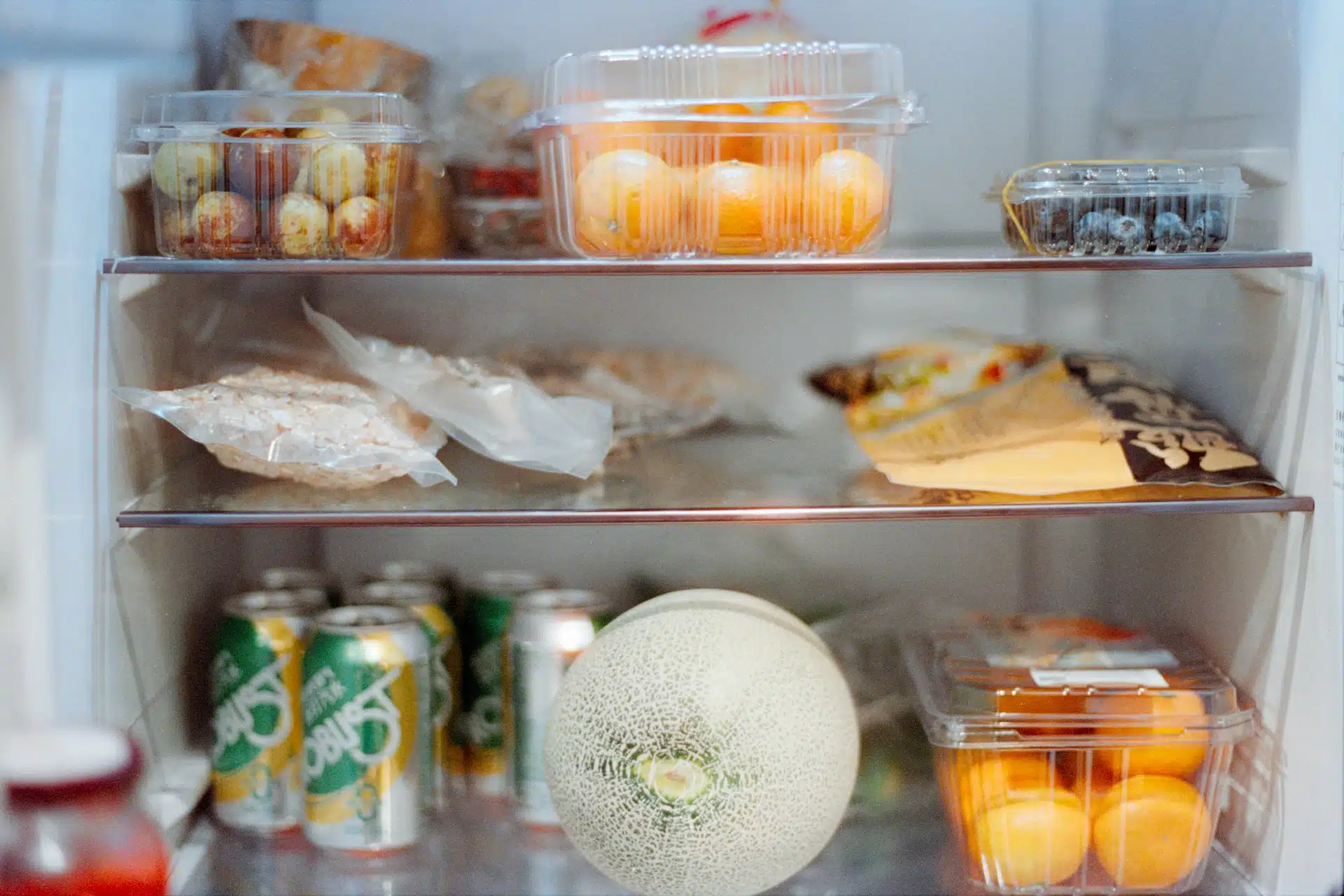
Organisation within the fridge is as important as temperature control. Storing items on the right shelves prevents cross-contamination and helps maintain food quality. The order in which food is stored can make the difference between safe and unsafe meals.
Top Shelf – Ready-to-Eat Foods
The top shelf is reserved for foods that will not be cooked before eating. This includes cooked meats, cheeses, and dairy products. These items must be kept above raw foods to prevent contact with drips or juices that might carry harmful bacteria.
Middle Shelves – Cooked Dishes and Leftovers
Cooked meals and leftovers should be covered and stored in sealed containers. They must be cooled completely before being placed in the fridge to avoid raising the internal temperature. Labelling containers with the preparation date helps ensure items are used within two days, reducing waste and risk.
Bottom Shelf – Raw Meat, Poultry, and Fish
The bottom shelf is the safest place for raw meat, poultry, and fish. These foods carry bacteria that can spread if not stored correctly. Using sealed containers prevents spills and cross-contamination. Keeping them at the lowest level also ensures that any leakage cannot drip onto other items.
Salad Drawer – Fruit and Vegetables
The salad drawer maintains slightly higher humidity, helping keep produce crisp and fresh. Fruit and vegetables should be stored in this drawer, separate from raw meat and cooked foods. Washing produce before storage can shorten shelf life, so it is better to wash it just before use.
Training and Awareness for Safer Food Handling
Even the best equipment and procedures fail if staff lack understanding. Ongoing training builds consistent behaviour across teams.
Induction and Refresher Training
New employees must receive training before handling food. Their food hygiene training certificate should be renewed at least once a year or when regulations change. Refresher sessions remind staff how to handle chilled food, label containers, and keep allergens separate.
Supervisors and Record Keeping
Supervisors play a key role in monitoring fridge safety. They ensure temperature logs are maintained and corrective actions are taken when readings exceed safe limits. Records provide traceability, demonstrating due diligence during inspections.
Staying Consistent with UK Standards
UK food safety law expects businesses to maintain chilled food below 8°C, record checks, and demonstrate that staff are trained in food hygiene. Regular audits and environmental health inspections assess these factors. Meeting these requirements protects customers and avoids costly enforcement actions.