

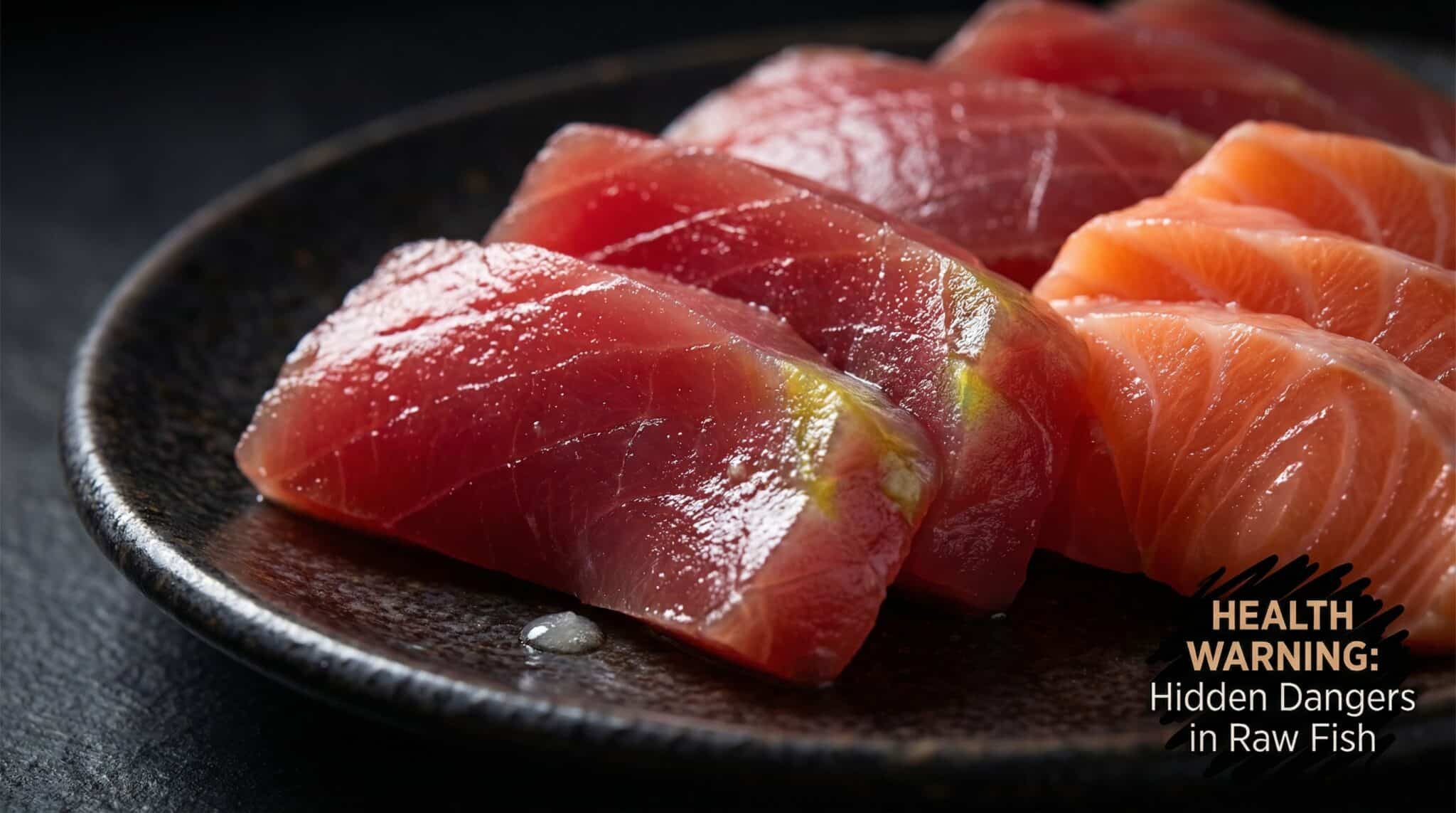
Sick After Sushi? Here’s What Your Symptoms Might Actually Mean
If you’re reading this hunched over your couch like a sad little shrimp tempura, I’m sorry. Getting sick after sushi is one of those uniquely annoying life events because the fish can look gorgeous, taste fine, and still absolutely betray you later.
Also: I’m not your doctor. I’m just a person who loves a spicy tuna roll and has learned (the hard way) that “my stomach feels weird” is not a very specific clue. What I can do is walk you through the most common seafood related “uh oh” scenarios how fast they hit, what they feel like, and when you need to stop Googling and go get help.
Because yes, sometimes it’s just a regular stomach bug. And sometimes it’s… not.
First: raw fish can make you sick in a few different ways
Here’s the sneaky part: dangerous bacteria/toxins don’t always show up as “obviously spoiled.” Your sushi isn’t going to raise its hand and announce, “Hello, I am Problem Fish.”
In real life, most “sick after seafood” situations fall into a few buckets:
- Scombroid (basically: fish got too warm at some point and turns into a histamine bomb)
- Ciguatera (a toxin in certain tropical reef fish fish can be fresh and still have it)
- Shellfish issues (bacteria like Vibrio or toxins from algal blooms this is the one I don’t mess around with)
Let’s talk through them like we’re texting a friend from the bathroom floor. (Not that I’ve ever done that. Ahem.)
1) Scombroid: the “this feels like an allergy but it isn’t” situation
What it is: Certain fish (especially tuna, mackerel, mahi mahi, sardines, anchovies, herring, bluefish) naturally have more of an amino acid that bacteria can turn into histamine if the fish sits too warm for too long (think: above 40°F).
And once that histamine forms? Cooking/freezing/smoking won’t magically fix it. It’s like glitter in your house. Once it’s there, it’s there.
What it feels like (and how fast): Fast. Like, 10-30 minutes fast.
- Flushing (face/neck turning red)
- Headache, dizziness
- Racing heart
- Burning/peppery feeling in mouth or throat
- Itchy rash (often without classic raised hives)
How long it lasts: Often 3-24 hours. You’ll feel lousy, but many people improve with basic care.
One useful note: Scombroid isn’t a “true fish allergy.” Getting it once doesn’t mean you’re doomed to a sushi free life forever it usually means the fish was handled/stored poorly somewhere along the line.
2) Ciguatera: the tropical fish toxin that plays mind games
What it is: A toxin called ciguatoxin that builds up in some large tropical reef fish (like grouper, snapper, barracuda, king mackerel) through the food chain. The fish can be perfectly fresh and still cause trouble.
When it starts: Usually 1-24 hours after eating (often within ~6).
What it feels like: It often starts like typical food poisoning:
- Cramping
- Nausea/vomiting
- Watery diarrhea
Then it can get… weird. The classic clues are nerve symptoms:
- Tingling/numbness around lips or tongue
- Metallic taste
- “My teeth feel loose” (people really describe it this way)
- Temperature reversal (cold feels burning hot. Warm feels weirdly cold)
If you’ve ever wanted your nervous system to stop freelancing, this is it.
3) Raw shellfish: this is the one that can get serious fast
If you ate raw oysters or clams, don’t panic… but do take symptoms seriously.
- Vibrio bacteria can be an issue in warmer waters (especially Gulf Coast areas, often May-October).
- Paralytic shellfish poisoning comes from toxins linked to algal blooms. This is not a “tough it out with ginger ale” moment if symptoms show up.
Paralytic shellfish poisoning timeline: Minutes to 2 hours.
- Tingling/numbness around mouth
- It can spread to arms/legs
- Can progress to trouble speaking, swallowing, moving, or breathing
If anything about that list is happening, you don’t “wait and see.” You go in.
Okay, but… is it food poisoning or just a random stomach bug?
This isn’t foolproof, but it’s a decent quick reality check:
- If other people who ate the same fish got sick around the same time → food poisoning shoots up the list.
- If you’re the only one sick and nobody shared your meal → could be a stomach virus or something unrelated.
Either way: your body still needs support, and severe symptoms still need medical attention.
When to stop guessing and get medical help
I’m going to be very uncheeky for a second because this part matters.
Call 911 immediately if you have:
- Trouble breathing, wheezing, or throat tightness
- Vomiting blood or blood in your stool
- Double vision or trouble moving parts of your body
- Trouble swallowing or speaking
- Severe confusion, fainting/passing out
- A pounding, irregular heartbeat
Go to urgent care the same day if:
- You’ve been vomiting for more than 12 hours
- You have diarrhea plus fever over 101°F
- You can’t keep fluids down for 4+ hours
- You have nerve symptoms (tingling, numbness, temperature weirdness)
When you go in, bring details: what you ate, where it came from, when you ate it, and when symptoms started.
Also, if you take MAOIs (certain antidepressants) or isoniazid (a TB med), mention it those can slow histamine breakdown and make scombroid reactions worse.
People who should be extra cautious
- Kids under 5 and adults over 65 (dehydration hits harder)
- Pregnant (call your OB for GI symptoms after raw fish)
- Liver disease (especially urgent if symptoms follow raw shellfish risk can be much higher)
- Asthma (more likely to get wheezing/breathing symptoms with scombroid)
Your main job at home: don’t get dehydrated
Most people don’t end up needing medical care because of “the fish” itself. They end up needing care because they can’t keep up with fluid loss. Dehydration is the villain here.
Here’s what I do (and what I tell friends) when the stomach is staging a revolt:
- Check your pee. Pale yellow = you’re keeping up. Dark yellow/orange = you’re falling behind.
- Choose smarter fluids. Oral rehydration solutions (Pedialyte, etc.) work better than plain water because the sugar salt combo helps absorption. If that’s not happening, rotate water, diluted juice, and clear broth.
- Sip like a tiny Victorian bird. If you chug, you may just vomit it back up. Small, frequent sips win.
- Know the “this is too much” signs. Dizziness when standing or no urination in ~8 hours can mean you need IV fluids.
Meds and food: a few “don’t make it worse” notes
For scombroid: An over the counter antihistamine (like Benadryl) can bring relief because histamine is a big part of what’s happening. (And yes, it may knock you out. Sometimes that’s… not the worst thing.)
About Imodium: Don’t take it if you have fever, blood in your stool, severe dehydration, or worsening symptoms. It can keep an infection/toxin stuck in your system longer. (Your body is trying to evict something. Don’t lock the doors.)
About Pepto-Bismol: If you’re not sure what’s causing your symptoms, ask a clinician especially avoid it if you have blood in stool, are allergic to aspirin, are pregnant, or take blood thinners.
For aches/fever: Acetaminophen is generally okay.
Eating: Start with clear liquids, then bland foods once nausea eases think rice, toast, bananas. Skip dairy, greasy food, caffeine, and alcohol until you’re normal again (tragic, I know).
How long will this misery last?
- Typical food poisoning: often 12-48 hours (sometimes longer up to a week)
- Ciguatera: can last 1-2 weeks and sometimes longer in severe cases
If you’ve had suspected ciguatera, some clinicians recommend avoiding warm water ocean fish for about six months and alcohol for about three months, because symptoms can flare again with re-exposure.
“Can I tell if fish is bad before I eat it?” Sometimes.
Your senses can catch plenty of spoilage (not how long it keeps chilled, though ciguatera doesn’t announce itself).
- Smell: fresh fish smells clean/briny. If it’s ammonia-ish, sour, or funky, nope.
- Touch: fresh fish springs back. Spoiled fish stays dented or feels mushy.
- Taste: if you notice a weird peppery/metallic taste mid bite, stop eating. Seriously. Spit it out etiquette is fully allowed here.
And at home: eat raw fish quickly (within 1-2 days), and don’t let it sit out more than 2 hours total (or 1 hour if it’s blazing hot in your kitchen).
When in doubt, toss it. Throwing away $18 worth of fish is annoying. Throwing away an entire day (or ending up in the ER) is worse.
The bottom line
If you got sick after sushi, the timeline is often your biggest clue:
- Minutes (10-30): flushing/rash/racing heart = think scombroid
- Hours (often 6-ish): GI symptoms + nerve weirdness/temperature reversal = think ciguatera
- Minutes to 2 hours after shellfish: tingling/numbness spreading or any breathing/swallowing trouble = emergency
Most cases improve with rest and aggressive hydration. But if you’re getting worse, can’t keep fluids down, have fever/blood, or anything neurological/breathing related is happening please get seen urgently. Your body is allowed to need backup.