
There was a period where seafood trips and “portion awareness” simply could not exist in the same sentence for me.
Absolutely impossible.
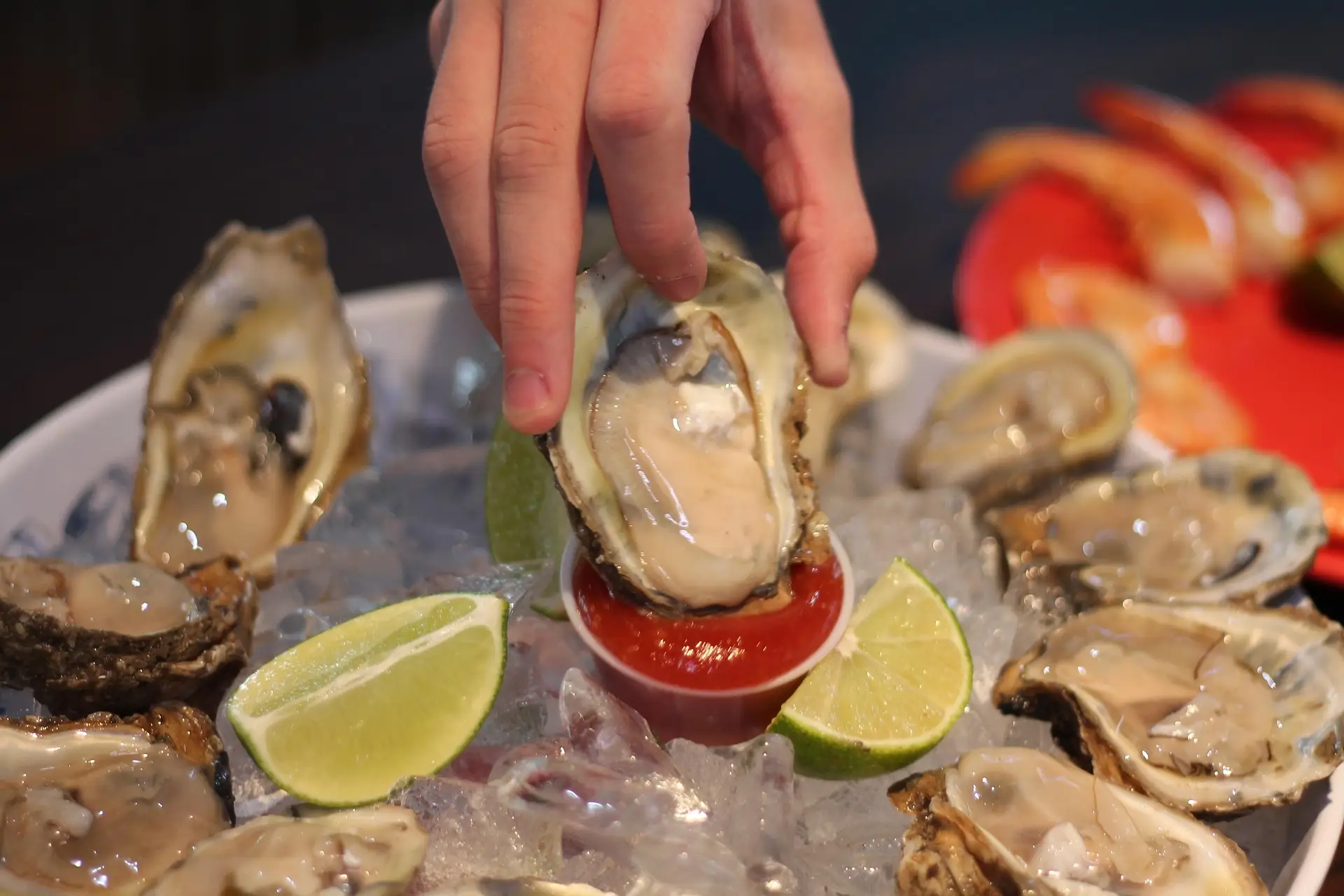
If somebody placed oysters, crab cakes, lobster rolls, shrimp baskets, hot butter, fries, and cold white wine near a marina at sunset, my brain basically shut down all decision-making functions immediately.
And honestly, seafood cities make this worse on purpose. Nobody goes to Charleston intending to behave moderately around oysters.
Nobody flies to Boston thinking: “I will probably just have one sensible crab cake and then quietly return to the hotel.”
That is not how seafood weekends operate emotionally.
Before Tirzepatide, Restaurant Trips Felt Completely Different
Before I started taking tirzepatide, restaurant-heavy weekends honestly felt exhausting in ways I did not fully understand at the time. Not physically exhausting. Mentally exhausting.
Because there was always this weird constant background negotiation happening in my brain around food.
Should I order this? Should I split something? Should I avoid the lobster roll? Should I skip dessert after oysters? Should I pretend I am full even though I absolutely still want the fries?
And the strange part is that seafood dining makes overeating feel incredibly easy because the meals unfold slowly over hours. No matter how diabetes-friendly some meals can be.
You are not sitting down with one plate and leaving. You are ordering oysters first. Then somebody adds crab dip. Then another round appears. Then somebody insists the lobster mac and cheese is “mandatory.”
Then suddenly an entire seafood tower arrives looking like edible architecture. And somehow you are still discussing dessert afterward.
The frustrating part is that tirzepatide is expensive long term. That conversation is very real.
A lot of people stay on it because it genuinely helps, but affordability becomes a huge part of the experience too, especially over time.
Tirzepatide Changed The Entire Feeling Of Trips For Me
I take tirzepatide now mostly because it genuinely changed how these weekends feel mentally for me.
Not in a dramatic movie-transformation way. More in the sense that the constant food noise finally quieted down enough for me to actually enjoy trips without obsessing over every meal the entire time.
The weirdest part is that I still fully enjoy food. I still absolutely plan specific meals around trips. If I am going to Charleston, I am still eating oysters at 167 Raw.
If I am in Seattle, I am still walking through Pike Place Market looking at smoked salmon and crab like a completely emotionally overwhelmed tourist.
And if I am in New Orleans, there is absolutely no universe where I am skipping shrimp and Gulf seafood dinners around the French Quarter.
That part never disappeared.
The difference now is that I actually feel satisfied sooner instead of mentally preparing for competitive overeating as a recreational activity.
I Still Strategically Plan My “Worth It” Meals
And honestly, I still fully plan certain meals around enjoyment.
Completely.
I just do it intentionally now instead of accidentally spiraling into an eight-hour seafood marathon because “vacation calories do not count.”
For example, if I know dinner is going to be huge, oysters plus lobster rolls plus fries plus dessert plus maybe wine, then lunch becomes much lighter naturally.
Not because I am “being strict.” More because I know exactly where I want the full experience later.
And seafood trips are honestly one of the few times where I still happily structure the day around one ridiculous meal because… yeah. Seafood cities deserve that energy.
The Wine Situation Depends Heavily On The Day
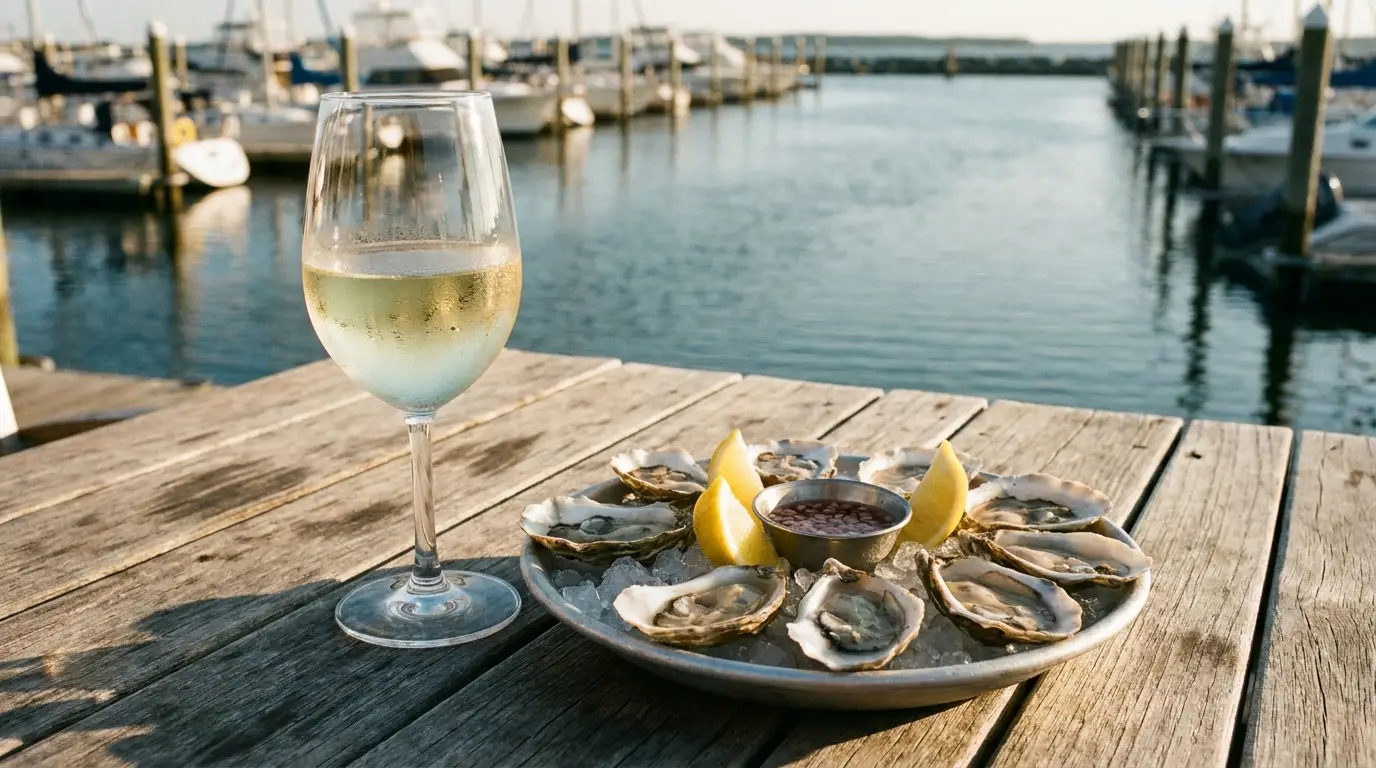
Wine is still possible for many people using diabetes meds, but honestly it depends heavily on tolerance, hydration, meal timing, and how the medication affects you personally.
For me, smaller amounts feel completely different now. One glass of wine during oysters near the water feels relaxing.
Three glasses plus seafood towers plus heat plus walking all day can suddenly feel like a deeply terrible life decision very quickly.
Seafood cities also create extremely deceptive drinking environments.
Especially places like Charleston or Boston where marina dinners quietly turn into five-hour evenings because nobody notices time passing once oysters and cold wine start arriving repeatedly.
Seattle Completely Humbled Me
One of the funniest moments happened in Seattle.
I spent an entire afternoon walking through Pike Place Market telling myself I was “just browsing.” That was a complete lie.
Within forty minutes I had:
- smoked salmon
- crab dip
- fresh bread
- two pastries
- seafood chowder
- and a bag of random snacks I absolutely did not need
Old version of me would have continued eating purely because everything smelled incredible and vacation logic had taken over completely.
Now there is a very noticeable point where my brain and body finally go: “Okay. We are actually done here.”
Honestly, that feeling still surprises me sometimes.
Seafood Trips Became More Enjoyable Once Food Stopped Feeling Chaotic
That is probably the biggest difference overall. The trips themselves became calmer. I enjoy restaurants more. I enjoy walking around waterfront areas more.
I enjoy conversations more because I am not constantly distracted by thinking about food before, during, and after every meal.
And weirdly, I actually appreciate the seafood more now too because everything no longer turns into accidental excess automatically.
There is space to actually enjoy the experience itself. The oysters. The marina atmosphere. The cold air near the harbor. The ridiculous seafood platters.
The slightly chaotic energy of waterfront restaurants where everybody somehow smells faintly like butter and sunscreen by the end of the evening.
Seafood Cities Still Win Eventually
And honestly, seafood cities still absolutely test me sometimes.
Put me near oysters, harbor views, lobster rolls, seafood pasta, hot bread, and a marina at sunset, and I am still emotionally vulnerable.
That part of my personality survived perfectly intact. The difference now is that the trips no longer feel physically miserable afterward.
I still enjoy the experience fully. I just finally stop when I am actually full instead of treating seafood weekends like an Olympic endurance event.