


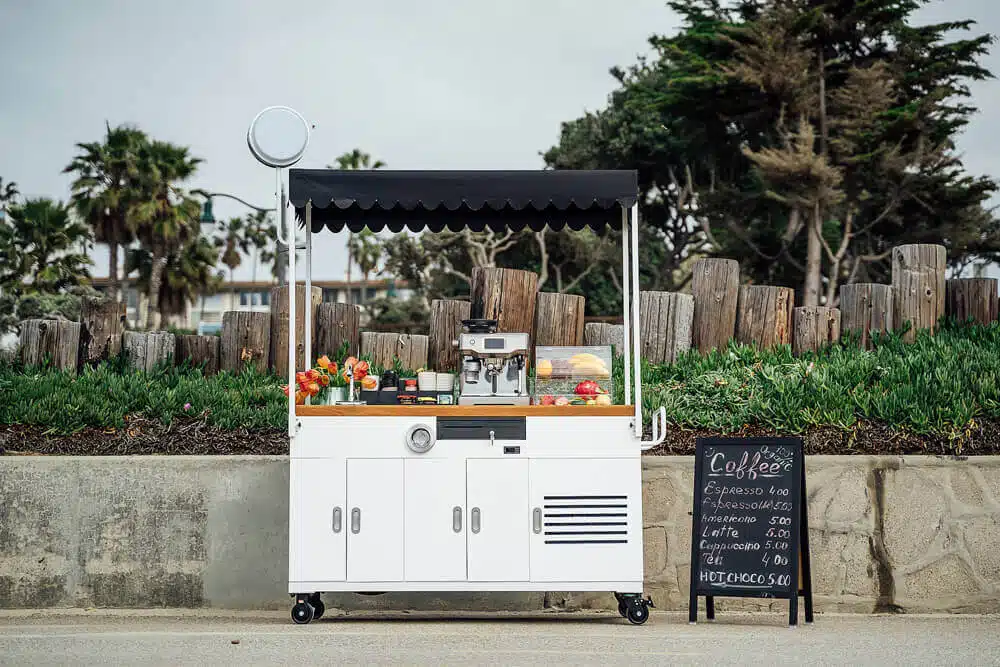
Starting a food cart business in the United States is exciting, flexible, and often more affordable than opening a restaurant. But before you start serving customers, there’s a stack of legal steps you need to get right. Think of it as setting the foundation so your business doesn’t run into trouble later.
If you’re also exploring modern mobile setups like food bikes or compact vending solutions, it helps to see how real-world designs work in practice. For example, this kind of food bike concept shows how mobile food businesses are evolving in a practical way: https://ferlabikes.com/food-bike
Below is a practical, easy-to-follow checklist.
Pick a Business Structure
First, decide how your business will exist legally:
- Sole proprietorship (simple, but no liability protection)
- LLC (Limited Liability Company) (most popular for food carts)
- Corporation (more complex, usually for scaling businesses)
Register Your Business Name
If you’re not using your personal name, register a DBA (Doing Business As) or file your business name with your state.
Get an EIN (Tax ID)
An Employer Identification Number (EIN) from the IRS is required for taxes, hiring employees, and opening a business bank account.
Apply for a Business License
Most cities or counties require a general business license before operating legally.
Get a Food Vendor / Mobile Food Permit
This is one of the most important approvals. It usually involves health department checks, menu approval, and cart inspection.
Pass Health Department Inspections
Your cart must meet food safety standards such as:
- Proper temperature control
- Handwashing setup
- Clean food surfaces
- Safe waste disposal
Food Handler Certification
Most states require at least one certified food handler on-site.
Commissary Kitchen Requirement
Many cities require you to operate from or store food in a licensed commissary kitchen.
Sales Tax Permit
Register with your state tax authority so you can legally collect and remit sales tax.
Insurance Coverage
Recommended coverage includes:
- General liability insurance
- Product liability insurance
- Commercial auto insurance (if applicable)
Fire Safety Approval
If using cooking equipment like propane or grills, expect a fire department inspection.
Zoning and Location Rules
You’ll only be allowed to operate in approved areas depending on city zoning laws.
Mobile Cart Compliance
Some cities require extra permits specifically for carts or mobile setups, including rules on operating hours and mobility.
Stay Compliant Long-Term
Permits usually expire annually, so renewals and inspections are part of ongoing operations.
Final Thought
Starting a food cart business is not just about cooking, it’s about building a legally compliant operation that can run smoothly anywhere you’re allowed to serve.
Getting these steps right early saves a lot of time, stress, and fines later on, and lets you focus on actually growing your food business.