

New York’s seafood dining scene is not defined by the plate alone—it’s shaped by the entire journey from kitchen to table.
In a city where expectations are high and competition is relentless, restaurants must deliver comfort, consistency, and experience alongside premium seafood.
From sourcing Atlantic oysters to plating Michelin-level dishes, the modern seafood experience in NYC blends culinary precision with environmental design, service psychology, and—crucially—the role of restaurant furniture in shaping guest comfort and operational flow.
Strategic seating layouts, durable materials, and space optimization are no longer secondary considerations. They directly influence how long guests stay, how efficiently tables turn, and how memorable the dining experience feels, especially under evolving, policy-driven operational pressures introduced by the new mayoral administration.
The Kitchen Foundation: Freshness, Traceability, and Trust
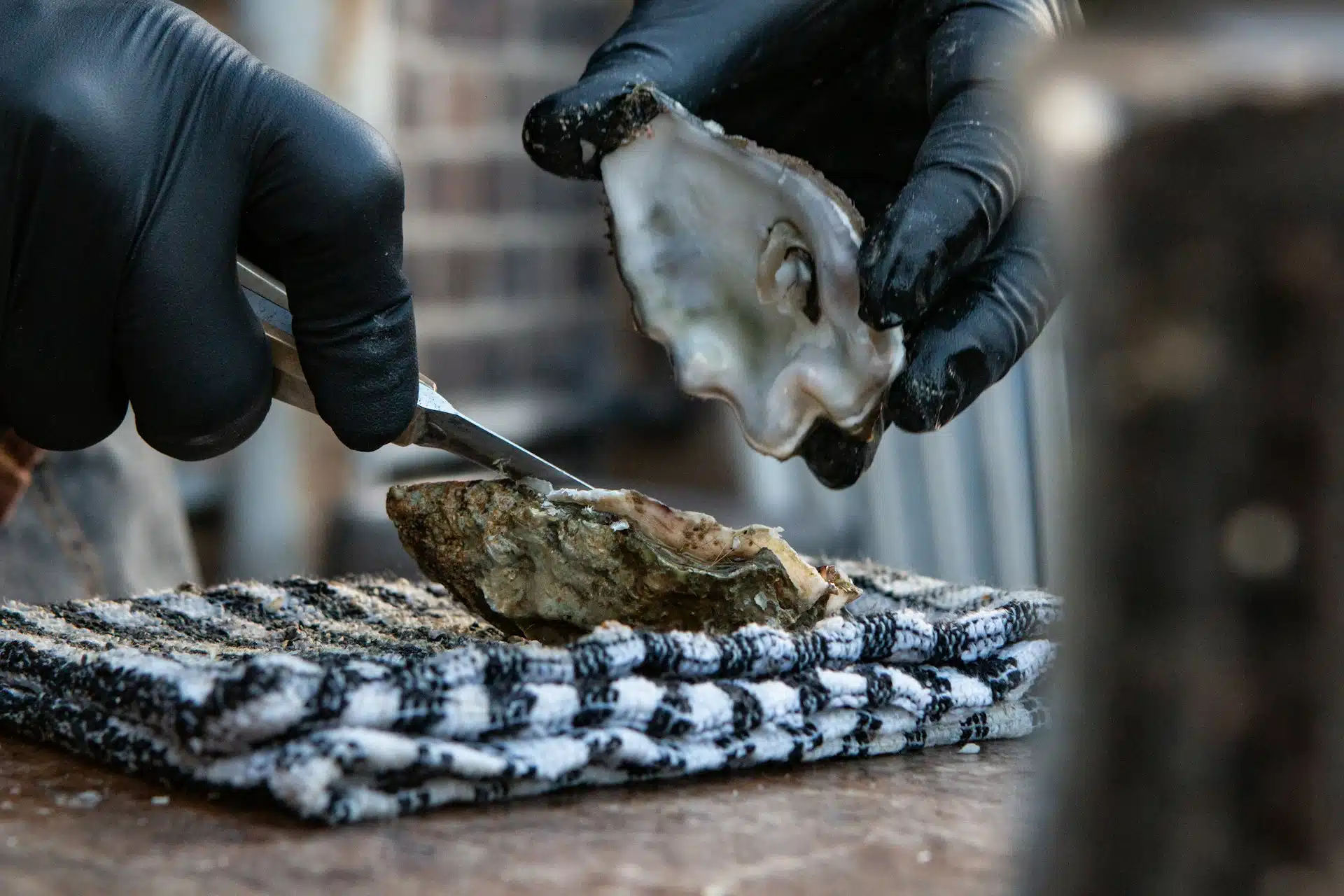
A comfortable seafood dining experience begins long before a guest sits down—it starts in the kitchen.
New York seafood restaurants operate on a simple but unforgiving rule: freshness equals credibility.
- Daily sourcing from Fulton Fish Market and regional suppliers
- Transparent menus highlighting origin (e.g., Maine lobster, Long Island clams)
- Cold chain integrity (temperature-controlled logistics from dock to kitchen)
- Minimal processing to preserve natural flavor profiles
This approach is critical because seafood is one of the few dining categories where quality is immediately noticeable. A single inconsistency can damage brand trust.
Transitioning from Kitchen to Table: The Experience Design Layer
In NYC, the “handoff” from kitchen to table is where experience becomes memorable.
Key Experience Drivers:
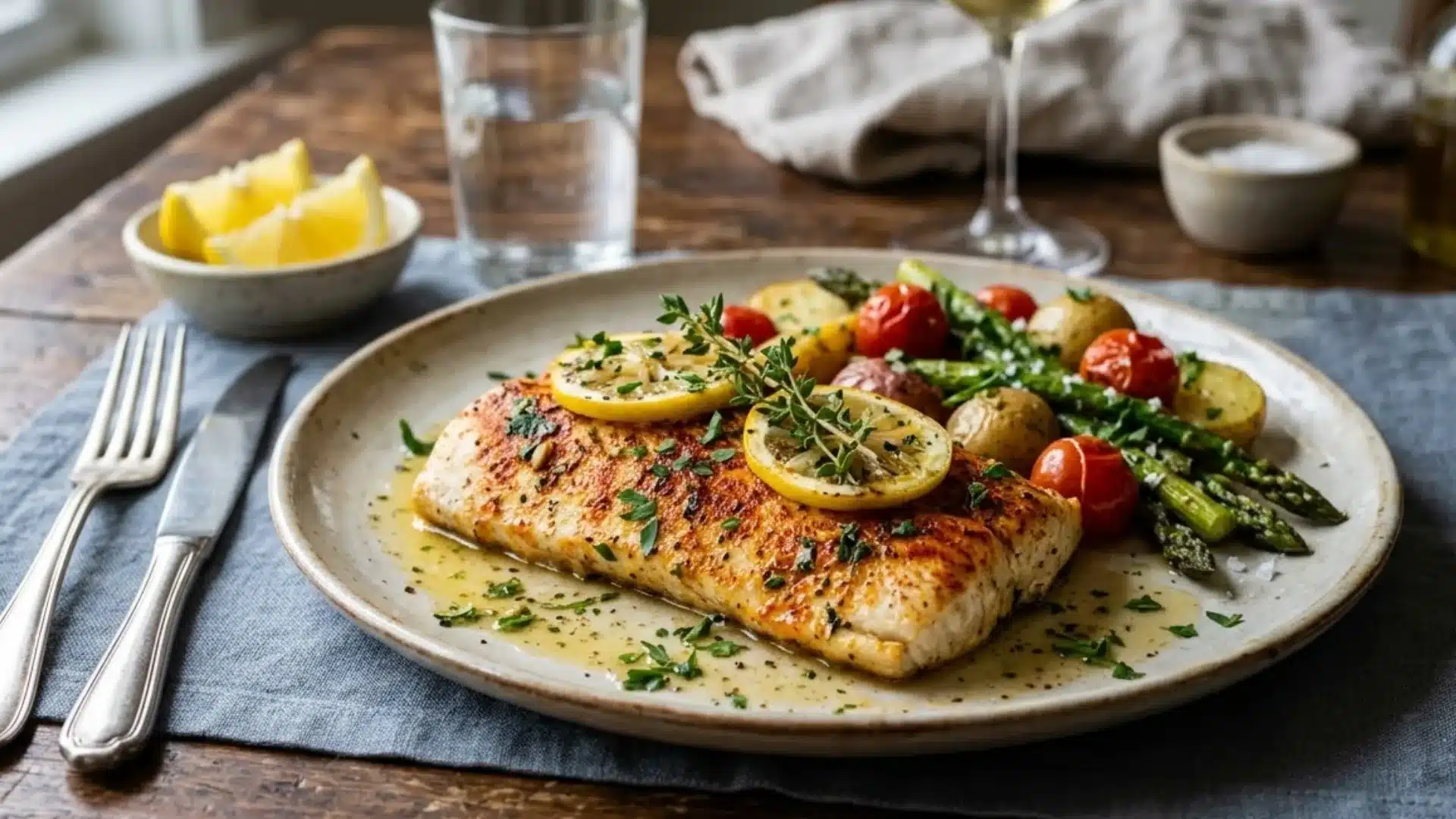
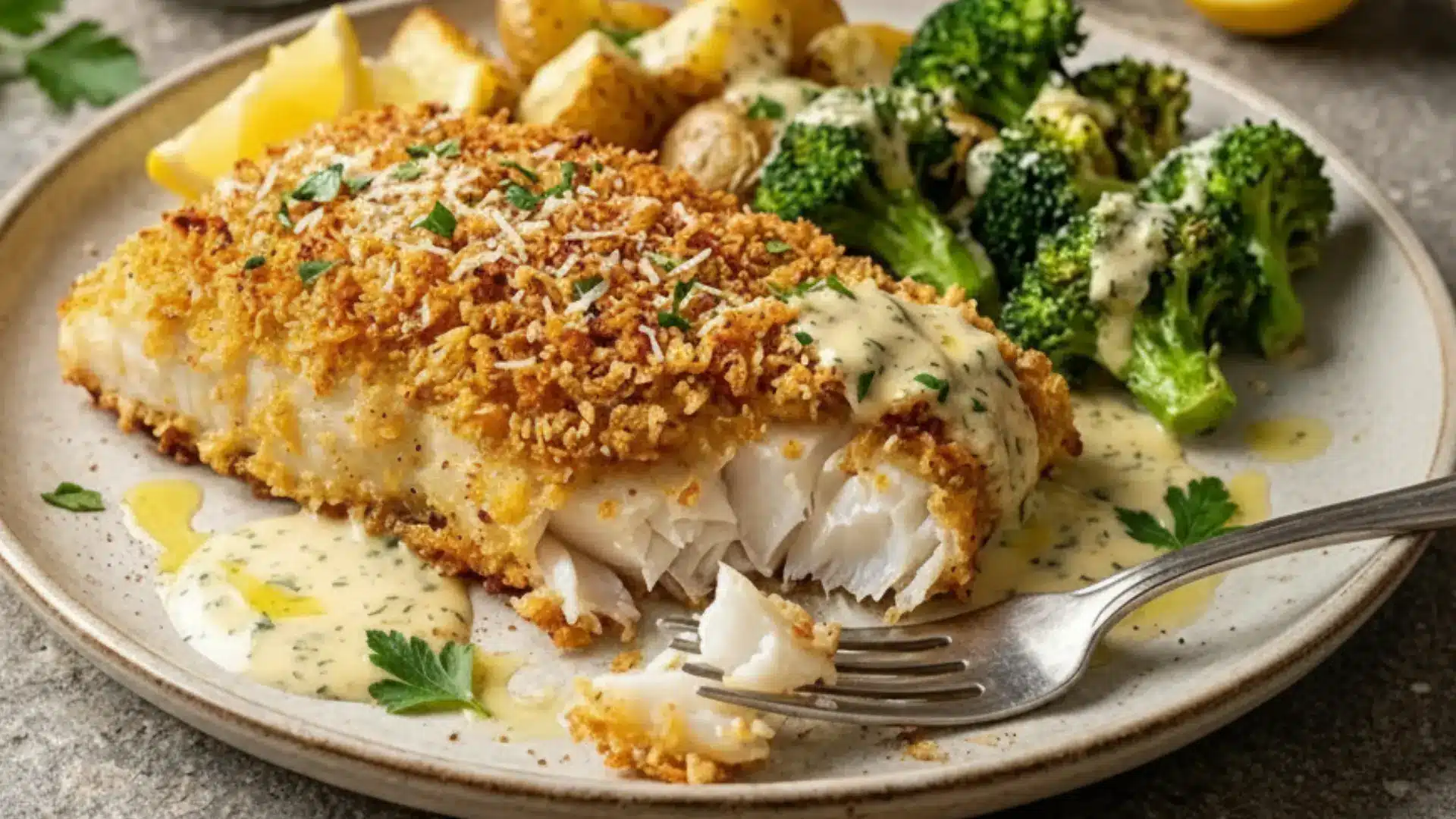
a. Plating & Presentation
Seafood dishes are inherently visual—color contrasts (reds, whites, greens) are leveraged to create appetite appeal.
b. Service Flow
Servers are trained not just to deliver food, but to narrate the dish:
- Origin of the seafood
- Preparation method
- Pairing recommendations
c. Sensory Comfort
- Lighting: Warm, coastal-inspired tones
- Acoustics: Balanced to avoid overwhelming conversation
- Seating: Optimized for both density (NYC reality) and comfort
The goal is simple: make the guest feel relaxed, informed, and slightly elevated.
The Role of Ambience in Seafood Dining
Seafood dining in New York often leans into a “coastal escape” concept—even in the middle of Manhattan.
Restaurants design spaces to subtly disconnect diners from the city’s intensity:
- Nautical textures (wood, stone, ocean tones)
- Open kitchens for transparency
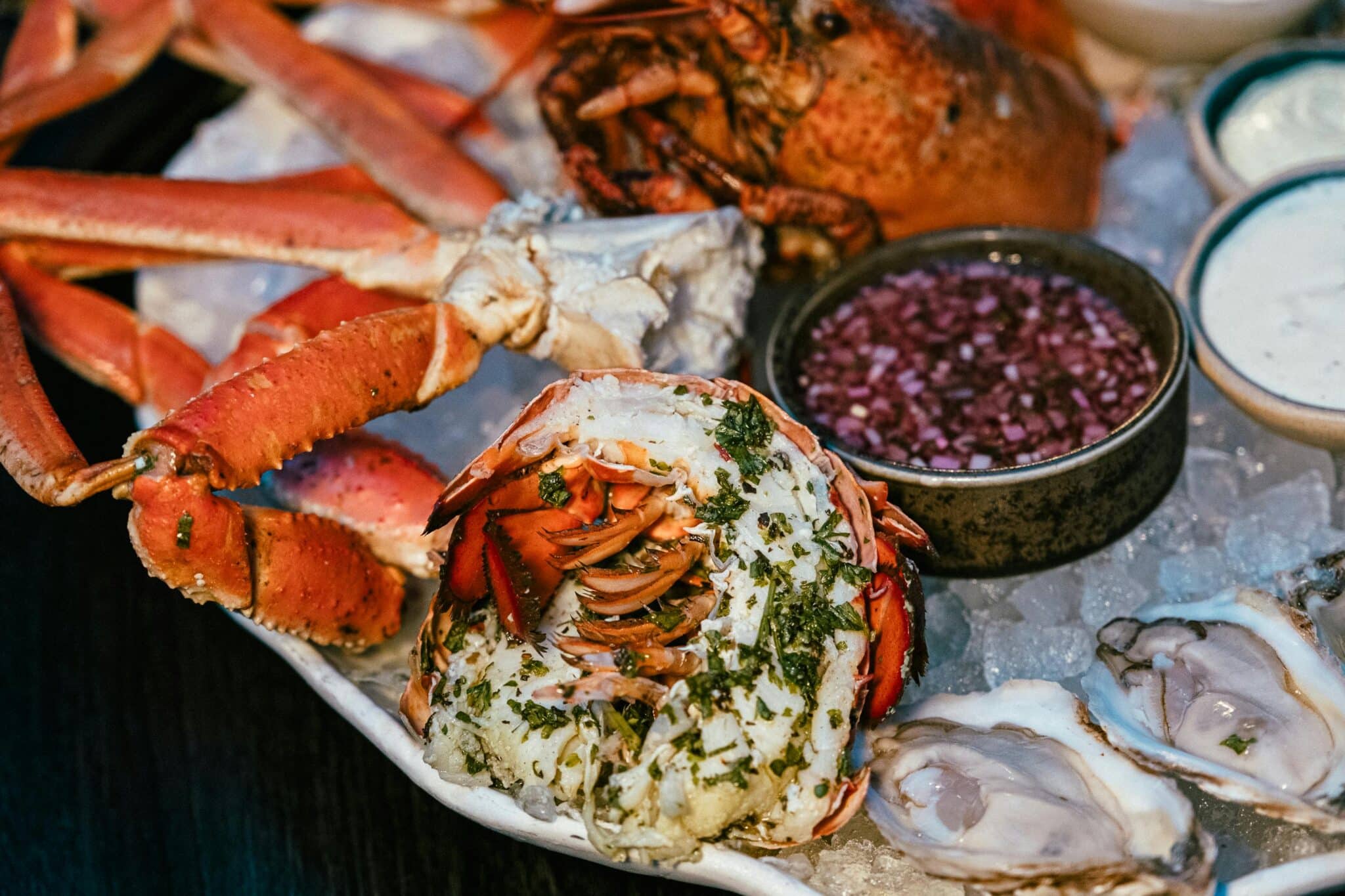
- Bar seating with raw seafood displays (oyster bars, ice beds)
This is not accidental. It creates psychological comfort, reinforcing freshness and authenticity.
The New Mayor’s Influence on Dining Culture
The transition to Zohran Mamdani in 2026 is already reshaping how restaurants operate—and by extension, how diners experience seafood dining.
a. Focus on Affordability & Worker Protection
The administration emphasizes:
- Higher wages for workers
- Fair scheduling laws
- Stronger labor protections
This has led to increased operational costs, which restaurants must balance without compromising experience.
b. Support for Small & Independent Food Businesses
Mamdani actively promotes:
- Local, independent restaurants
- Street food culture
- Diverse culinary representation
This benefits seafood dining by encouraging regional diversity, from upscale oyster bars to casual seafood shacks.
c. Outdoor Dining Evolution
The “Dining Out NYC” program has returned—but with stricter regulations:
- Limited approvals
- Seasonal outdoor seating
- Design compliance requirements
For seafood restaurants, outdoor dining is crucial—it enhances the “coastal” feel. However, tighter rules mean operators must be more strategic in space utilization and guest comfort.
d. Cost Pressures & Industry Response
Some restaurateurs express concern over:
- Rising wages
- Regulatory complexity
Yet, many continue investing in new concepts, showing confidence in NYC’s dining resilience.
Building Comfort: What Actually Matters to Diners
A comfortable seafood dining experience in New York is built on five non-negotiables:
1. Consistency
Guests expect the same quality every visit.
2. Transparency
Clear sourcing and honest preparation build trust.
3. Atmosphere
The environment should complement—not compete with—the food.
4. Service Intelligence
Staff must guide without overwhelming.
5. Value Perception
Not necessarily “cheap,” but worth it.
The Future of Seafood Dining in NYC
The future sits at the intersection of experience and economics.
Under the current administration:
- Restaurants will need to justify pricing through experience
- Operational efficiency will become critical
- Guest-centric design will be a competitive advantage
At the same time, NYC’s dining culture remains one of the most dynamic in the world—where even policy shifts become part of the evolution.
Conclusion
From kitchen sourcing to final plating, building a comfortable seafood dining experience in New York is a multi-layered operation. It requires:
- Precision in the kitchen
- Intentional design in the dining room
- Strategic adaptation to city policies
With leadership under Zohran Mamdani pushing affordability and worker-focused reforms, restaurants are entering a new phase—one where experience must carry even more weight than before.
For diners, that means something simple but powerful:
Better, more thoughtful seafood experiences—where every detail, from ocean to table, is carefully crafted.