

Did you know that the mild fillet on your plate might be a type of catfish from a river halfway across the world?
That is basa, one of the most eaten fish on the planet, yet hardly anyone knows what basa fish is, where it comes from, or what it does for the body.
Basa carries both benefits and a few honest concerns. So before you toss another pack in your cart, know the full picture.
Keep reading to know everything about basa.
What is Basa Fish?
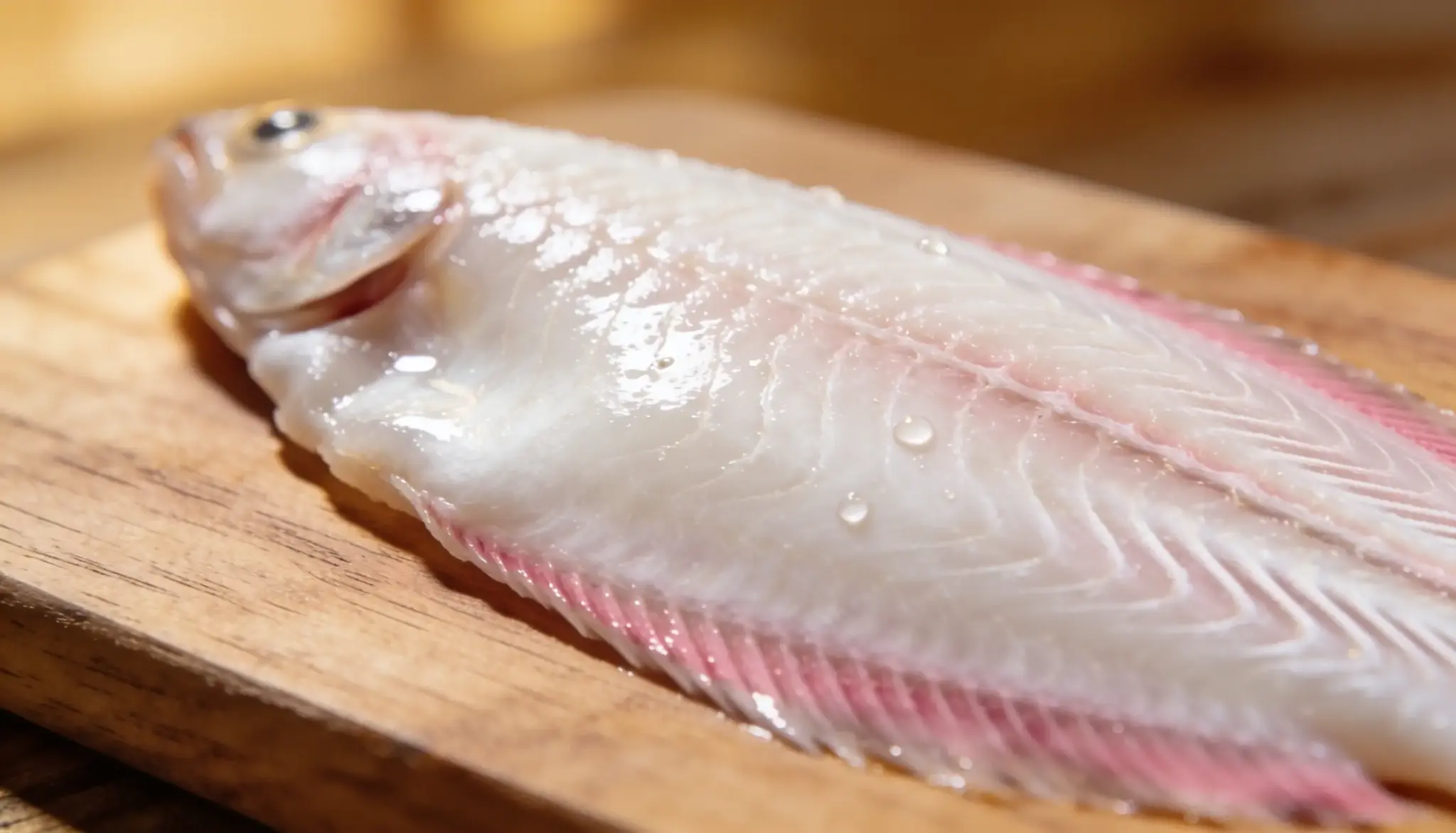
Basa fish is a white freshwater fish from Southeast Asia. People also call it pangasius or Vietnamese catfish. The flesh is mild, soft, and slightly sweet, a lot like cod or haddock.
That gentle taste makes it easy to cook in many dishes. It is also cheap, which adds to its worldwide popularity.
A 100-gram serving roughly gives you:
- Calories: about 90
- Protein: around 15 to 18 grams
- Total fat: roughly 2 to 4 grams
- Carbohydrates: close to 0 grams
- Omega-3 fatty acids: small amounts
- Other nutrients: vitamin B12, selenium, and phosphorus
What Kind of Fish is Basa?
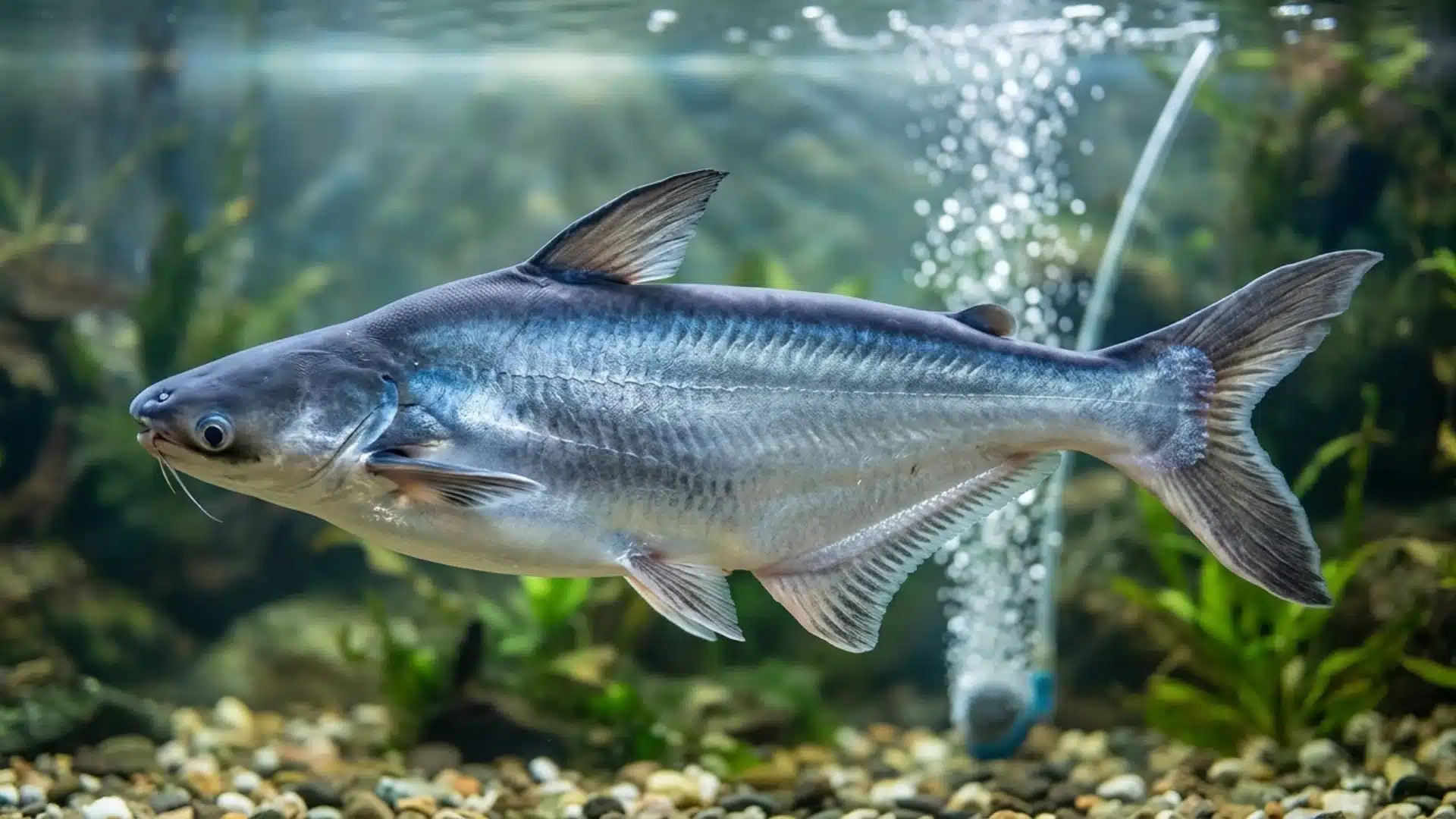
Basa belongs to the catfish family. Its scientific name is Pangasius bocourti.
So yes, that mild white fillet is really a type of catfish. Basa has smooth skin with no scales, much like other catfish.
It also grows whisker-like feelers near its mouth, called barbels.
These help it sense food in murky river water. The fish can reach a fairly large size when fully grown. Even so, the flesh stays soft and light.
Where does it Come From?
Basa fish call the rivers of Southeast Asia home. It is native to the Mekong and Chao Phraya rivers.
These waters run through Vietnam, Thailand, Cambodia, and Laos, and Vietnam stands out as the main source today.
Farmers there raise basa in large pens along the Mekong River; the fish grow fast and cost little to feed.
From these farms, basa travels to markets across the world. You will spot it in stores throughout the United States, Europe, and Asia.
Most of what you buy started in Vietnam
Why is Basa Fish so Common in Grocery Stores?
Walk down the frozen aisle, and basa is almost always there. It is cheap to farm, easy to ship, and pleasant to eat.
Those traits make it a favorite for stores and shoppers alike.
- It costs little to raise, so it stays affordable even after long-distance shipping.
- The flavor is gentle and not too fishy, which appeals to picky eaters.
- It comes as boneless fillets that work in plenty of recipes.
- Vietnamese farms produce huge amounts year-round, so stock rarely runs short.
How Basa Fish is Farmed and Supplied?
Ever wonder how a fish from a Vietnamese river ends up frozen in your local store? It is a longer trip. This is how basa goes from pond to packed fillet, step by step.
Step 1: Farming the Fish
It all begins on the fish farms of Vietnam’s Mekong Delta.
Farmers raise basa in big ponds for several months. They feed the fish daily and closely monitor the water quality.
Clean water matters a lot here, since it shapes the mild taste and soft texture that buyers want.
Step 2: Harvest and Transport
When the fish reach the right size, the harvest begins. Workers drain part of the pond and quickly net the basa.
They load the live fish into well-boats fitted with water tanks.
These boats carry the catch to nearby processing plants, keeping the fish fresh along the way.
Step 3: Processing and Filleting
At the plant, the real work starts fast. Trained workers clean each fish and remove the skin and bones.
They cut the flesh into the boneless fillets you know from stores. Speed keeps the fish fresh, so the plants handle huge amounts of fish in a single day.
Step 4: Freezing and Packing
Right after cutting, the fillets head to the freezers. Quick freezing locks in the texture and stops spoilage.
Workers then weigh, glaze, and seal the fish in sturdy packs.
Labels show the source and weight, and the frozen blocks get stacked and stored, ready for their long trip abroad.
Step 5: Shipping and Store Shelves
Finally, the packed basa leaves Vietnam in cold shipping containers. It travels by sea to markets in over 130 countries.
Stores in the United States, Europe, and Asia stock it in their frozen aisles. From there, it lands in your cart and then on your dinner plate.
Is Basa Fish Healthy?
For most people, the answer is yes, in moderation. It is a lean fish that brings nutrition to the table with little fat and few calories.
High in Protein
Basa packs a solid dose of complete protein. That means it holds all nine essential amino acids your body needs.
Protein helps build muscle, repair tissue, and keep you full longer after a meal.
Low in Calories
A single serving carries very few calories and little fat. That makes basa a friendly choice if you watch your weight.
You get a filling, protein-rich meal without piling on calories you do not want.
Some Omega-3 Fats
Basa offers small amounts of omega-3 fatty acids. These healthy fats support your heart and brain.
Oily fish hold more, but lean fish like basa still add to your weekly intake.
Useful Nutrients
This fish also brings vitamin B12, selenium, and phosphorus to your plate. B12 supports energy and nerve health. Selenium and phosphorus help protect your cells and keep your bones strong.
Environmental and Farming Concerns Around Basa
Ponds hold huge numbers of fish packed close together, and the crowding creates plenty of waste, and farms dump it straight into rivers.
This adds to pollution in the Mekong Delta.
Crowded fish also fall sick easily, so some farms turn to antibiotics. Tests abroad have at times found drug residues above legal limits.
Certified farms follow much stricter rules, so buying labeled, responsibly farmed basa clearly lowers these risks.
So, is Basa Fish Worth it?
Basa is a cheap, mild catfish that brings solid protein and few calories to your plate.
It is not perfect, but buy it from a certified source and cook it well, and basa fits just fine into a balanced diet.
Smart food choices start with knowing what you are actually eating. The next time you spot those frozen fillets, you will know what basa fish is.
Want to keep eating well on a budget?
Take a look at our guide to the healthiest affordable fish, and find your next favorite.
Frequently Asked Questions(FAQs)
1. What is Basa Fish Called in the USA?
In the USA, basa is sold under names such as basa, swai, tra, or bocourti. Rules ban labeling it as “catfish,” so sellers use these terms instead.
2. Is Basa the Same as Tilapia?
No. Both are mild white fish that taste alike, but basa is a catfish from Vietnam, while tilapia is a separate species.
3. What Fish are on the Avoid List?
Seafood guides like Monterey Bay’s Seafood Watch flag certain farmed basa, bluefin tuna, orange roughy, and imported shrimp for poor sourcing or overfishing.