

You’ve seen it on menus at fancy restaurants. You’ve heard chefs talk about it like it’s the best fish in the sea.
But nobody tells you- Chilean sea bass isn’t Chilean. And it’s not even a bass.
The fish on your plate goes by a completely different name in the wild. It was ignored for decades, tossed back by local fishermen who had no use for it.
Then one American merchant tasted it in a Chilean port in 1977, and everything changed.
He gave it a new name, and that name turned a throwaway fish into one of the most sought-after seafood items in the world.
So what exactly is it? And why does it taste so rich and buttery compared to other fish called “sea bass”?
Read on, because the name is just the beginning.
What is Chilean Sea Bass?
If you’ve ever ordered Chilean sea bass at a restaurant, you probably assumed it came from Chile. That’s a fair guess.
But the truth is a lot more interesting than the name suggests.
The Fish Behind the Fancy Name
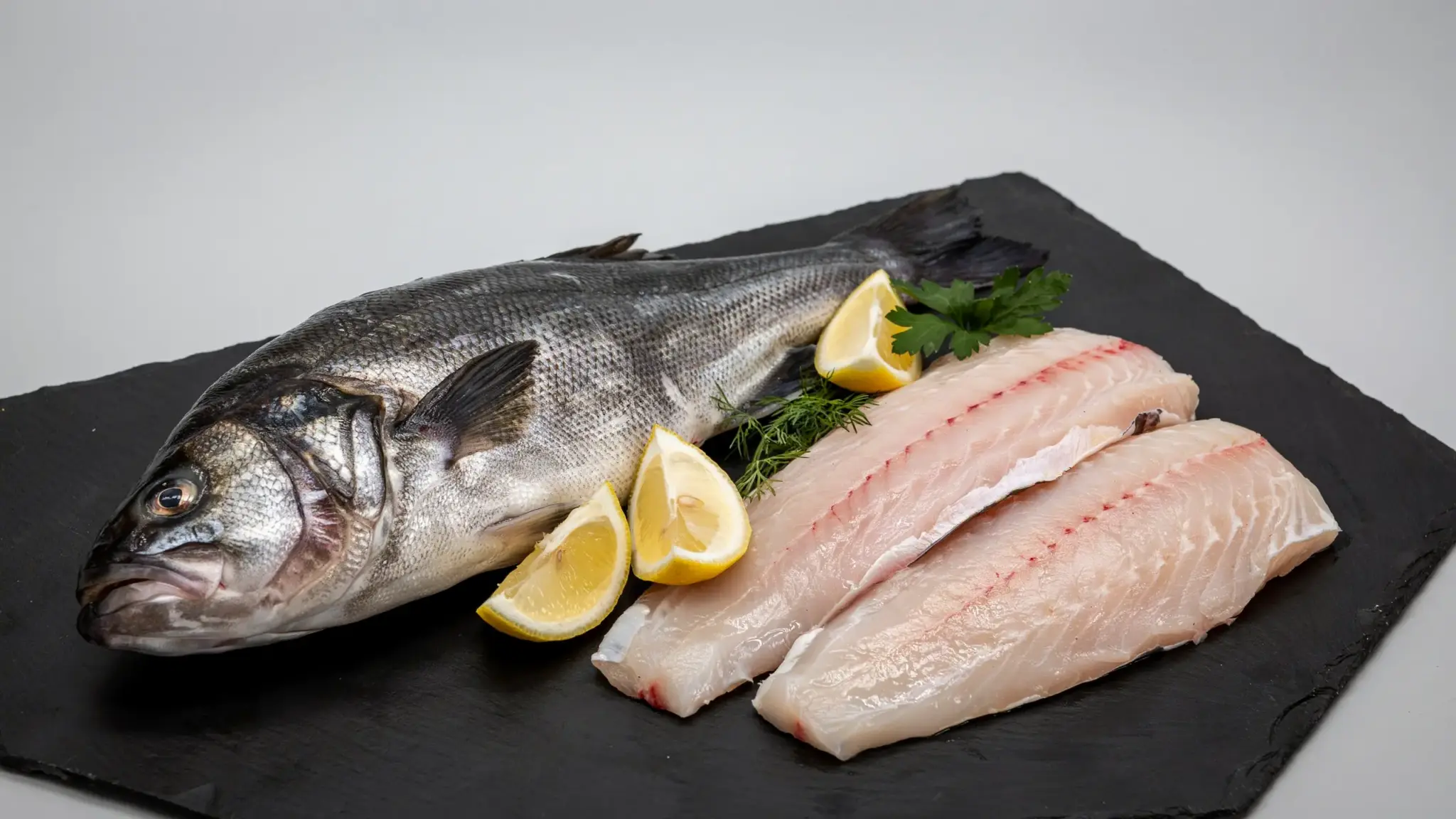
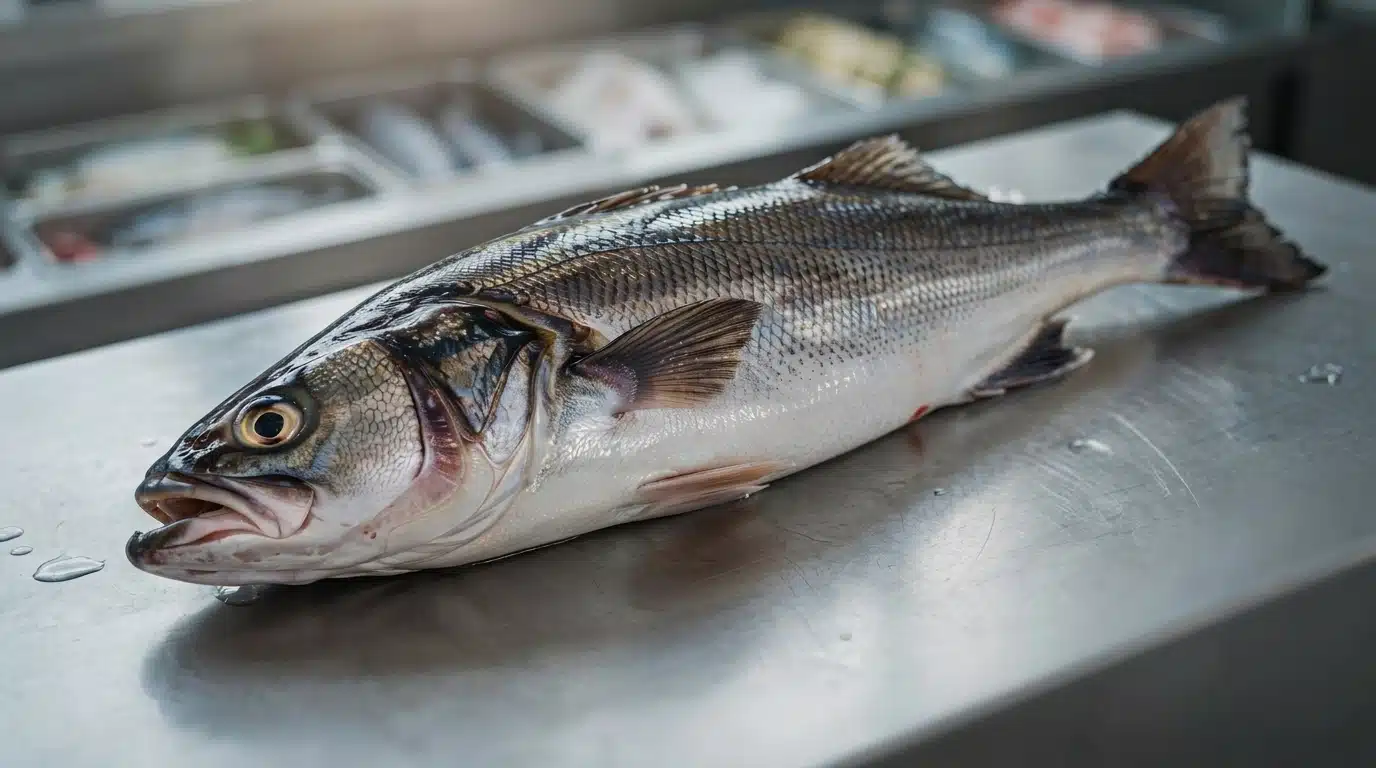
Chilean sea bass is actually the Patagonian toothfish. Its scientific name is Dissostichus eleginoides.
It lives in some of the coldest, deepest waters on the planet, the southern Atlantic, Pacific, and Indian Oceans, at depths ranging from 150 feet all the way down to nearly 13,000 feet.
This is not a small fish. Full-grown adults can reach over 7 feet in length and weigh up to 220 pounds. They can also live up to 50 years, making them among the longest-living fish in the sea.
Most of the fish that end up on your plate, though, weigh somewhere between 15 and 22 pounds at the time they’re caught.
Two species are sold under the Chilean sea bass name in the US and Canada- the Patagonian toothfish and its close relative, the Antarctic toothfish. Both taste similar and are often used interchangeably on menus.
Is it Actually from Chile?
This is where the name gets really misleading. Only a small portion of Chilean sea bass actually comes from Chilean waters.
Most of it is caught far from Chile, in the waters surrounding Antarctica, South Georgia Island, the Falkland Islands, Macquarie Island, and other sub-Antarctic regions.
In the UK, the fish isn’t even called Chilean sea bass. It goes by its proper name, toothfish. In Singapore, it’s marketed as a type of cod.
The “Chilean” part of the name was never meant to be a geographic fact.
It was a marketing choice, and a very deliberate one at that.
The Story of How it Got its Name
Most fish get their names from scientists or fishermen. Chilean sea bass got its name from a salesman. And that single decision changed everything.
Who Invented the Name “Chilean Sea Bass”?
In 1977, an American fish merchant named Lee Lantz was on a trip through South America. He was always on the lookout for new fish he could bring back to the US market.
One day, at a port in Chile, he came across a catch of Patagonian toothfish for the first time.
He tasted it. The flesh was white, buttery, and mild. It wasn’t overpowering or “fishy” the way many deep-sea fish can be. He knew right away that American diners would love it.
But the name was a problem.
“Patagonian toothfish” wasn’t going to sell. It sounded like something you’d want to avoid, not order for dinner. So Lantz did what any good salesman would do: he came up with a better one.
He named it after the country where he first tried it and chose “sea bass” because it sounded familiar and appealing to American ears.
Why the Rebrand Worked So Well
The new name did exactly what Lantz hoped it would. It sounded exotic but not strange. It felt premium without being intimidating.
And it gave restaurants something polished to add to their menus.
The story of Chilean sea bass fits a pattern you see again and again in the seafood world. The slimehead became the orange roughy. The goosefish became the monkfish.
A better name doesn’t just help sales; it completely rewrites how people feel about a food.
The Chilean sea bass was no different. Once the name changed, fine-dining restaurants across the US started adding it to their menus. Demand grew fast, and prices followed.
How Chilean Sea Bass is Different from Other Sea Bass
Walk into any seafood market, and you’ll find fish with “sea bass” in the name sitting right next to each other. They sound related, but put them side by side, and they’re about as different as fish can get.
It’s Not a True Bass at All
Chilean sea bass has no real connection to the sea bass family. The name was picked because it sounded good, not because of any biological link.
Chilean sea bass belongs to the Nototheniidae family, a group of cold-water fish found almost exclusively in the Southern Ocean.
It is, at its core, a cod. The name is familiar, but the biology tells a different story.
In the US, the FDA allows fish to be sold under alternative market names as long as it doesn’t create a safety concern. That’s why “Chilean sea bass” is perfectly legal on a label, even though it isn’t a bass.
Chilean Sea Bass vs. European Sea Bass (Branzino)
Branzino is light, mildly sweet, and delicate. It soaks up whatever flavors you cook it with. Its flakes are small and tender, a fish that lets the seasoning do the talking.
Chilean sea bass is the opposite. It’s thick, rich, and buttery on its own. The flakes are large and meaty. Branzino is subtle, whereas Chilean sea bass is bold.
Chilean Sea Bass vs. Black Sea Bass
Black sea bass is a small fish found along the US Atlantic Coast. It has lean, firm flesh with small flakes, mild and clean-tasting, but nothing like Chilean sea bass in terms of richness or size.
Black sea bass can dry out quickly if overcooked. Chilean sea bass stays moist, forgiving thanks to its high oil content.
In terms of size, a black sea bass typically weighs under two pounds. A Chilean sea bass can weigh over 200 pounds.
Conclusion
If you came here wondering what Chilean sea bass is, the answer goes beyond its name.
It’s actually the Patagonian toothfish, prized for its rich, buttery texture and mild flavor rather than its misleading label.
While it isn’t Chilean and isn’t a true bass, it has earned its reputation as a premium seafood choice.
Just make sure you buy MSC-certified fish, keep the cooking simple, and let its natural flavor shine.
Frequently Asked Questions (FAQs)
1. Is Chilean Sea Bass Healthy to Eat?
Yes, in moderation. It’s high in omega-3 fatty acids, protein, and vitamin D. It does contain some mercury, so eating it occasionally is the sensible approach.
2. Is Frozen Chilean Sea Bass a Good Buy?
Yes. Most frozen options are flash-frozen right after they’re caught, which locks in quality better than fresh fish left on ice for days.
3. Is Chilean Sea Bass Sustainable to Eat Now?
It can be. Look for the MSC blue fish label. Certified fisheries from South Georgia, the Ross Sea, and other managed regions are considered responsibly sourced.