

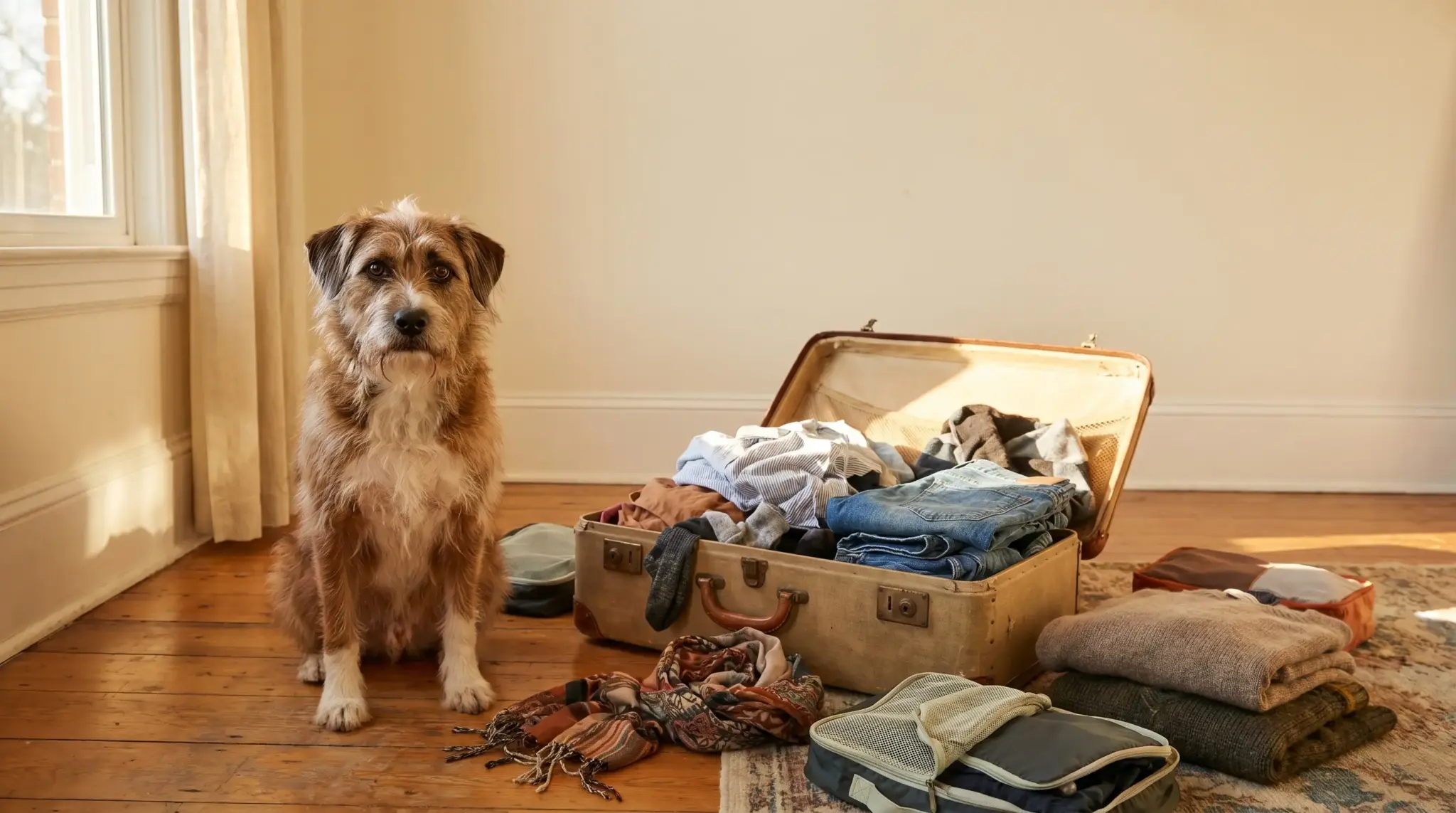
There is a very specific type of panic that only seems to happen about twelve hours before leaving for a trip.
Suitcase half-zipped. Chargers missing. Fridge still full of food that will definitely expire while away. Someone suddenly remembering the passport situation. And then, almost always at the worst possible moment, the exact same thought appears:
Wait. What about the dog?
It honestly amazes me how consistently this happens.
A few months ago, we planned a long weekend trip to Charleston because we had convinced ourselves we desperately needed “a relaxing seafood escape.” Which sounded very sophisticated while booking it and far less sophisticated while sitting on the bedroom floor at midnight trying to remember where the dog’s leash, medication, backup food container, and vaccination paperwork actually were.
For some reason, travel planning always starts with hotels, restaurants, and outfit planning long before pet logistics enter the conversation.
The strange thing is that the dog is usually the family member most affected by the trip.
Humans understand travel. Dogs just suddenly notice that suitcases have appeared, routines feel strange, and everyone is acting suspiciously energetic while forgetting basic things like where they left the treats.
And dogs absolutely know something is happening the moment a suitcase comes out.
Ours becomes emotionally investigative immediately. She follows everyone from room to room like a tiny furry airport security officer trying to determine whether she is included in the operation.
The Charleston trip became especially chaotic because the entire weekend revolved around food. Oyster bars, waterfront restaurants, shrimp boils, crab shacks, late-night seafood spots recommended by locals, all of it.
At one point we had an actual spreadsheet ranking lobster rolls.
Meanwhile the dog situation remained completely unresolved.
I think a lot of people underestimate how complicated pet care becomes during travel until they actually start arranging it properly. It is not only about finding someone willing to feed the dog twice a day. You start thinking about routines, anxiety, exercise, medication schedules, sleep habits, emergency contacts, transportation, personality quirks, and whether your dog is the type who emotionally collapses if dinner arrives seventeen minutes late.
Ours absolutely is.
She once refused breakfast because someone changed her bowl placement by approximately six inches.
And honestly, that is when I realized how much modern pet ownership has changed overall.
People treat pets less like occasional household animals and more like actual family members with routines, preferences, behavioural patterns, emotional attachments, and health needs that need proper management while travelling.
That shift is partly why flexible pet-care services have become so much more important recently.
While trying to organise the Charleston trip without completely losing our minds, we ended up finding YourgiPet, and honestly the biggest relief was how flexible everything felt compared to older pet-care options we had used before.
Instead of feeling locked into one rigid boarding setup, the platform made it much easier to compare different types of care depending on travel length, schedule changes, and the dog’s actual personality. Since they operate across multiple states, it also felt much more practical for people who travel semi-regularly instead of only needing occasional local pet sitting once a year.
That flexibility mattered more than expected because travel plans almost never stay perfectly organised in real life.
Restaurant reservations move. Flights shift. Someone decides to extend the trip by a day because they discovered “the best oysters on the East Coast” thirty minutes before checkout. Life becomes chaotic very quickly.
Traditional boarding arrangements sometimes feel built around perfect schedules that almost nobody actually has anymore.
What also stood out to me was how emotionally different the entire process felt compared to older-style kennels.
I remember boarding environments years ago feeling extremely transactional. Drop the dog off. Hope for the best. Feel mildly guilty during the entire holiday.
Modern pet-care expectations are completely different now.
People want updates. Communication. Flexibility. Different care styles depending on the dog’s temperament. Some dogs are highly social. Others are tiny introverted aristocrats who want silence, blankets, and personal space.
Ours falls somewhere between “needy toddler” and “retired hotel manager.”
She enjoys comfort but judges everyone constantly.
That personality element matters more than many people realize. Dogs are incredibly routine-oriented animals. Even small disruptions can affect eating, sleep, stress levels, and behaviour. Finding care that adapts to the dog instead of forcing every dog into identical routines makes a huge difference during travel.
And honestly, pet guilt during holidays is real.
People joke about it constantly, but many owners spend the first two days of trips checking pet updates more often than restaurant reservations.
I absolutely did this in Charleston.
At one point I was sitting beside a harbour eating crab cakes while simultaneously zooming into dog photos trying to determine whether her expression suggested emotional abandonment or simple tiredness.
The answer was probably neither. She was sleeping. But this is what happens now because pets occupy such emotionally central roles in people’s lives.
That emotional attachment has reshaped the entire pet-care industry over the last several years. Services are designed around reassurance, customization, communication, and convenience because modern owners expect much more involved care experiences overall.
The rise of remote work also changed things significantly.
A lot of dogs became used to humans being home constantly during the last several years. That means travel separation sometimes feels more noticeable now both for pets and owners. Many animals developed extremely attached daily routines around people being present throughout the day.
Which makes suddenly disappearing for a long weekend feel surprisingly dramatic.
Another thing people rarely anticipate is how much physical stuff dogs require during travel preparation.
Food containers. Emergency contacts. Favourite toys. Medication instructions. Anxiety supplements. Harnesses. Backup harnesses because someone forgot the first harness. Treat bags. Bedding. Special shampoo because apparently the dog now has sensitive skin.
There is always one moment during travel preparation where the dog somehow appears more packed than the humans.
Meanwhile the humans are throwing socks into suitcases five minutes before leaving for the airport.
Charleston Turned Into a Full Seafood Weekend
The Charleston trip itself ended up becoming one long seafood itinerary almost immediately.
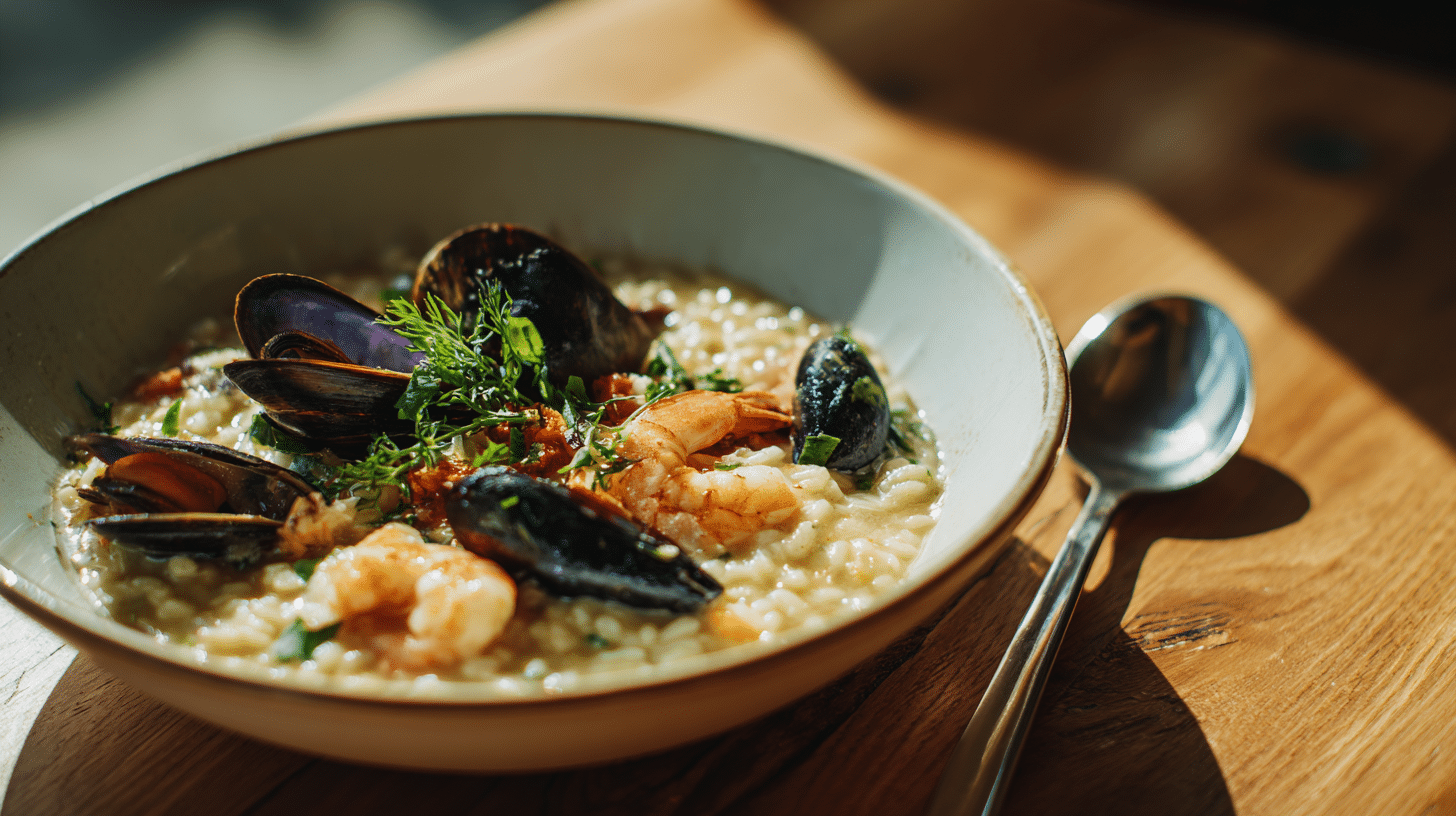
The original plan was supposedly “a relaxing coastal weekend,” but within about three hours of arriving, the trip had quietly transformed into a competitive eating schedule centred entirely around oysters, shrimp, lobster rolls, crab cakes, and whatever local seafood recommendation appeared next on Google Maps.
Charleston honestly makes this very easy to do.
Every second person seems to have a passionate opinion about where the best oysters are, which restaurant has the freshest shrimp, or whether tourists are being completely misled about crab soup rankings.
The city feels built around long dinners and waterfront wandering afterward.
The First Night Became an Oyster Marathon
The first evening started around the historic waterfront area near 167 Raw, which apparently everybody recommends for lobster rolls and oysters for a reason.
The wait was long. Nobody cared.
At that point the entire trip energy had already shifted into “we are absolutely eating our way through Charleston properly.”
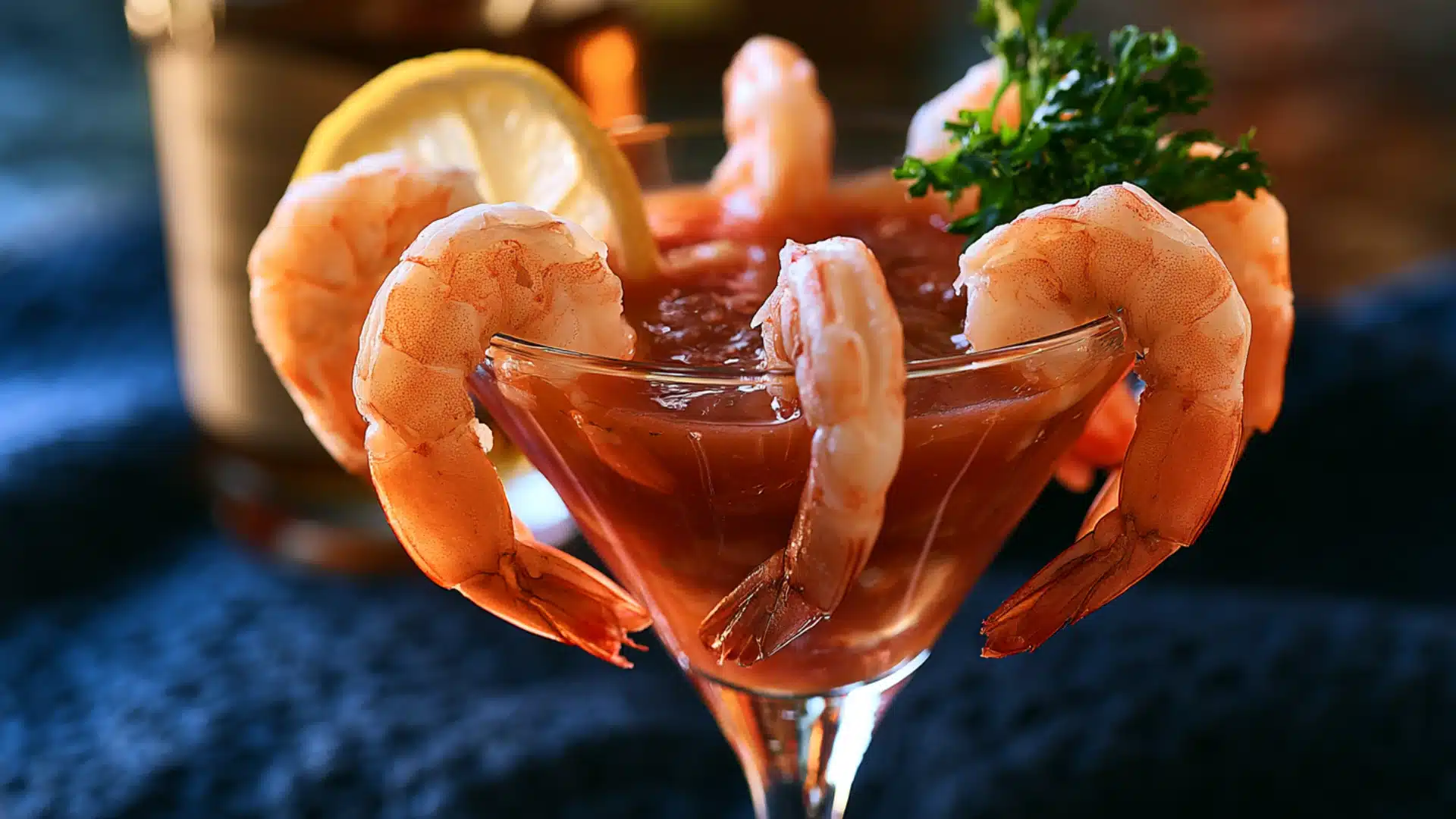
There were oysters covered in hot sauce, lobster rolls dripping with butter, piles of shrimp, cold wine, and one very serious discussion about whether East Coast oysters are objectively superior to West Coast oysters.
Nobody at the table actually had the expertise required for that debate, but confidence levels remained extremely high anyway.
After dinner we wandered through the historic streets near the waterfront holding plastic cups of wine like people pretending to understand architecture.
Charleston at night somehow feels both elegant and slightly chaotic at the same time.
Horse carriages pass beside cocktail bars. Historic buildings sit next to loud seafood restaurants packed with tourists ordering espresso martinis and oysters simultaneously.
Shem Creek Felt Like a Completely Different World
The next day ended up revolving around Shem Creek after several locals insisted it was essential for seafood.
And honestly, they were correct.
The whole area feels designed for long, slow afternoons where nobody is checking the time properly anymore.
Restaurants sit directly beside the water while boats move constantly through the marina. Pelicans stand around staring aggressively at tourists holding shrimp baskets. Everyone somehow appears permanently relaxed.
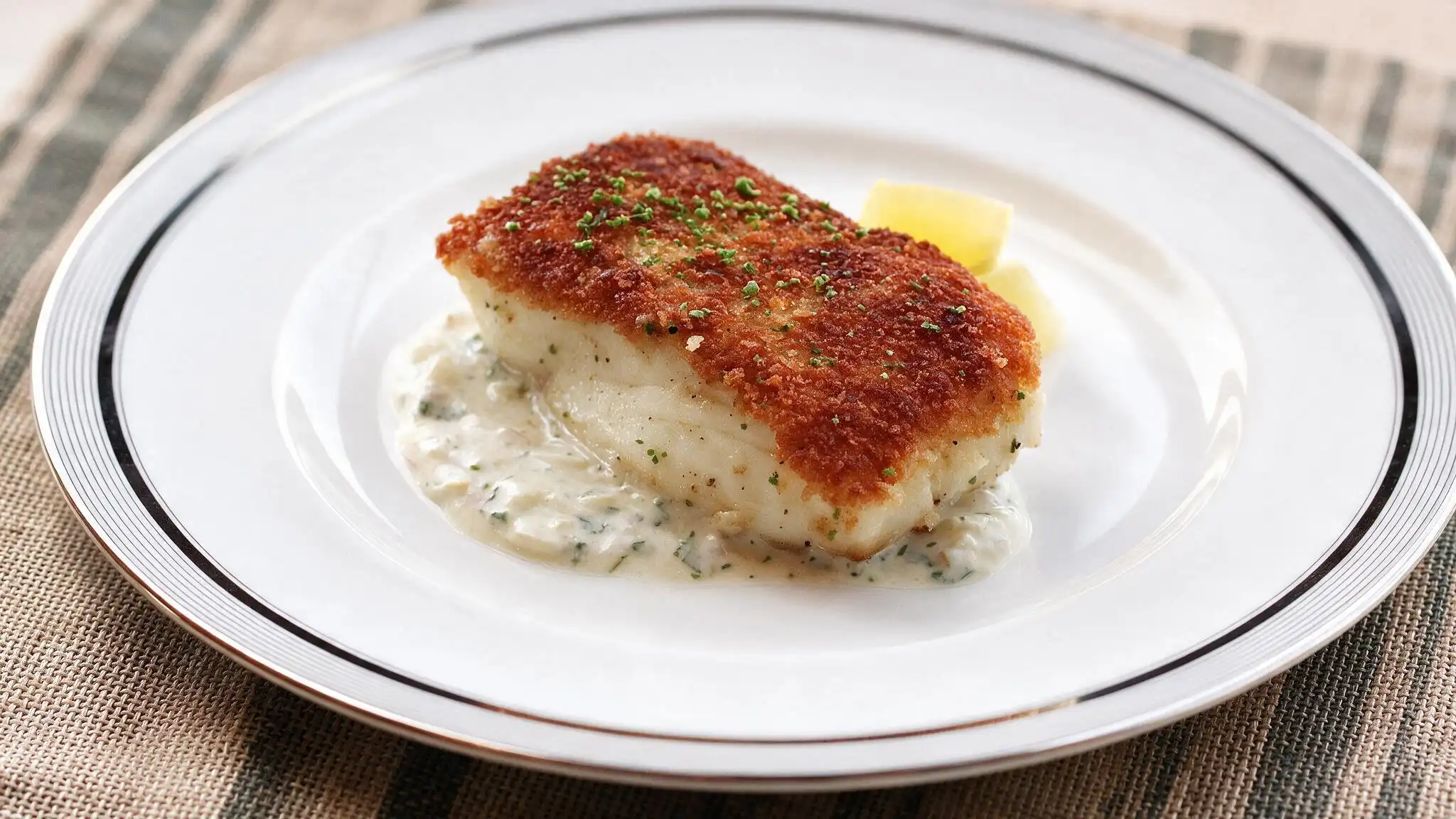
Lunch turned into crab cakes, fried seafood platters, grilled fish tacos, and several glasses of white wine that became progressively larger throughout the afternoon.
At one stage an entire table argument developed over butter-based versus mayo-based lobster rolls again.
This somehow became the recurring theme of the trip.
The Wine Situation Escalated Very Quickly
One thing nobody mentions enough about seafood weekends is how quickly wine consumption quietly escalates.
Seafood dinners somehow create the illusion that ordering “just one more bottle” is part of the cultural experience.
Charleston is extremely good at encouraging this behaviour.
Places like The Ordinary and Fleet Landing Restaurant & Bar make long seafood dinners feel less like restaurant visits and more like full evening events.
There is always another oyster option to try.
Another local fish special. Another bottle recommendation. Another dessert nobody planned to order!
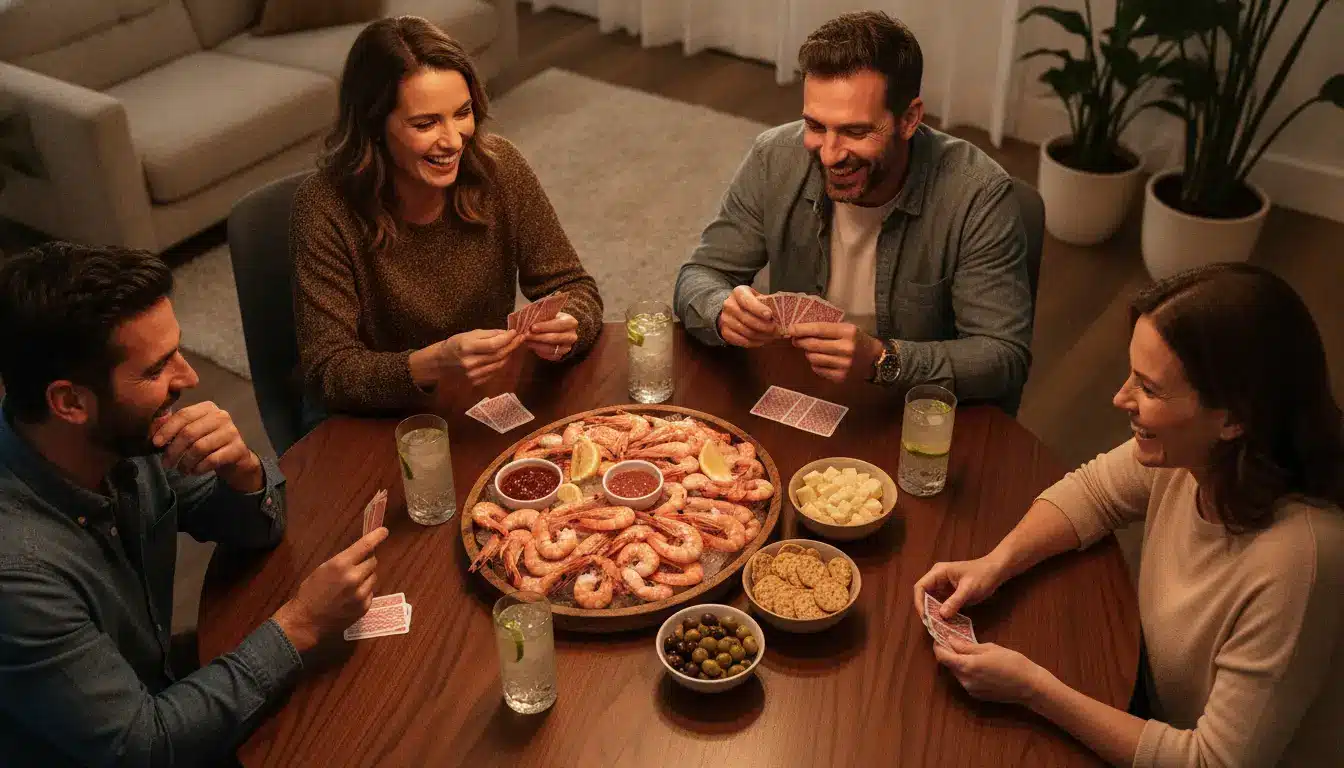
At some point during the second night, there was a genuinely passionate conversation about whether seafood towers are practical meals or simply edible architecture.
No final conclusion was reached.
The Trip Only Worked Because the Dog Situation Felt Handled
But honestly, one reason the trip actually felt relaxing was because the dog situation no longer felt stressful in the background.
That mental relief matters more than people expect.
Once pet care feels genuinely organised, the entire trip changes emotionally. You stop constantly checking the clock, worrying about pickup timing, or wondering whether the dog is anxious, uncomfortable, or confused somewhere unfamiliar.
Instead, there is actual mental space to enjoy the trip itself.
That became especially obvious during the quieter moments of the weekend, sitting beside the harbour after dinner, wandering through Charleston’s historic streets late at night, or spending hours at seafood restaurants without mentally calculating whether somebody needed to rush back home early.
Flexible Pet Care Changes Travel Completely
And honestly, that is probably why flexible pet-care services are becoming so important overall.
Modern travel is far less predictable than it used to be. People move more often, work remotely, extend trips spontaneously, and build schedules that change constantly halfway through travelling.
Pet care now has to function within that reality too. Because no matter how organised people think they are before travelling, there will almost always be a moment halfway through packing where somebody suddenly looks up and says:
“Wait. Did anyone figure out the dog situation?”