

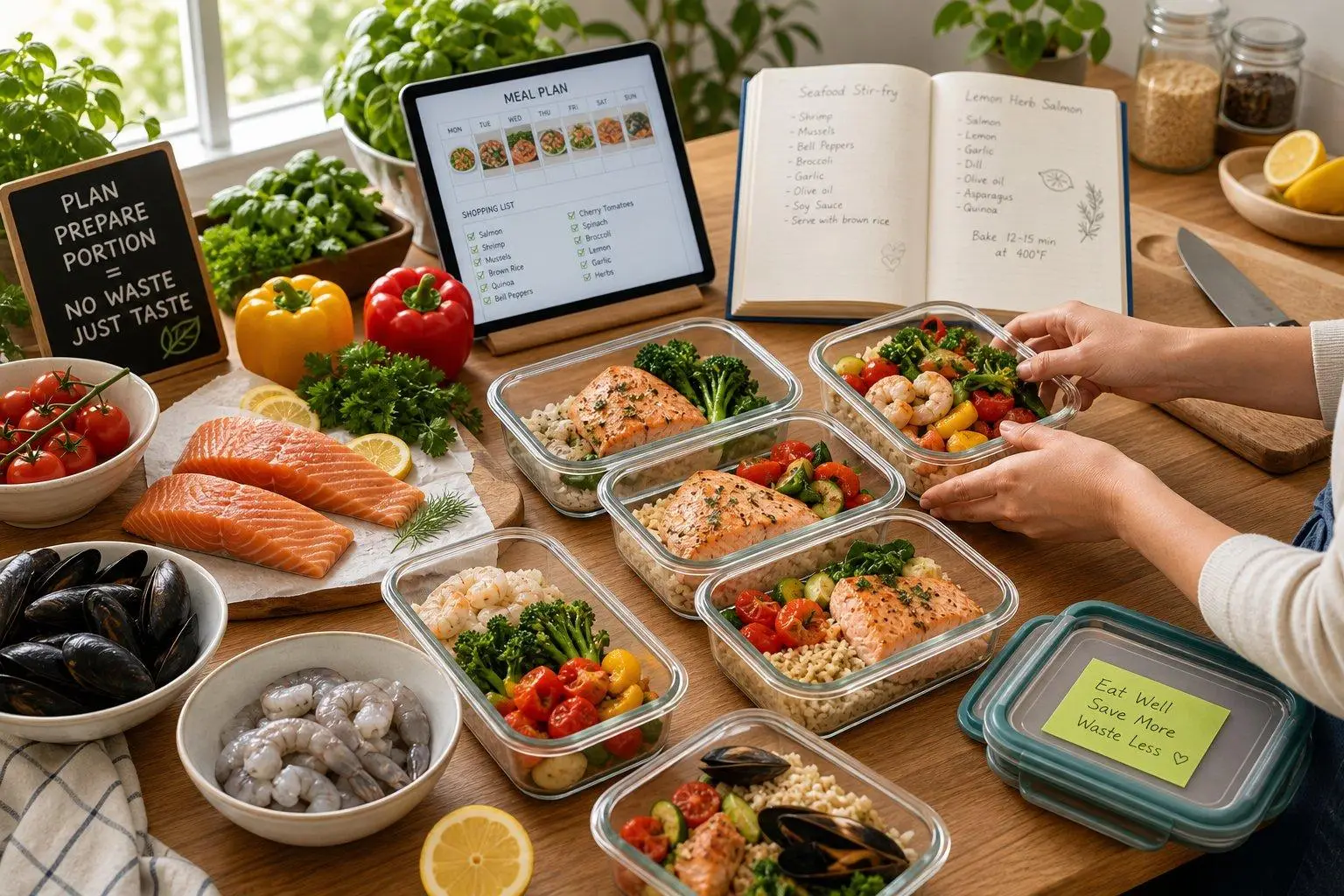
Seafood is one of those ingredients we buy with good intentions, then quietly forget until it becomes a problem. A fillet of salmon, a bag of shrimp, or a tray of fresh fish can turn into waste fast when the week gets busy and dinner plans shift.
The issue is not seafood itself. The problem is usually a missing plan. Seafood needs a little more attention than pantry staples or longer lasting proteins because timing, portions, storage, and leftovers all matter.
The good news is that seafood meal planning does not need to feel strict or complicated. With a few simple habits, you can buy what you need, cook it on time, store it properly, and use leftovers before they become fridge clutter. Here is how to build a realistic seafood routine that saves money, reduces waste, and makes weeknight meals easier.
Why Seafood Meal Planning Matters More Than Regular Meal Planning
Most of us buy seafood because we picture a fresh, satisfying dinner. Then the week happens. Work runs late, kids have activities, takeout sounds easier, and that fish you meant to cook gets pushed to tomorrow.
Seafood needs a different plan because fresh fish has a shorter refrigerator window than many other proteins. In most cases, fresh fish should be cooked within 1 to 2 days. That means seafood works best when you know exactly when you will use it before it comes home.
The cost also makes waste feel worse. Throwing away a package of salmon or fresh shrimp stings more than tossing a few tired vegetables. You lose the money, the meal, and the effort you spent shopping for it.
Planning before you shop changes the whole process. Instead of buying seafood and hoping it fits somewhere into the week, choose the meal, the night, the portion size, and the storage plan first. That small shift keeps seafood from becoming a last minute guessing game.
This is not about being perfect. It is about respecting an ingredient that needs quick action and making sure it actually turns into dinner.
Start With the Meals You Will Actually Cook
The best seafood meal plan is the one that fits your real week. If Tuesday is packed with errands and Thursday has a late work call, those are probably not the best nights for fresh fish that needs attention.
Plan fresh seafood for the nights when cooking is realistic. Fresh salmon, trout, cod, or white fish works well early in the week when you can use it quickly. Frozen shrimp, scallops, or cod can stay in the freezer until you need a flexible backup.
It also helps to keep pantry seafood on hand. Canned tuna, salmon, sardines, or mackerel are easy options when the original dinner plan falls apart. They can turn into salads, sandwiches, rice bowls, pasta, or toast without much effort.
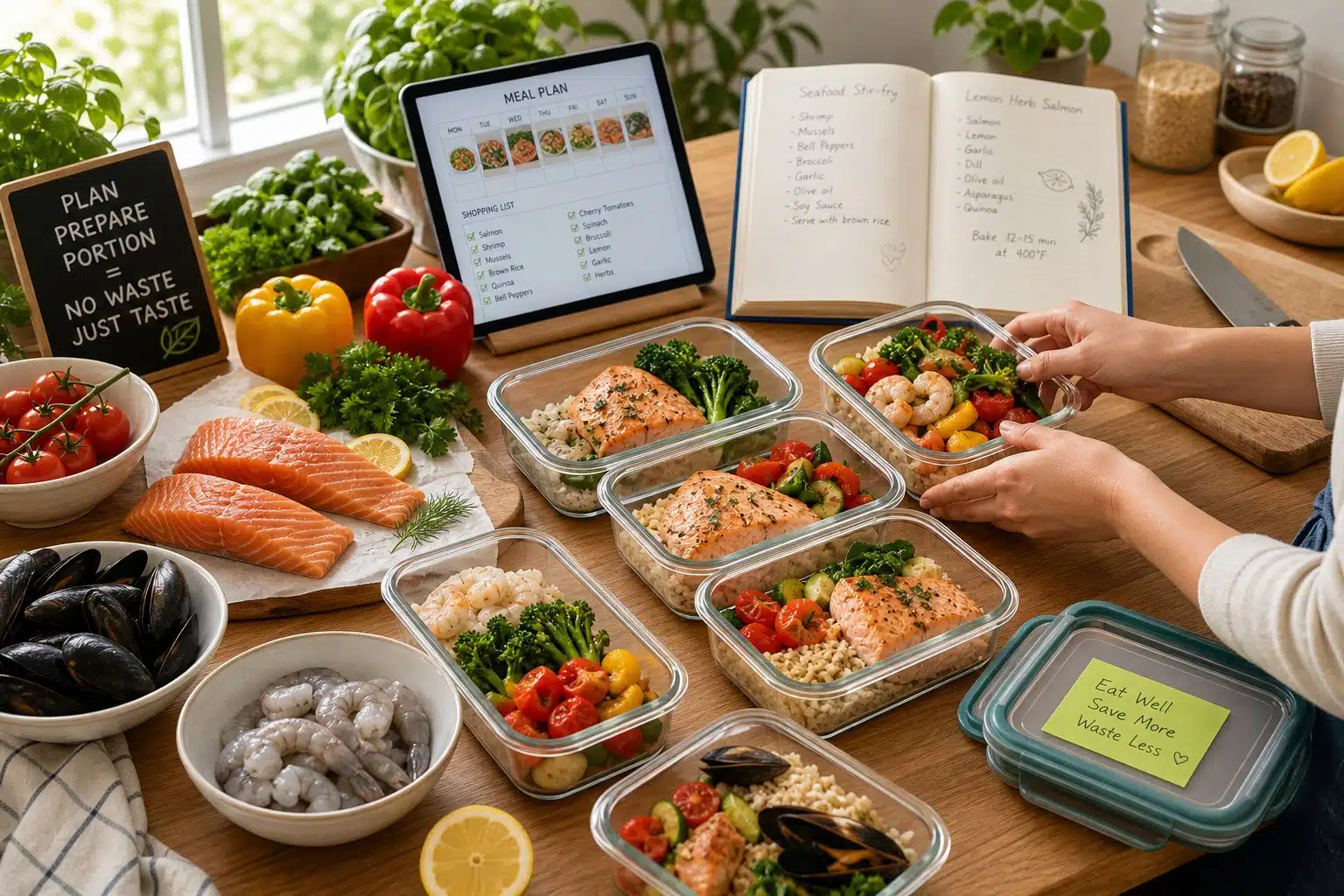
A simple weekly plan might look like this:
- Monday: Fresh white fish with roasted vegetables
- Wednesday: Frozen shrimp with pasta or stir fry
- Friday: Canned tuna salad, salmon toast, or seafood rice bowl
This gives seafood a regular place in your routine without forcing you to cook fresh fish every night. Fresh gets used first, frozen stays flexible, and pantry options cover the unpredictable days.
Buy Seafood in Portions That Match Your Household
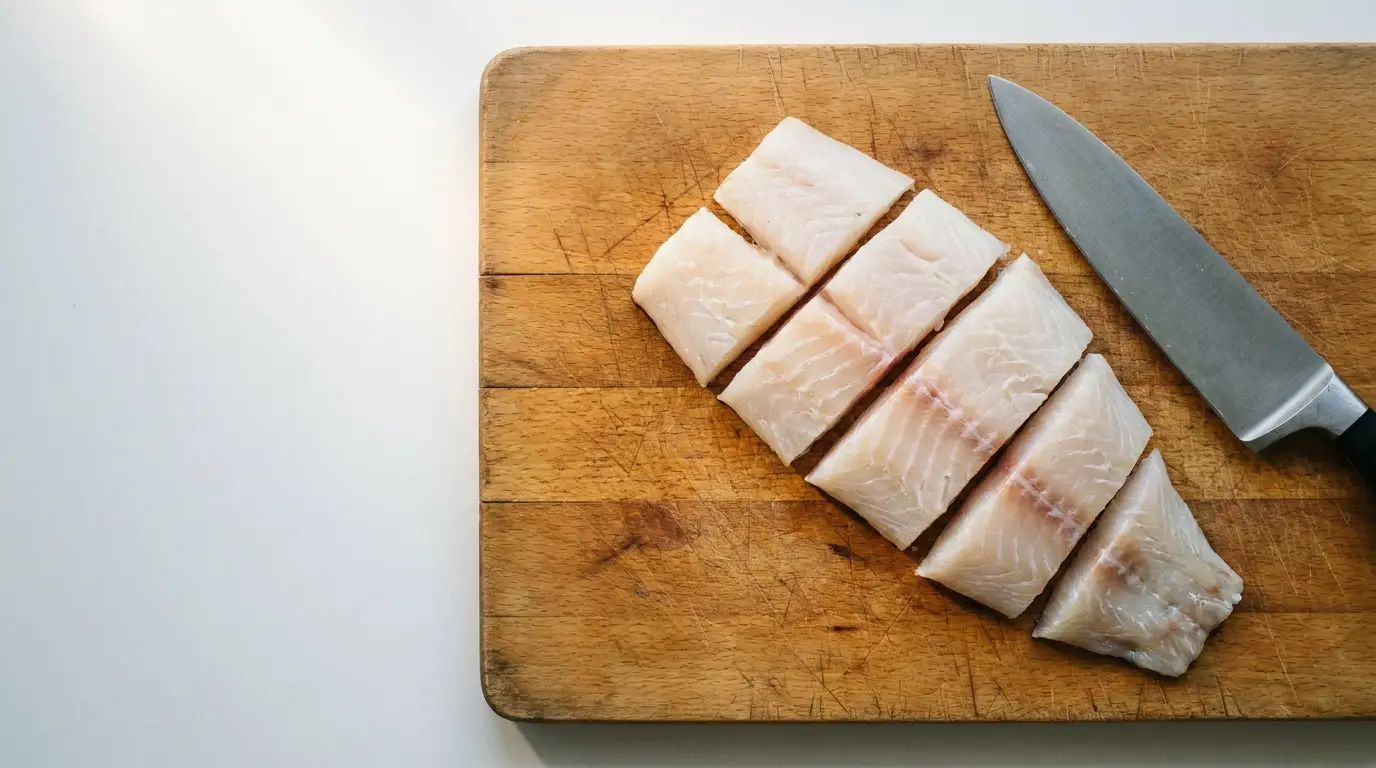
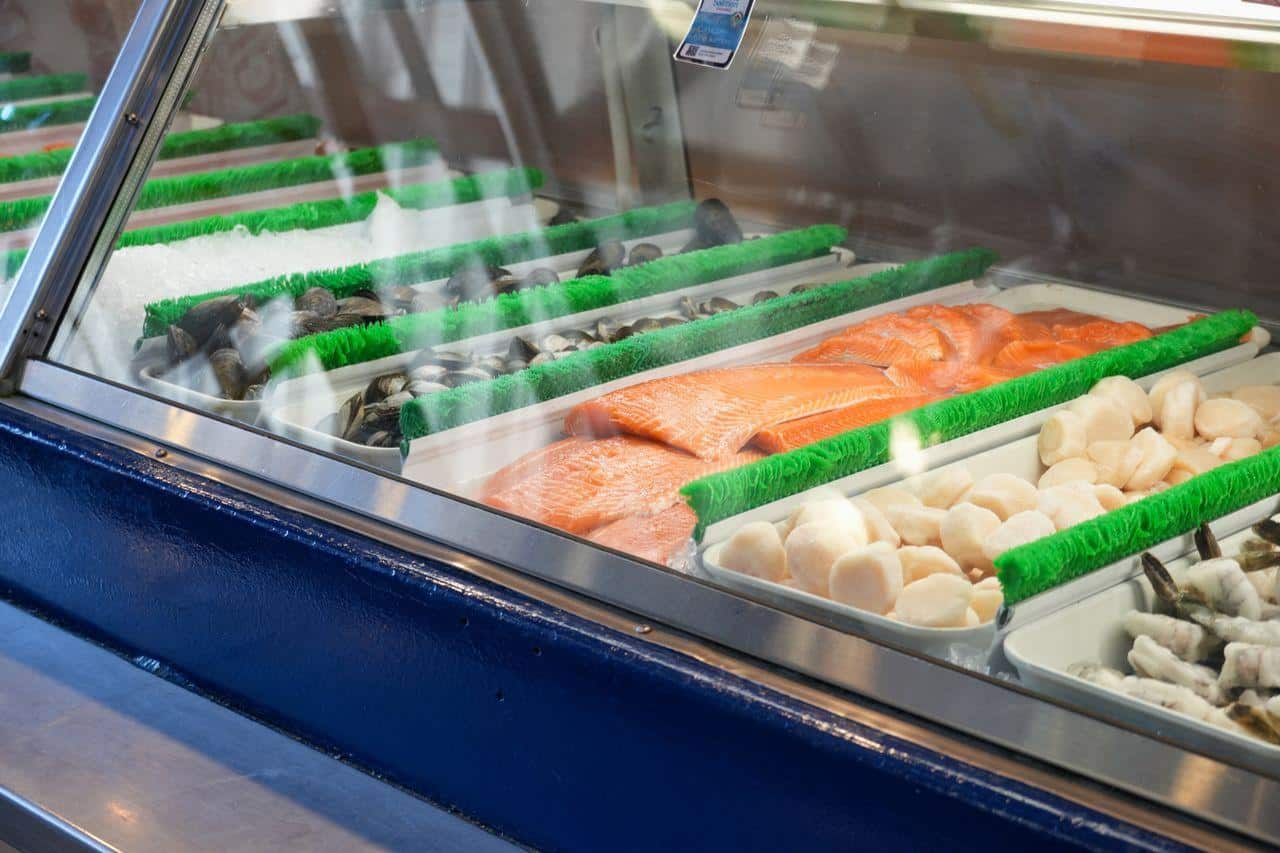
A lot of seafood waste starts at the store. A family pack looks like a good deal, or a large fillet looks too fresh to pass up, so it goes into the cart without a clear plan.
Before buying, think in portions. One adult usually needs about 5 to 6 ounces of fish for dinner. Children often need closer to 3 to 4 ounces. Lunch portions can be smaller, especially if seafood is going into a salad, bowl, wrap, or pasta.
For a household of two, a large fillet may be too much unless you already know how the leftovers will be used. For a family, it helps to break the amount down by meal instead of buying based on what looks good in the display case.
If you buy in bulk, divide seafood as soon as you get home. Create dinner portions, lunch portions, and freezer portions before everything gets packed away. Label each package with the seafood type and date so you are not guessing later.
Portioning makes cooking easier too. You thaw only what you need, cook the right amount, and avoid dealing with extra seafood that has no clear purpose.
Create a Fridge and Freezer System Before You Need One
Seafood storage works best when the system is ready before you bring anything home. When fresh fish gets tossed wherever there is space, it can get buried behind condiments, leftovers, or produce. That is how good seafood gets forgotten.
Keep fresh seafood in the coldest part of the refrigerator, usually near the back of the bottom shelf. Make sure it stays visible so you remember to cook it within a day or two.
For frozen seafood, label every package. Write the date and type of seafood clearly on the bag or container. This takes a few seconds but saves you from wondering whether that frozen fillet is from last week or three months ago.
Divide frozen seafood into meal size portions before storing it. If you freeze one large bag of shrimp together, you may end up thawing the whole thing when you only need enough for one dinner. Smaller portions are easier to use and less likely to go to waste.
Once seafood or cooked proteins are divided into practical portions, a vacuum sealer for everyday use can help reduce air exposure, keep freezer bags organized, and make it easier to grab only what you need.
Use a first in, first out system. Put newer seafood behind older packages and move older items forward. This helps you use what you already have before opening something new.
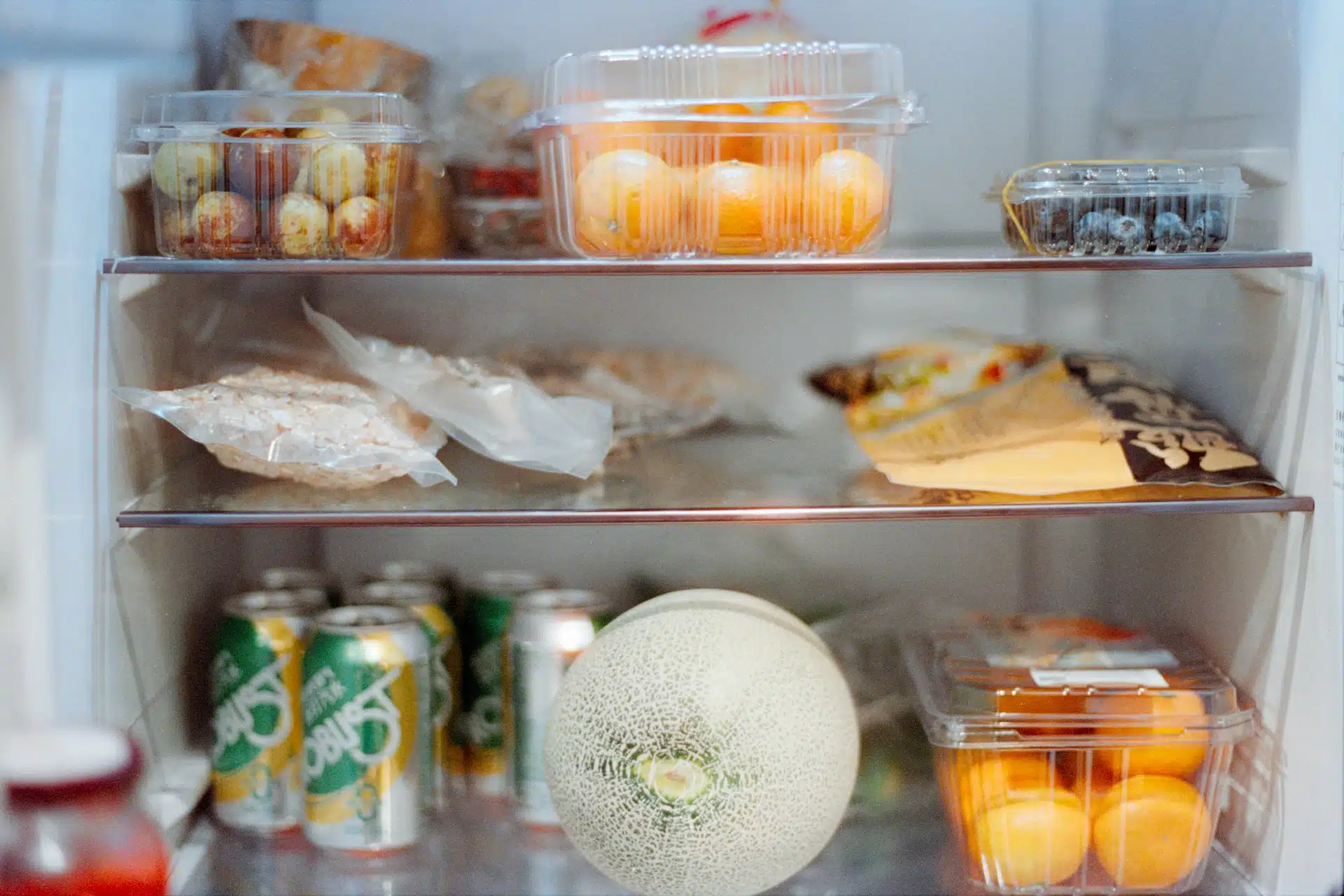
Store cooked leftovers in clear containers and keep them near the front of the fridge. If you can see them, you are more likely to use them. If they disappear behind other containers, they are much easier to forget.
Plan Leftovers Before You Cook the First Meal
Leftover seafood should not be treated like a mystery container. If you wait until later to figure out what to do with it, there is a good chance it will sit in the fridge until it no longer feels appealing.
A better approach is to plan the second meal before cooking the first one. That way, leftovers become part of the plan instead of an afterthought.
Here are a few easy ways to reuse cooked seafood:
- Extra grilled salmon can become a grain bowl with vegetables and sauce
- Cooked shrimp can turn into tacos, fried rice, pasta salad, or stir fry
- Flaked white fish can go into wraps, scrambled eggs, or simple fish cakes
- Seafood boil leftovers can become lunch when stored properly
If you know salmon will become lunch the next day, you may keep the sauce on the side or season it in a way that works for both meals. If you roast shrimp for dinner, you can make just enough extra for tomorrow’s rice bowl.
The goal is not complicated meal prep. You are simply giving leftovers a job before they enter the fridge.
Cooked seafood should be stored in sealed containers and used within a safe window. Planning ahead gives you a better chance of using it while it still tastes fresh.
Common Mistakes That Lead to Seafood Waste
Most seafood waste comes from small planning mistakes, not carelessness. The most common one is buying seafood without checking the week ahead. If you do not know when you will cook it, fresh seafood can become stressful fast.
Another mistake is freezing everything in one large package. When seafood is frozen together, you often have to thaw more than you need. Dividing it into smaller portions solves that problem before it starts.
Forgetting to label frozen seafood is another easy trap. A frozen fillet from last week can look exactly like one from several months ago. Add the date and seafood type to every package so you know what to use first.
Leftovers can also become waste when they get pushed to the back of the fridge. Clear containers help, but placement matters too. Keep seafood leftovers near the front so they stay visible.
Thawing too much at once can also create waste. Once seafood is thawed, it should be cooked soon. Only thaw what you plan to use for that meal.
Another common issue is waiting too long to decide how to cook fresh seafood. Fresh fish needs a plan quickly. If you are not sure when you will cook it, frozen seafood may be the better choice.
What Realistic Seafood Meal Planning Looks Like
A good seafood plan does not mean filling every day of the calendar or cooking fresh fish all week. It means every seafood purchase has a purpose.
Some weeks, that might mean cooking salmon the same day you buy it. Other weeks, it might mean using frozen shrimp for a quick pasta dinner or opening canned tuna for lunch. All of those count as successful seafood planning.
Realistic seafood meal planning looks like this:
- You know which seafood needs to be cooked first
- You buy portions that match your household
- You freeze extras before they sit too long
- You label packages clearly
- You plan at least one way to use leftovers
- You keep seafood visible in the fridge and freezer
This kind of routine keeps seafood flexible without letting it become forgotten food. You are not trying to run your kitchen like a restaurant. You are just making it easier to use what you already paid for.
The real win is opening your fridge or freezer and knowing exactly what is there, what needs to be used, and what can wait.
A Better Seafood Routine Starts Before Dinner
Seafood usually goes to waste because there was no plan before it reached the fridge. When you match meals to your real schedule, buy the right portions, and store seafood where you can see it, everything becomes easier.
You do not need to overhaul your whole kitchen routine. Start with one or two changes. Plan fresh seafood for the day you buy it. Freeze extras in smaller portions. Label bags before they go into the freezer. Decide what leftovers will become before dinner is over.
Small habits make seafood feel less risky and more useful. You get the meals you wanted, spend less money on food that never gets cooked, and avoid the unpleasant surprise of forgotten fish sitting too long.
Seafood meal planning is not about perfection. It is about making sure the fish, shrimp, or canned seafood you bring home actually gets eaten and enjoyed.