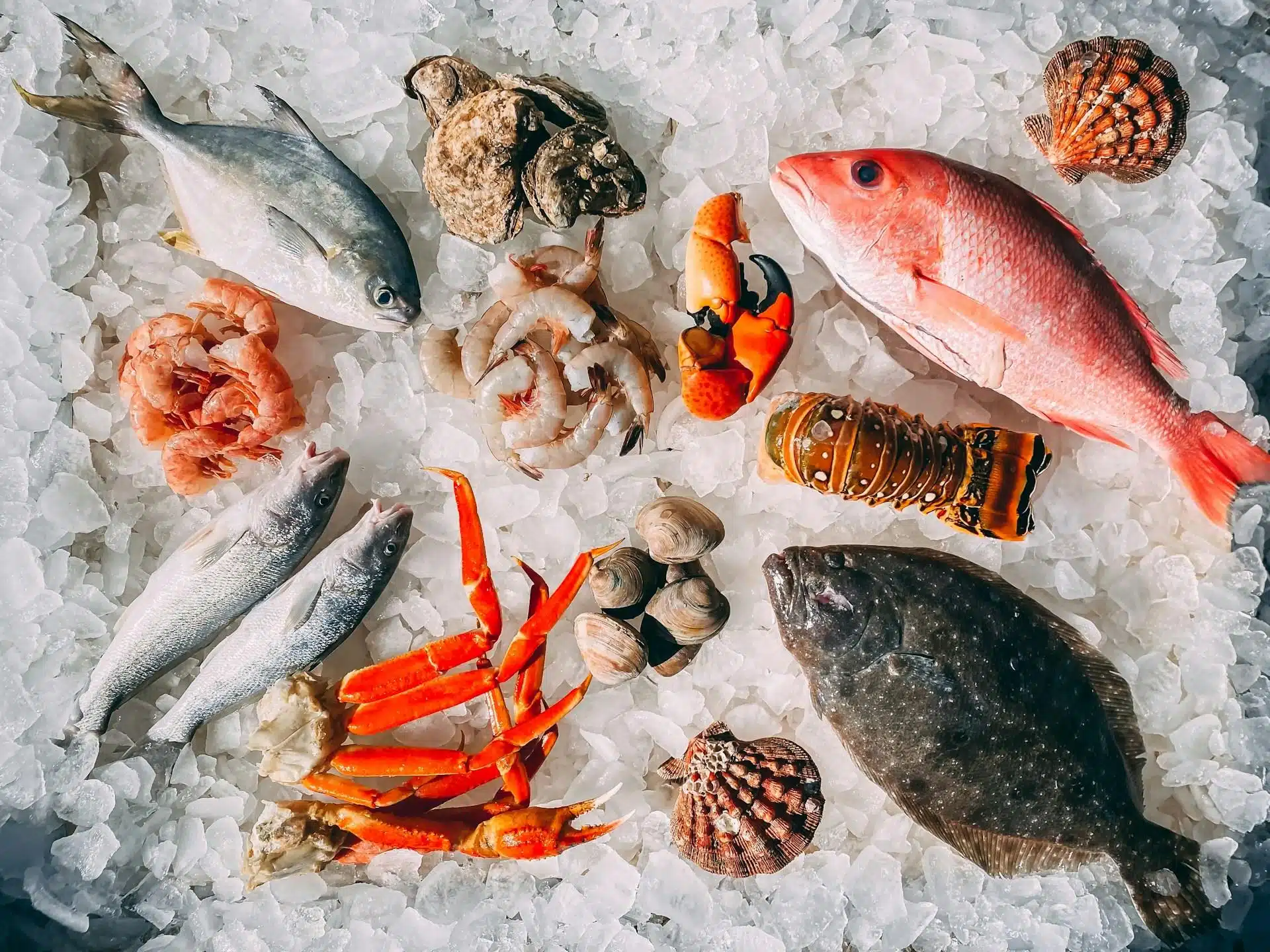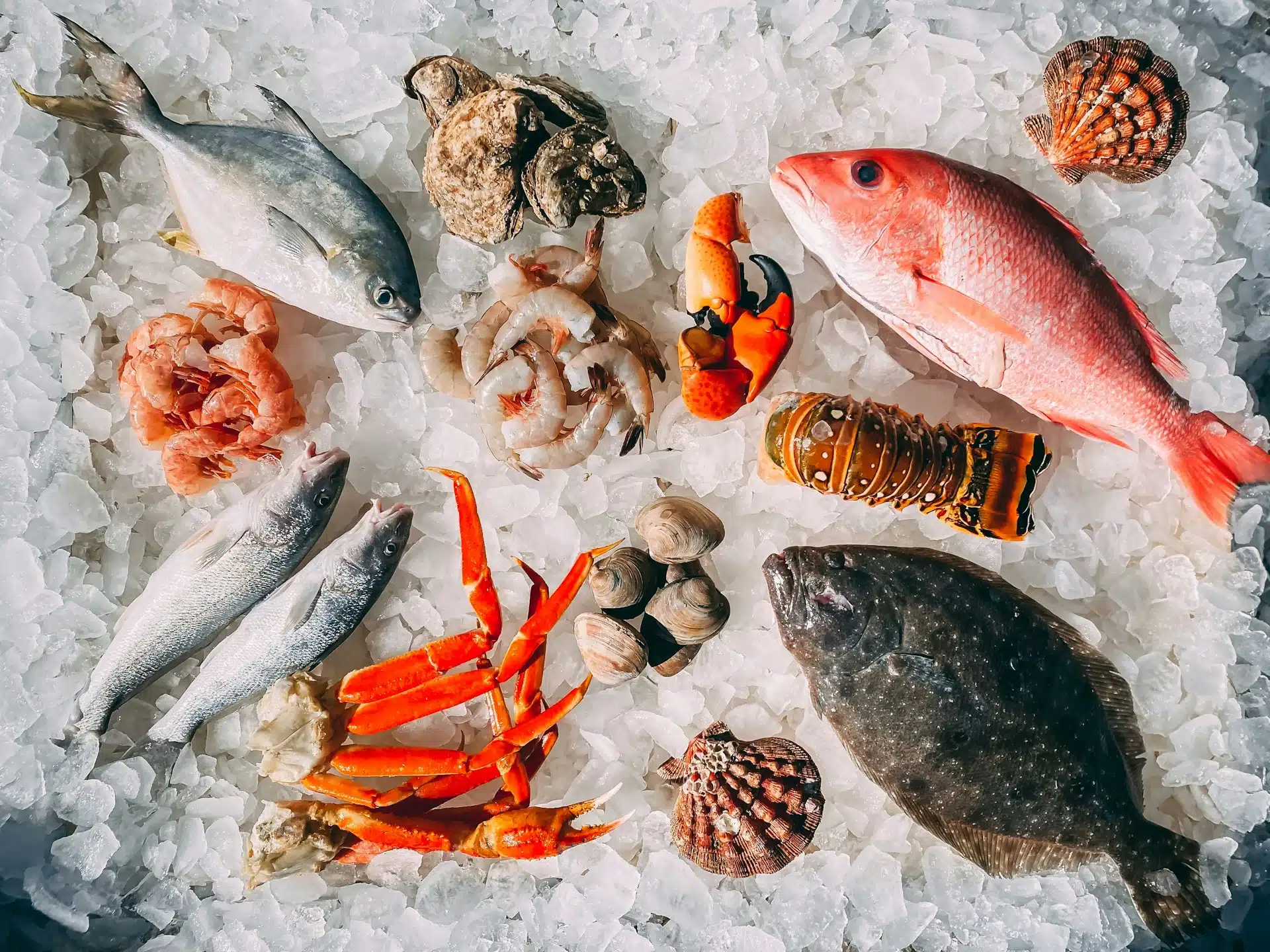


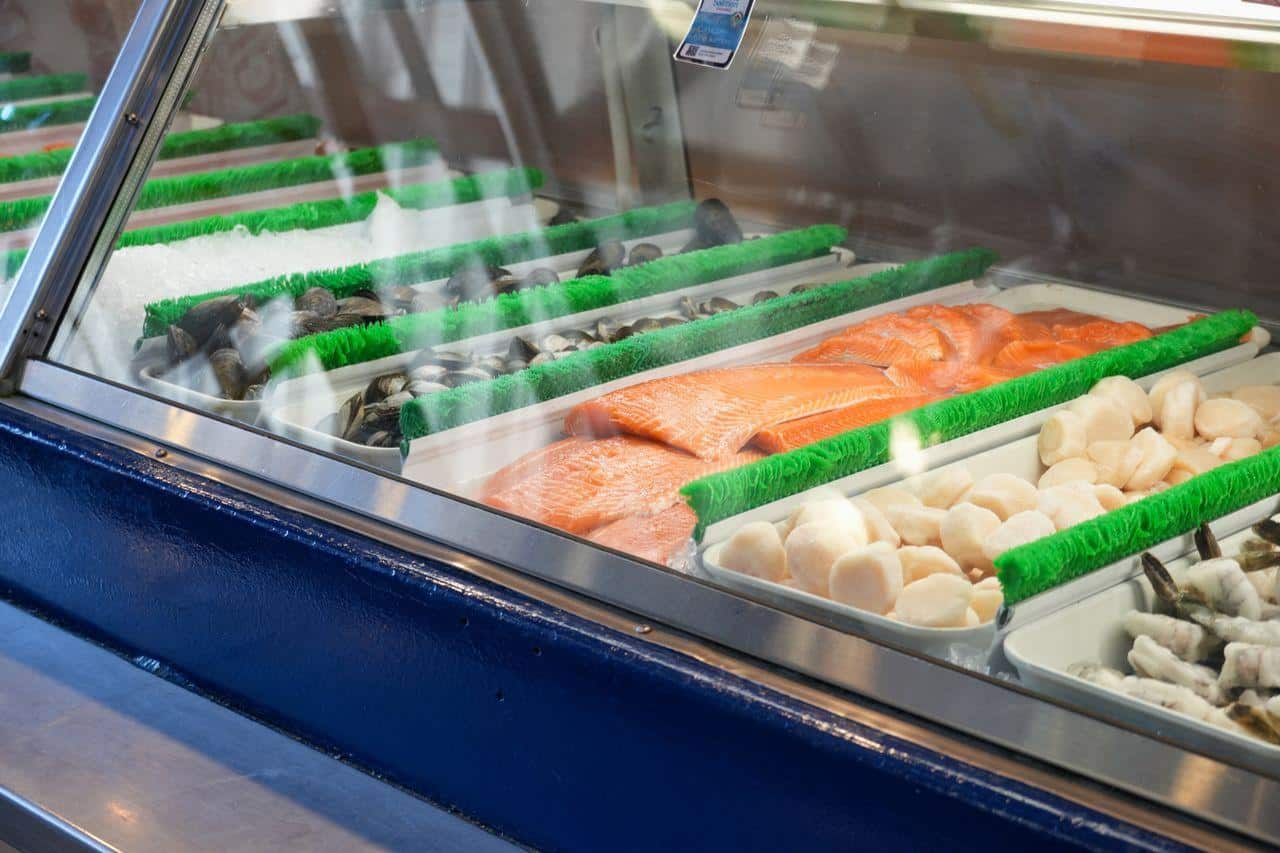
Seafood Cold Chain is the process during which a fish moves from water to the shop floor within controlled temperatures. Fresh fish is one of the foods that perish easily. Ever thought of how that gorgeous snapper turns out a little bland upon arrival in the store?
Quality degradation happens way before shoppers decide to put the item in their carts. This is what we are going to explore.
Why the Cold Chain Matters for Seafood Quality
In other words, the cold chain refers to logistics that ensure the preservation of products in terms of maintaining optimal temperature. For perishable seafood, temperature plays a crucial role as it determines the bacteria development speed, the degree of spoilage, and overall shelf life.
Since seafood is much more sensitive than roots or beef meat, there is a need to monitor its temperature strictly according to specific standards. As indicated in the handling advice published by the NOAA, proper chilling can help avoid the fast spoilage of seafood products.
Additionally, FSANZ provides cold food storage requirements for the same purpose of avoiding possible problems. The growth rate of bacteria increases dramatically when the temperature becomes high. In turn, it impacts negatively on the condition and quality of the seafood.
Temperature Fluctuations During Transport
The transit period from a fishing vessel or processing plant to a distribution center is fraught with risk. Loading and unloading are particularly vulnerable stages. A pallet of fresh prawns sitting on a warm loading dock for just twenty minutes can suffer a massive drop in shelf life. Repeated temperature changes cause the most damage, as the product warms and cools multiple times before it even reaches a retailer.
The Impact of Poor Temperature Recovery
This brings us to temperature recovery. This term refers to how fast a system can bring the internal environment back to a safe chilling point. Refrigeration systems absolutely must return products to a safe temperature rapidly after doors are opened or stock is moved. If a truck or holding room struggles to recover, the seafood sits in the danger zone for far too long.
Improper Storage at Distribution and Retail Facilities
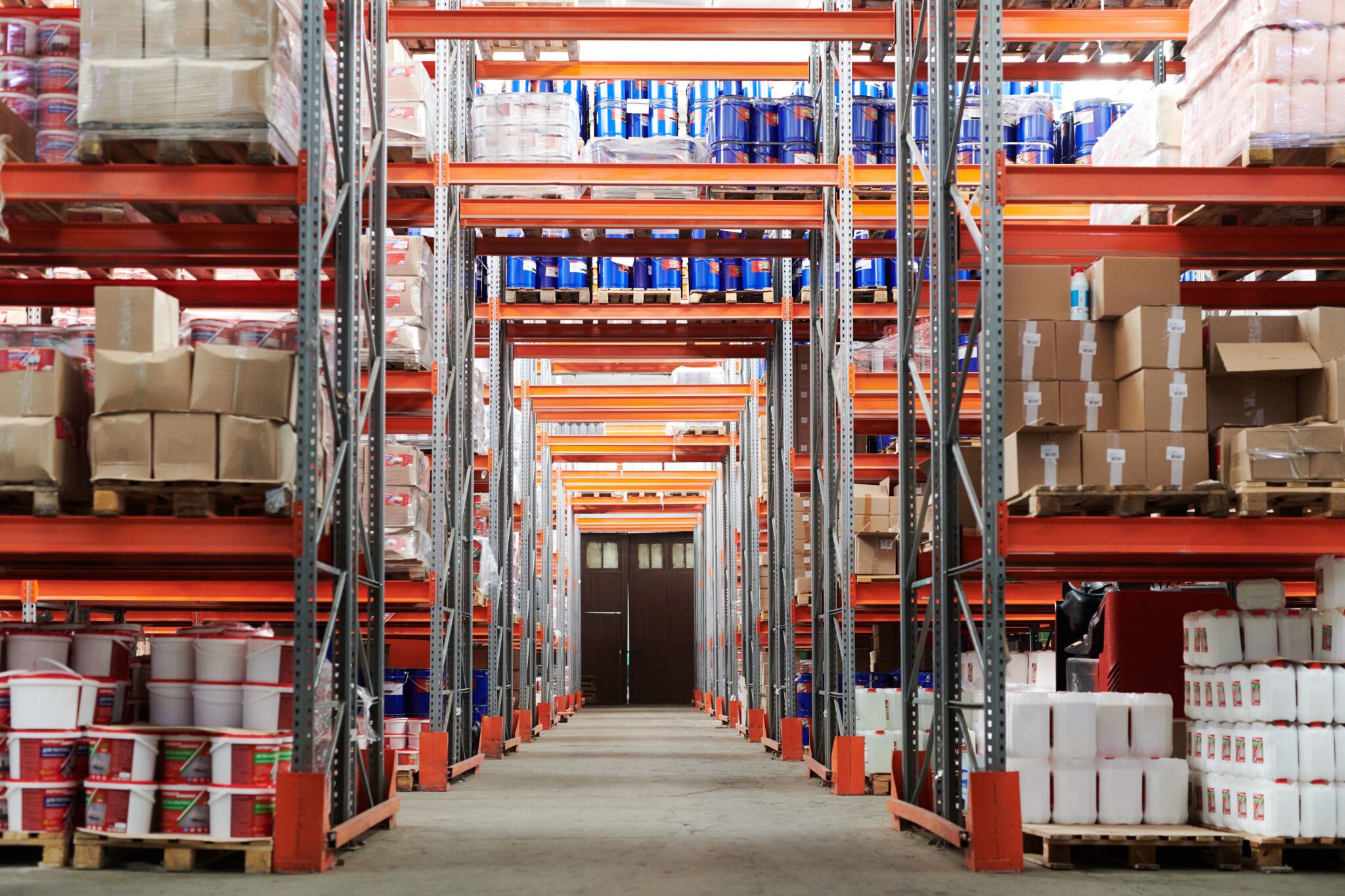
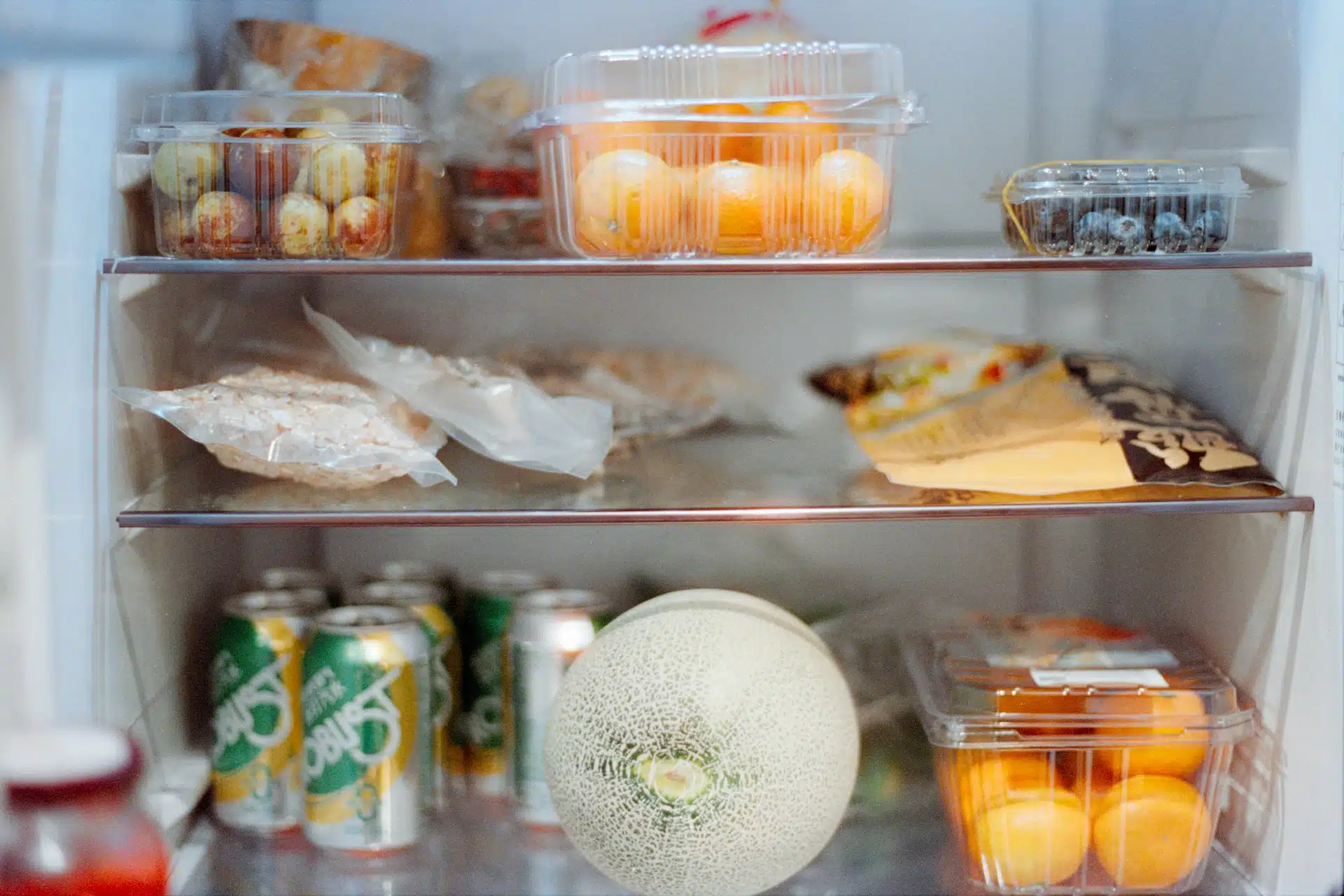
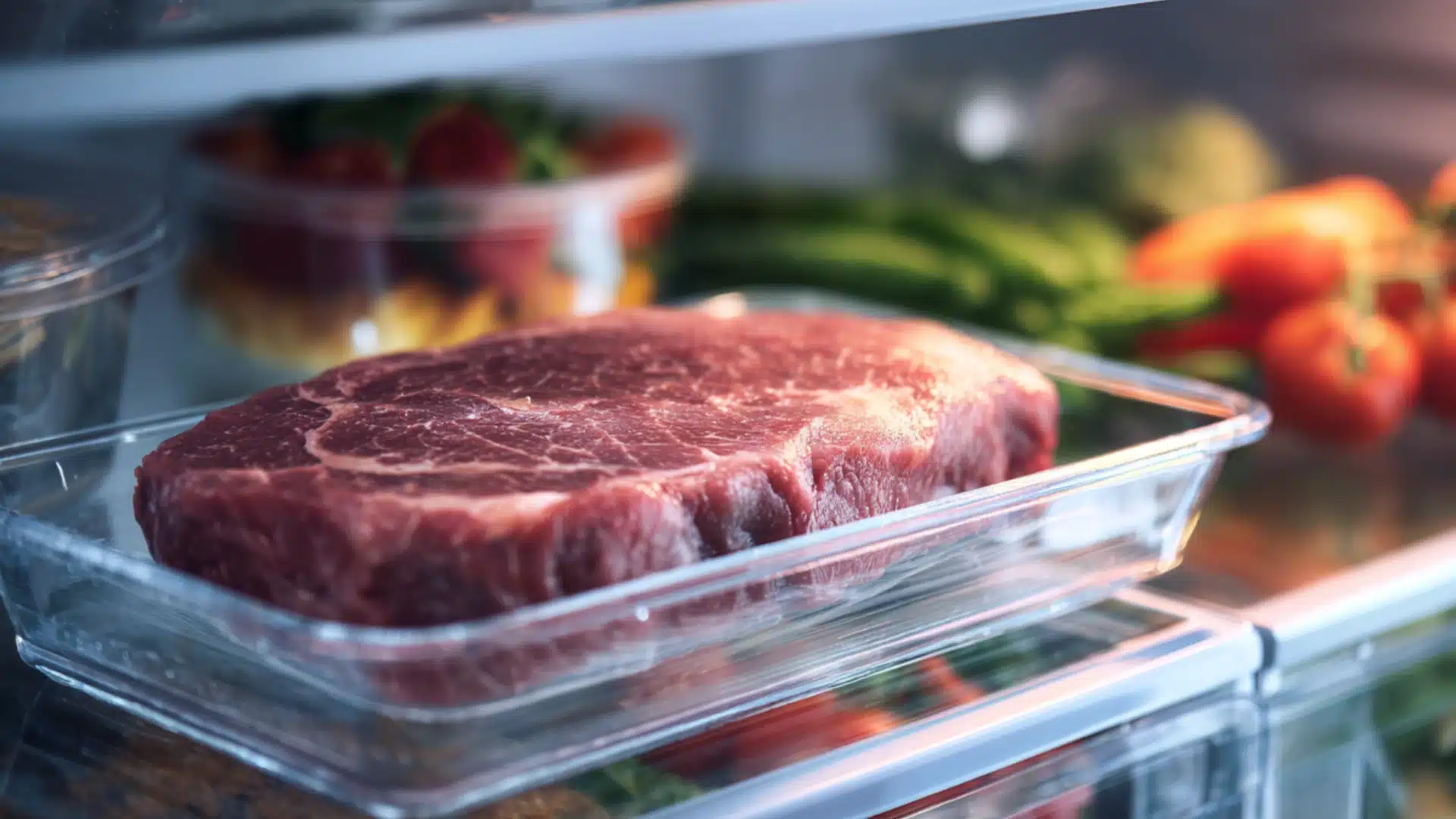
Once the product arrives at a retail facility or distribution center, new challenges emerge. Overcrowded cool rooms are incredibly common. When boxes are stacked too tightly, cold air cannot circulate properly, leaving warm spots that accelerate spoilage. Add inconsistent temperature monitoring to the mix, and you have a recipe for disaster. Poor stock rotation practices also mean older stock gets pushed to the back and forgotten.
Why Equipment Selection Matters
Different seafood products genuinely have different storage requirements. A whole salmon needs a different environment compared to delicate shucked oysters. This is exactly why stable refrigeration performance is non-negotiable.
Merchandising considerations and display refrigeration must be chosen carefully. The wrong equipment will struggle to cope with the unique humidity and cooling demands required to keep your seafood looking and tasting fresh.
Customer-Facing Displays Can Also Affect Freshness
The shop floor is often where the cold chain faces its ultimate test. Frequent door openings by customers let cold air escape and warm, ambient air rush in. When staff overstock display cabinets to make them look abundant, they unknowingly block essential return air grilles.
This poor airflow around the products leads to uneven cooling. Before long, you will notice the seafood losing its vibrant colour and firm texture, completely destroying its appeal. Retailers can minimize these risks by using appropriately designed display equipment that maintains consistent temperatures while supporting product visibility.
Investing in the right commercial fridge setup can help reduce temperature fluctuations, improve stock presentation, and support longer product shelf life in customer-facing environments. Proper layout and avoiding the temptation to overfill shelves will go a long way in preserving the integrity of your seafood displays.
Human Error and Operational Gaps
Even the best hardware cannot overcome poor human habits. Staff sometimes use incorrect temperature settings out of misunderstanding. Simply leaving display doors propped open during a busy restocking session is a massive problem.
Delayed replenishment leaves highly sensitive stock sitting on trolleys in warm aisles. Often, this boils down to inadequate staff training and a failure to record regular temperature checks.
Small Mistakes Can Have Big Consequences
These small problems can turn out to be extremely troublesome. Firstly, this will lead to greatly shortened shelf life and food wastage. However, even more dangerously, this will pose great hazards for the customers in terms of food safety. Finally, constantly providing poor-quality seafood will lead to a complete loss of their confidence.
Best Practices for Maintaining Seafood Quality Across the Cold Chain
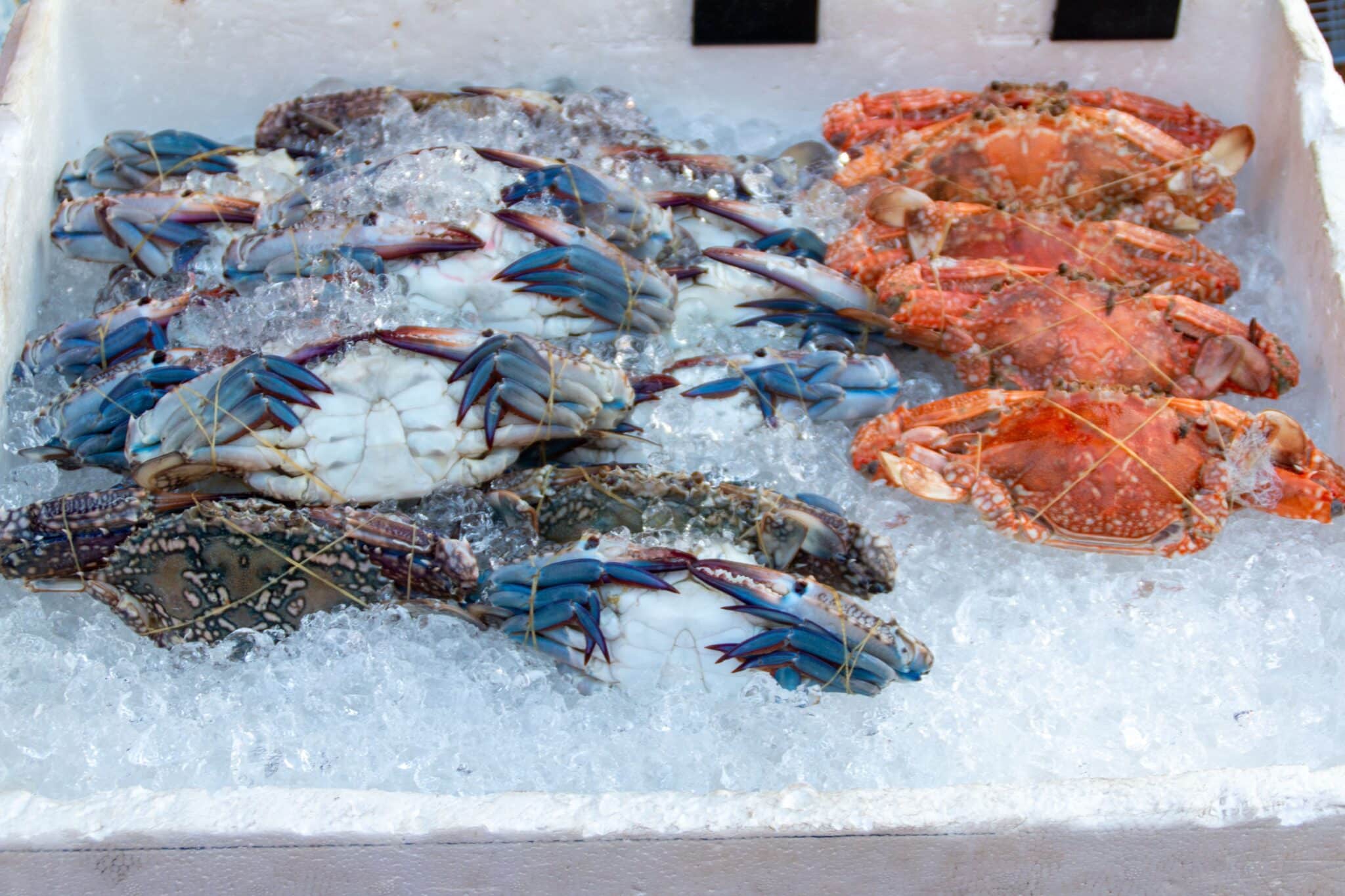
Protecting your seafood requires a proactive approach from the loading dock to the checkout. First, implement continuous temperature monitoring systems to catch fluctuations before they ruin a delivery.
You must also ensure you use appropriate refrigeration equipment tailored specifically for the demands of fresh fish. Staff training is equally crucial. Teach your team the science behind safe handling rules, so they understand exactly why speed matters during restocking. Make sure you establish highly effective, strict stock rotation systems to keep inventory moving efficiently.
Finally, prioritize preventive maintenance and conduct routine equipment inspections. Finding a struggling compressor early is a minor expense compared to losing an entire display cabinet of premium fresh seafood.
Conclusion
The quality of seafood is dependent entirely on maintaining an uninterrupted cold chain. As was discussed earlier, some of the most frequent problems in this regard come from transport problems, poor handling, and inadequate display of products. Quality control is essential at every single stage. With proper refrigeration and good control, retailers will be able to minimize waste, avoid any issues, and deliver the best quality of seafood to their customers.