

Citrus juice changes raw seafood at a molecular level. It denatures the proteins, which unfolds their structure and changes the texture of the fish without any heat involved.
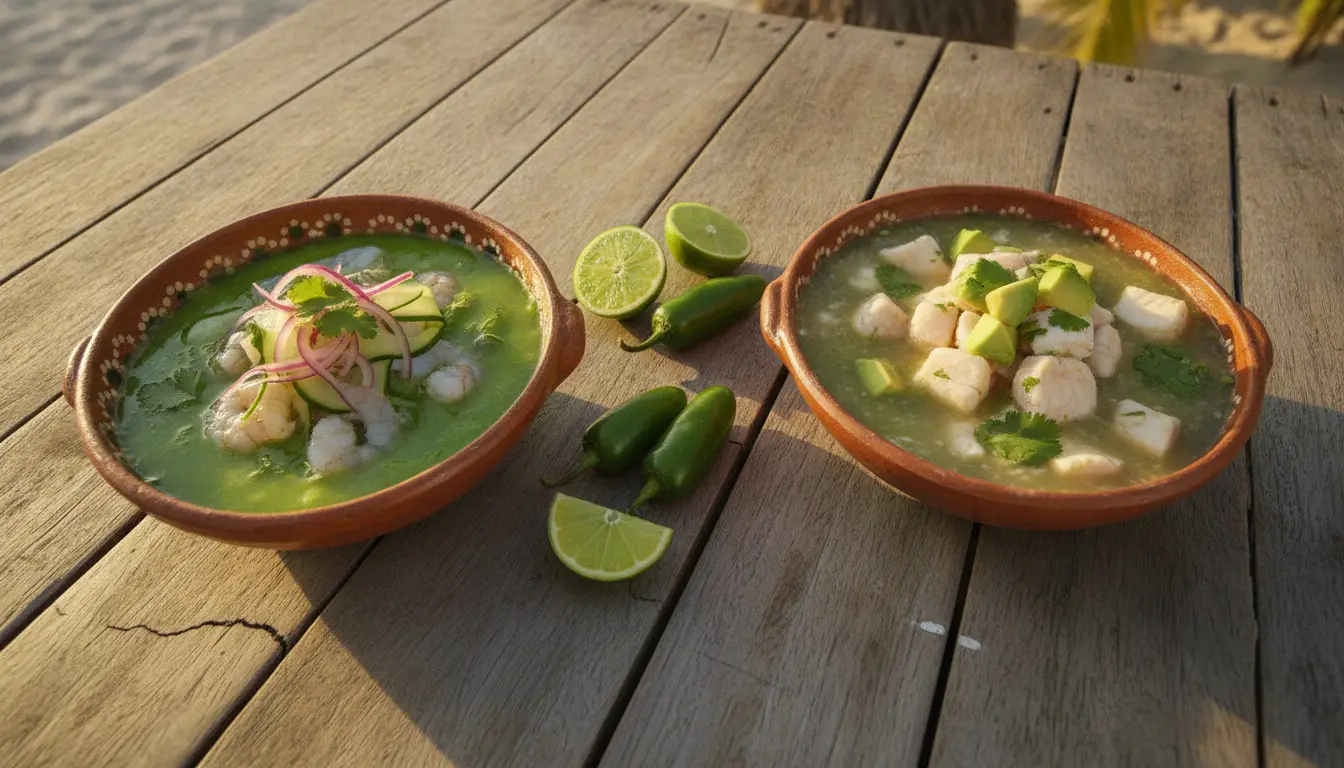
Although both aguachile and ceviche use this process in their preparation, the 2 are not the same. What makes them different dishes is how long you let the acid work its magic on the dish before you serve it.
Aguachile vs. Ceviche: What’s the Difference?
Both dishes use raw seafood and citrus juice, with acid doing the prep work for each one. The difference is in how much time the acid works, which changes everything about the end result.
How Acid Changes Raw Seafood
Seafood protein has a tightly coiled 3-dimensional structure. Citrus juice, with its low pH, disrupts that structure and causes the protein chains to unfold. This is known as denaturation. The same thing happens when heat is applied, which is why acid-cured seafood turns opaque and firms up the way cooked fish does.
Why Acid Doesn’t Cook Seafood
The similarity to heat stops at the texture and appearance of the fish. Acid denaturation doesn’t eliminate pathogens the way cooking does, though. That makes good sourcing and ingredient freshness non-negotiable with both dishes. The lime juice can handle breaking down the protein, but the taste entirely depends on the quality of the seafood itself.
How Marinating Changes Texture
The length of time the fish is left in the citrus juice is what splits these 2 dishes apart, even though the type of acid is the same for both of them. What really changes here is how far along that process gets before the food reaches your table.
Aguachile’s Quick Cure
Aguachile is designed to be a speedy dish. Shrimp go into a mix of lime juice, chilli, water, and then come straight back out. The acid gets a few minutes to work its magic at most. Denaturation starts at the surface of the seafood, but doesn’t have enough time to reach the centre. At the end, the shrimp is firm on the outside and still closer to raw.
Ceviche’s Longer Marinade
Ceviche is left longer in the acid. Depending on the thickness of the fish and the recipe, it can sit anywhere from 15 minutes to a couple of hours. By the time it’s served, the proteins have fully denatured throughout. The fish is firm and opaque all the way through, and the citrus has absorbed into the flesh rather than sitting on top of it.
Why Tropical Climates Matter
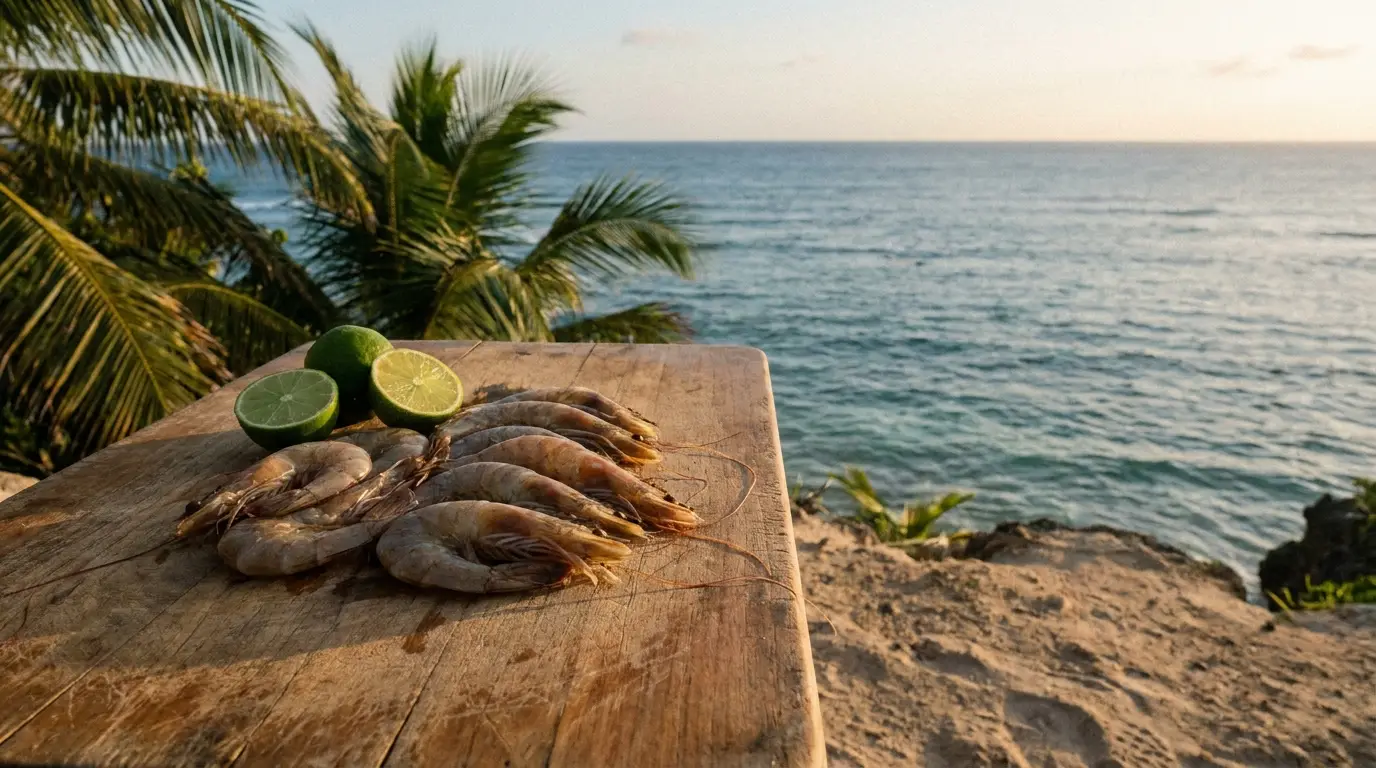
Surprisingly, geography has a lot to do with how these dishes turn out. The ingredients that make these dishes work are products of Mexico’s coastal regions.
The Mexican Pacific coast, which includes some of the most beautiful spots on the Mexican Riviera, has 2 things in close proximity: good fishing and locally grown citrus. Shrimp and white fish move from the boat to the kitchen quickly. This matters because neither dish has a cooking process to compensate for using older seafood.
Additionally, these dishes are designed for warm weather. Neither of them needs a source of heat, and can be ready in under 30 minutes, which makes practical sense in climates where temperatures are higher.
If you’re planning to travel through the area on a culinary-focused holiday, regional Mexico cruises give you direct access to the coastal ports where these dishes are prepared every day at their freshest.
Comparing the Final Results
If you were to taste both dishes at once, the differences in acid exposure would seem fairly obvious on your plate.
Aguachile shrimp are translucent at the centre with a firm outer layer. Ceviche fish is opaque throughout, with a denser, but more consistent texture. Aguachile also sits in a loose, liquid-heavy base, while ceviche is thicker, with a marinade the fish has had time to absorb.
In terms of flavor and freshness, aguachile is sharper. The chilli and the citrus hit your taste buds immediately and with every bite. Ceviche is milder, with the acid and aromatics complementing one another as a single flavor.