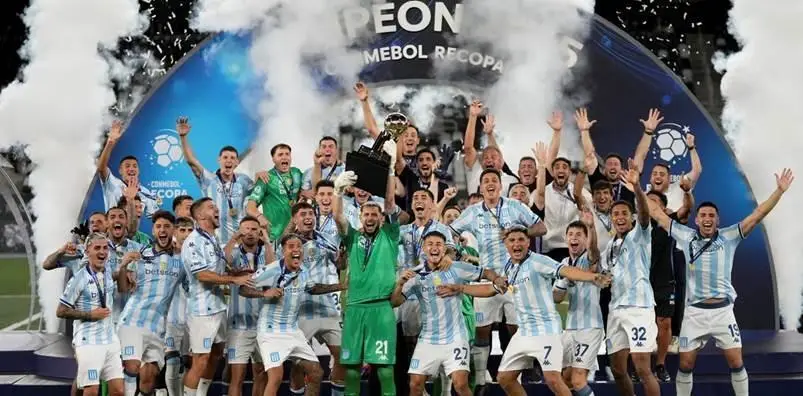



Since the 2022 FIFA World Cup Final aired to around 1.5 billion viewers, regional football tournaments remain unable to compete. Global tournaments, such as the World Cup, avoid regional competition, as they showcase the best athletes, have a large, diverse audience, and stimulate passionate national rivalries and lucrative sponsorship deals. This supports the theory that stars gravitate toward the intense, competitive, and emotionally charged global events. It is currently true that regional competitions are crucial to football audiences on a local level; however, they are unable to compete with the emotional and international spectrum dominance of global tournaments. Global events trump regional competitions, as they attract a greater world audience, which gives them a significant advantage with sponsorship and advertisement revenue.
Star Players Usually Prioritize Global Competitions
Athletes know which competitions have the biggest impact on their careers and global reputation. World Cups, Champions League tournaments, and the Olympics usually attract the strongest attention because they combine elite competition with worldwide audiences and major financial rewards. Many fans also follow these events on mobile platforms by downloading MelBet for Android (Arabic: تحميل melbet للاندرويد), since the app offers quick access to live scores, match updates, and international sports coverage during major tournaments. Even when regional competitions have passionate local support, they rarely reach the same global audience or long-term prestige as major international events.
There are also scheduling issues with these events. National and Club teams have a large part in managing these issues, as some stars are expected not to compete at all. It is obvious, due to the lack of interest in these regional competitions, that they are unable to draw a large audience while the stars are not there. This explains the success of the biggest sports events, as they rely on the stars competing globally.

International Broadcasting Creates Bigger Audiences
Paid advertisements dominate global viewing for major sporting events. As such, major tournaments have an omnipresent global advertising budget. International broadcasts promote tournaments, multilingual commentaries, and digital advertisements. Most tournaments don’t fulfill the same demands and funding:
- FIFA World Cup broadcasters span > 200 nations
- UEFA Champions League games pull global audiences
- The Olympic Games have multilingual broadcasts and channels
- Regional tournaments have only local broadcasts
Audiences have a giant impact on followers, broadcasters, and attendees of the events. FIFA, UEFA, and the Olympics have global commercial partnerships.
Commercial Power Influences Tournament Popularity
Global tournaments engage the largest audiences, media coverage, and support. Modern sports most heavily rely on commerce, as do FIFA World Cups, UEFA Champions, and the Olympics. Regional sport competitions have no advertising and have a ton of funding. Local tournaments have spanned > 200 nations. Global sports and events have the largest audiences and the most funding.
Global Sponsors Increase Event Visibility
For an event to attract a truly international audience, it usually needs support from major global brands. The FIFA World Cup works with companies such as Adidas, Coca-Cola, and Emirates, which invest huge amounts into worldwide advertising and sponsorship campaigns. Sports communities and pages like MelBet Facebook Jordanalso show how global tournaments generate constant online discussion, live match reactions, and fan engagement across different countries during major events. FIFA benefits heavily from these sponsorship deals because global brands pay for stadium visibility, broadcast advertising, and worldwide promotional campaigns throughout the tournament.
The UEFA Champions League also has Adidas and Coca-Cola sponsoring, and as a result, cooperates with Emirates due to the business. FIFA, Emirates, and Coca-Cola make a profit, but allow different companies to buy advertisement space to make a profit.

Prize Money Often Shapes Competitive Motivation
Players, teams, and federations’ priorities for tournaments can be defined in monetary terms because of the perceived value of financial incentives. The contrast between global versus regional competitions is the largest financial incentive differential. This differential explains the differences in motivation, media exposure, and even public interest in and around elite international competitions:
- Prizes offered for competing in the FIFA World Cup can be in the hundreds of millions of dollars.
- Just for signing up, teams in the UEFA Champions League can immediately earn millions.
- Winning the Olympics can mean even more lucrative sponsorships for global athletes.
Few regional tournaments can provide minimally commercially viable incentives. Players understand the potential for career-changing financial success and enhancement of professional value that comes from competing in global tournaments. Naturally, such tournaments receive the most financial investment from sponsorship and broadcasting. So do club competitions. It follows that international federations and tournaments do the same. The arenas of competition become global, which maximizes the financial incentives, and so do the media and players’ interests.
Regional Rivalries Sometimes Lack International Appeal
These regional tournaments garner more local investment and more fan participation than international tournaments, especially world tournaments. Global tournaments succeed because they offer more variety and blend some football styles. Global tournaments also involve famous athletes with long and compelling stories.
Competition | Main Audience | Global Reach |
Copa América | South America | High |
AFC Asian Cup | Regional | Moderate |
Regional club cups | Mostly domestic fans | Limited |
Worldwide audiences often prefer competitions featuring teams and athletes they already recognize. Without international stars or long-standing global narratives, regional tournaments often remain concentrated around local fanbases rather than worldwide markets.
Media Narratives Focus More on Worldwide Events
International competitions draw the bulk of the media’s attention, and for good reason. Competitions like the World Cup, Olympics, and Champions League captivate massive audiences and draw attention to their coverage of lucrative, competitive, and unprecedented global sports content. TV, digital, and social media companies invest huge amounts into global tournaments. Larger sports audiences bring higher ad revenue, stronger TV ratings, and more active platform users.
Competition coverage shifts radically when only regional events exist. When nationally recognized superstars perform, media coverage tends to be better. More broadly, without the attention on massive global sports content, programming is reduced, and more content is produced in coverage. People who are frequent consumers of global sports coverage tend to feel more excited about these global sports competitions than the audience. The coverage of the content is a means of creating the content.
Scheduling Conflicts Reduce Audience Attention
Global competitions that happen simultaneously to regional sports competitions, but especially those that exist in the same region’s sports league, tend to affect the movement of regional competitions negatively. Fans often prefer globally popular leagues over smaller regional tournaments, while media companies prioritize competitions that attract larger audiences and stronger viewing numbers. It is no surprise that local competitions are greatly overshadowed globally.
Players also face tough judgments when balancing their workloads during congested seasons. Teams may actually prevent players from fully engaging in smaller tournaments due to fatigue from injury and the impact on play in the league, or more importantly, the more commercially viable international tournaments. Fans notice when their favorite players sit out and when they play a larger tournament by showing less enthusiasm in a smaller tournament. So, scheduling conflicts result in a loss of quality in both sports and a lesser audience interest. This is a challenge for localized competitions trying to provide a sports experience that is a little more global in scope.
Global Events Create Shared International Moments
Global tournaments provide sports fans with a collective experience of their feelings. These tournaments provide the entire world with a talking point and light up everyone’s social media. Global competitions provide a unity not found in local tournaments. Global competitions provide a collective high/low that defines the sporting culture for another year.