

A pitched roof does a lot more than keep the weather out. It shapes the character of a property, affects energy performance, influences long-term maintenance, and can even determine how smoothly a project moves through planning or building control. Yet roof tiles are sometimes chosen late in the process, almost as a finishing detail.
That can be a costly mistake.
The right tile needs to suit the pitch, structure, location, budget, aesthetic brief, and expected lifespan of the building. Whether you are working on a new home, an extension, a renovation, or a replacement roof, understanding the main tile options will help you make a better decision from the outset.
Start With the Roof Pitch and Structure
Before looking at colours or profiles, begin with the roof itself. The pitch is one of the most important technical factors because not every tile is suitable for every angle.
Low-pitched roofs need tiles designed to shed water effectively at shallower angles. If the wrong product is used, wind-driven rain can creep beneath the covering, increasing the risk of leaks and premature failure. Steeper roofs, on the other hand, provide more flexibility in tile choice, though exposure and fixing requirements still matter.
Weight is another key consideration. Some roof tiles are significantly heavier than others. Natural slate, clay, and concrete all place different loads on the roof structure, so rafters, battens, and supporting timbers must be capable of handling the selected material. On older properties, this becomes especially important. A like-for-like replacement may be straightforward, but switching from a lightweight covering to a heavier tile should always involve proper structural assessment.
Understand the Main Roof Tile Materials
Different roof tile materials offer different strengths. There is rarely one “best” option for every project. The best choice is the one that balances performance, appearance, cost, and context.
Clay Roof Tiles
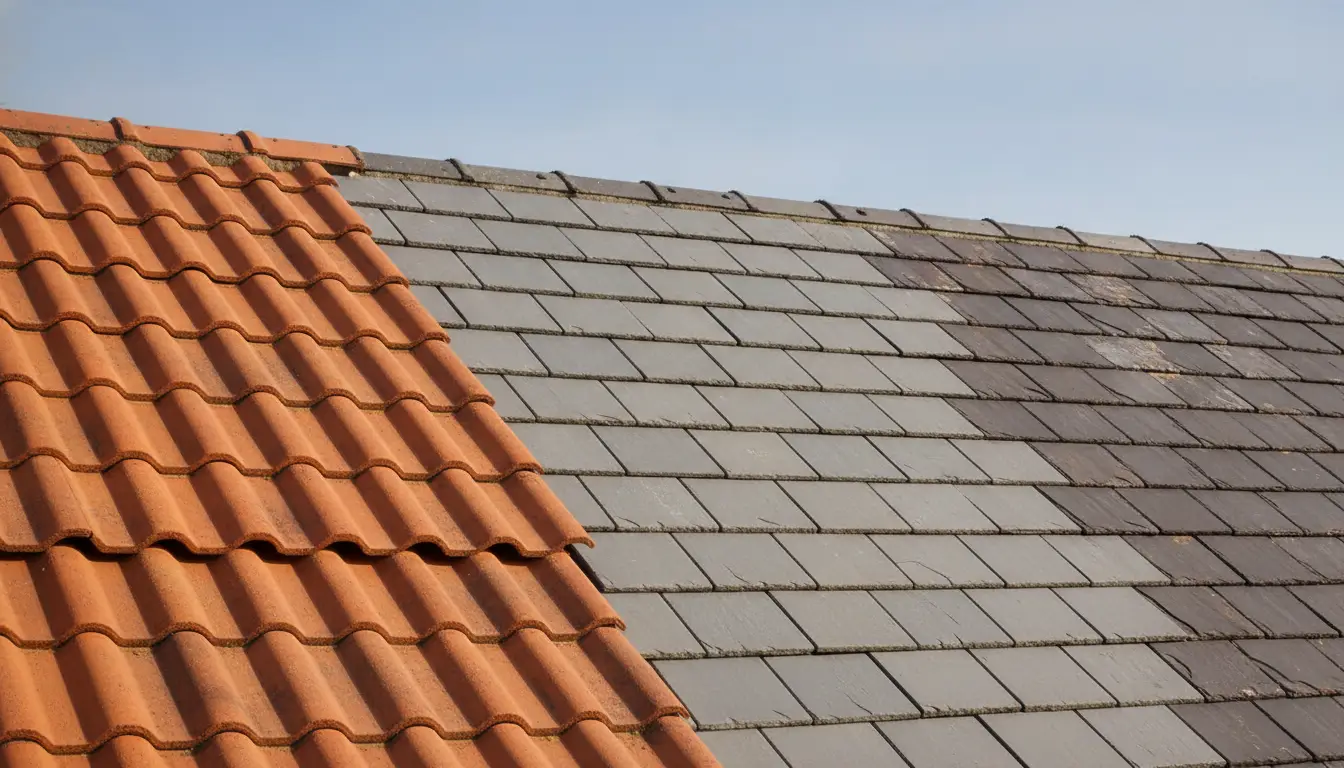
Clay tiles have been used for centuries and remain a popular choice for traditional and high-quality residential projects. They are known for their rich colour, natural variation, and ability to age attractively over time.
A major benefit of clay is colour retention. Because the colour is created through the firing process rather than simply applied to the surface, clay tiles tend to weather gracefully. They are especially well suited to heritage properties, rural homes, and designs where texture and character matter.
However, clay can be more expensive than concrete, and certain profiles may require a specific minimum pitch. It is also important to check availability early, particularly for handmade or specialist tiles, as lead times can affect the programme.
Concrete Roof Tiles
Concrete tiles are widely used because they are durable, versatile, and generally cost-effective. They come in a broad range of profiles, including flat, low-profile, and traditional rolled shapes, making them suitable for many architectural styles.
Modern concrete tiles have improved considerably in terms of finish and consistency. They can imitate the appearance of clay or slate at a lower price point, which makes them attractive for larger developments or budget-conscious projects.
One thing to bear in mind is weathering. Concrete tiles may change appearance over time as surface coatings fade and natural weathering occurs. This is not necessarily a performance issue, but it can affect the visual finish. If long-term appearance is a priority, compare aged samples or look at completed projects several years after installation.
When comparing different options, it is worth reviewing a broad range of roof tiles for residential projects so you can assess material, profile, colour, and suitability together rather than making the decision on appearance alone.
Natural Slate
Natural slate offers a refined, timeless finish and is often associated with premium residential and conservation projects. Its lifespan can be excellent when good-quality slate is installed correctly. Many slate roofs last well over a century.
The appeal of slate lies in its subtle variation and slim profile. It works beautifully on period properties, contemporary homes, and projects where a clean, understated roofline is desired.
That said, slate quality varies. Origin, grading, thickness, and fixing method all influence performance. Imported slate can be highly cost-effective, but it should be sourced carefully to avoid inconsistency or excessive breakage. Natural slate also requires skilled installation, so labour costs may be higher than with interlocking concrete tiles.
Consider Local Context and Planning Requirements
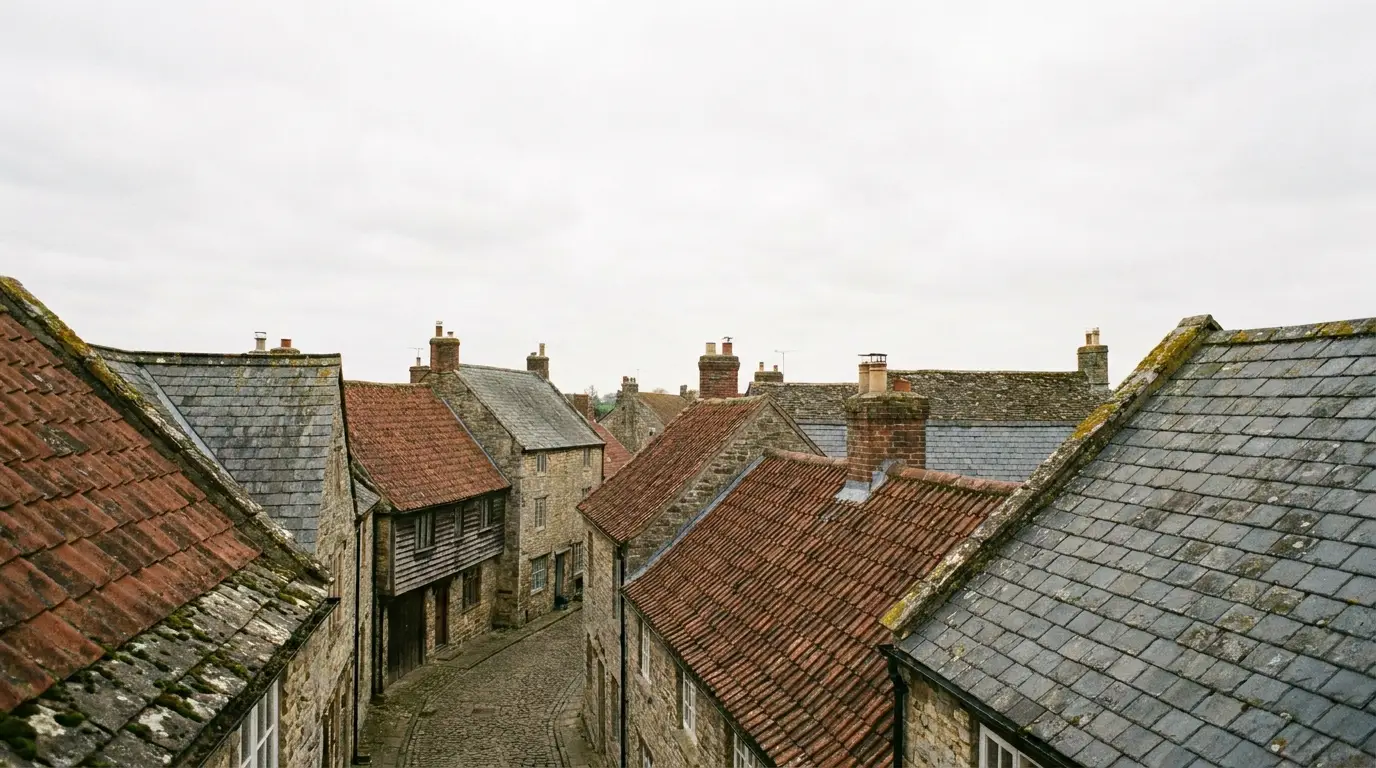
A roof rarely exists in isolation. It sits within a street, village, landscape, or conservation area. In many cases, local character should guide your tile choice.
If the property is listed or located in a conservation area, planning restrictions may dictate the material, colour, size, or profile of the roof covering. Even where formal restrictions do not apply, choosing a tile that complements neighbouring buildings can make the finished project feel more considered.
For example, a rural cottage may look out of place with a large-format, modern concrete tile, while a contemporary extension might benefit from a flatter, more uniform roof covering. The goal is not always to match exactly. Sometimes a sympathetic contrast works well. But the decision should be deliberate.
Think About Exposure and Weather Performance
The UK climate is not uniform. A roof in a sheltered suburban street faces different conditions from one on a coastal hill or open rural site. Wind, rain, frost, salt exposure, and driving weather all influence tile selection and fixing specification.
Manufacturers usually provide guidance on exposure ratings, minimum pitches, headlaps, and fixing methods. These details are not just technical fine print; they determine whether the roof will perform as expected.
Key factors to check include:
- Minimum roof pitch for the chosen tile and headlap
- Wind uplift requirements and mechanical fixing specification
- Suitability for high-exposure or coastal locations
- Compatibility with ventilation, underlay, battens, ridges, and hips
- Manufacturer warranty conditions and installation requirements
It is also worth considering future access. Roofs with solar panels, roof windows, chimneys, or complex valleys need careful detailing. The more penetrations and junctions there are, the more important it becomes to choose tiles that can be detailed cleanly and reliably.
Balance Upfront Cost With Whole-Life Value
It is natural to compare roof tiles by unit price, but that only tells part of the story. A cheaper tile may save money on materials, yet increase costs through additional labour, wastage, maintenance, or shorter service life.
Whole-life value includes installation speed, durability, expected lifespan, maintenance needs, and how the roof contributes to property value. For example, a high-quality clay or slate roof may cost more initially but offer long-term visual and performance benefits. A concrete interlocking tile may deliver the best overall value where budget, speed, and reliability are the main priorities.
The right answer depends on the project. A self-build forever home, a rental property refurbishment, and a heritage restoration will each have different priorities.
Don’t Leave Detailing Until the End
Tiles are only one part of a pitched roofing system. Ridges, hips, valleys, verges, ventilation, underlay, battens, flashings, and fixings all play a role in performance.
Dry ridge and dry verge systems, for instance, have become common because they reduce reliance on mortar and can improve long-term durability when installed correctly. Ventilation is another area that deserves attention, especially as homes become better insulated and more airtight. Poor roof ventilation can lead to condensation, timber decay, and insulation problems.
A good roof specification considers the whole system from the beginning. That means checking compatibility between components and ensuring the chosen tile works with the roof design, not against it.
Making the Final Choice
Choosing roof tiles is part technical decision, part design judgement. The best results come when both sides are considered together.
Start with the non-negotiables: roof pitch, structural capacity, exposure, planning requirements, and budget. Then narrow the options by appearance, lifespan, and installation practicalities. If possible, view physical samples in natural light and look at real roofs using the same tile. Small samples can be misleading, especially with textured or colour-varied products.
A pitched roof is a long-term investment. Once installed, it may define the building for decades. Taking the time to choose the right tile at the planning stage helps avoid compromises later and gives the finished roof the best chance of performing well, ageing gracefully, and looking entirely at home.