

Choosing door handles for a family home sounds simple—until you realise how much daily life depends on them. They are touched hundreds of times a week, used by adults carrying shopping bags, children racing between rooms, older relatives needing a secure grip, and guests trying to find the bathroom without a tutorial. In other words, a door handle is a small detail that has an outsized effect on comfort, privacy, safety, and even how calm a home feels.
The best choices are rarely the flashiest. In family homes, practicality tends to win. A handle has to withstand wear, suit different users, and make sense for the room it serves. What works beautifully on a formal study door may be frustrating on a busy bathroom or a child’s bedroom.
Start With How Your Home Actually Functions
Before thinking about finishes or shapes, it helps to step back and look at patterns of use. Family homes place different demands on different doors. A kitchen-to-hall door might need constant one-handed operation. A bathroom needs reliable privacy. A utility room may call for a handle that can tolerate damp hands, cleaning products, and regular knocks from laundry baskets.
That is why the first question is not, “What looks good?” but, “Who uses this door, and how?” A well-designed family home usually balances three needs:
- durability for high traffic
- ease of use for all ages
- the right level of privacy and security
Handles that ignore those basics often become a daily annoyance. A stiff knob can be awkward for children. A delicate finish may start looking tired within months. A poorly chosen lock on a bathroom door can create more stress than privacy.
Lever Handles Usually Make the Most Sense
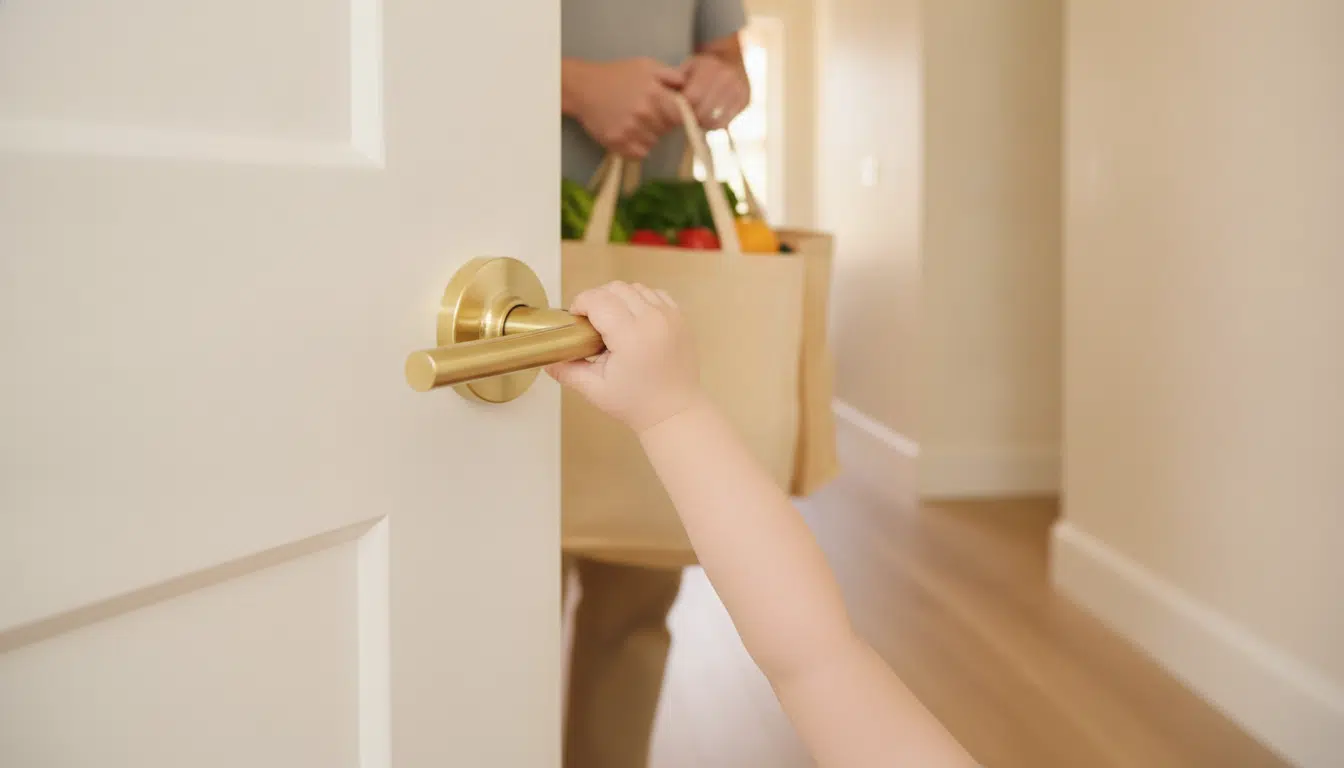
For most family homes, lever handles are the practical front-runners. They are easier to operate than round knobs, especially when your hands are full or your grip is limited. That matters more than many homeowners expect.
Why Levers Work Better in Busy Homes
Levers are generally more ergonomic. Children can use them more easily, and so can older adults or anyone with reduced hand strength. They also tend to offer quicker access in everyday situations, which is useful in rooms where people move in and out constantly.
There is also a safety angle. In an emergency, a lever is usually faster and more intuitive to operate than a knob. That may not be the most glamorous design consideration, but in a family setting it is an important one.
When Knobs Still Have a Place
Knobs are not automatically wrong. In some period properties, they suit the architectural style and help preserve character. But if you go that route, it is worth testing them in real-life conditions. Can a seven-year-old open the door comfortably? Can someone do it while carrying towels or holding a baby? If not, aesthetics may be getting too much priority.
Privacy Matters More Than You Think
Family homes are shared spaces, which makes privacy hardware surprisingly important. Bathrooms, primary bedrooms, home offices, and sometimes even teenage bedrooms all benefit from a locking system that is simple, dependable, and not overly complicated.
This is where homeowners often get caught between style and function. A sleek handle is only useful if the locking mechanism performs well over time. When comparing durable privacy door fixture solutions, it is worth focusing on robust internal components, smooth operation, and a design that fits the way the room is used. A bathroom lock, for instance, should feel secure without being difficult to release from the outside if a child accidentally locks themselves in.
That balance—privacy without unnecessary fuss—is exactly what family homes need.
Choose Materials for Longevity, Not Just Looks
A polished finish can be appealing in a showroom, but family life is hard on hardware. Sticky fingers, moisture, repeated cleaning, and general impact all take a toll. Materials matter.
Best Options for Everyday Wear
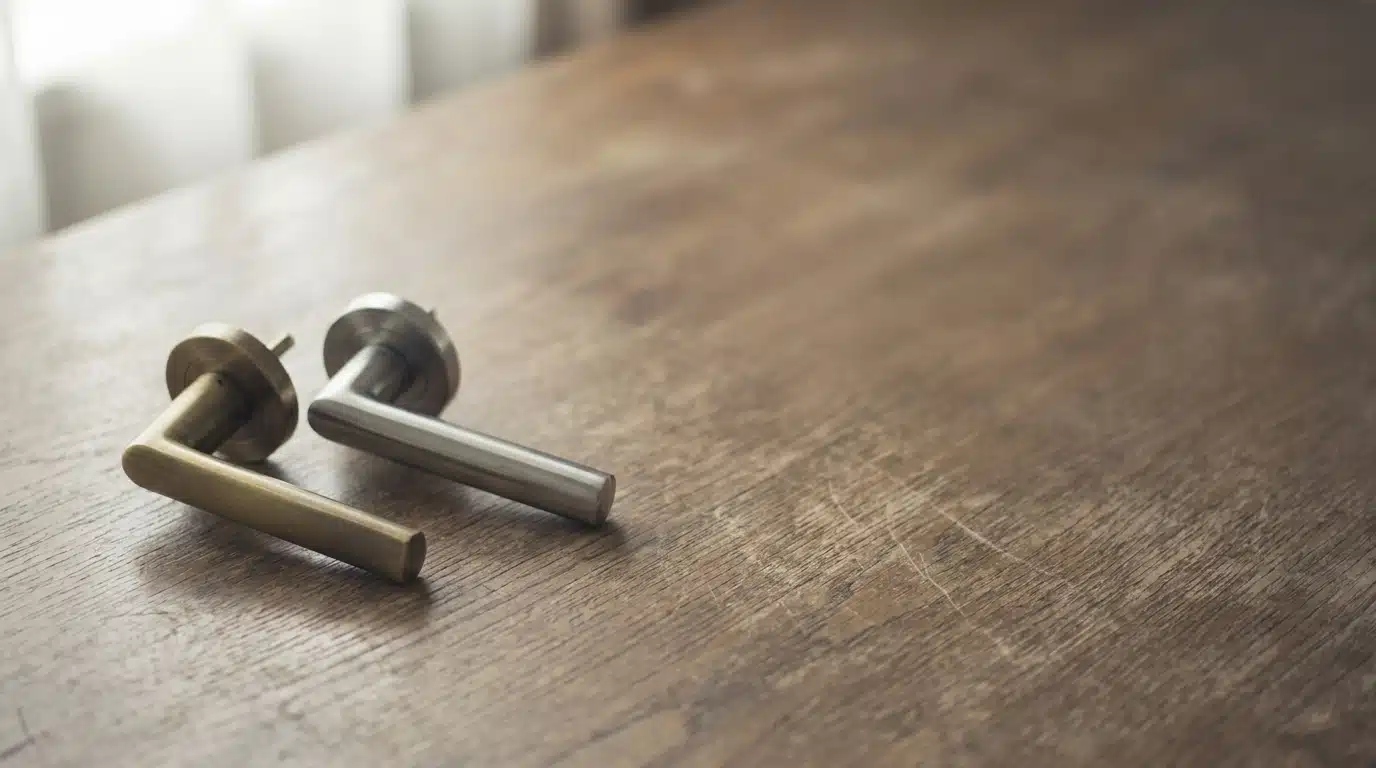
Solid brass, stainless steel, and well-finished zinc alloy are common choices for a reason. They tend to offer a good mix of durability and design flexibility. Stainless steel is especially useful in modern homes or humid areas. Brass works well if you want warmth and character, and many homeowners like that it ages naturally rather than simply looking worn.
Matte and satin finishes often perform better than high-gloss alternatives in family settings. They are generally more forgiving of fingerprints, smudges, and minor scratches. If you are trying to reduce maintenance without compromising style, that is an easy win.
Think Room by Room
One of the most common mistakes is fitting the same handle style across every internal door without considering what each room needs. Consistency can look elegant, but functionality should still lead.
Bathrooms and En-suites
These need privacy locks, moisture-resistant finishes, and easy operation. Handles should feel secure, but not fussy.
Children’s Bedrooms
Ease of use is key. Avoid overly heavy handles or mechanisms that are hard to turn. Soft edges are a smart choice too.
Home Offices
If you work from home, acoustic separation and privacy matter more than they once did. A good handle and latch combination can support a quieter, more self-contained space.
Utility and Back-of-House Areas
These are often overlooked, but they are among the hardest-working doors in the house. Prioritise durability and a finish that stands up to practical use.
Don’t Overlook Installation Quality
Even an excellent handle can disappoint if it is badly fitted. Loose fixings, poor alignment, or an incompatible latch will quickly undermine the feel of the whole system. A handle should operate smoothly, return cleanly, and sit firmly against the door without movement.
If you are upgrading throughout the house, check backset dimensions, door thickness, and whether existing latch cases are worth reusing. Sometimes what seems like a quick cosmetic update becomes a better long-term result when paired with fresh internal hardware.
Good Hardware Should Disappear Into Daily Life
That may sound strange, but it is true. The best door handle solutions in a family home are not the ones that demand attention every day. They are the ones that simply work—quietly, comfortably, and reliably.
When you choose with real household patterns in mind, the result is more than a coordinated finish. It is a home that functions better. Doors open easily. Privacy feels secure. Wear and tear become less noticeable. And small frustrations never get the chance to build up.
For family homes, that is the real goal: not perfect hardware on paper, but thoughtful hardware that supports the rhythm of everyday life.