

A welcoming home does not depend on expensive furniture or a complete renovation. It comes from the way a space functions, feels, and reflects the people who live there. Thoughtful storage, comfortable lighting, practical kitchen arrangements, and personal details can make everyday spaces more enjoyable.
The best approach is to combine function with character. A room should support daily activities while creating a sense of familiarity. Small changes to lighting, layout, materials, and decoration can improve a home’s atmosphere without adding unnecessary clutter.
Start With Comfort and Practicality
Comfort begins with how people use a room. A living area needs clear walking paths and enough seating. A kitchen requires accessible work surfaces and convenient storage. Entryways benefit from a place to leave shoes, bags, and keys.
Before buying new decorations, identify the areas that create daily inconvenience. A crowded countertop, poorly lit reading corner, or disorganized entryway can affect the entire experience of a home.
Focus on a few practical improvements:
- Keep frequently used items within easy reach.
- Remove objects that obstruct walkways or work surfaces.
- Add storage where clutter tends to accumulate.
- Arrange seating to encourage conversation.
- Use washable materials in areas exposed to food, moisture, or frequent contact.
These changes establish a functional foundation. Once a room works well, decorative choices become easier to evaluate.
Use Lighting to Shape the Atmosphere
Lighting influences how a room looks and how comfortably people can use it. A single ceiling fixture may provide general illumination, but it rarely meets every need. Layered lighting offers greater flexibility.
Ambient lighting provides overall brightness. Task lighting supports activities such as cooking, reading, and preparing food. Accent lighting highlights selected features, including artwork, shelving, or architectural details.
Display Personal Memories With Purpose
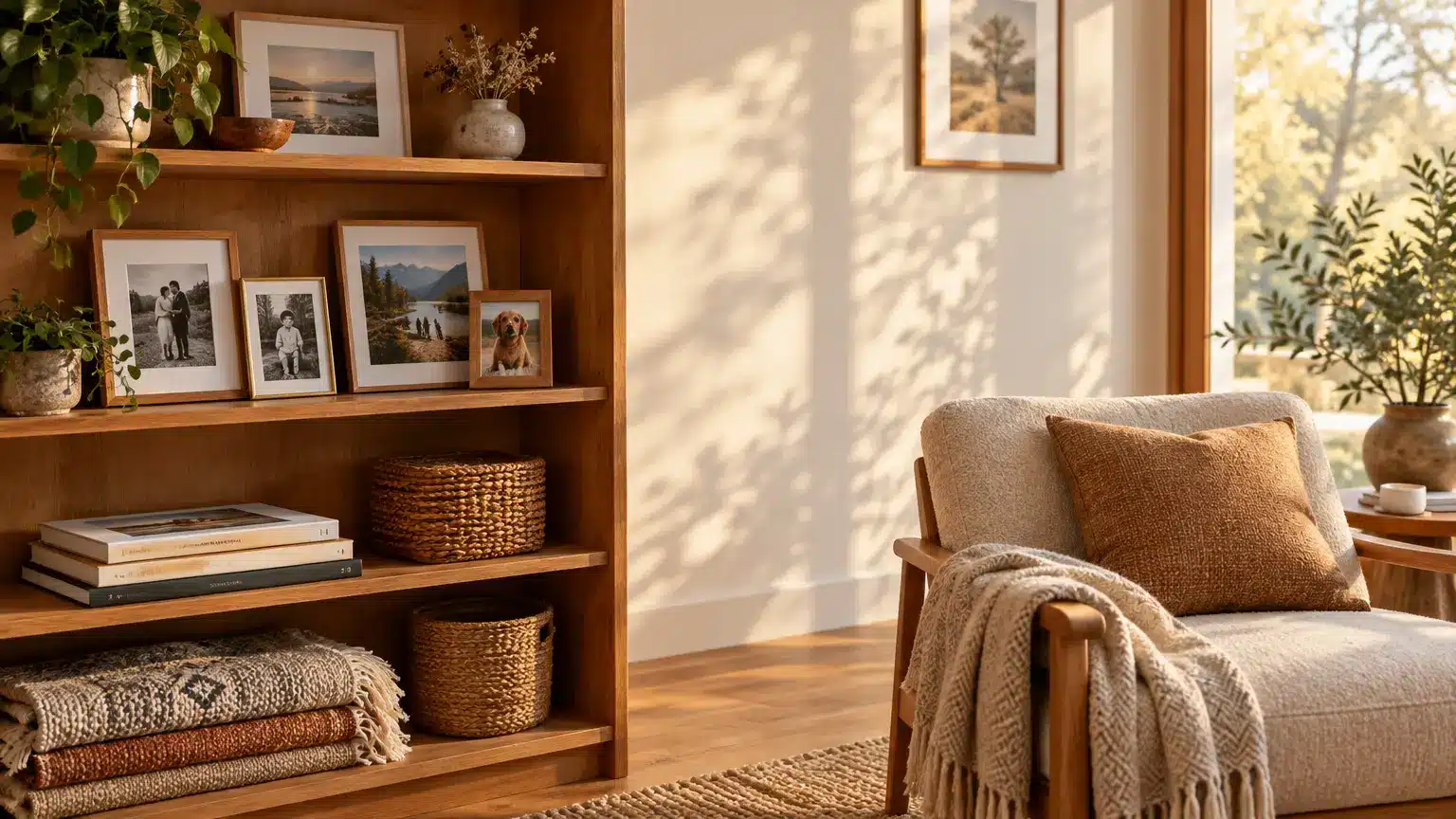
Personal objects give a home a sense of identity. Family photographs, travel souvenirs, handmade gifts, and meaningful keepsakes can make a room feel less generic. However, displaying everything at once can make shelves and tables look crowded.
Select items that tell a story or represent an important experience. Group objects by theme, color, or location to create a more organized display. Leave empty space between pieces so each item remains visible.
Printed photographs are particularly useful because they turn digital memories into physical objects. A collection of photo books can preserve family occasions, holidays, celebrations, and everyday moments in an organized format. These books can sit on a coffee table, occupy a living room shelf, or be stored near a reading chair.
The goal is not to fill every surface. It is to make selected details meaningful and easy to enjoy.
Create a Kitchen That Encourages Gathering
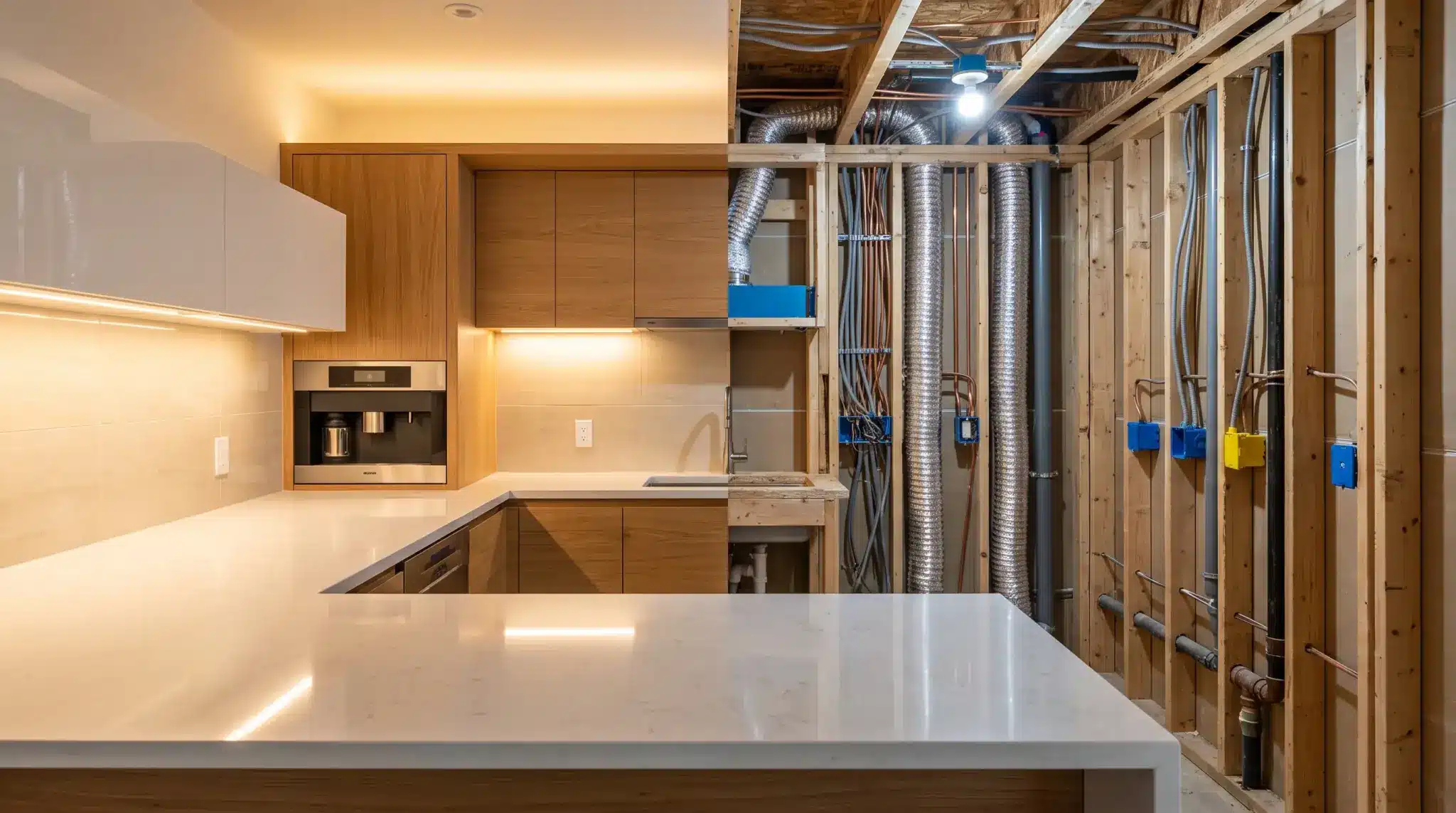
The kitchen often serves several purposes beyond food preparation. It may be a place for morning coffee, informal conversations, homework, or quick meals. Its layout should support these activities without compromising food safety or efficient movement.
Start by separating the main work areas. Keep preparation tools near the counter where ingredients are handled. Store cookware close to the stove and everyday dishes near the dishwasher or sink. This arrangement reduces unnecessary movement and makes routine tasks easier.
Countertop space is especially valuable. Small appliances should remain accessible when used frequently, but occasional-use equipment can be stored elsewhere. Keep food preparation surfaces clear, and avoid placing decorative objects where they could interfere with cleaning or safe cooking.
Introduce Color and Texture Carefully
Color helps connect different areas of a home. Neutral backgrounds can make a room feel calm, while selected accent colors add personality. A consistent palette across adjoining spaces can improve visual flow, especially in smaller homes.
Texture provides another way to create interest. Wood, woven fabrics, ceramic surfaces, linen, and metal each contribute different visual qualities. Combining a few complementary materials often creates more depth than introducing many competing patterns.
Add a Distinctive Feature to a Coffee Corner
A dedicated coffee area can make a kitchen or dining space feel more intentional. It does not require a large counter or professional equipment. A coffee machine, mugs, a small tray, and convenient storage may be enough.
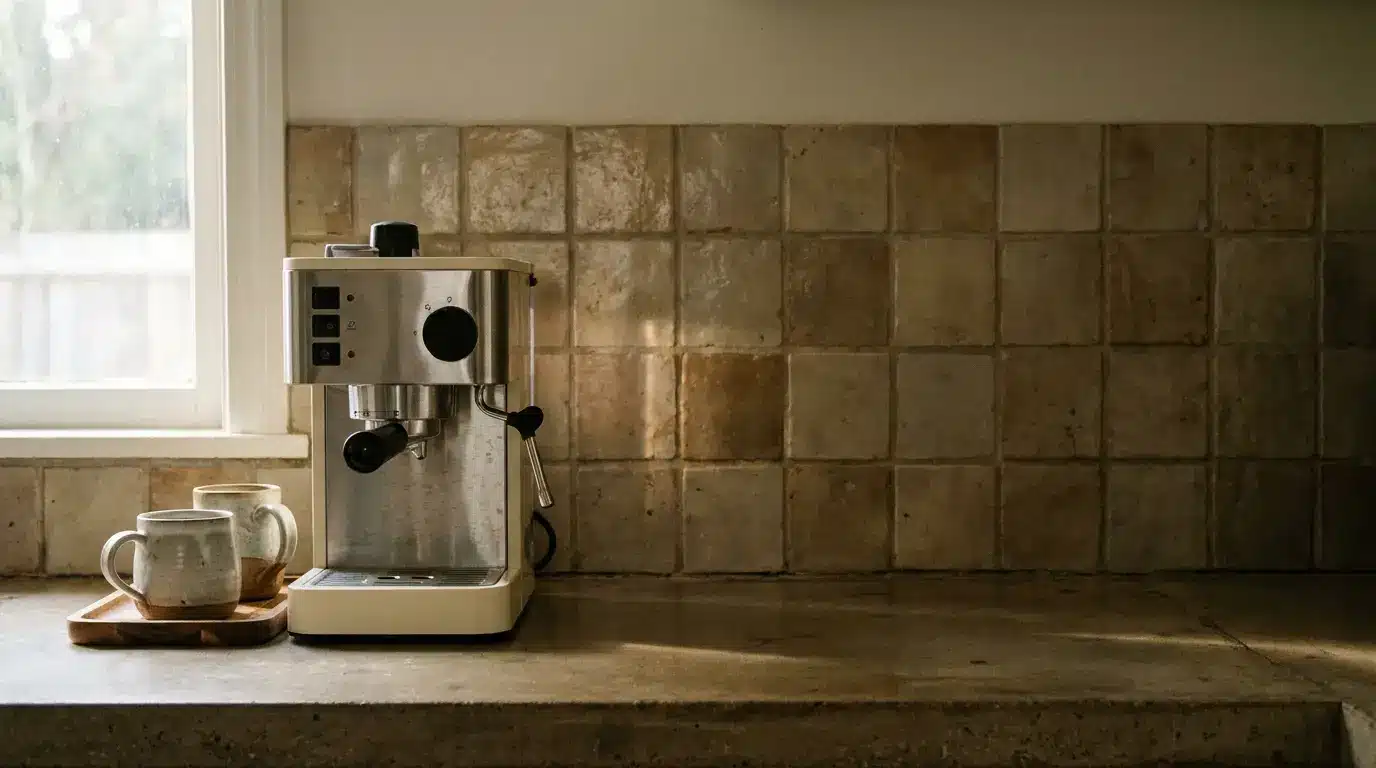
A decorative focal point can help distinguish the area from the rest of the kitchen. Custom neon coffee signs can introduce color and visual interest while giving a coffee station its own identity. They can suit contemporary kitchens, breakfast nooks, home cafés, or entertainment spaces.
Placement matters. Measure the available wall space before choosing a sign. Check the location of electrical outlets and avoid positioning lighting where it creates glare on screens or reflective surfaces. Follow the manufacturer’s installation and electrical safety instructions.
Keep the surrounding area simple. A few coordinated mugs, a container for coffee supplies, and one decorative element can create a clear focal point without making the counter difficult to clean.
Improve Air Quality and Everyday Maintenance
A welcoming home should also be healthy and easy to maintain. Dust, cooking particles, excess moisture, and poor ventilation can affect indoor comfort. Regular cleaning helps, but prevention is equally important.
Use kitchen exhaust ventilation when cooking, particularly when frying or using high heat. Address leaks promptly and ventilate moisture-prone areas. Choose cleaning products according to the surface and follow their safety instructions.
The U.S. Environmental Protection Agency provides practical guidance on improving indoor air quality. Its recommendations cover source control, ventilation, and air cleaning. These principles can help homeowners make informed decisions about everyday indoor conditions.
Make Small Improvements Over Time
A more welcoming home develops through consistent decisions rather than one large decorating project. Start with the areas used most often, then address less urgent changes as time and budget allow.
Prioritize comfort, useful storage, suitable lighting, and easy maintenance. Add personal objects where they have room to be appreciated. Review each change based on how it improves daily life, not simply how it looks in a photograph.