

A well-maintained home needs more than occasional cleaning or attractive furniture. It depends on consistent upkeep, practical storage, good ventilation, and thoughtful choices about everyday items. These elements work together to create a space that feels comfortable and remains easy to manage.
The best approach is to build simple routines around how each room is used. Kitchens need regular attention to food residue and moisture. Living rooms collect dust and clutter. Bathrooms require careful control of dampness. When these needs are addressed consistently, the home stays cleaner without demanding constant effort.
Build a Cleaning Routine That Works
Cleaning becomes easier when tasks are divided into daily, weekly, and monthly schedules. Small actions prevent dirt from accumulating and reduce the time needed for deeper cleaning. They also make it easier to spot maintenance problems before they become expensive repairs.
Daily tasks can include wiping kitchen counters, washing dishes, clearing frequently used surfaces, and putting items back in their designated places. Weekly work can cover vacuuming, mopping, bathroom cleaning, and changing bed linen. Monthly tasks may include cleaning behind appliances, washing window treatments, and inspecting less accessible areas for dust or moisture.
A consistent routine also improves hygiene. Kitchen cloths, sponges, and bathroom cleaning tools should be washed or replaced regularly. Use separate tools for food preparation areas and bathrooms to avoid transferring contaminants between surfaces. Follow product labels, and never mix cleaning chemicals, particularly bleach with ammonia or acidic cleaners.
For households with busy schedules, a professional house cleaning service can help maintain a regular standard of cleanliness. This option can be useful for periodic deep cleaning, detailed bathroom maintenance, or keeping up with rooms that receive heavy daily use. A clear task list helps ensure that cleaning priorities match the household’s needs.
Keep Kitchens Hygienic and Functional
The kitchen often needs the most consistent attention because it combines food preparation, water, heat, and frequent contact with surfaces. Grease can build up around cooking equipment, while crumbs and spills attract pests if left unattended. A clean kitchen therefore depends on both routine wiping and proper maintenance.
Start by cleaning food preparation surfaces after use. Use a suitable cleaner for the material, whether it is stainless steel, laminate, stone, or sealed wood. Some acidic products can damage natural stone, while abrasive pads may scratch polished finishes. Always check the manufacturer’s care instructions before applying a new product.
Choose Furniture and Accessories With Purpose
Style does not require filling every available surface. A room often looks better when furniture, storage, and decorative objects have clear purposes. Choose pieces that suit the room’s dimensions and leave enough space for people to move comfortably.
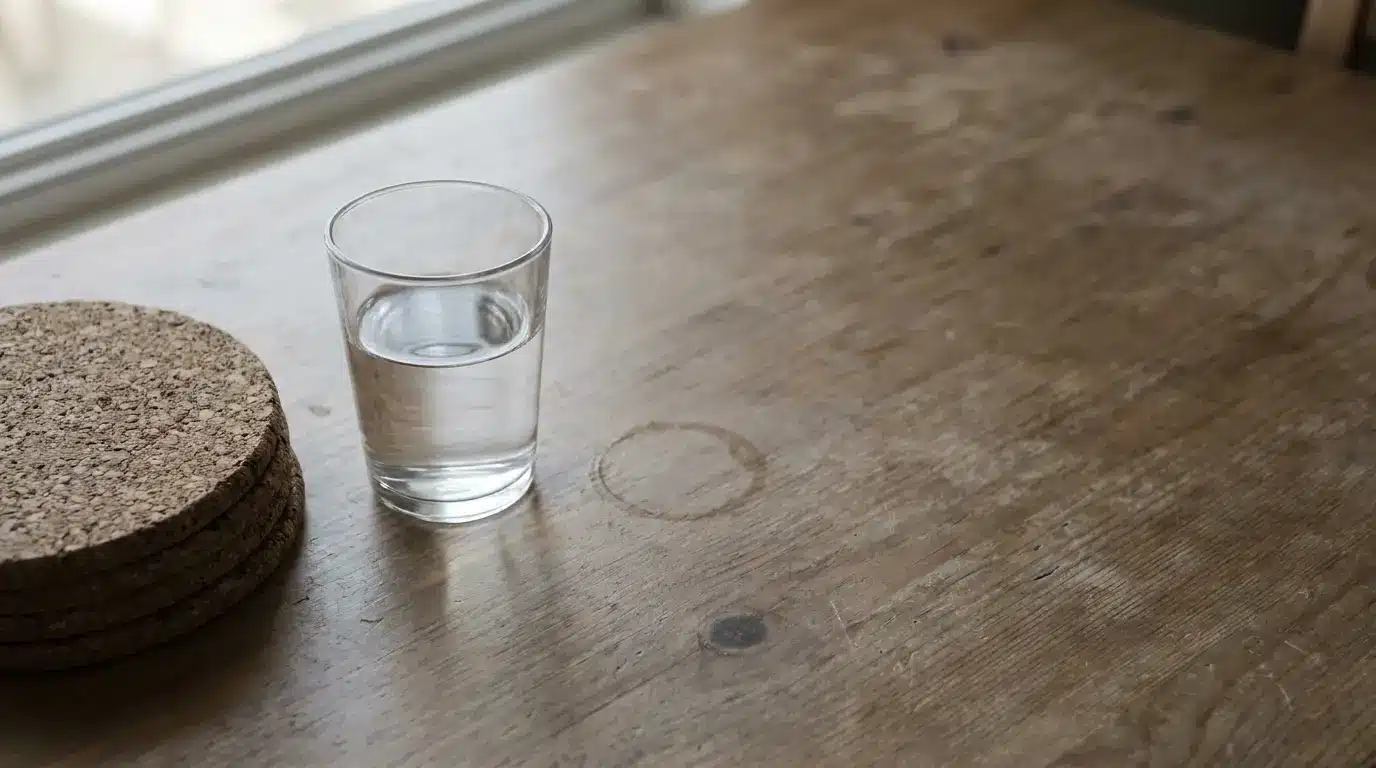
Materials influence maintenance. Washable covers can simplify upholstery care, while closed storage helps keep everyday objects out of sight. Wood may need protection from prolonged moisture, and metal finishes may require gentle cleaners to prevent corrosion or discoloration.
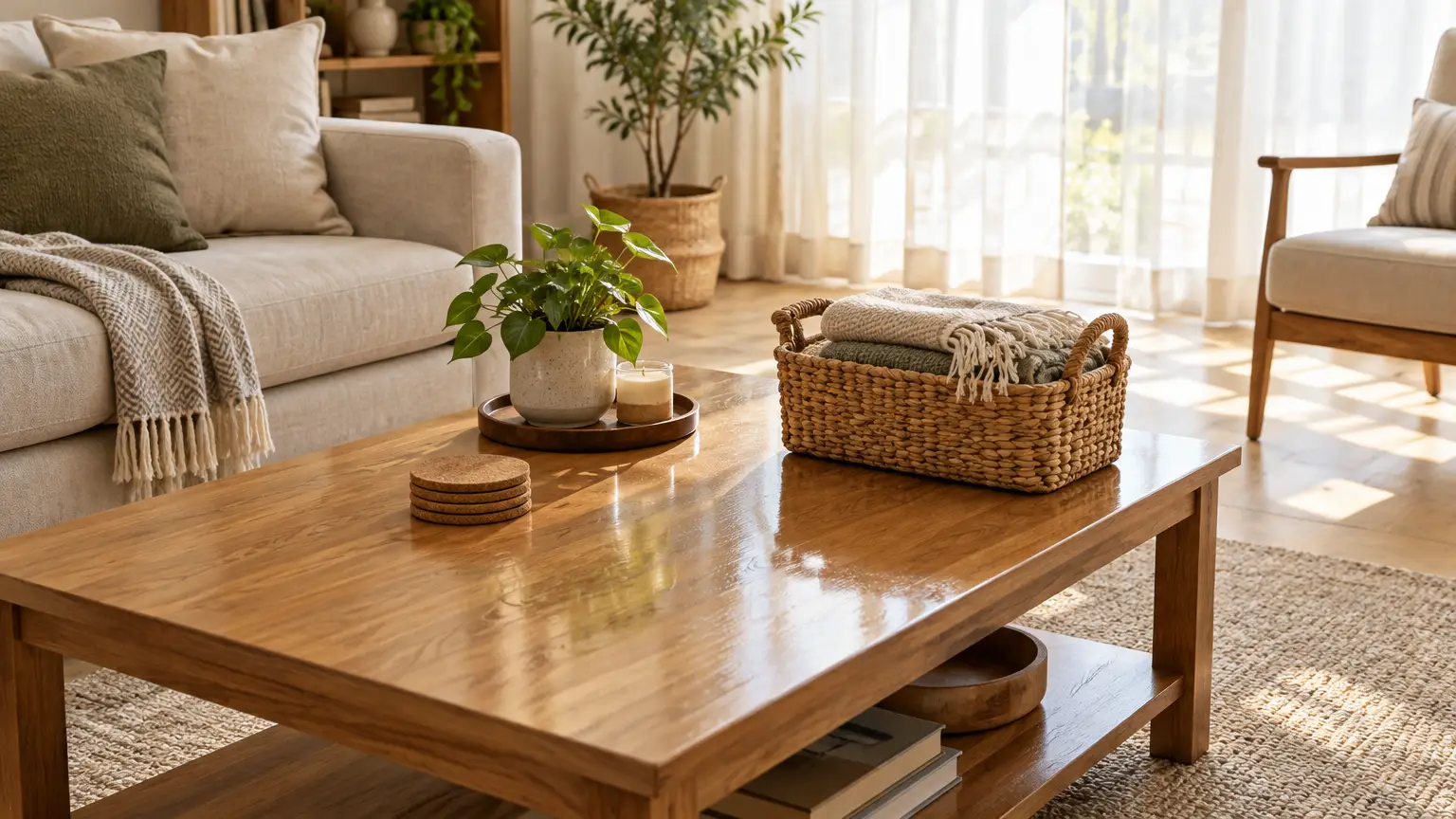
Dining and coffee tables deserve particular attention because they are used for meals, drinks, work, and social gatherings. Coasters help limit direct contact between drinkware and the tabletop. Using cork coasters is a practical way to protect surfaces while adding a subtle decorative detail. Cork has a naturally textured finish and can complement wood, glass, and many neutral interiors.
The key is to choose accessories that suit everyday habits. A decorative tray can group small items, a washable runner can protect a frequently used table, and baskets can contain blankets or magazines. Each item should make the room easier to use or maintain rather than create another surface that needs constant tidying.
Improve Comfort Through Airflow and Moisture Control
A home can look clean while still feeling stuffy or damp. Indoor comfort depends partly on ventilation, humidity, temperature, and the condition of soft furnishings. Poor moisture control can encourage mold growth, damage finishes, and create persistent musty odors.
Use kitchen and bathroom exhaust fans when cooking or showering, and allow them to run long enough to remove excess moisture. Where practical, open windows to improve ventilation when outdoor conditions are suitable. Check under sinks, around window frames, and near plumbing connections for leaks or condensation.
Use Safer, More Effective Cleaning Methods
Effective cleaning depends on matching the method to the surface and type of soil. Dust should generally be removed before wet cleaning, since adding water to loose dirt can spread it across a surface. For most routine tasks, a suitable detergent and clean water are sufficient when used according to the product instructions.
The US Environmental Protection Agency provides guidance on indoor air quality, including common indoor pollutants and ways to reduce exposure. Its recommendations are useful when reviewing ventilation, household products, and other factors that affect indoor conditions.
Maintain the Results With Small Habits
A comfortable home is easier to maintain when everyone contributes. Return frequently used items to designated places, clear surfaces after meals, and deal with spills promptly. These habits prevent small messes from becoming larger jobs.
Cleanliness and style work best together when decisions are practical. A manageable routine, good moisture control, suitable materials, and a few well-chosen accessories can make a home more inviting without adding unnecessary work. The goal is not a perfect showroom. It is a space that supports daily life, stays in good condition, and feels pleasant to return to.