

1. A Kitchen Has to Work Behind the Scenes
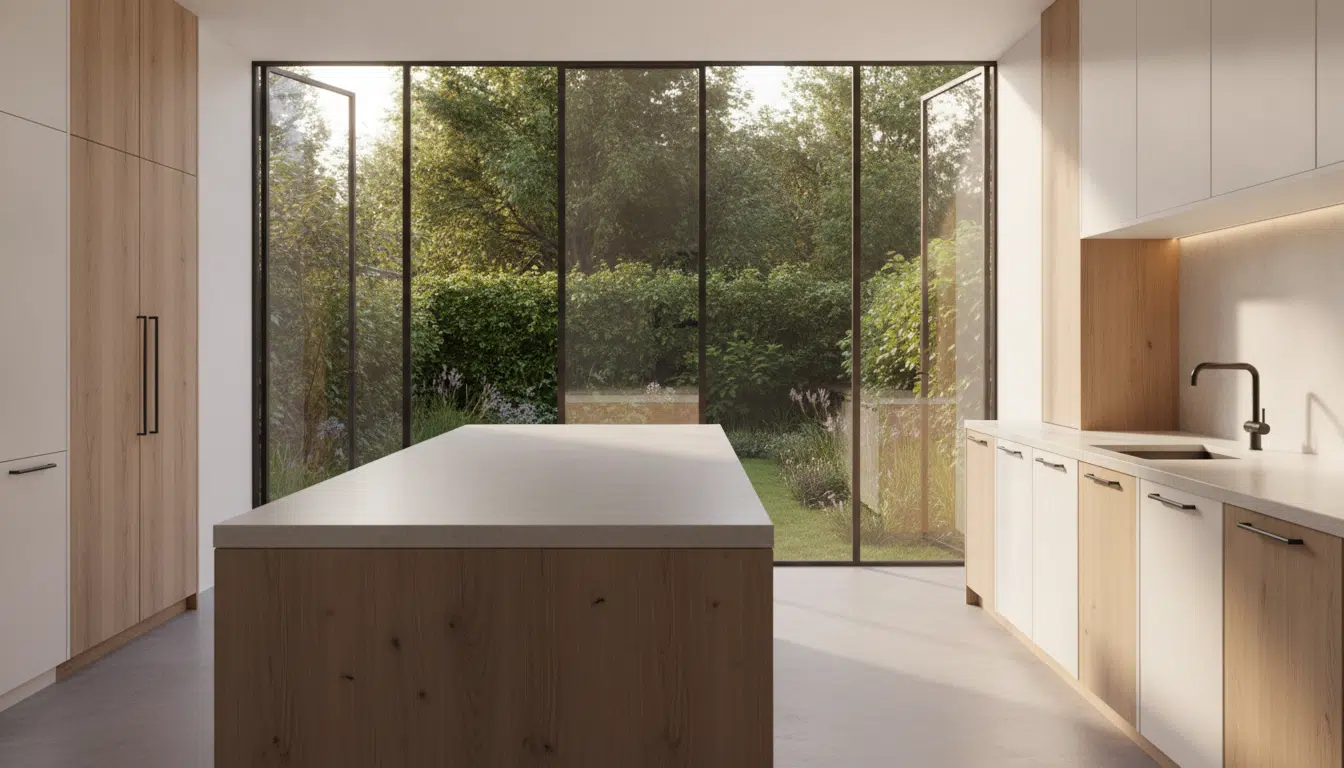
When people imagine a new kitchen, they usually think about the visible parts first. Cabinets, countertops, flooring, appliances, and colors tend to get most of the attention.
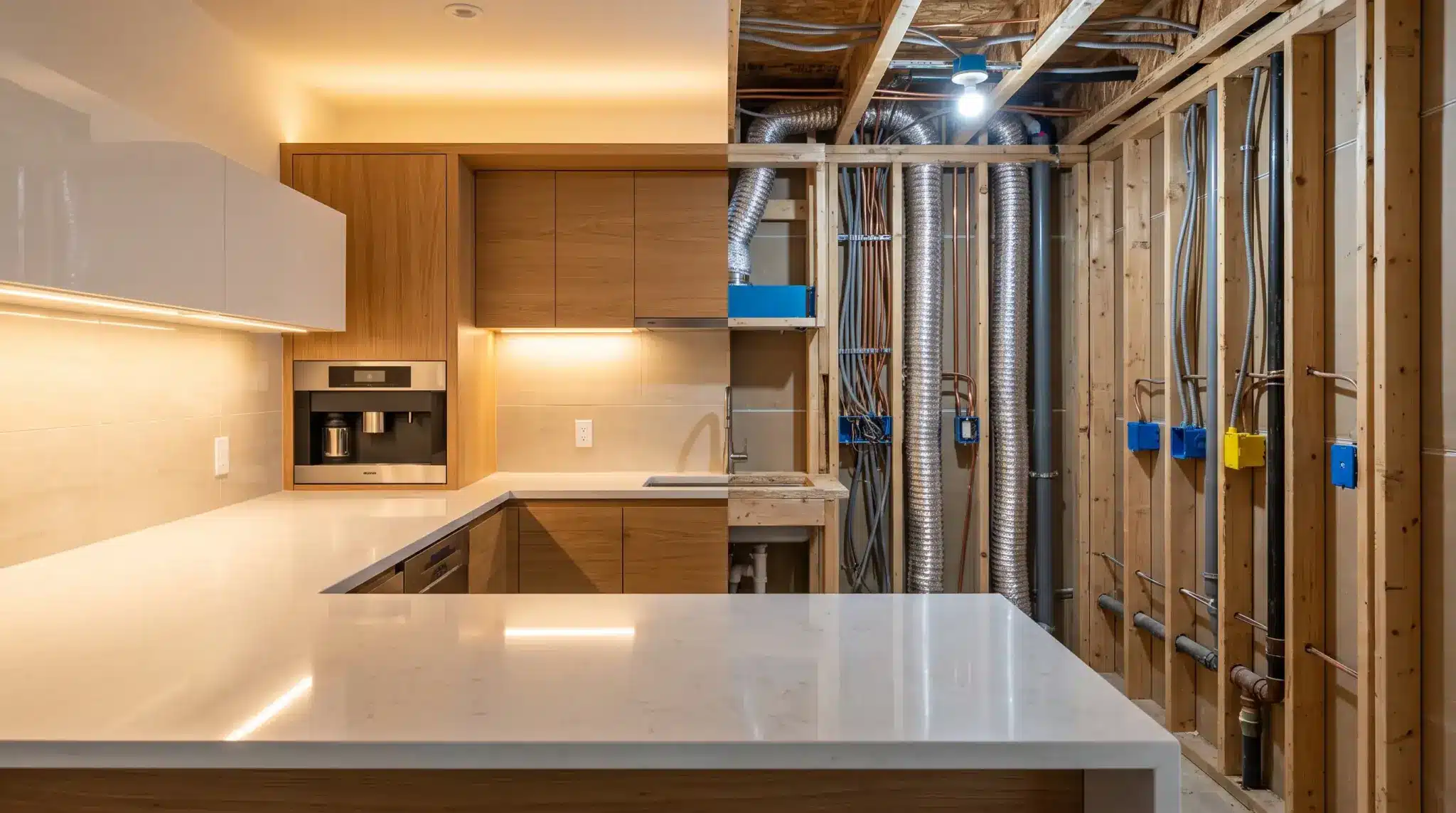
But some of the decisions that make the biggest difference are hidden behind walls, underneath cabinets, or inside the electrical panel.
Modern kitchens depend heavily on electricity. Refrigerators, ovens, microwaves, dishwashers, coffee machines, air fryers, and smaller appliances may all be used regularly. That makes electrical planning an important part of creating a kitchen that works well.
When existing wiring, outlets, or electrical capacity need attention, working with a qualified Sacramento electrician can help homeowners determine what changes may be needed before new appliances, lighting, and other features are installed.
Planning these details early is much easier than discovering after the renovation that there are not enough outlets or that an appliance requires something the existing setup cannot provide.
2. Outlets Should Follow the Way You Cook
Few things are more frustrating than having plenty of counter space but nowhere convenient to plug something in.
Think about the appliances that stay on the counter every day. A coffee maker might need a permanent spot, while a blender, mixer, or food processor may only come out occasionally.
Where those appliances are used should influence where outlets are placed.
Kitchen islands deserve particular attention. If an island will be used for food preparation or small appliances, electrical access may make it considerably more useful.
Instead of treating outlets as an afterthought, it makes sense to plan them alongside the layout.
3. Good Lighting Has More Than One Job
Kitchen lighting is not only about making the room bright.
Different areas need different types of light. Preparing fish, chopping vegetables, checking food while it cooks, and cleaning work surfaces all become easier when the work area is properly illuminated.
A practical lighting plan may include:
- General lighting for the entire room
- Task lighting around counters and preparation areas
- Lighting above an island or dining area
- Under-cabinet lighting for frequently used work surfaces
- Softer lighting for evenings or entertaining
Combining different sources gives homeowners more control over how the kitchen feels and functions throughout the day.
4. Appliances Need More Planning Than Space
Making sure an appliance physically fits is only part of the job.
Large kitchen appliances can have specific electrical requirements, while their position can also affect ventilation, movement, and available counter space.
This becomes especially important when replacing older appliances with newer models or changing the original kitchen layout.
Before ordering appliances, it helps to know exactly where they will go and what connections they require. Moving an oven or adding equipment later can become much more complicated if those requirements were not considered during the earlier stages of the project.
5. Ventilation Matters When You Actually Cook

A kitchen that looks beautiful can quickly become uncomfortable without proper ventilation.
Cooking produces heat, steam, odors, and airborne particles. Seafood in particular can leave strong cooking smells behind, making effective ventilation even more noticeable.
A range hood or other ventilation system can help move heat and odors away from the cooking area. Its placement and capacity should make sense for the kitchen and the way the cooking area is used.
Ventilation is therefore worth considering at the same time as appliances and cabinetry, rather than treating it as something to solve once everything else is finished.
6. Storage Should Support the Cooking Process
Storage is another feature that works best when planned around real habits.
Someone who cooks regularly may need easy access to spices, pans, knives, cutting boards, and frequently used ingredients. Seafood preparation may also require enough refrigerator or freezer space and clear surfaces for safe food preparation.
The goal is not simply to fit as many cabinets into the room as possible.
Frequently used items should be close to where they are needed, while equipment used less often can occupy less accessible areas. Good storage reduces unnecessary movement and keeps important work surfaces from becoming permanently cluttered.
7. Think About Cleaning Before Choosing Materials
Kitchens get messy. A kitchen that is genuinely used for cooking gets even messier.
Water splashes around sinks, oil reaches nearby surfaces, ingredients fall onto floors, and countertops need frequent cleaning.
That makes maintenance an important consideration when choosing materials.
A surface may look impressive in a showroom but become frustrating if it stains easily or requires constant special care. Flooring should also be able to handle regular traffic and occasional spills.
The easiest kitchen to live with is often one designed with cleaning in mind from the beginning.
8. Plan the Invisible Parts First
The most noticeable elements of a kitchen will always be the ones people can see.
But those elements depend on many less visible decisions.
Electrical capacity affects appliances. Outlet placement affects how counters are used. Lighting changes how comfortably food can be prepared. Ventilation affects air quality and cooking comfort, while storage determines whether the room stays organized.
Getting these details right may not produce the most dramatic before-and-after photograph.
It does something more useful: it creates a kitchen that works properly once people actually start cooking in it.
A good kitchen should certainly look inviting. But when the planning behind it is done well, the things you barely notice are often the things making the biggest difference.