

Salmon has a reputation for going wrong fast. One extra minute on the heat can turn a beautiful fillet dry and chalky, which makes choosing the right cooking method just as important as choosing the fish itself.
There are plenty of ways to cook salmon, but three of the most practical options for a home kitchen are pan-searing, oven roasting, and poaching. Each produces a noticeably different texture and requires a slightly different level of attention. Here is Jackson Laurie’s breakdown of these three approaches and what home cooks should know before putting a salmon fillet in the pan, oven, or simmering liquid.
Why Salmon Is Worth Getting Right
Salmon sits on countless dinner tables because it cooks quickly and works with almost any side, from rice to roasted vegetables. That same quick cooking window is what trips up so many home cooks, since a couple of extra minutes can turn tender fish into something dry and tough.
From pastry and baking to Gulf Coast seafood, Jackson Laurie offers culinary resources for home cooks with different interests. Salmon is a good example of why cooking technique matters: the same ingredient can turn out completely different depending on how heat is applied.
Cooking Style No. 1: Pan-Seared Salmon With Crispy Skin
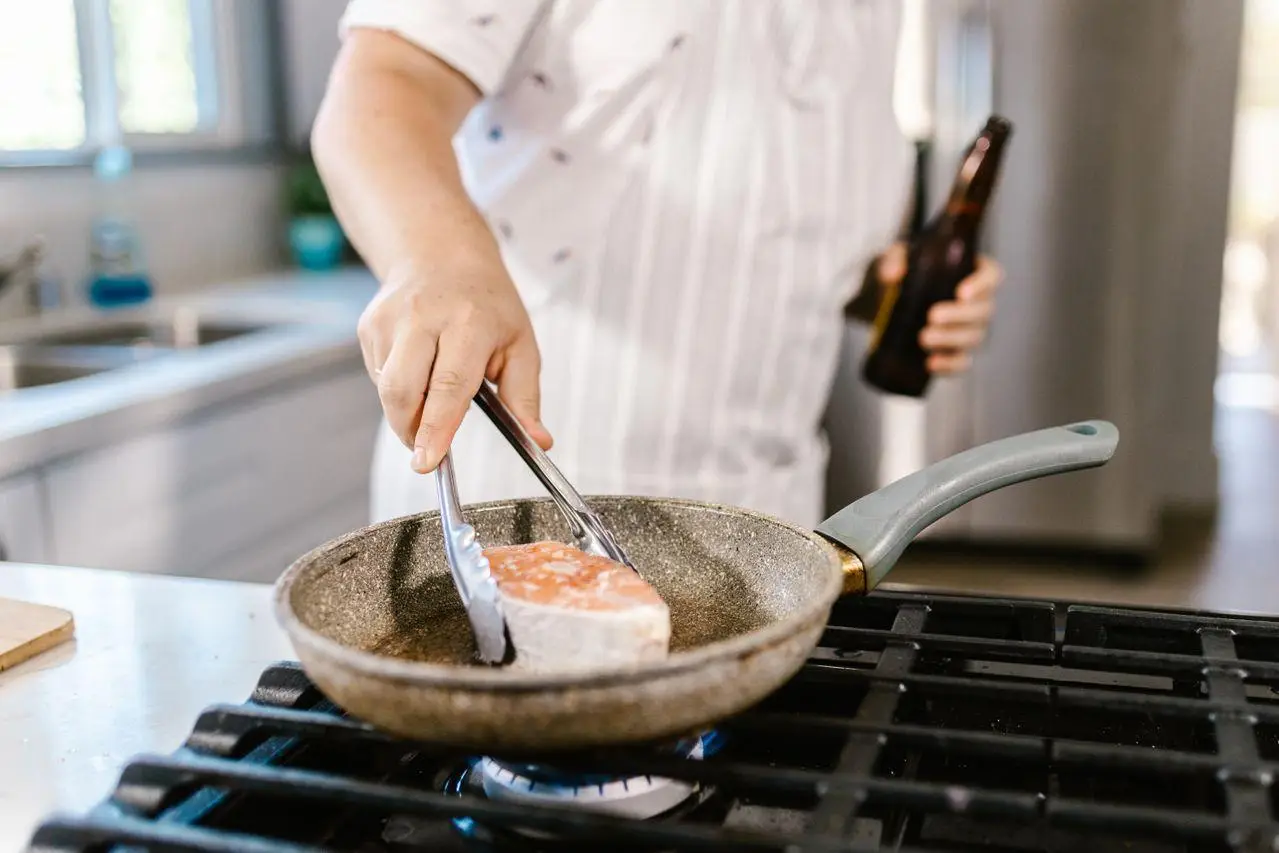
Pan-searing is the method to reach for when crispy skin and a browned exterior are the priority. Start with a skillet heated over medium-high heat and a light coating of oil. Pat the salmon dry before placing it skin side down in the pan, then leave it undisturbed for several minutes before flipping it to finish the flesh side.
Done well, the skin turns deeply golden and crisp while the center stays moist and tender. This method rewards close attention since the window between properly cooked and overdone salmon can be short, though the contrast between the crisp exterior and tender center makes the extra focus worthwhile.
Cooking Style No. 2: Oven-Roasted Salmon on a Sheet Pan
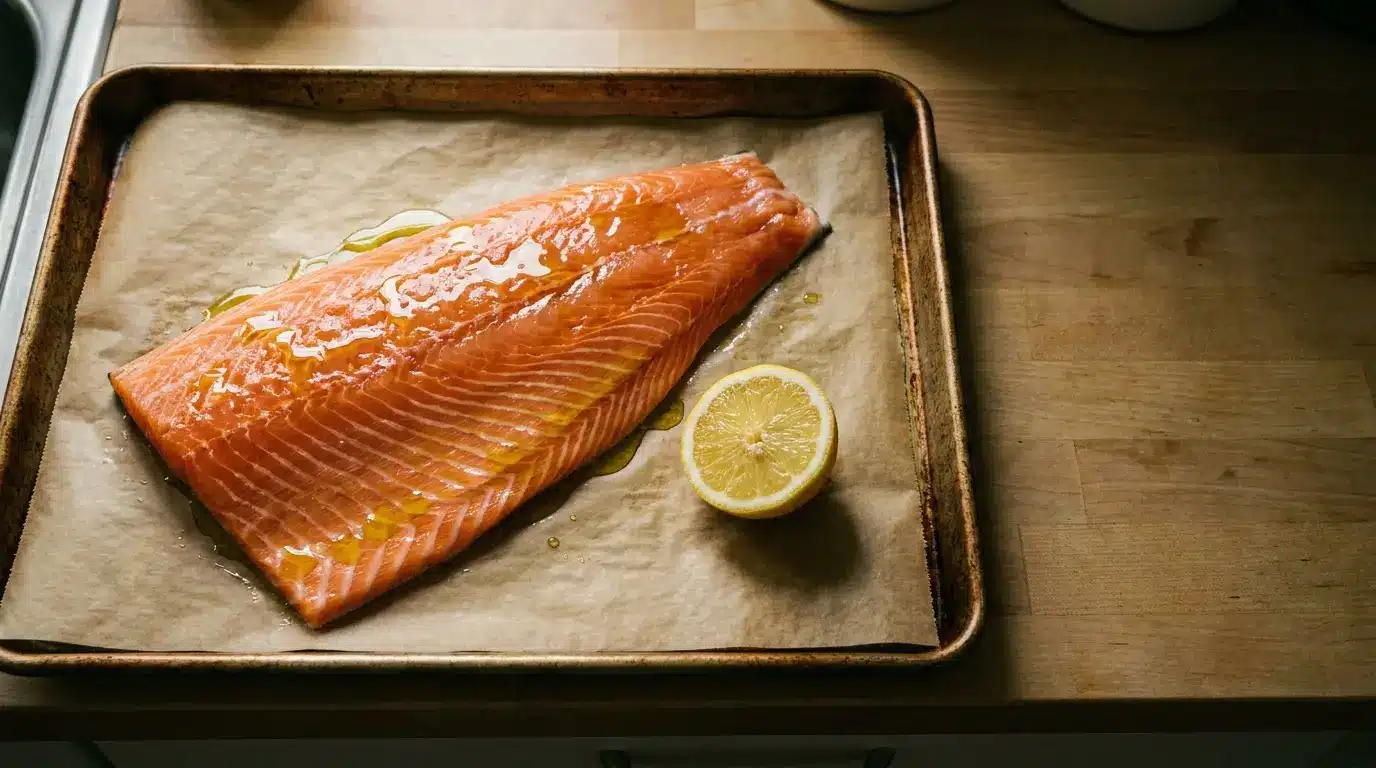
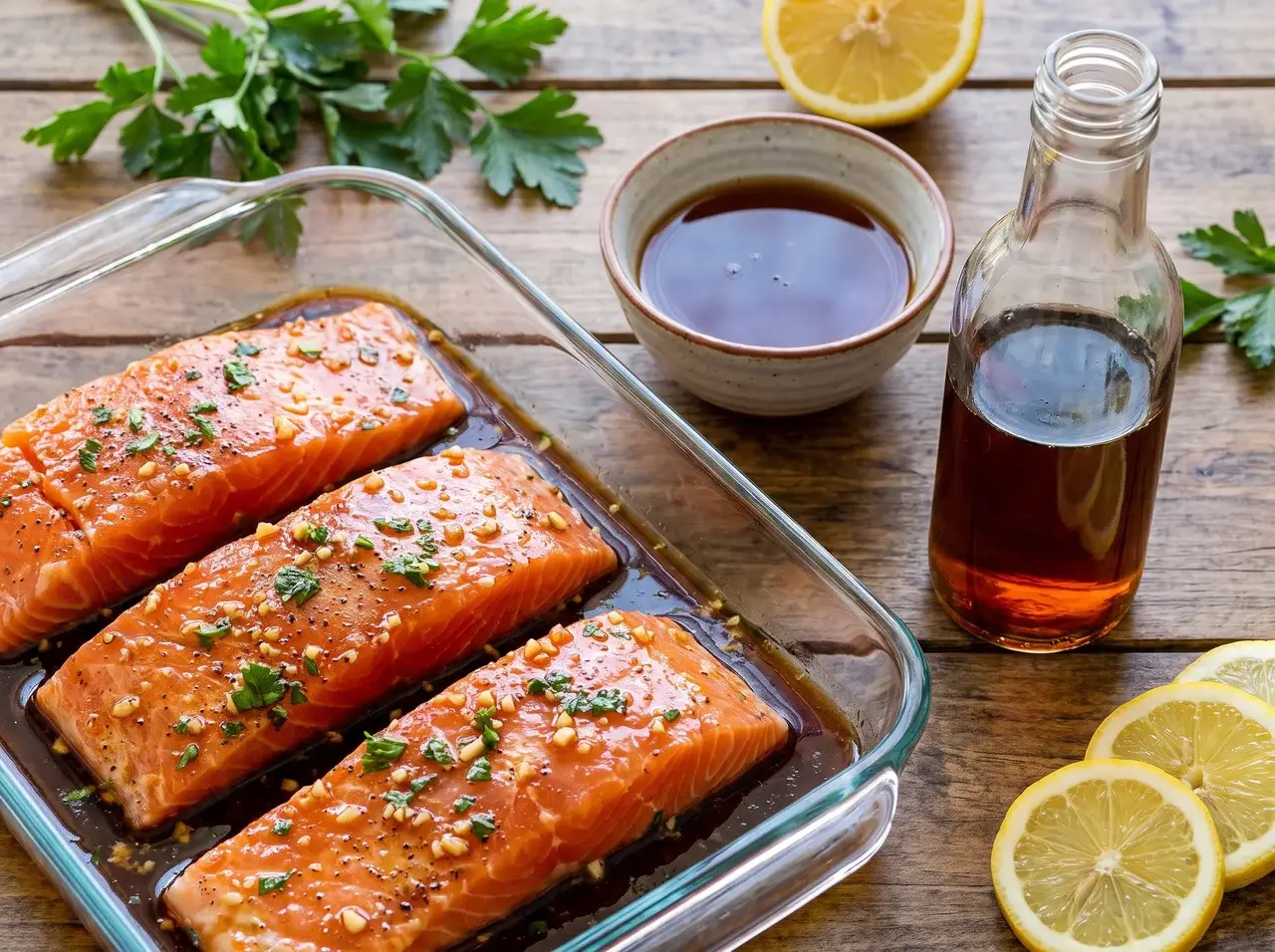
Oven roasting takes a more hands-off approach. Heat the oven to 400 degrees, place the salmon on a lined sheet pan, and add a drizzle of oil and a squeeze of lemon before baking.
Depending on the thickness of the fillet, salmon can cook relatively quickly at this temperature. A thin tail piece will finish sooner than a thick center cut, so cooking time should be treated as a guide rather than a guarantee.
Instead of relying entirely on the clock, check the thickest part of the fish as it approaches doneness. For food safety, the FDA recommends cooking finfish to an internal temperature of 145°F, or until the flesh is no longer translucent and separates easily with a fork.
For busy nights, oven roasting is one of the easiest options because the oven handles most of the work while the rest of dinner comes together.
Cooking Style No. 3: Poached Salmon in Simmering Liquid
Poaching takes a gentler approach to cooking salmon. Fill a shallow pan with enough broth or other cooking liquid to partially surround the fish, then add ingredients such as lemon slices and fresh herbs for flavor. Keep the liquid at a gentle simmer rather than a vigorous boil.
The lower, moist heat produces a soft and delicate texture while allowing the broth and aromatics to add subtle flavor without overpowering the fish. Unlike pan-searing, poaching does not create a browned exterior or crispy skin, so it works best when tenderness is the priority.
It’s also worth watching the heat carefully. A hard boil can be too aggressive for a delicate salmon fillet, while a gentle simmer provides more controlled cooking.
Which Salmon Cooking Method Comes Out on Top?
If crispy skin and a browned exterior are what you’re after, pan-searing has the advantage. Direct contact with the hot skillet creates a texture that roasting and poaching cannot fully replicate, while still allowing the center to stay tender when the fish is cooked carefully.
Oven roasting is the easier choice when convenience matters. It requires less active attention and makes it easy to cook several portions at once, which can be especially useful for family dinners.
Poaching offers the gentlest result of the three. It skips the crispy exterior entirely but produces tender salmon with subtle flavors from the cooking liquid.
There isn’t one method that wins for every meal. Pan-searing works best when texture matters most, roasting is ideal for a hands-off dinner, and poaching is worth choosing when you want something softer and more delicate.
Save This Checklist for Salmon Night
A few small steps can make a noticeable difference no matter which cooking method you pick. Keep this list handy the next time salmon shows up on the weekly shopping list.
- Pat the fillet dry before pan-searing to help the exterior brown
- Season the fish before cooking so the flavor has time to settle in
- Leave the salmon undisturbed while a crust forms when pan-searing
- Remember that thicker fillets generally need more cooking time than thin pieces
- Use a food thermometer when you want the most reliable check for doneness
- For food safety, cook finfish to an internal temperature of 145°F
- Match the method to the result you want: crispy, hands-off, or delicate
Three methods can take the same basic ingredient in noticeably different directions. Pan-searing delivers a crisp exterior, oven roasting keeps the process simple, and poaching produces a softer and more delicate result. Whichever method lands on the menu next, careful timing and a little attention to temperature can turn a simple salmon fillet into a dinner worth repeating.
Frequently Asked Questions
What Are Three Ways to Cook Salmon?
Three common methods are pan-searing, oven roasting, and poaching. Pan-searing creates a browned, crispy exterior, roasting offers a more hands-off approach, and poaching cooks the fish gently in liquid.
Which Cooking Method Is Best for Crispy Salmon?
Pan-searing is a good choice when crispy skin and a browned exterior are the goal. Drying the salmon before cooking and leaving it undisturbed while the skin sears can help create a better crust.
What Temperature Should Salmon Reach When Cooking?
For food safety, the FDA recommends cooking finfish to an internal temperature of 145°F. If you do not have a food thermometer, the flesh should no longer be translucent and should separate easily with a fork.
Why Is Baking or Roasting Salmon a Good Cooking Method?
Oven roasting requires relatively little active cooking and can produce evenly cooked salmon when the timing is adjusted for the thickness of the fillet. It is also convenient when cooking multiple portions at once.
How Is Poached Salmon Different From Pan-Seared Salmon?
Poached salmon cooks gently in liquid, resulting in a soft and delicate texture without browning. Pan-seared salmon cooks against a hot skillet, creating a browned exterior and potentially crispy skin.