

Why Champagne Tasting Is More Than Choosing a Favorite
Tasting Champagne well means moving past simple preference and learning to assess appearance, aroma, texture, balance, and finish in a structured way. The decisions made long before a bottle ever reaches the table—grape varieties, blending choices, lees aging, dosage, even serving temperature—all shape what ultimately lands in the glass.
A good illustration of this is Grand Siècle Itération n°26, a cuvée built from a blend of Chardonnay and Pinot Noir sourced from multiple Grand Cru vineyards and several vintages, with extended lees aging.[1] Learning how these production decisions translate into what you actually taste can sharpen anyone’s analysis—no specialist equipment or formal credentials required.
Understanding What Shapes Champagne’s Character
Grape Varieties and Their Typical Contributions
Chardonnay generally brings freshness, citrus and floral notes, and a mineral-like edge. Pinot Noir tends to add body, structure, and red-fruit character. Meunier often contributes fruitiness and an easy, approachable softness. These are broad tendencies rather than hard rules—vineyard location, harvest conditions, and winemaking choices can shift the outcome considerably.
Vintage, Non-Vintage, and Multi-Vintage Wines
Non-vintage Champagne is blended to keep a consistent house style from year to year. Vintage Champagne, by contrast, comes from a single, declared harvest. Multi-vintage prestige blends deliberately combine selected years to achieve a complexity and balance that one vintage alone might not deliver.
Lees Aging, Dosage, and Autolytic Character
During secondary fermentation in the bottle, wine rests on its spent yeast cells, known as lees. This extended contact builds texture and can bring out aromas like pastry, biscuit, toast, or brioche. Once aging is complete, winemakers add a small amount of sugar and wine—called dosage—to set the sweetness level, ranging from Brut Nature (no added sugar) through Extra Brut to the more familiar Brut. Sweetness, acidity, and fruit intensity should always be weighed together when judging balance, never in isolation.
A Step-By-Step Champagne Tasting Method
Examine the Appearance
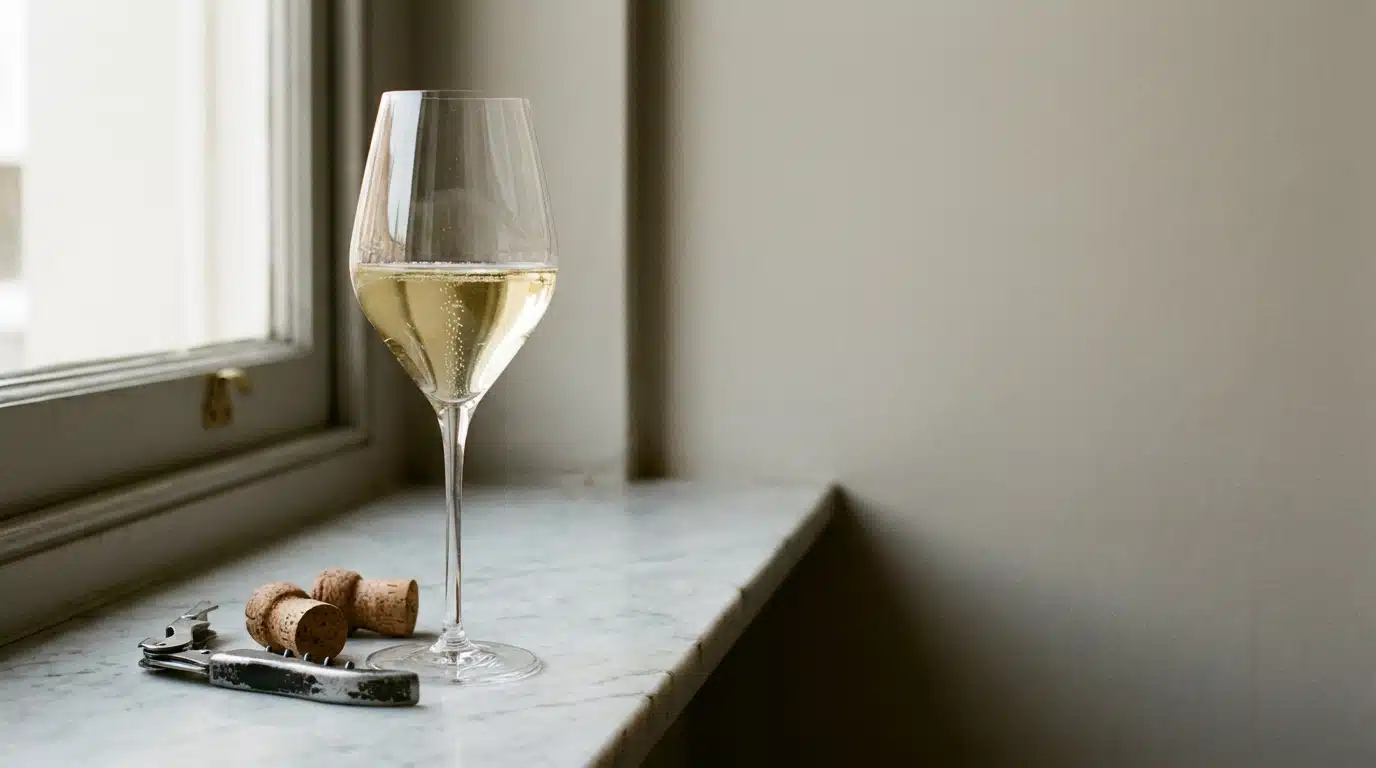
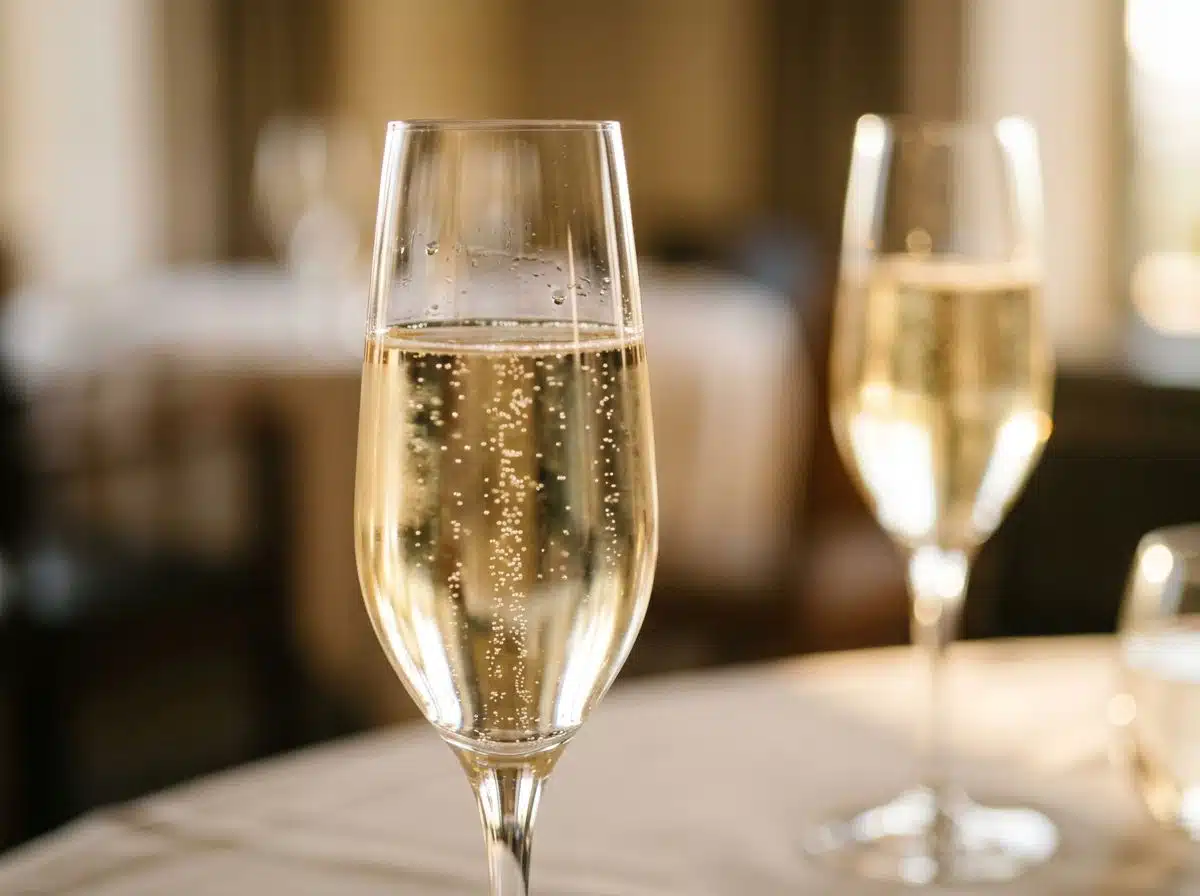
Look at the color, which can range from pale lemon to deeper gold, along with clarity and brightness. Note the bubbles too—their size, persistence, and movement—but keep in mind that lively carbonation alone doesn’t confirm quality; glass shape, temperature, and cleanliness all play a role in how bubbles behave.
Evaluate the Aroma
Smell the wine before swirling and again afterward. Aromas generally fall into a few broad categories: fruit (citrus, apple, pear, stone fruit, red berries), floral (white flowers, blossom), fermentation and aging notes (bread, pastry, nuts, toast, spice), and mineral or savory impressions (chalk, wet stone, herbs, a trace of salinity). Try to separate the primary fruit aromas from those developed through fermentation and aging, and describe what you actually smell rather than forcing a note you expect to find.
Assess the Palate
Pay attention to acidity and freshness, texture and mousse, fruit concentration, dryness or sweetness, any alcohol warmth, and how it all comes together. Carbonation can heighten perceived acidity and shape both texture and finish. Take a small sip, let it travel across the palate, and notice how the flavors change as it does.
Judge the Finish and Overall Balance
The finish is how long and how well the flavors linger after you swallow. A long finish only matters if it’s paired with balance and freshness—length for its own sake isn’t the goal. Consider whether the Champagne feels harmonious, simple, powerful, delicate, youthful, or mature, and try to keep your technical observations separate from your personal enjoyment.
Serving Champagne for A More Accurate Tasting
Temperature and Glassware
Too much chill can mute aromas, while too much warmth can make alcohol and sweetness more pronounced. A commonly referenced guideline suggests serving most Champagnes around 8–10°C.[10] Flutes showcase the visual bubbles, coupes let aromas dissipate quickly, and tulip-shaped glasses typically give more room for aromatic development. Always use clean, residue-free glasses—detergent or grease can disrupt both bubble formation and aroma.
Opening and Pouring Safely
Keep the bottle pointed away from people, hold the cork firmly, and rotate the bottle rather than yanking the cork out. A controlled release—more of a soft sigh than a loud pop—helps preserve the wine and cuts down on spillage. Pour slowly and in stages to manage the foam and protect the carbonation.
Practical Exercises for Building Tasting Confidence
Try comparing two Champagnes that differ in one clear way—Chardonnay-dominant versus Pinot Noir-dominant, young non-vintage versus longer-aged, or Brut versus Extra Brut. Write down your impressions before checking prices or labels, so expectation doesn’t color your judgment.
A simple tasting note template might include: appearance, aromas, acidity, texture, fruit profile, aging-related flavors, sweetness, finish, overall balance, and personal preference. Keep the notes descriptive rather than judgmental. As a hands-on exercise, pour the same Champagne too cold, taste it, then let it warm slightly in the glass and taste again—you’ll likely notice real shifts in aroma intensity and perceived sweetness.
Common Mistakes to Avoid
- Serving Champagne too cold for an entire tasting
- Using glasses with detergent residue or lingering odors
- Treating persistent bubbles as the sole marker of quality
- Confusing sweetness with fruitiness
- Assuming a prestigious label will suit every palate
- Relying only on back-label tasting notes
- Storing opened Champagne without a proper stopper
- Judging a wine after a single sip
- Presenting personal preference as objective fact
How to Write a Reliable Tasting Assessment
Keep observable facts separate from interpretation—”the wine has high acidity” is a fact, while “the acidity makes it suitable for rich foods” is an interpretation. Steer clear of exaggerated claims like “best” or “perfect.” Note the tasting conditions as well: temperature, glassware, any food pairing, and whether the bottle was freshly opened. Professional scores can add useful context but shouldn’t replace your own tasting. For technical claims, lean on recognized Champagne-industry bodies, producer technical sheets, and reputable wine education sources.
Food Pairing as A Test of Balance
Champagne’s acidity and carbonation interact with food in distinctive ways. Fresh, dry styles often suit seafood, vegetables, or light appetizers; more structured or mature styles can pair well with poultry, mushrooms, or richer dishes; sweeter styles tend to complement desserts or mildly spicy food. The real question is whether the wine refreshes, complements, or overwhelms the dish—and that depends on preparation, seasoning, and the wine’s sweetness level.
Key Takeaways
- Taste in stages: appearance, aroma, palate, and finish
- Think in terms of balance rather than a single standout feature
- Production choices—grapes, blending, lees aging, and dosage—help explain what you taste
- Serve at an appropriate temperature in clean, aroma-friendly glassware
- Personal enjoyment and technical quality are related, but they’re not the same thing
Developing an Informed Personal Judgment
Tasting Champagne thoughtfully means working through appearance, aroma, palate, and finish while understanding how grape choices, blending, lees aging, and dosage shape the result. Expertise builds gradually, through repeated comparison, careful observation, and consistent terminology.
Keeping notes and retasting wines under similar conditions over time sharpens that judgment even further. In the end, the most useful Champagne assessment blends technical understanding with an honest personal response—and as always, any tasting should be approached with moderation in mind.