


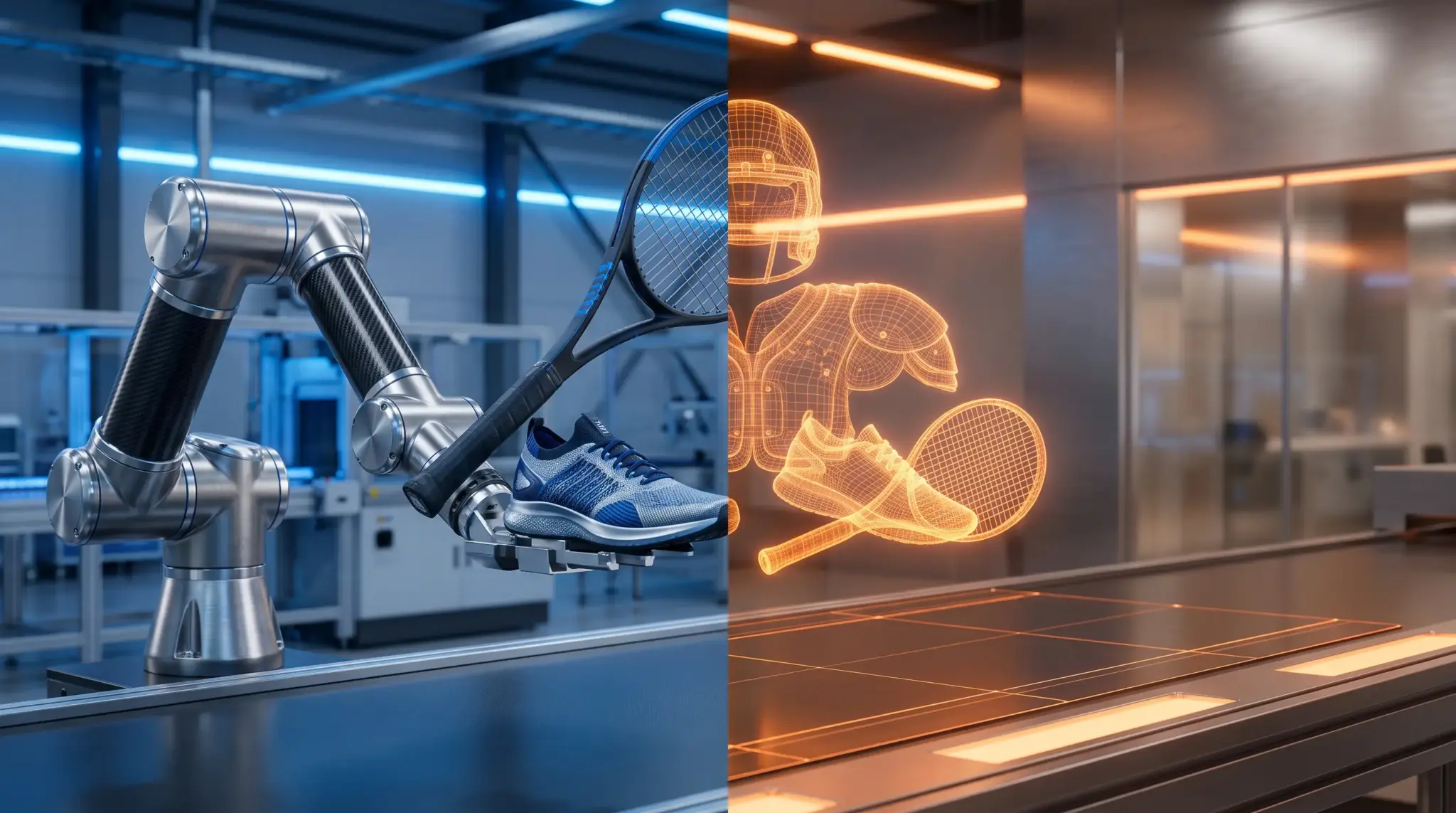
The evolution of professional sports is closely linked to the equipment used by athletes. In recent years, due to numerous technological advancements, manufacturers have moved far beyond simply redesigning the existing items of equipment. In case you keep up with any league at all, just stop and think about how much equipment has evolved recently.
The Evolution of Materials Used to Manufacture Athletes’ Gear
Traditional materials such as wood, leather, and metals have been widely replaced by modern composites. Modern sports equipment is mostly based on composite materials, which influence athletes’ performance on the field in one way or another. When betting on league games, spectators regularly look through the latest statistics of the teams as well as the type of gear used by their favorite players. The ability to place bets using the MelBet app Android allows sports fans to monitor live odds while analyzing the performance of high-tech sports gear. The constant influx of performance data influences athletes’ strategic decisions as well as those of competitive gaming experts all around the globe.
Modern bicycle frames, tennis rackets, and hockey sticks are mostly made of advanced composite materials to enhance the performance of athletes. Carbon fiber is often used to manufacture sports equipment. This material significantly reduces the weight of the item without weakening its structure. Thanks to that, athletes can produce more force while consuming less energy during the game. Engineers constantly work to improve these materials in order to ensure the necessary flexibility, durability, and safety of the items produced.
Digital Tracking and Data-Driven Performance
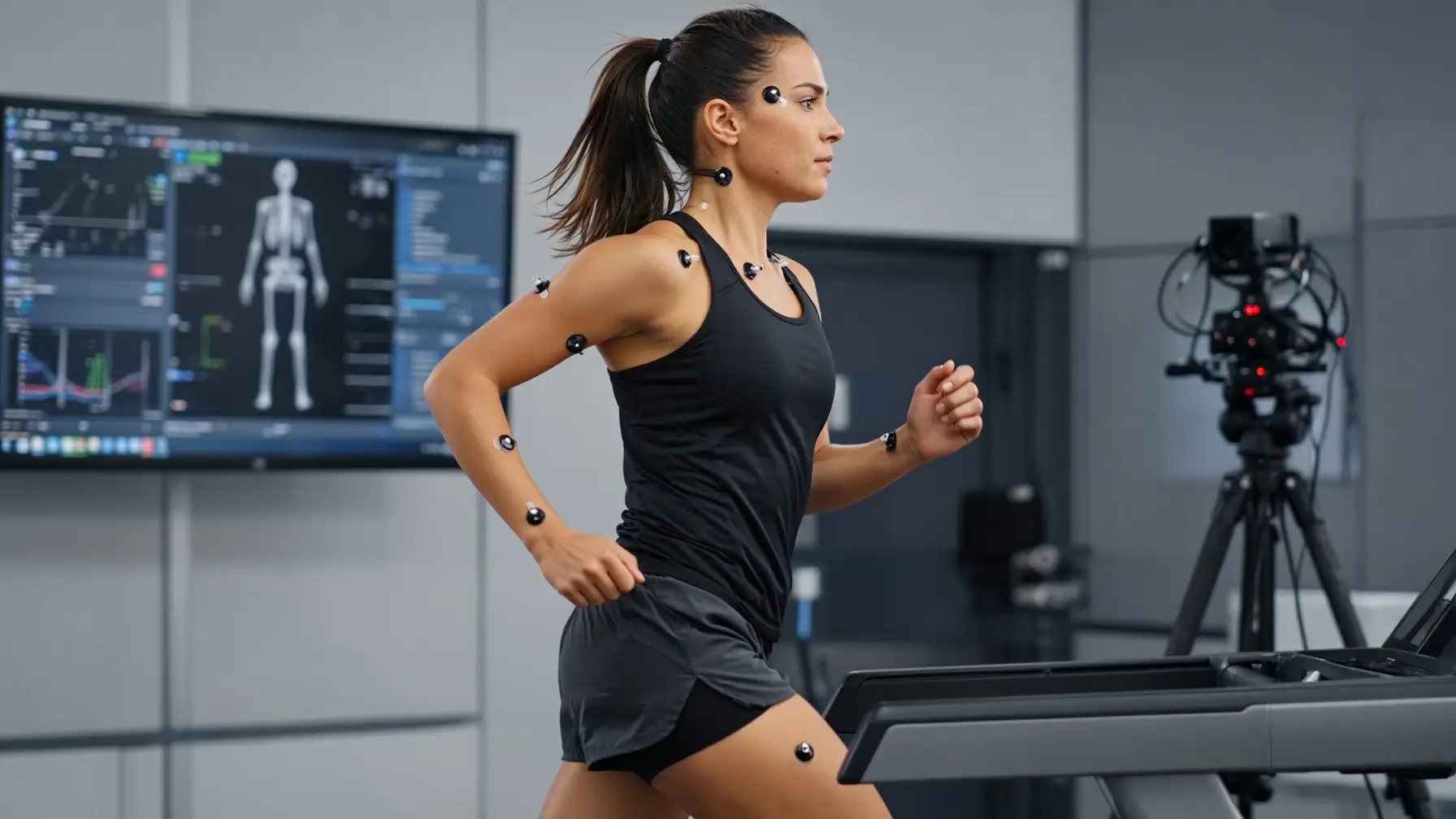
Apart from using advanced materials, manufacturers also started embedding technologies into sports equipment. Thus, the process of performance tracking has become much easier because the items started generating various pieces of information about their users. This information gives coaches and athletes new options when designing training programs.
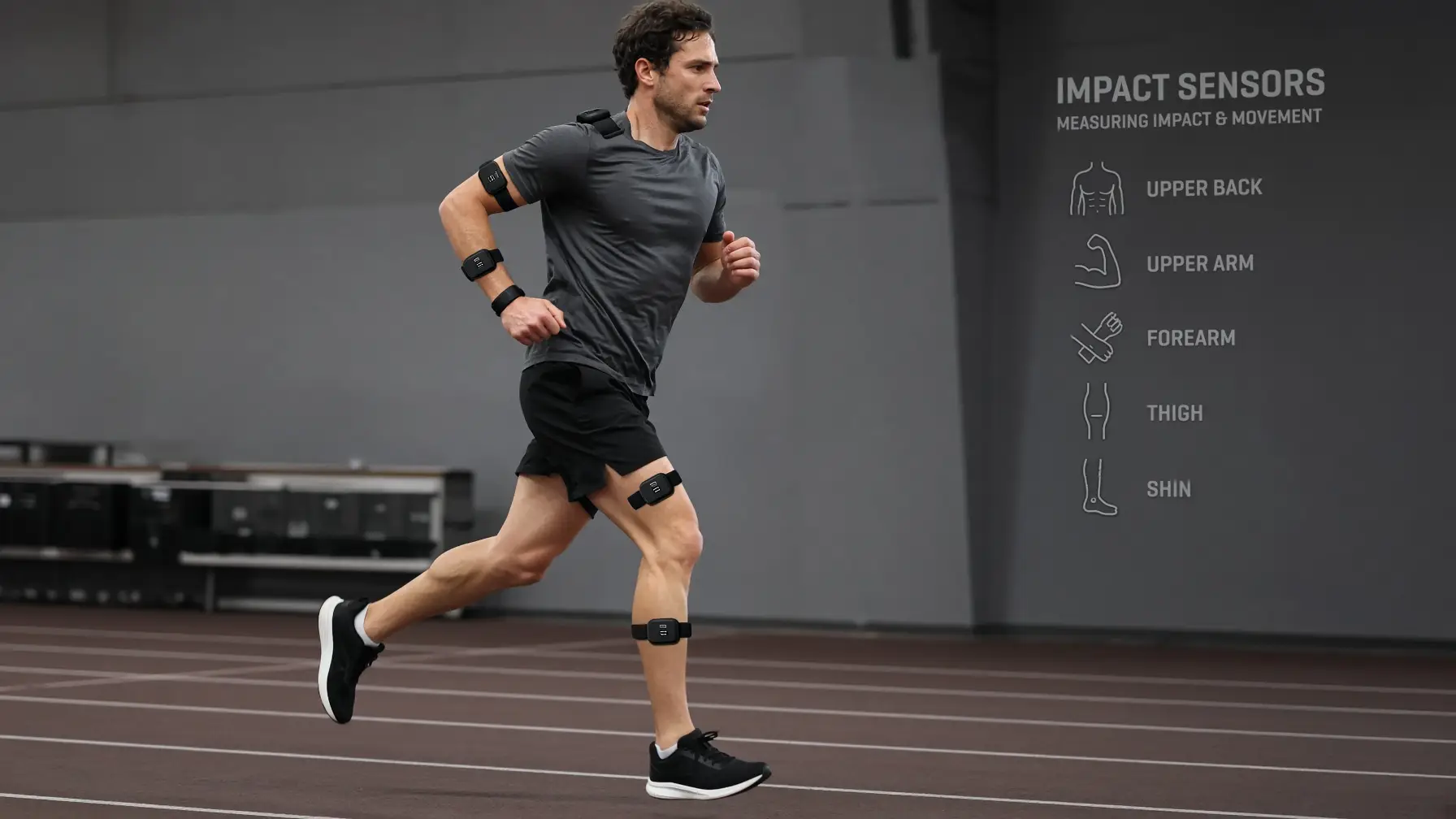
Modern jerseys, shoes, and protective gear usually have smart sensors that monitor athletes’ movement in real time. Analysis of these digital metrics helps sports bettors assess performance trends of the team and predict the results of the upcoming matches. Advanced prediction platforms and betting sites (Turkish: bahis siteleri) provide extensive betting opportunities, greatly influenced by the real-time athletic data and player statistics. The teams can decrease the risk of getting injuries thanks to this data, while sports bettors can use these analytics to their advantage.
This trend of embedding technology into sports equipment has resulted in the emergence of completely new types of sports gear. Here is a short description of some popular technologies used in professional sports.
Technology Type | Primary Function | Common Sports |
Motion sensors | Tracks speed and movement patterns | Soccer, basketball, running |
Impact sensors | Measures force during collisions | Football, hockey, boxing |
Biometric monitors | Records heart rate and fatigue | Cycling, swimming, tennis |
GPS trackers | Maps, positioning, and distance covered | Soccer, rugby, athletics |
This technology gives coaches objective data rather than subjective data based on their observations.
Precision Manufacturing in Equipment Production
Moreover, precision manufacturing technology has allowed us to develop protective gear in an innovative way as well. Today, helmets, pads, and footwear are made using computer-aided modeling. It helps to test how each piece of equipment will react when exposed to a certain impact force. As a result, protective gear today better corresponds to individual athletes than older mass-produced products.
The use of 3D printing in manufacturing has also contributed to this trend. Athletes today can order custom mouthguards, insoles, or braces made from body scans. As a consequence, it becomes possible to minimize uncomfortable feelings and maximize protection during high-impact movements. Custom-fitting has been successfully implemented by several professional leagues for some positions or players.
Environmental Considerations in Modern Equipment Production
In addition to the above mentioned factors, the issue of sustainability became very relevant when it comes to equipment production today. Manufacturers are under increased pressure to reduce waste and recycle materials. Several brands launched footwear and apparel products made from recycled plastics. Such trends are driven both by consumer and league preferences.
It is important to understand that these considerations are not only about corporate responsibility. They affect manufacturing costs and material choice in the process of production. On the other hand, manufacturers should find a balance between sustainability goals and the demands of professional athletes in terms of performance and protection. The impact on equipment durability is yet to be researched.
Footwear Engineering Innovations in Professional Sports
Footwear products in professional sports are probably one of the most engineered categories today. Modern manufacturers use pressure-mapping technology to analyze how athletes’ feet hit the ground. The obtained data is the basis for the development of midsole and cushion density, and also for outsole traction pattern design.
For example, running shoes intended for professional competitions use multilayer foams with enhanced energy return. Basketball shoes usually emphasize lateral support since there is a need to change directions frequently during the game. Football or soccer cleats are usually engineered in accordance with the playing surface and weather conditions.
Robotics and Automation in Equipment Production
Advancements in robotics and automation have changed the way equipment goes through the production process. Machines are now able to complete tasks that used to be done by hand. This means cutting composite materials, sewing synthetic fabrics, applying adhesive layers, etc. Automation has become essential in maintaining uniformity of production in large batches.
Furthermore, it has sped up the process of developing new models of equipment. Prototyping, testing, and designing become much more efficient than before because of robotic quality assurance systems, which identify defects in products that cannot be seen by the naked eye. Several leading manufacturers have expanded their automated production lines in the last five years.
However, human supervision is still necessary for the equipment manufacturing process. Below is a brief list of stages that require both human skills and machine work.
- Design and prototyping – Engineers are needed at the first stage of equipment development until the automatic testing system takes over.
- Material cutting and assembly – Robots perform repetitive and precision-requiring operations.
- Quality inspection – Machines recognize defects, and human technicians check the end result.
- Custom fitting – Humans still make adjustments for individual athletes.
The combination of these two has increased the efficiency of the production process. Further advancements in the field will most probably make it better in the future.
Equipment Testing Standards Across Professional Leagues
Professional leagues set high standards of equipment testing before approving it for use. These tests include assessment of durability, safety, and consistency of performance in controlled environments. Equipment should pass several rounds of impact testing, stress testing, and environmental testing before approval. It takes a few months, depending on the complexity of the product.
The testing requirements vary from sport to sport and league to league. The standard of impact-resistance of the equipment is usually higher in contact sports than in non-contact ones. Detailed information regarding compliance with league regulations must be provided to the governing body. Such regulation is necessary to ensure that the improvements in performance will not harm the athletes’ safety.
What This Means for the Future of Competitive Sports
The equipment manufacturing industry has gone beyond the simple process of developing the product and has become an industry that consists of engineering and data science. Materials science, sensors, and precise manufacturing techniques now directly affect athletic performance and safety. All these changes affect professional athletes, but will also affect amateur and youth athletes in the long run. Sports equipment manufacturing is going to become even more important in the future.